Overall impression Paradigm at the Pines elicits a mixed but distinct pattern: many families and short-stay residents describe strong interpersonal care, effective rehabilitation, and facility improvements, while other accounts point to operational inconsistencies that affect experience and perceived value. Praise is concentrated on hands-on staff, therapy outcomes, and specific clinical programs; criticisms cluster around staffing, dining, medical coverage, and administrative accessibility.
Care quality and clinical programming Multiple reviewers described positive clinical outcomes, with particular emphasis on the rehabilitation team and successful mobility improvements. The facility offers specialty respiratory care including a tracheostomy program and named clinical staff who received individual praise. Medication administration and oversight were cited positively in several accounts. At the same time, there are operational gaps: inconsistent nurse staffing—especially overnight—can contribute to variability in response times and overall care continuity. Prospective residents should verify current staffing patterns and escalation protocols for clinical issues.
Staff and management Staff are frequently described as compassionate, friendly, and family-oriented; several reviews singled out administrative and liaison personnel as helpful in admissions and family communication. Management change and investment in facilities were noted positively by some reviewers. However, there are also concerns about staff conduct and communication tone in certain interactions, and some families experienced difficulty accessing social-work or care-coordination support. Asking for specific points of contact and confirming social-work availability during admission is advisable.
Dining and activities Activities are a clear strength: scheduled social programming such as Bingo, Dominoes, shopping outings, games, and cognitive quizzes supports resident engagement. Dining impressions are mixed—some reviewers praised the food, while others cited cold or lower-quality meals. Meal-temperature consistency and dietary accommodations emerged as operational areas to inspect during a visit.
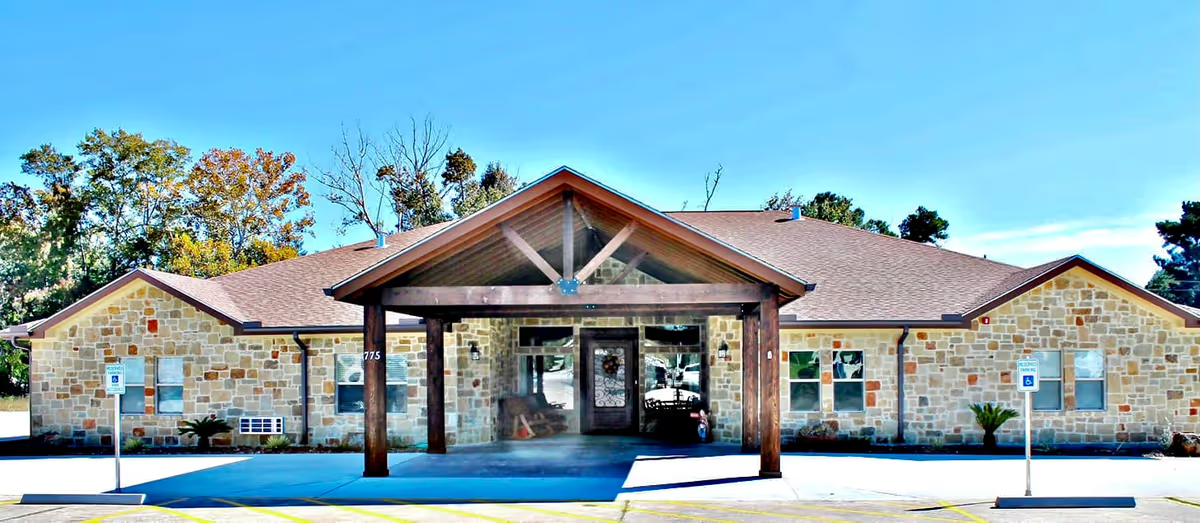
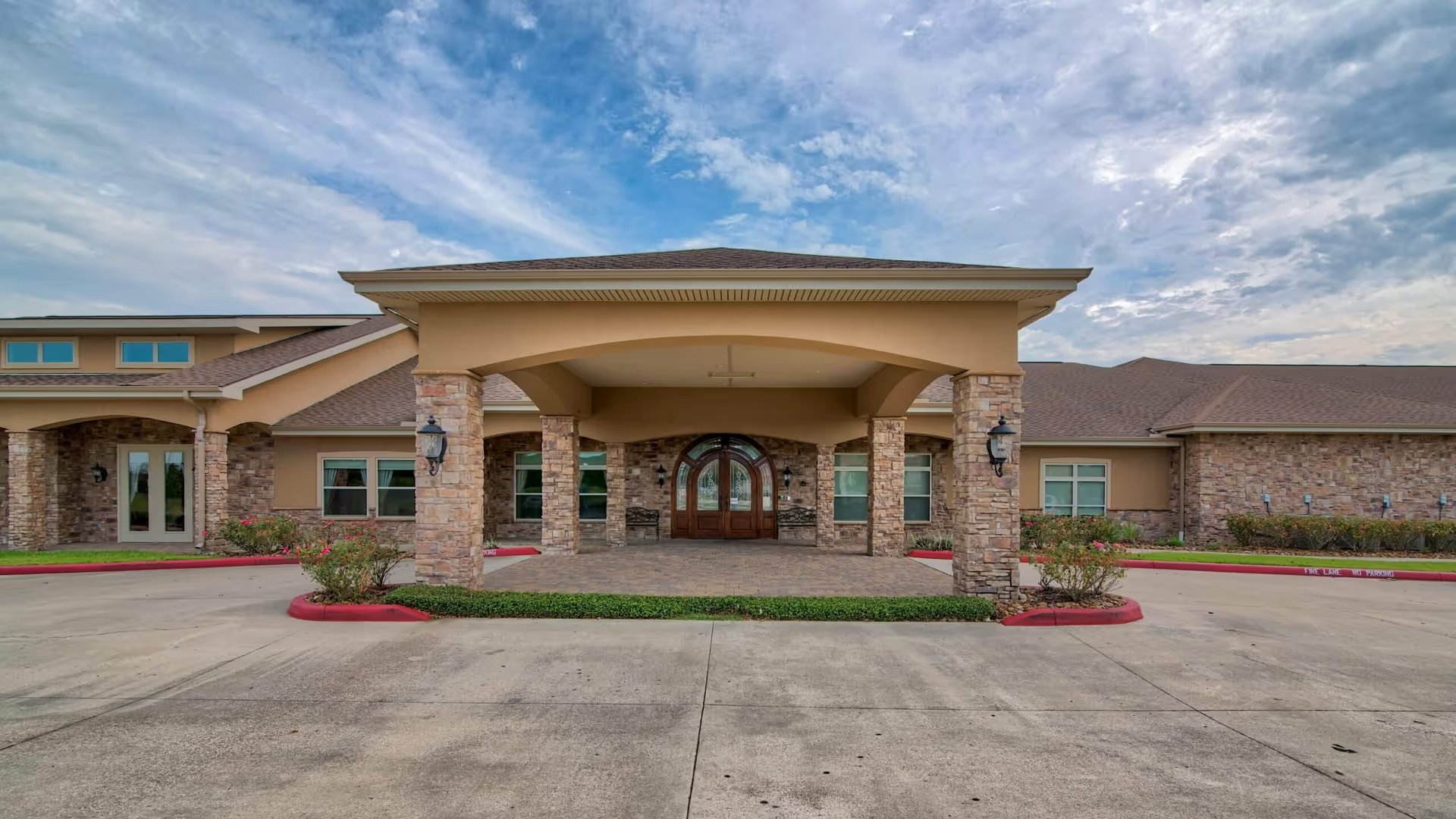
Facilities and environment Several reviewers noted improvements since a management transition, describing cleaner, more updated common areas and the availability of secure units and private-room options (including in-room TVs). Despite these improvements, cleanliness appears to vary by unit, so an in-person tour of intended living areas is recommended.
Notable patterns and recommendations for families Two distinct experience patterns appear: one group reports high satisfaction driven by caring staff and effective therapy, while another group reports significant dissatisfaction tied to staffing shortages, meal quality, and access to medical or social-work resources. Before committing, families should (1) tour the specific unit and observe mealtime service, (2) ask about night and nurse staffing ratios and contingency plans, (3) confirm physician coverage and access to specialty services, (4) identify the primary liaison or social-worker and their availability, and (5) discuss fees and what services are included to assess value. Visiting during different times of day can help reveal variations in staffing, dining, and overall atmosphere.