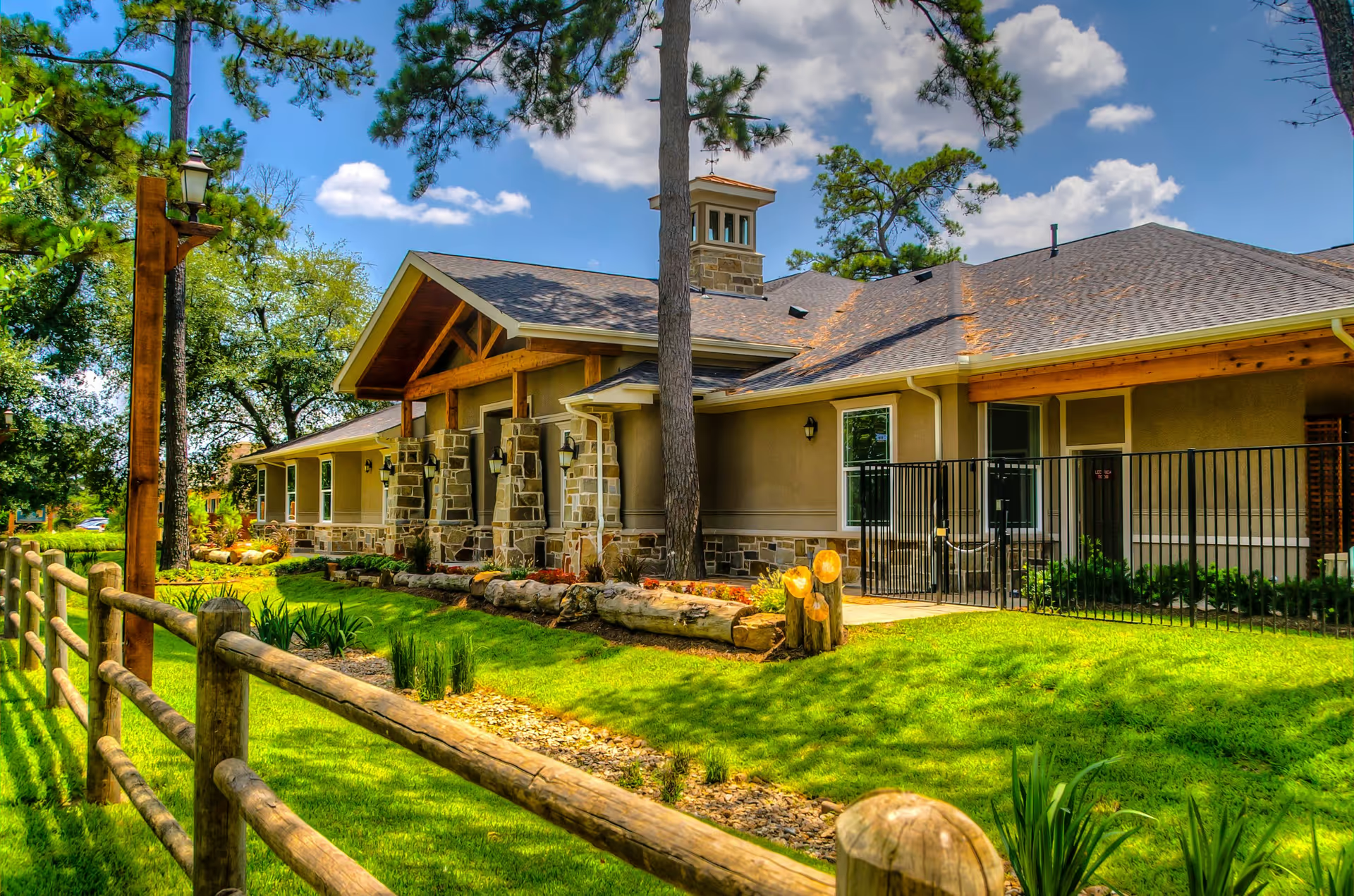
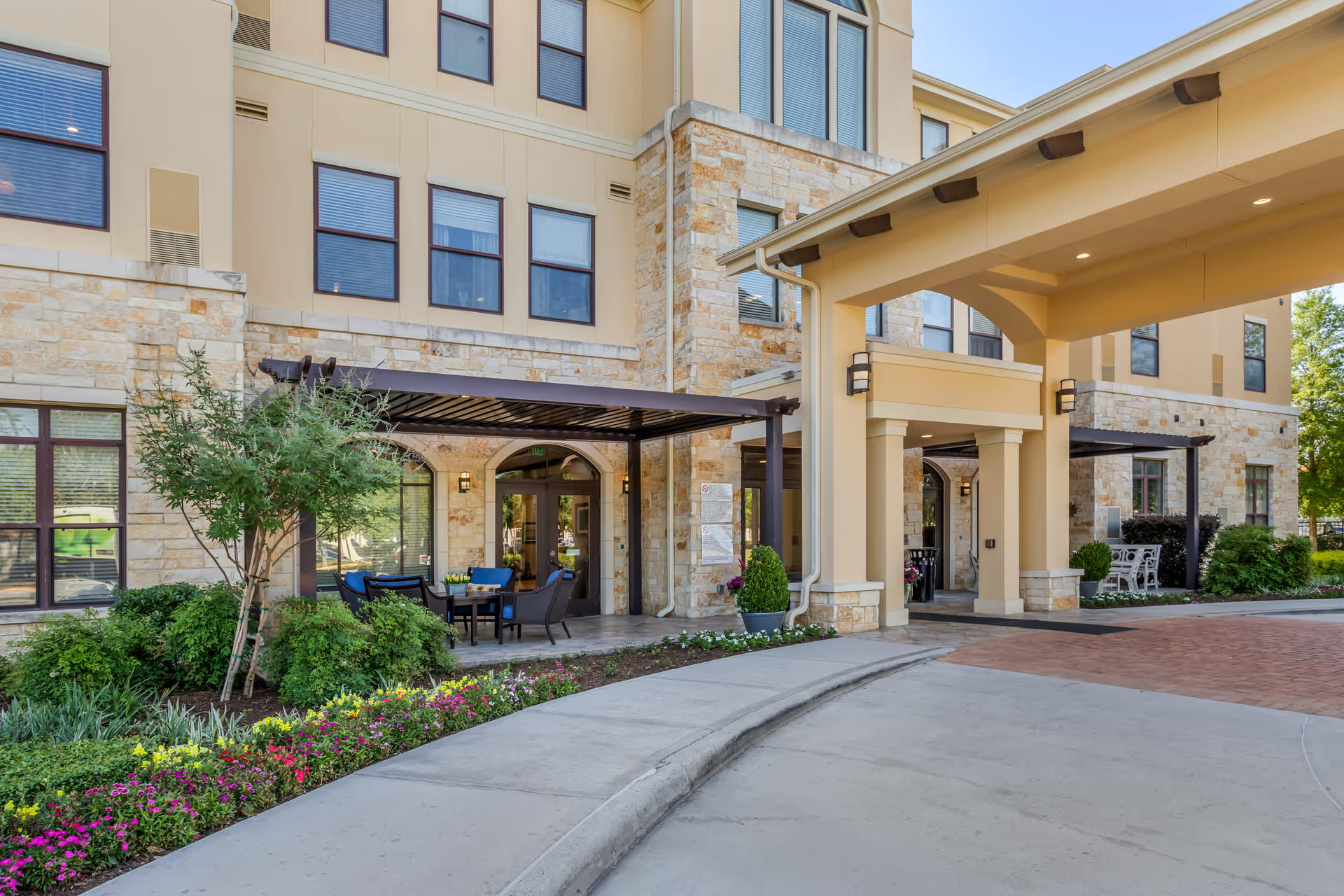
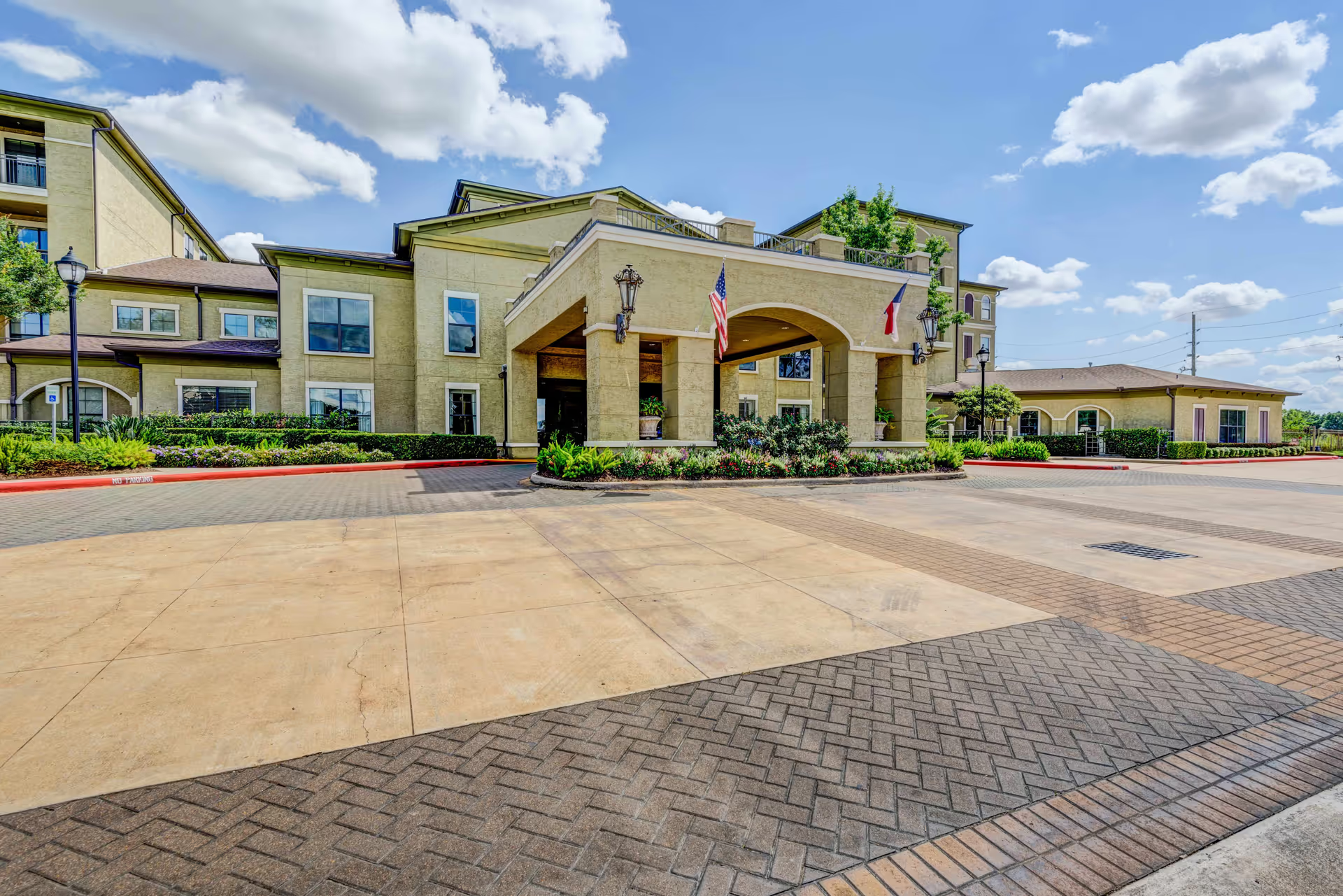
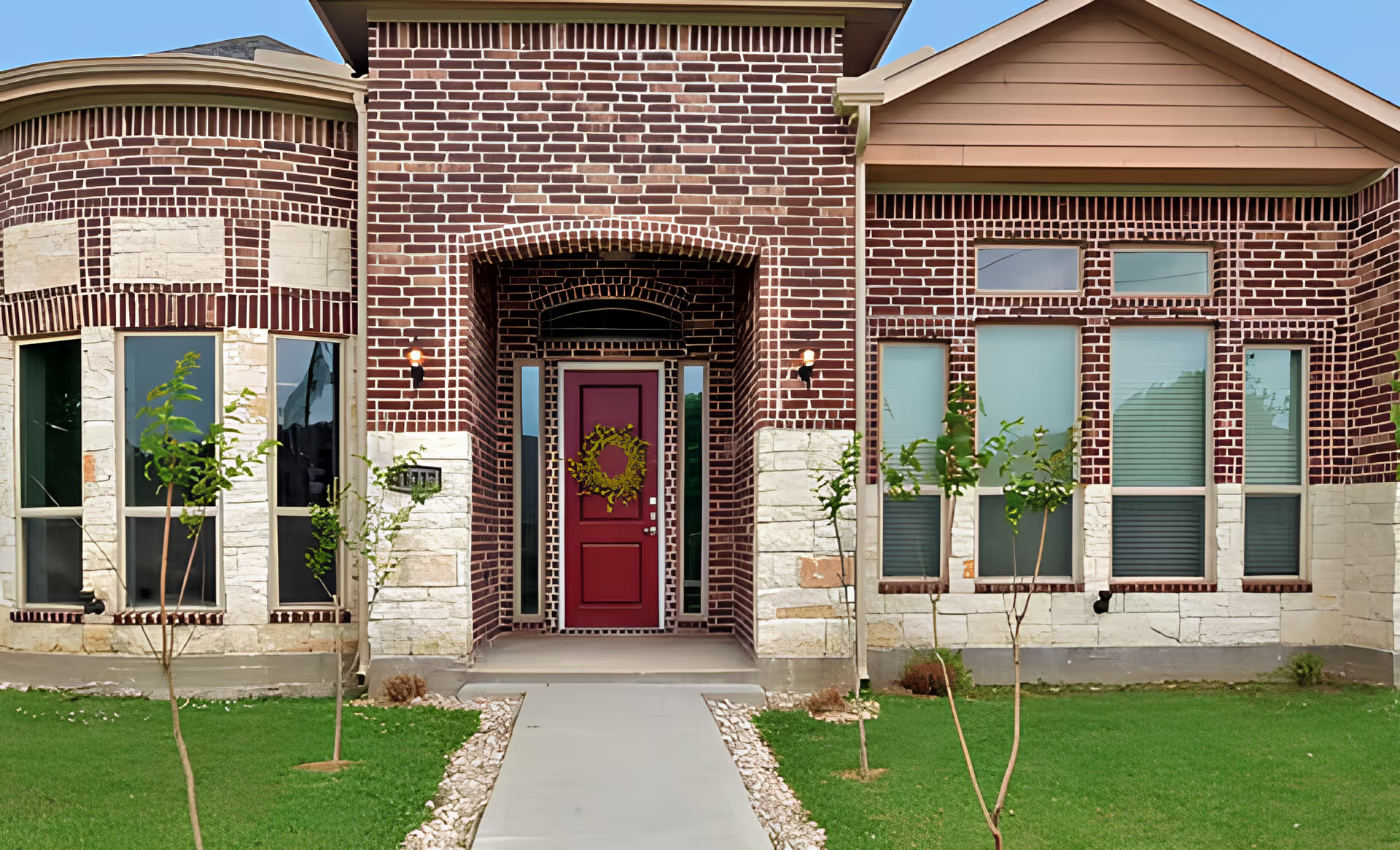
The Village at Gleannloch Farms presents as a full-service continuing care community with many strengths and a sizable portfolio of amenities. Reviewers consistently note strong, compassionate caregiving, a family-like atmosphere, and a well-appointed physical environment: landscaped grounds, remodeled apartments and cottages, a pool, salon, chapel, and multiple dining venues (formal dining room, bistro, cafeteria). The campus model — independent living, assisted living, memory care and a skilled nursing/rehab unit — is a frequent positive: families cite continuity of care and ease of transitions when care needs change.
Clinical services and rehabilitation are clear strengths in many accounts. The community has around-the-clock nursing coverage, an engaged therapy team (PT/OT) that achieves measurable rehab gains for some residents, and focused memory-support programming with dedicated staff. Many families praised individualized care coordination, the Wellness/Navigation offerings, and staff who know residents by name. Dining is regularly described as a highlight — diverse menus, large portions, special holiday meals and popular Sunday brunches — although there are also comments indicating variability in kitchen performance over time.
An extensive activities program and active social calendar are recurring positives. Residents benefit from frequent on-site events, outings to restaurants and cultural venues, fitness and wellness classes, and numerous small-group and individual activities that support social engagement. Admissions, marketing and certain leadership figures were often singled out for being helpful, communicative and accessible during transitions, which contributes to smoother move-ins for many families.
At the same time, reviews reveal operational weaknesses that prospective residents should evaluate closely. Staffing consistency and turnover are recurring concerns: several accounts describe thin staffing levels, new or inexperienced aides on shift, and slower response times to call buttons or requests — particularly overnight and on weekends. These staffing patterns are linked in some narratives to variability in clinical quality across units; while many families report excellent nursing care and rehab outcomes, others describe lapses in timely assistance, medication or equipment management, and hygiene schedules. There are also specific mentions of problems with clinical equipment availability and oxygen-management practices that point to gaps in supply or process control.
Management and contract issues appear as additional areas for inquiry. Some families noted unclear contractual language, large upfront buy-ins for independent living, and monthly fees that were higher than expected; others reported frustration with communication during infection-control events or when escalating clinical concerns. Apartment size and storage can be limiting in certain floor plans (notably smaller two‑bedroom units), and pet owners should confirm outdoor amenities because fenced pet areas are limited.
In summary, Gleannloch Farms offers a robust continuum of care, strong rehabilitation services, an active activities program, attractive facilities and many staff members who deliver compassionate, personalized attention. However, there is notable variability in operational execution: staffing consistency, response times, unit-level clinical oversight, contract clarity, and periodic dining or sanitation fluctuations. Prospective residents and families would be well advised to tour the specific unit they are considering, ask targeted questions about staffing ratios and turnover, clarify contract and buy-in terms, review recent inspection or quality metrics for the specific care level (memory care or skilled nursing), and request current examples of clinical equipment and emergency process management before making a decision.