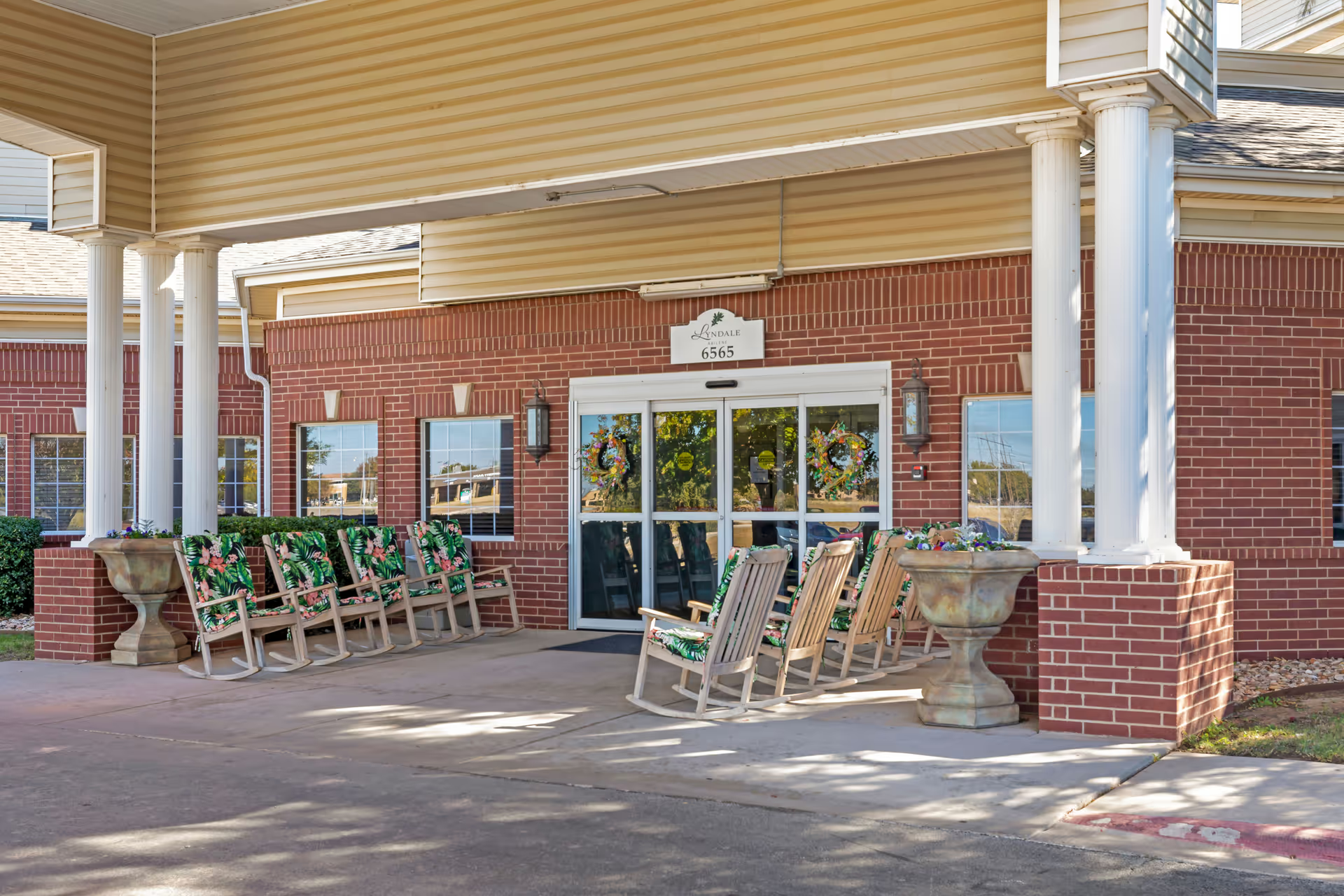
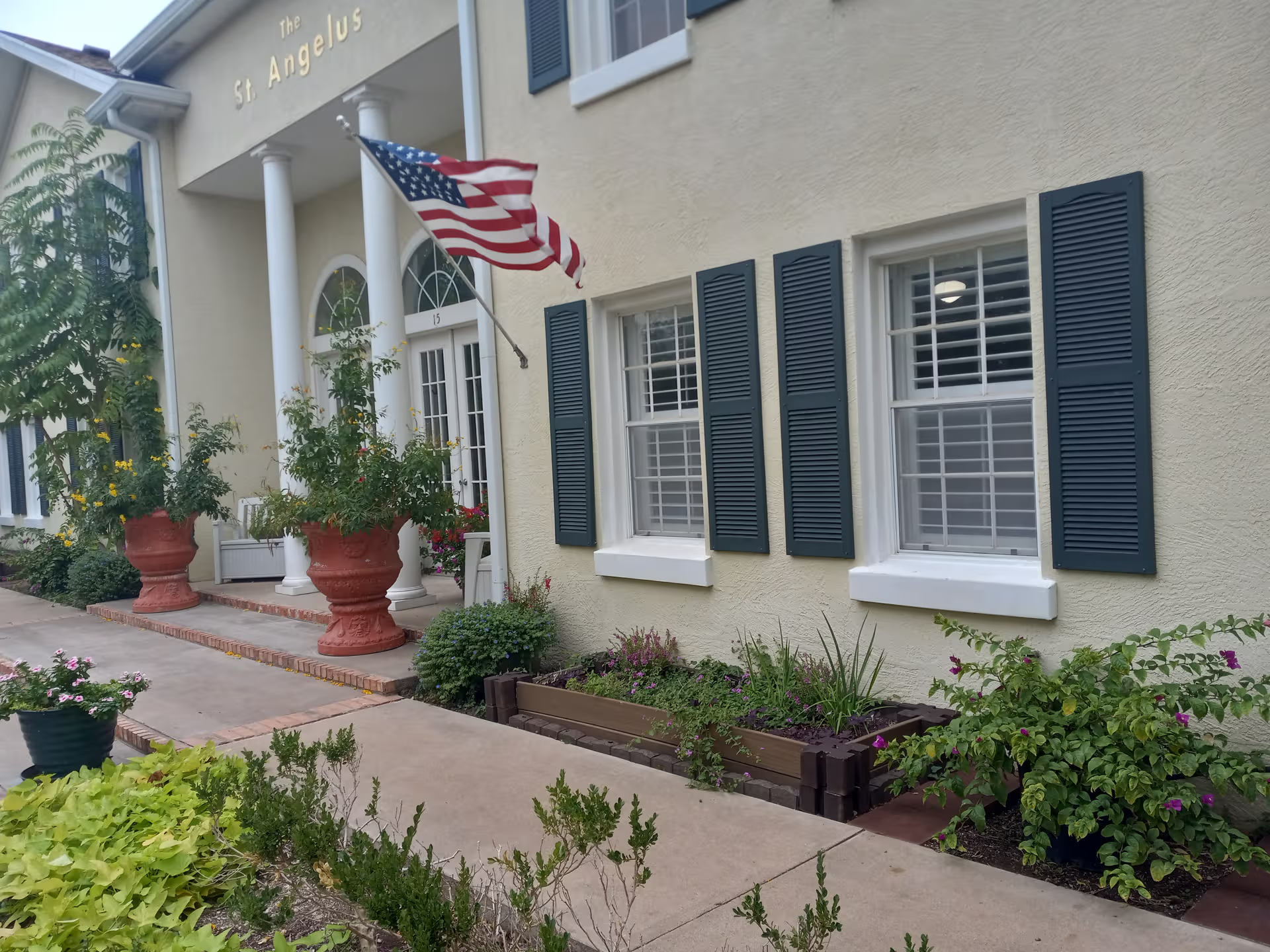
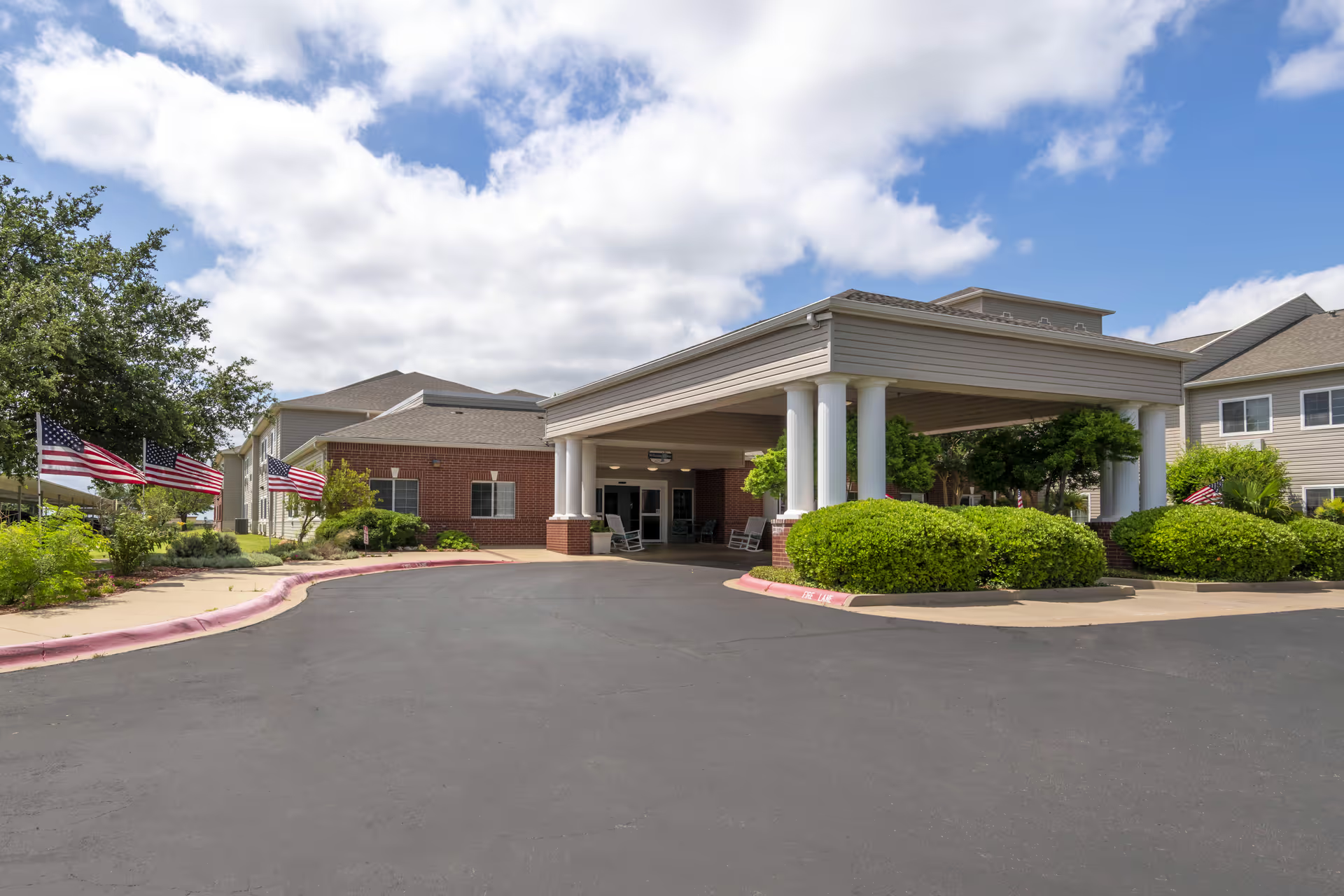
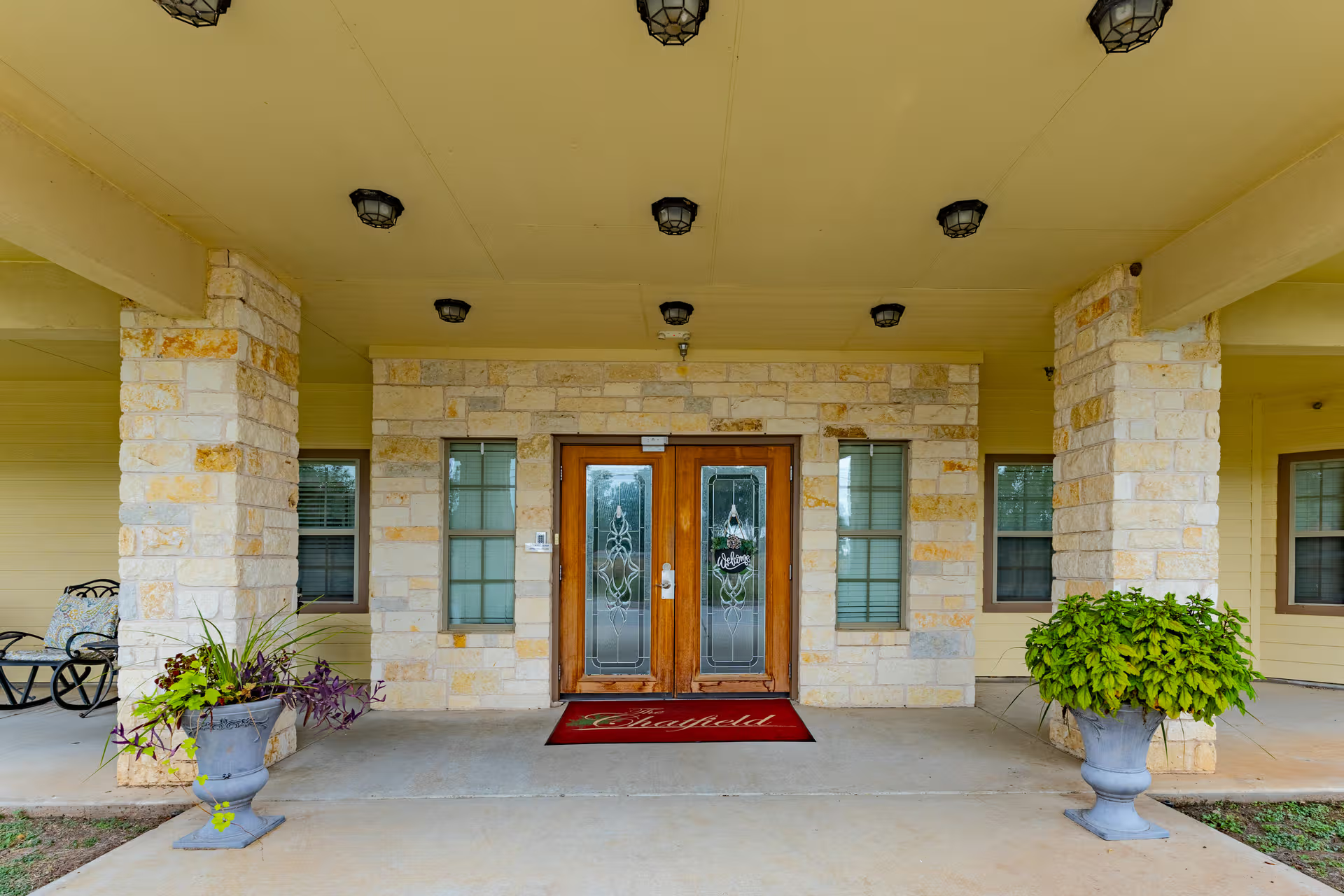
Overall impression: The facility presents as a well-kept, home-like skilled nursing and rehabilitation setting with a strong emphasis on social programming and resident engagement. Review-derived themes emphasize a warm, family-oriented culture, attentive housekeeping and maintenance, and a robust activity calendar that includes music, crafts, outings, chapel services, and special events. Dining is consistently described as home-style and well-liked by residents, with a spacious dining area and communal seating that supports social interaction.
Care and clinical oversight: Many families and visitors praise the nursing staff, therapy team, and department leadership for compassion and competence; the Director of Nursing, assistant directors, and a noted FNP receive positive remarks for responsiveness and clinical presence. That said, there are recurring observations indicating variability in clinical knowledge and care planning. These comments point to occasional gaps in care coordination or individualized care plans rather than systematic regulatory failures. For prospective residents with higher-acuity rehab needs, reviewers indicate variability in suitability and outcomes; families considering complex rehabilitation should confirm clinical staffing and therapy goals during the admissions process.
Staff and management: The staff culture is repeatedly described as friendly, upbeat, and team-oriented. The administrator and admissions contacts are singled out for clear communication, helpful virtual tours, and visible involvement. Activity leadership is a consistent strength; the Activity Director is frequently characterized as dedicated and proactive. Where critical notes appear, they center on intermittent issues with staff patience or communication tone, suggesting variability across individual caregivers rather than a uniform pattern of behavior.
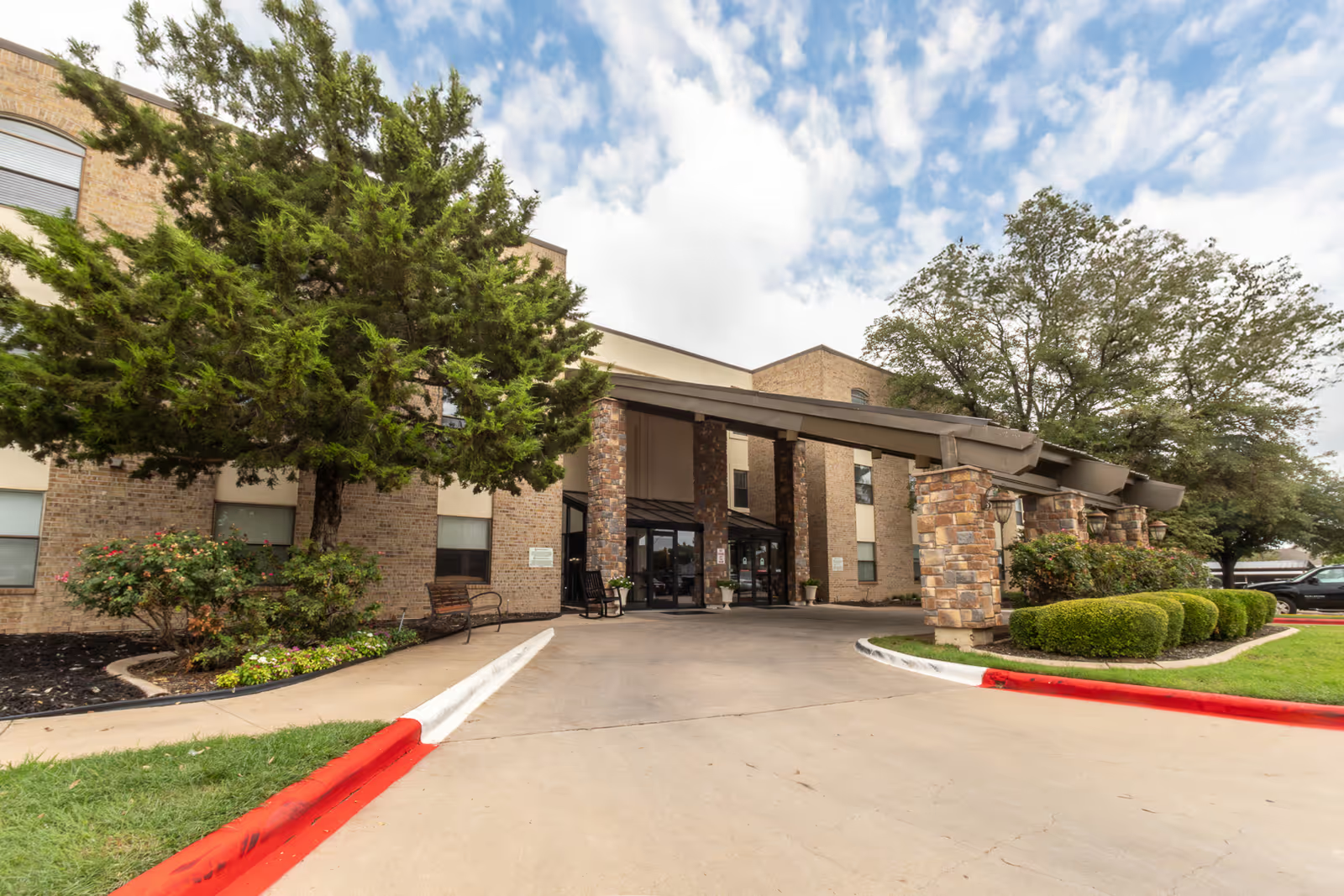
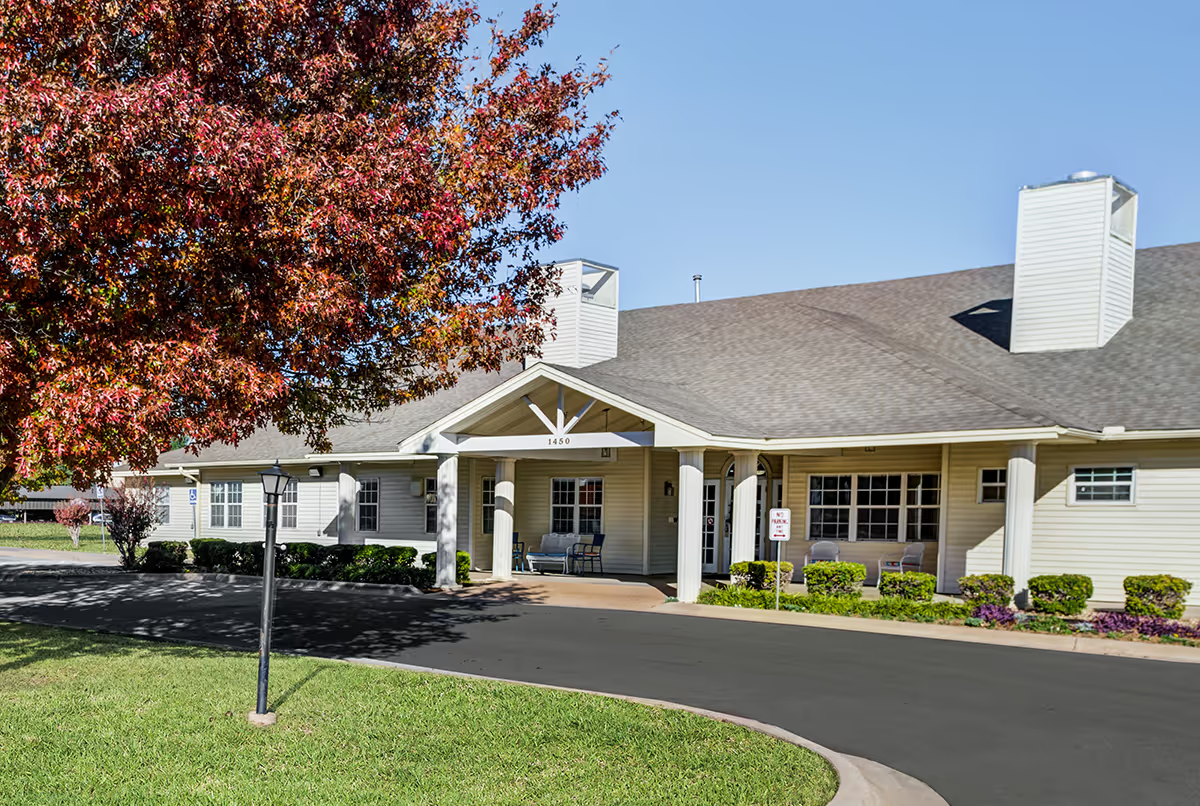
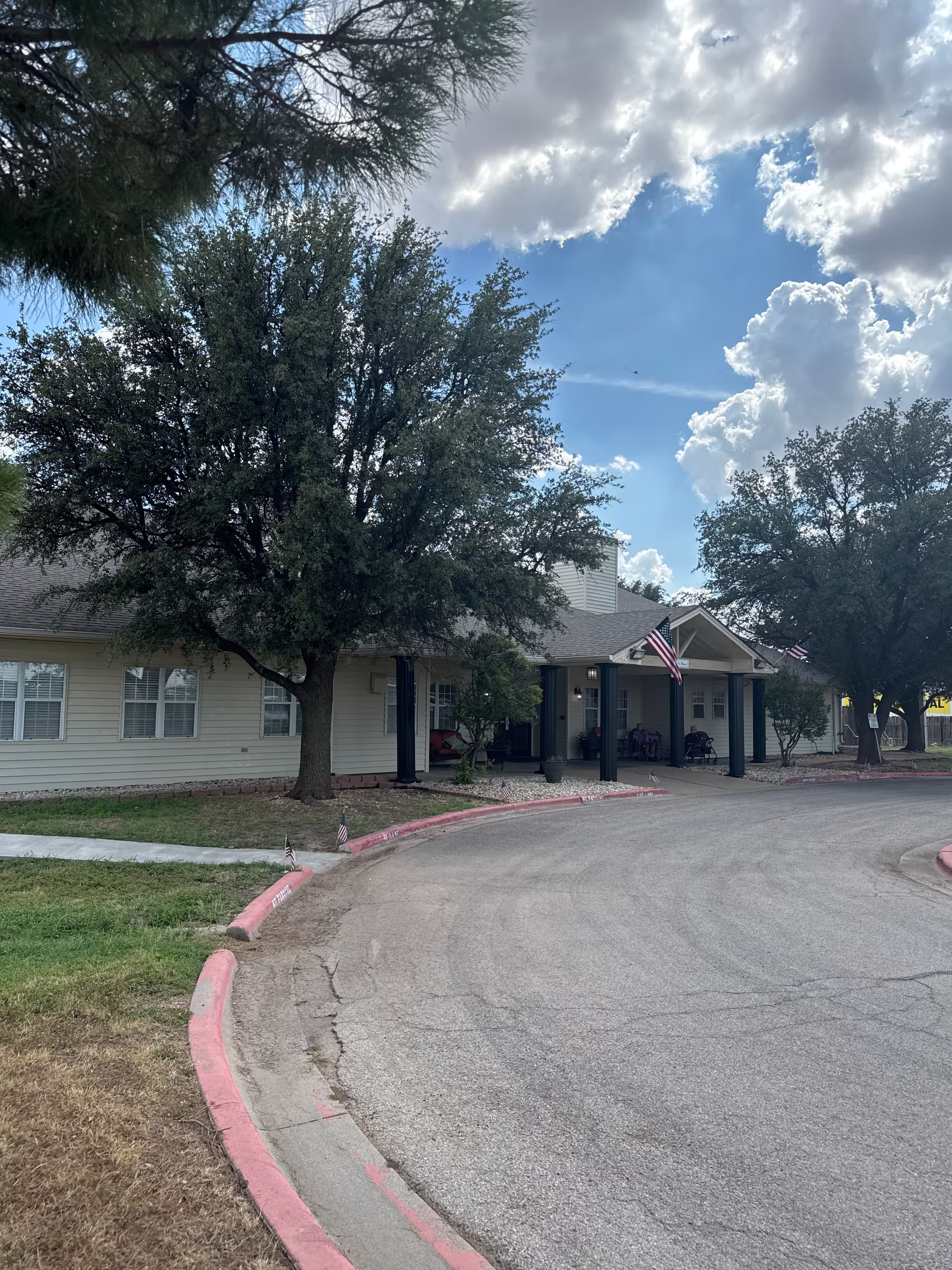
Facilities, dining, and housekeeping: The physical plant is described as clean, well maintained, and tastefully decorated; outdoor patio space and a roomy dining area are highlighted as assets. Housekeeping and kitchen staff receive positive mention, and meal quality is a commonly cited strength. A proactive infection-control orientation and organized kitchen operations are also noted. Operationally, families should verify environmental controls and unit-level comfort: a small number of accounts indicate inconsistency in room temperature management.
Operational/communication issues to verify: While the majority of feedback is positive, several practical operational issues recur and merit verification during a tour. These include intermittent problems with phone and internal communication systems and variability in clinical planning or handoff processes. Prospective families should ask about current strategies for clinical care coordination, staff training, and contingency plans for communication outages.
Bottom line: Sterling Hills appears to offer a strong social environment, well-maintained facilities, popular dining, and an active, resident-centered activity program supported by generally compassionate clinical staff and engaged management. For most long-term and rehabilitation needs the facility is favorably described, but families seeking high-acuity rehab or tightly coordinated clinical plans should assess current clinical staffing, care-planning processes, and local infrastructure (phone/service reliability and temperature controls) during the decision process.