Overview: Windsor Rehabilitation and Healthcare presents a mixed but clearly polarized profile. Many families and residents praise the facility’s rehabilitation services, engaged activities program, pleasant physical environment, and staff who create a home-like atmosphere. At the same time, multiple accounts describe operational weaknesses that can affect clinical reliability and resident safety. Prospective residents should weigh the facility’s strong therapy and social programs against recurring concerns about staffing and clinical processes.
Care quality and clinical oversight: The facility’s therapy department and PT/OT teams receive consistent positive feedback for helping residents recover function and regain independence. Nursing and aide staff are often described as compassionate and attentive; several families said staff took time to know residents and provided meaningful daily updates. However, a number of accounts point to inconsistent clinical oversight — most notably problems with medication administration, wound-prevention protocols, and the management of respiratory equipment. These issues have been associated with delayed responses to clinical changes and, in some instances, escalation to hospital care. There are also recurring remarks about weekend and night coverage gaps that can affect continuity of care.
Staff, conduct, and leadership: Many reviewers commend frontline caregivers, therapists, and activities staff for warmth and engagement. Admissions and business-office personnel are frequently noted as helpful and communicative. Conversely, there are repeated concerns about chronic understaffing, staff turnover, and uneven leadership performance. A small number of serious allegations concerning administrator conduct and billing practices appear in the record; such claims may warrant further inquiry by families and regulators. Overall, leadership is described as supportive by some families and inconsistent by others, producing divergent family experiences.
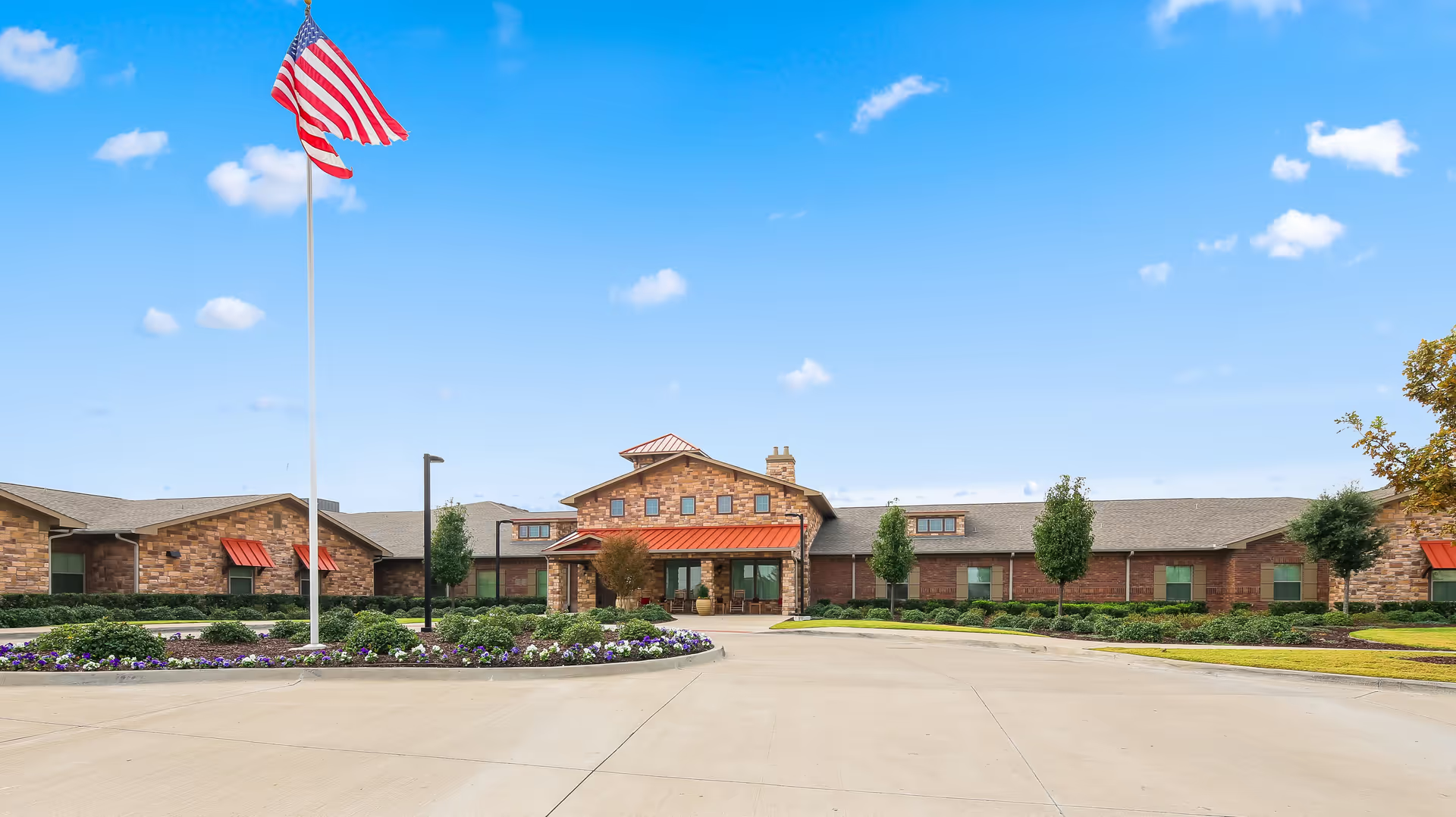
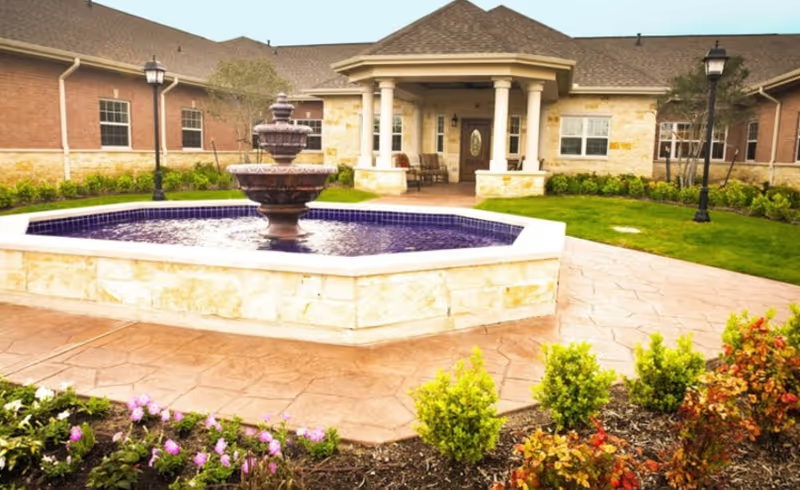
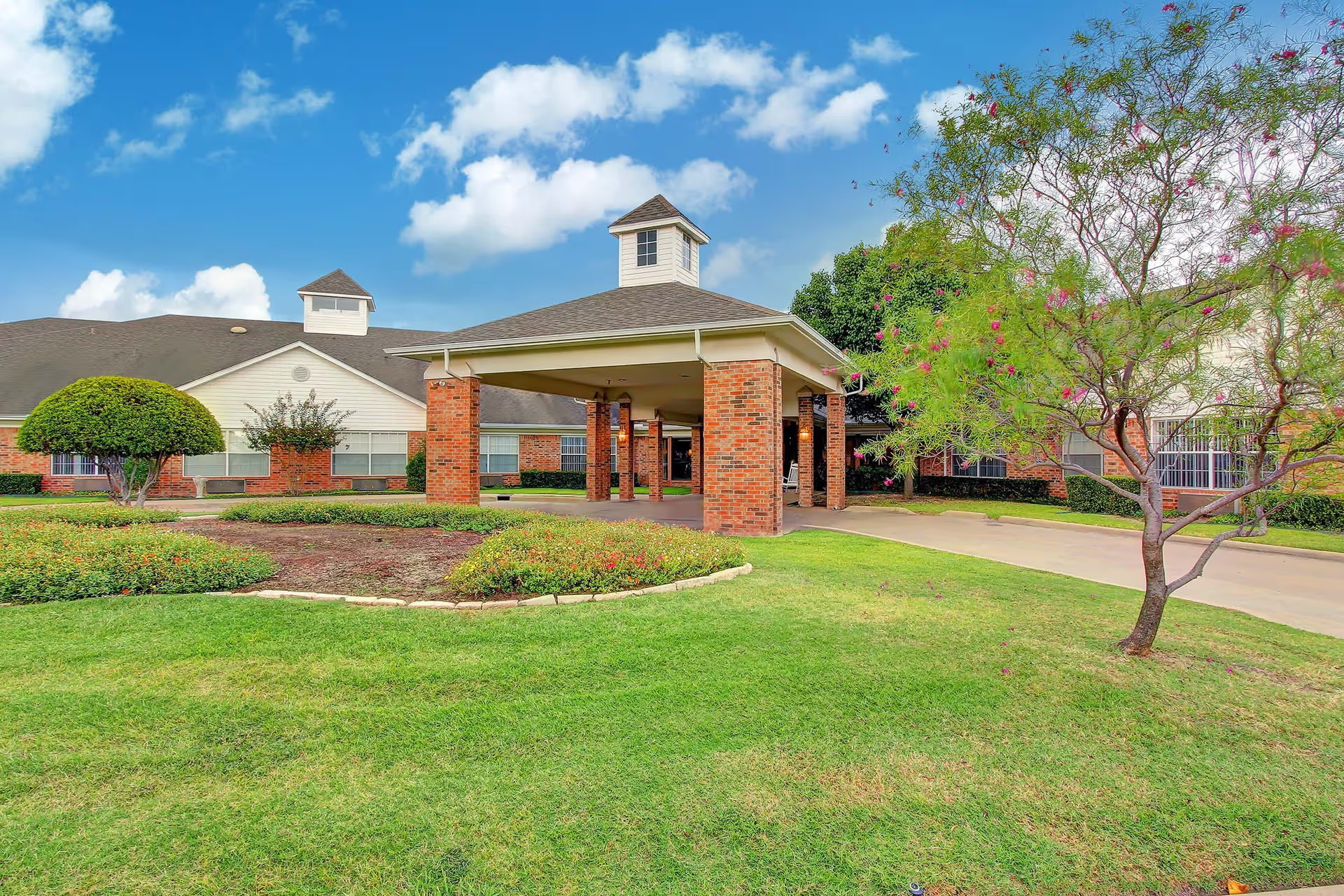
Dining and daily living: The facility’s kitchen is recognized for accommodating dietary needs, including diabetic-friendly options, and some families praise meal quality. At the same time, other accounts describe inconsistent meal preparation and difficulties accommodating dentures or special diets. Cleanliness and an updated physical plant are frequently mentioned as strengths — the building, decor, and amenities (for example, an on-site salon) contribute to a pleasant environment — but there are intermittent sanitation and odor concerns noted in some reports that should be monitored.
Activities, community life, and environment: Activities are a clear strength: a varied calendar, regular group programs (bingo, music/exercise, reading programs), family nights, and resident-run social opportunities are all highlighted. These programs contribute to social engagement and a community feel that many families found therapeutic and reassuring. Facility renovations and a generally welcoming atmosphere are additional positive markers.
Safety, communication, and notable patterns: A recurring operational pattern across accounts is staffing shortfalls that correlate with delays in call responses, missed care tasks, and safety events such as falls. Several reviewers described issues with equipment management (notably oxygen concentrators and related supplies) and gaps in fall- and wound-prevention practices. Communication quality is uneven: some families praised clear, timely updates and coordination of visits, while others reported difficulty obtaining explanations about clinical events, billing, or missing items. Because experiences vary substantially between families, prospective residents should ask for up-to-date staffing ratios, review recent incident and quality reports, tour during different shifts, and speak directly with therapy and nursing leadership about clinical protocols and emergency/respiratory equipment procedures.
Bottom line: Windsor offers strong rehabilitation services, an active activities program, and a generally clean, welcoming environment with many compassionate staff members. These strengths are counterbalanced by operational risks tied to staffing, clinical-process consistency, and occasional management or communication problems. Families seeking rehabilitation or long-term placement should weigh the facility’s therapy and community advantages against the documented variability in clinical reliability and safety-related practices, and follow up with targeted questions during the admissions and tour process.