The review set describes a facility with clear strengths in hands-on caregiving and rehabilitation, alongside operational weaknesses that prospective families should evaluate. Many reviewers highlight a compassionate, family-oriented culture among nursing staff, CNAs, and therapists. The therapy department receives repeated praise for helping residents regain mobility and return home; several accounts cite intensive therapy schedules and successful transfers from bed to ambulation. Housekeeping, dietary services, laundry, and several administrative staff members are frequently characterized as attentive and professional, and social programming and family events contribute to a home-like atmosphere for many residents.
At the same time, the reviews show inconsistent experiences. Staffing variability is a recurring theme: while some shifts and units are described as well-staffed and proactive, others are described as understaffed with resulting delays in response and care. Relatedly, there are multiple mentions of communication and care-coordination failures — examples include discharge paperwork errors, wrong orders being sent, and primary-care oversight lapses — which point to systemic process weaknesses rather than isolated clerical mistakes. A subset of reviews raises concerns about clinical oversight and infection prevention; a few reviewers describe serious clinical outcomes that warrant direct inquiry and review of inspection records during a pre-placement evaluation.
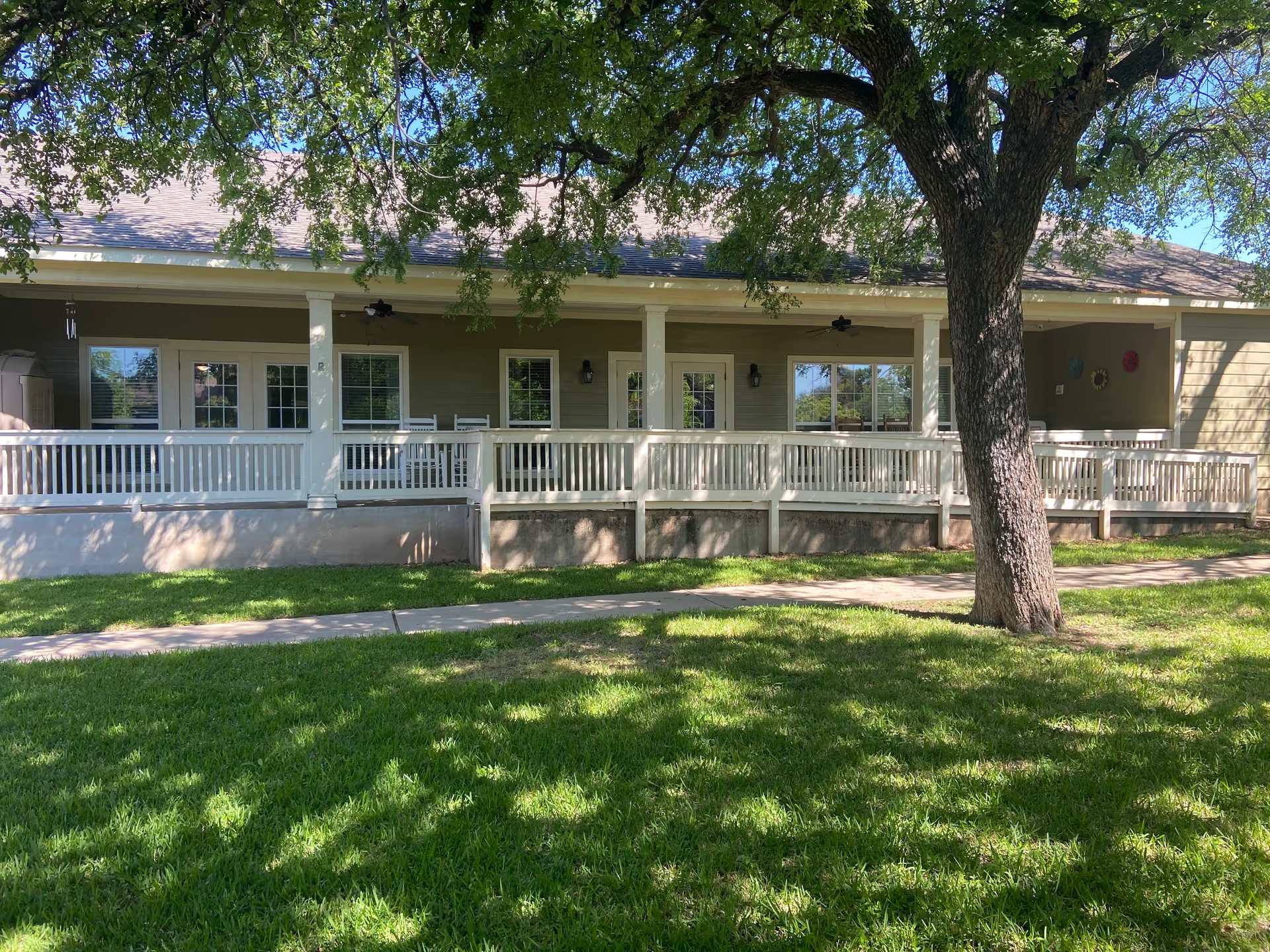
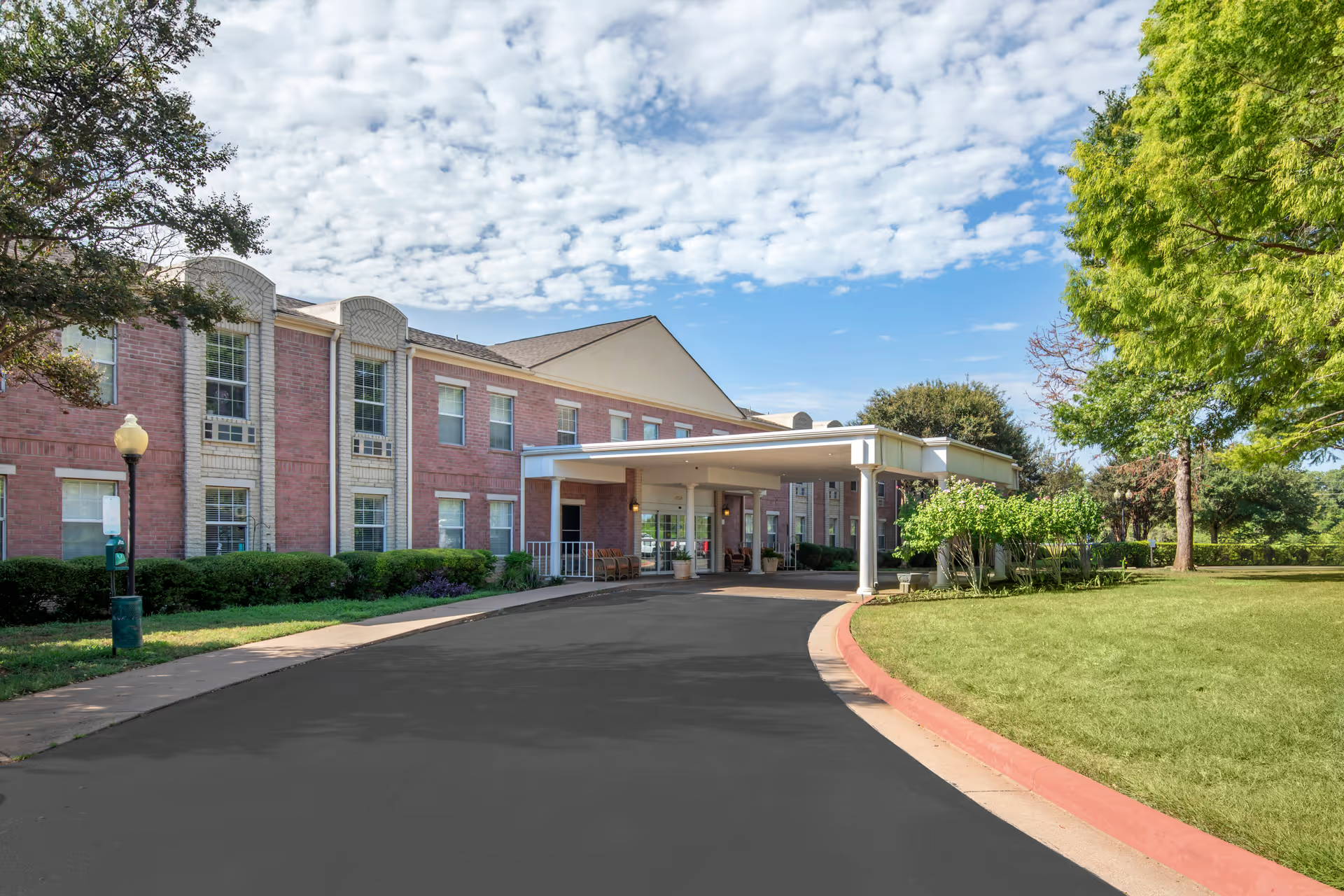
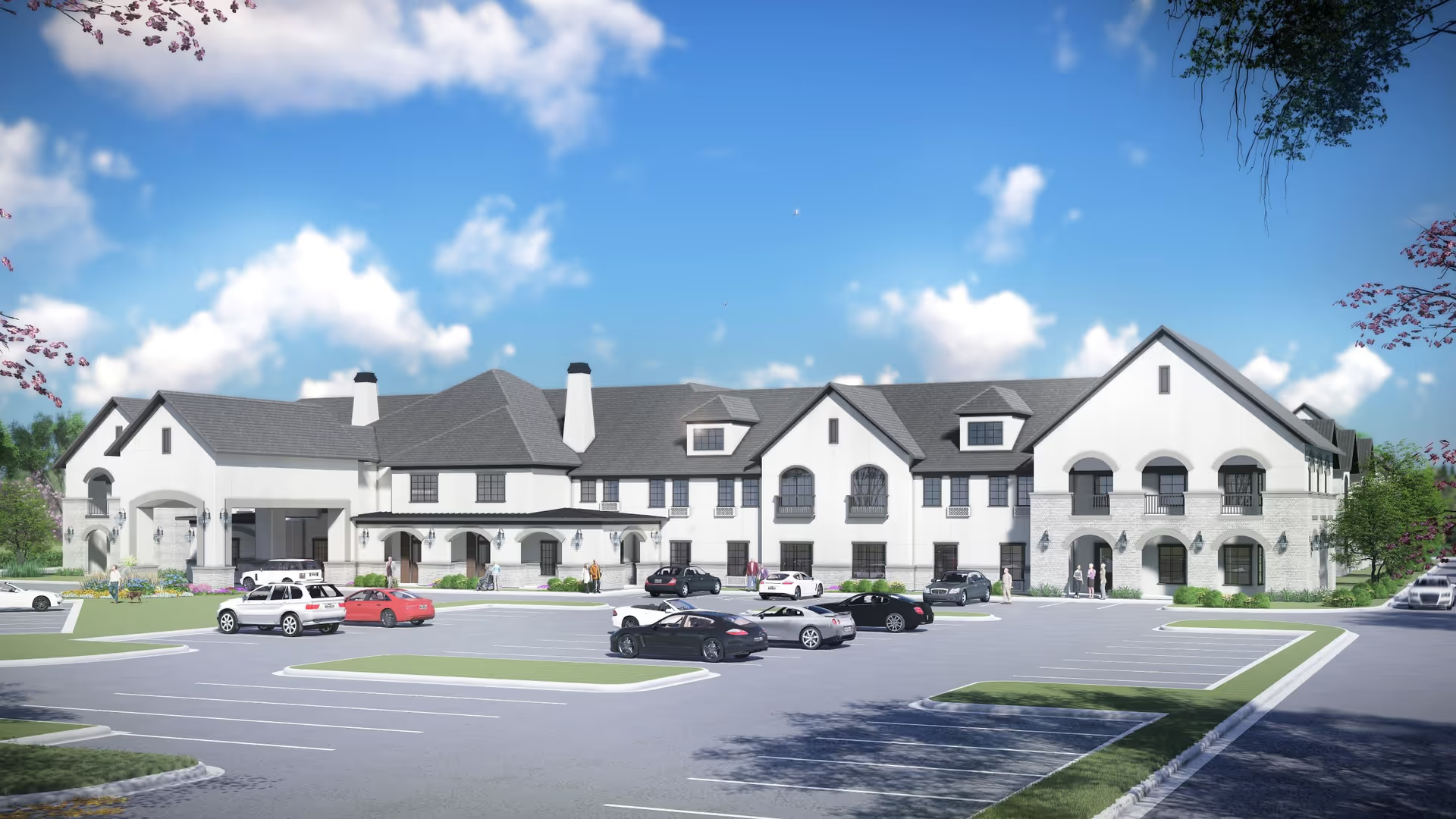
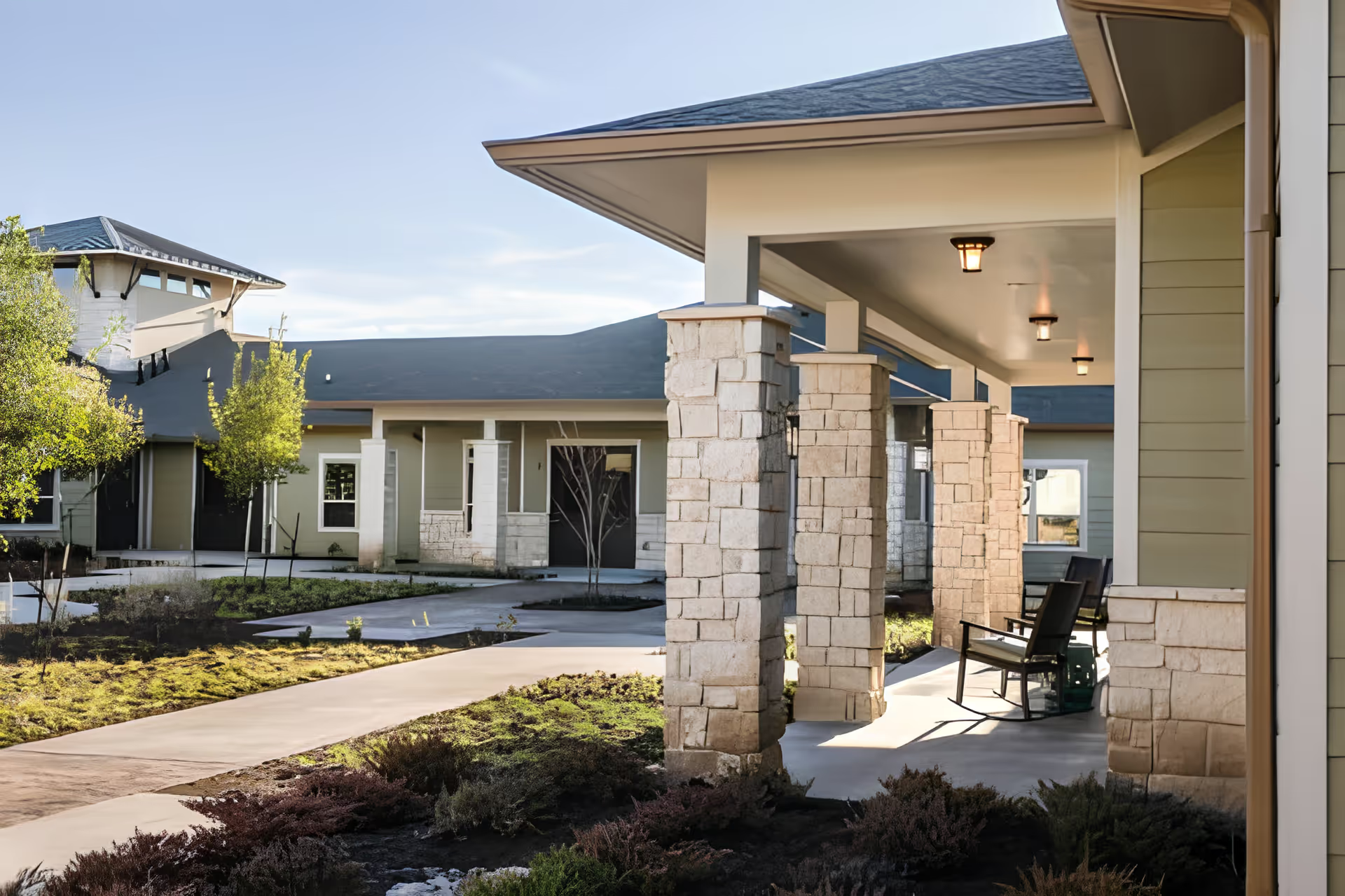
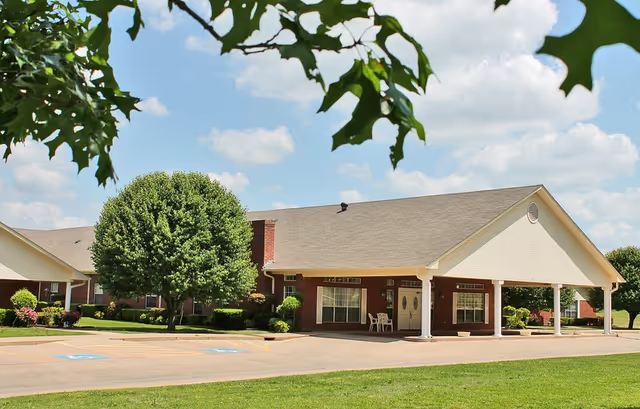
Cleanliness and facility condition are another area of mixed feedback. Interior housekeeping and many individual rooms receive positive comments for cleanliness and thoughtful amenities, yet other accounts cite sanitation issues, odor concerns in common areas, and pest-control concerns. The exterior and some building elements are described as dated, which affects curb appeal and may influence family impressions. Dining receives generally positive remarks for food quality and accommodation of dietary needs, though isolated comments indicate variability in meal-service continuity and presentation.
Management and leadership are often singled out positively by reviewers who note responsive administration, problem resolution, and a focus on training and improvement. Conversely, other reviewers describe inconsistent managerial follow-through and variable conduct by specific counseling or charge-nurse staff, which suggests uneven application of facility policies across shifts or units. These contrasting impressions indicate that culture and performance may be strong in some teams while weak in others.
For prospective residents and families: arrange an on-site tour that includes inspection of both interior and exterior spaces, a meal sampling, and meetings with therapy, nursing leadership, and the social worker. Ask for current staffing ratios, recent inspection/survey results, infection-control policies, examples of discharge paperwork processes, and turnover statistics for direct-care staff. Request references from recent families whose care goals align with yours (short-term rehab, long-term care, memory care) so you can better understand consistency of care across different units and shifts. Overall, the facility demonstrates substantive clinical and rehabilitative strengths, but variability in operational consistency means due diligence is important prior to placement.