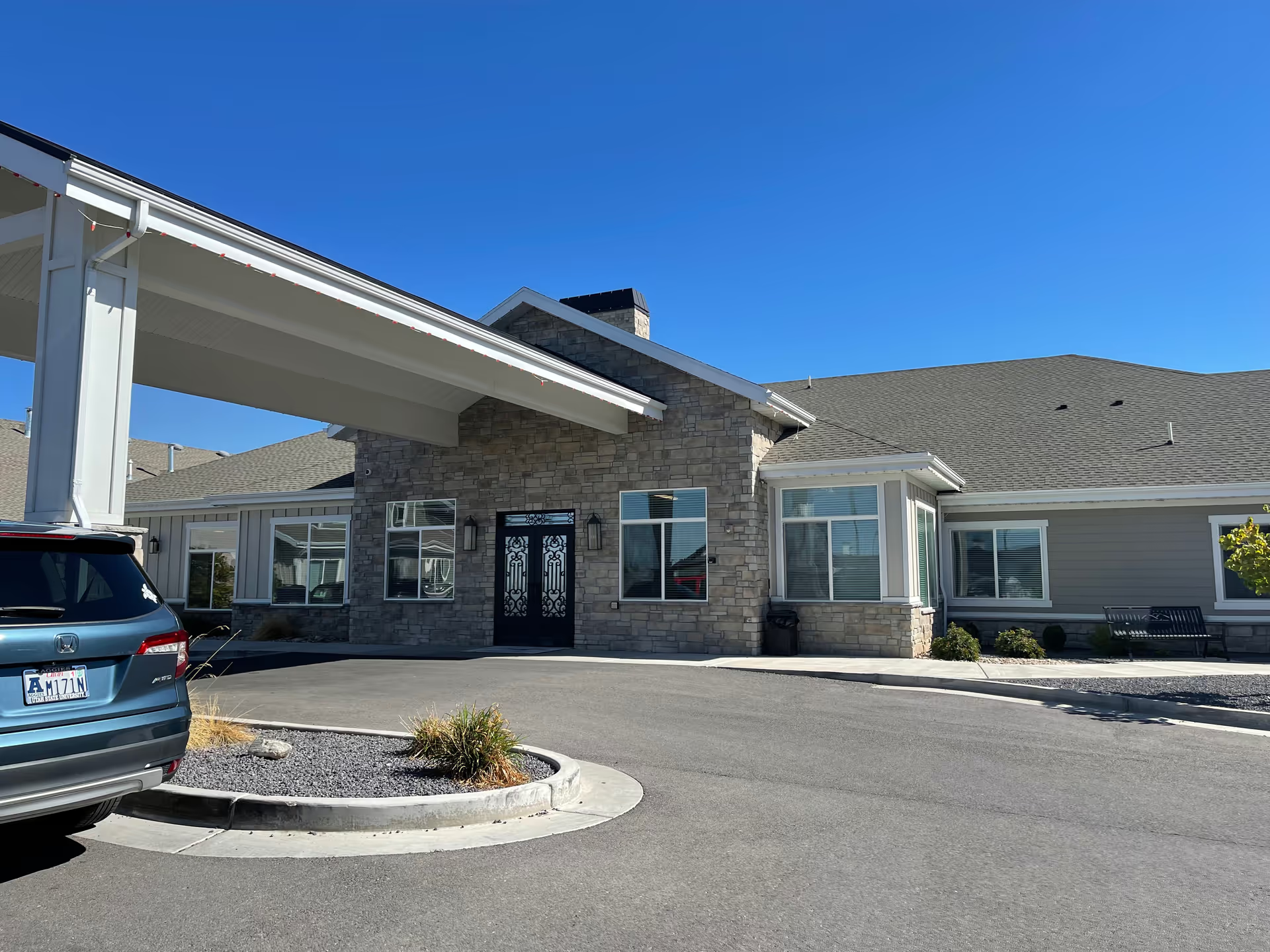
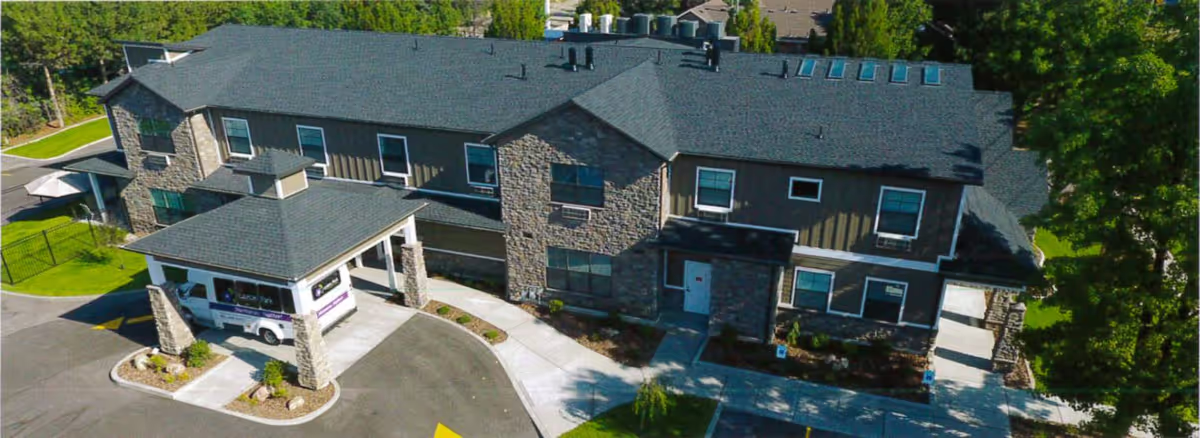
The reviews present a mixed but instructive picture of Thatcher Brook Rehabilitation and Care Center. Many families and residents praised the facility's rehabilitation services, therapeutic staff, and dining program: physical and occupational therapy, daily speech therapy, in-house pool therapy, and gait training are repeatedly described as effective, with therapists who tailor programs and deliver measurable progress. Dining is frequently highlighted as a strength — scratch-made meals, varied menus, desserts, and an overall positive dining experience. Rooms and the general environment are also notable positives: clean, bright, spacious private rooms with large windows and useful assistive features such as power recliners and large-number clocks.
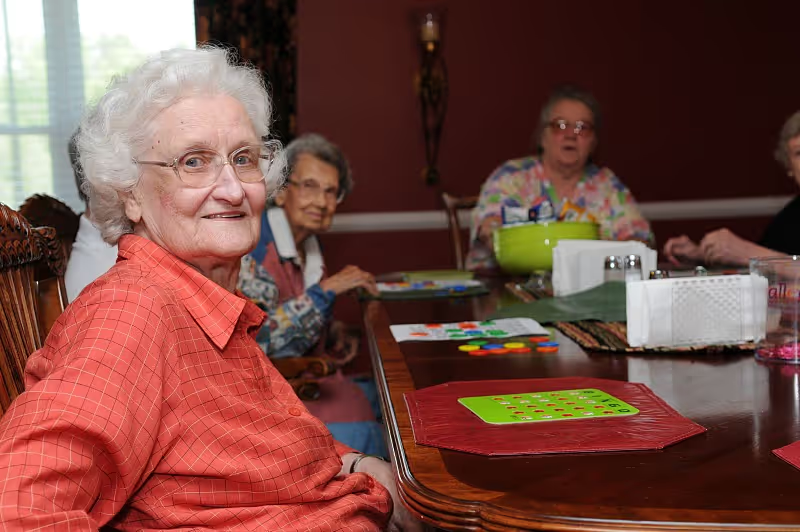
Clinical care and frontline staff receive generally strong commendations alongside the therapy praise. Numerous comments describe CNAs and nurses as compassionate, attentive, and capable, and reviewers note helpful administrative responsiveness and effective discharge planning. Transportation staff and some members of leadership were singled out for courteous, supportive interactions. Activity programming and a welcoming atmosphere are also mentioned positively when present.
However, a set of recurring operational concerns temper these strengths. Several reviewers described delays in attending to residents' immediate needs, including call-bell responsiveness, missed meals or hydration opportunities, and delays during transfers. These anecdotes point to gaps in transfer-safety practices and incontinence-care timeliness. There are consistent comments suggesting variability in medication administration and monitoring (including concerns about dosing and vital-sign/oxygen monitoring), and a small number of reviewers described incidents they perceived as creating serious safety risk — indicating a need for stronger clinical oversight and clearer escalation protocols.
Communication and staffing consistency emerged as additional themes. Multiple accounts describe breakdowns between day and night shifts, and family‑staff communication challenges; reviewers also noted variability in staff training and supervision across shifts, and inconsistent accommodation of allergies and dietary needs. Some environmental and comfort issues were mentioned irregularly, including odor concerns in entry or common areas and occasional temperature-control complaints, as well as reports of limited supervision at night.
For prospective residents and families: the facility offers notable strengths in rehabilitation, therapy, dining, and many examples of dedicated caregiving. At the same time, the pattern of concerns points to operational areas that merit inquiry during a tour or care-planning discussion — specifically responsiveness to call lights and transfer procedures, medication administration and monitoring protocols, allergy and dietary management, staffing consistency across shifts, and how the facility coordinates handoffs and family communication. Asking for documentation of transfer-training, staffing ratios by shift, medication administration checks, and examples of recent quality-improvement actions may help evaluate how the facility addresses the weaknesses reflected in these reviews.