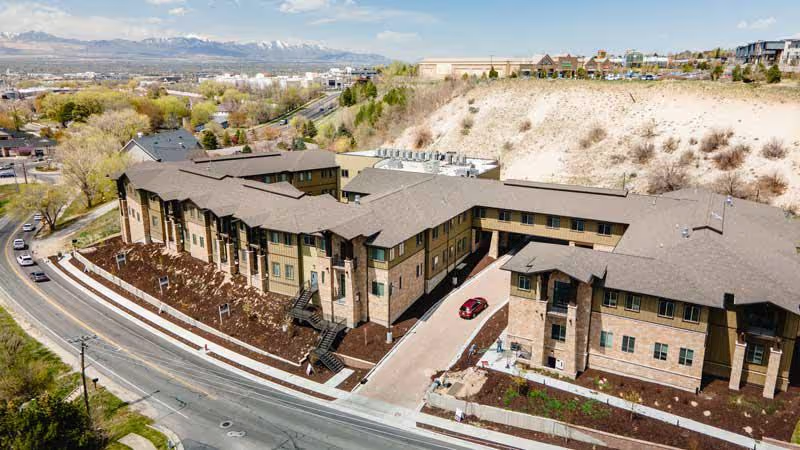
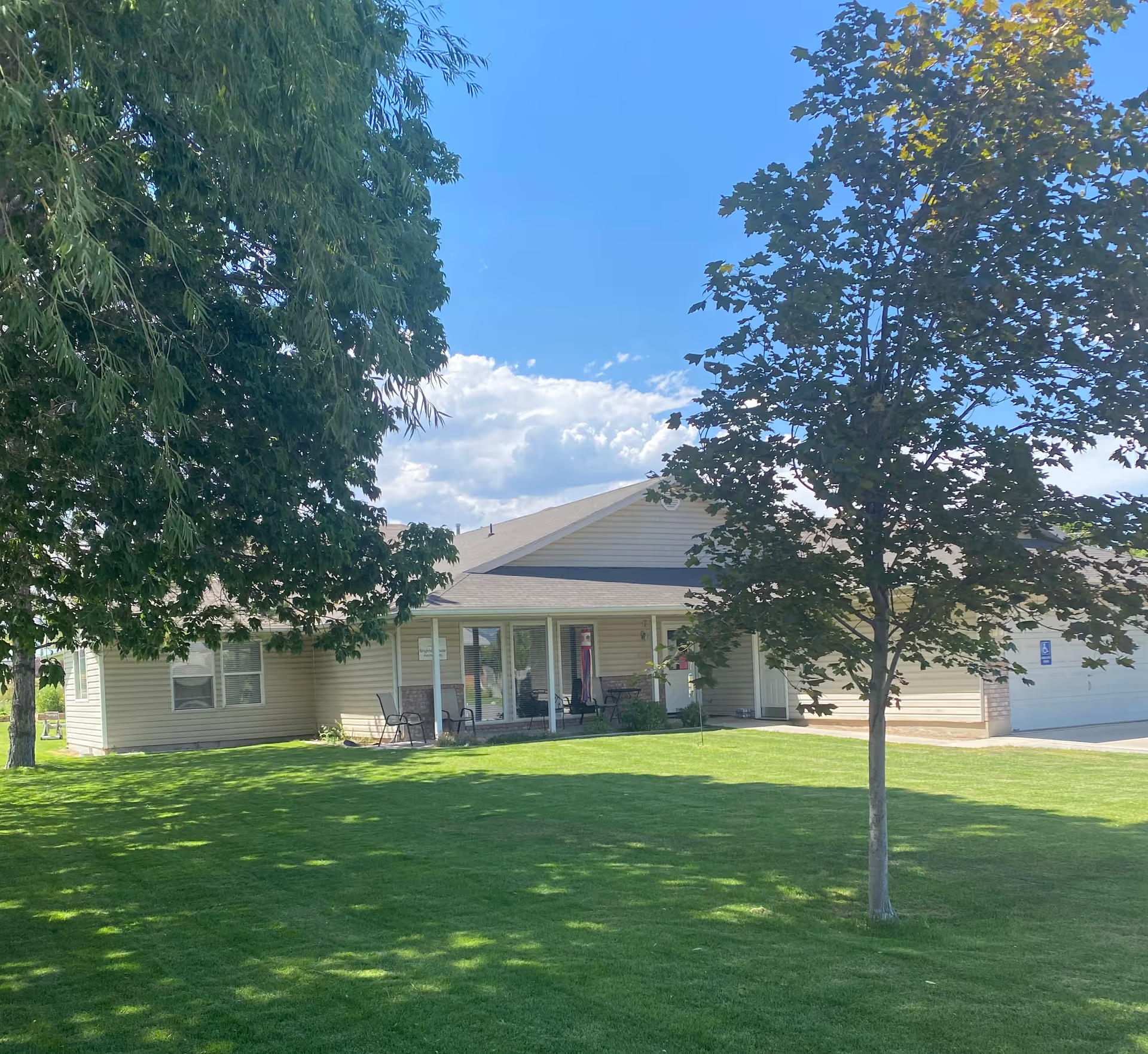
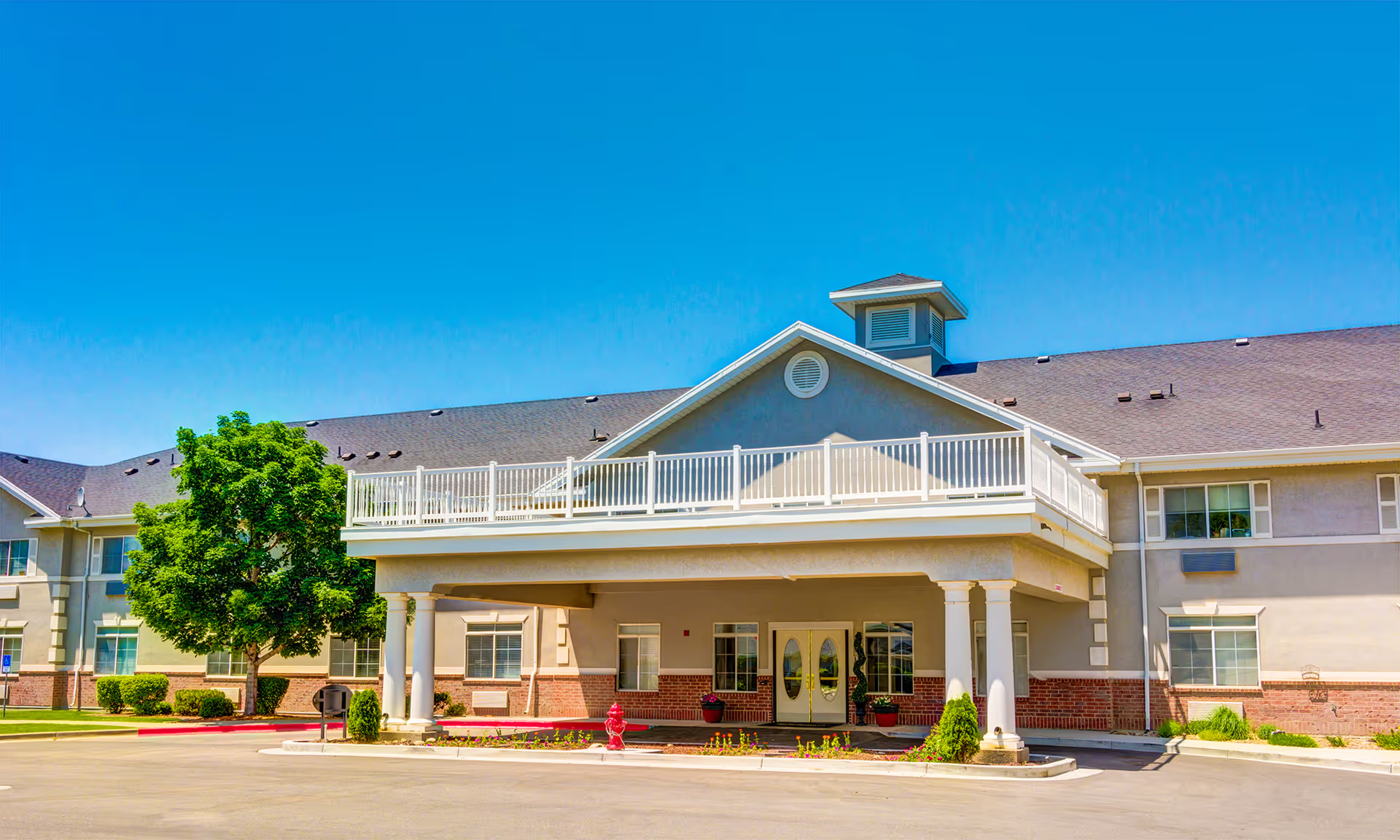
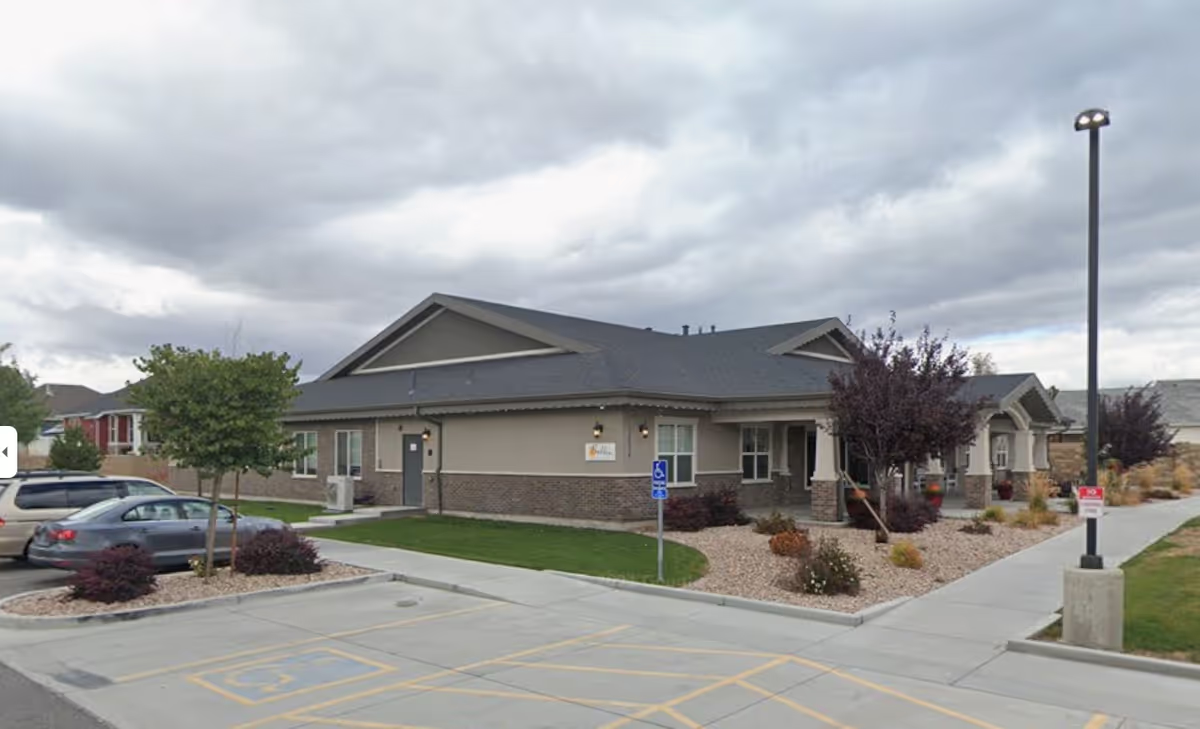
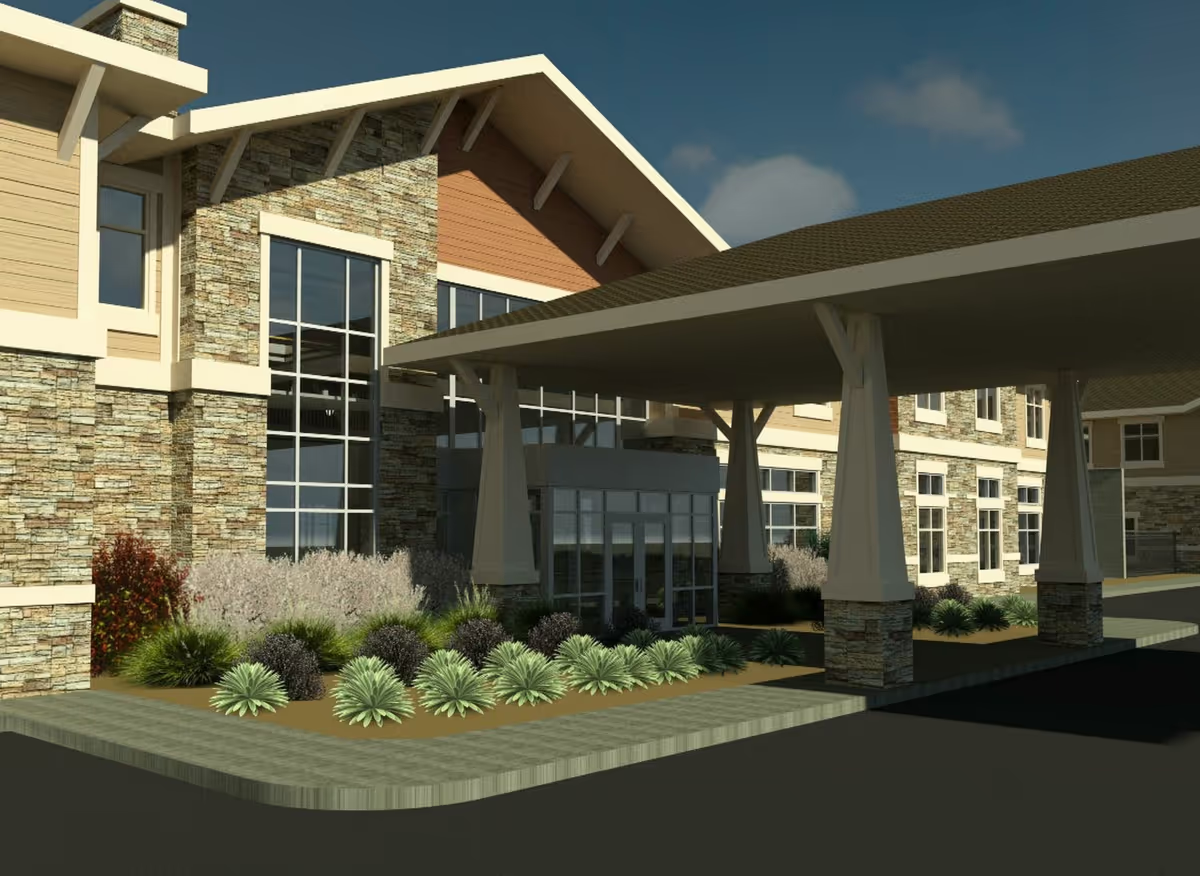
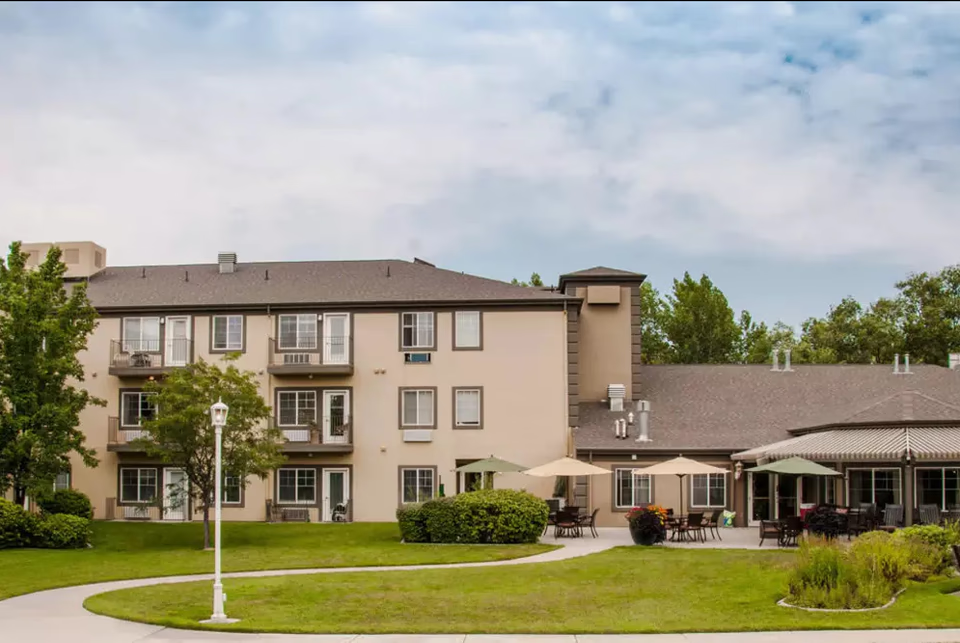
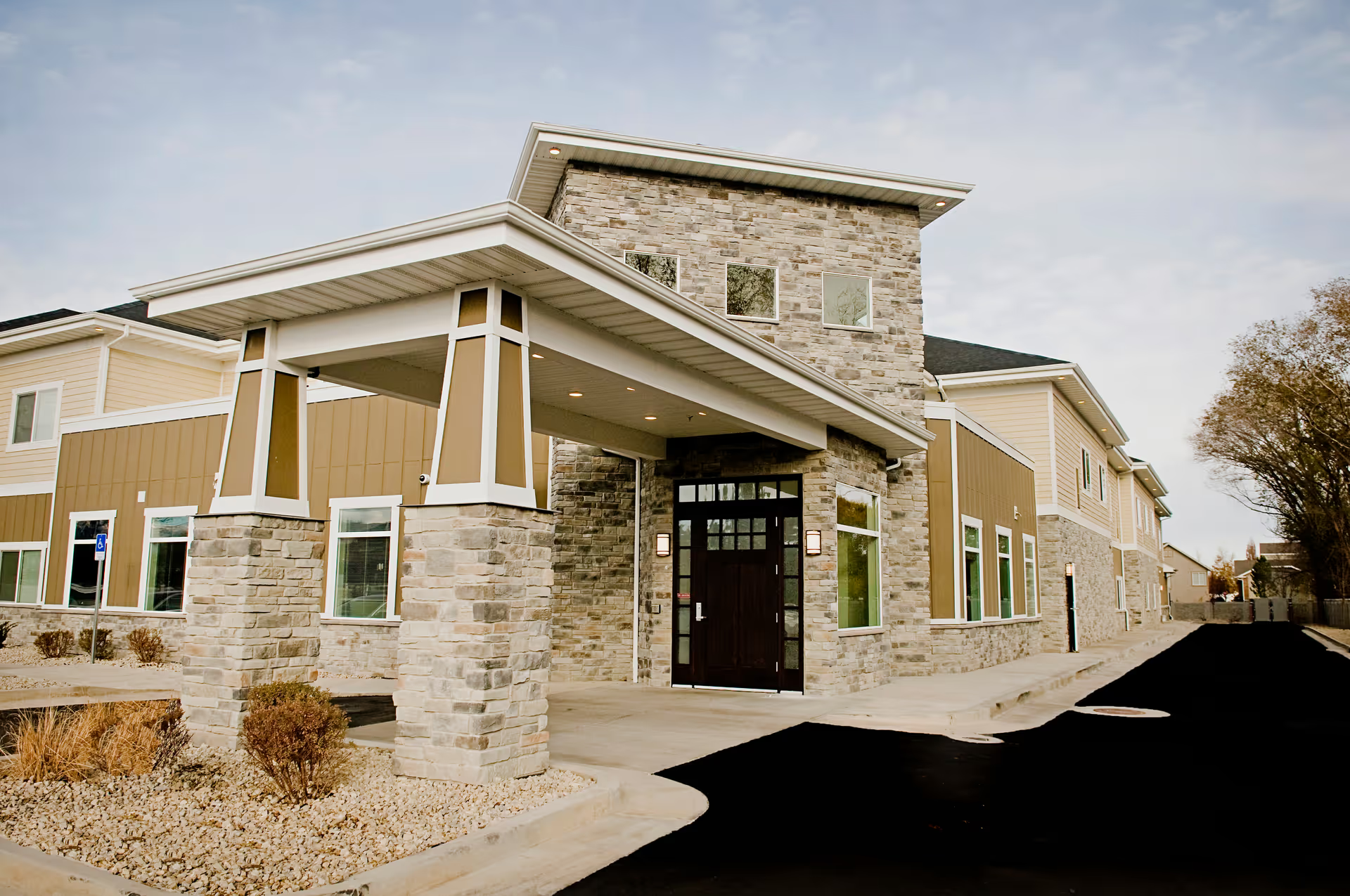
Ashford Assisted Living & Memory Care of Draper is consistently described as a clean, modern, and well-appointed community with strong strengths in hospitality, social programming, and family-style care. Many families highlight bright, newly built apartments and attractive common areas, peaceful grounds, and a pleasant interior aesthetic. Dining is frequently praised for being home-style, flavorful, and adaptable to residents' dietary needs. The community offers a range of on-site clinical services (podiatry, physician, dental), routine nurse assessments, and 24/7 CNA coverage, which contributes to families' sense of safety and day-to-day support.
Staffing and resident engagement are among the facility's clearest strengths. Reviewers repeatedly describe compassionate, attentive CNAs and activity staff who create individualized social opportunities—particularly music-centered programs—and arrange regular outings such as temple trips. Ownership and management are often characterized as hands-on and communicative, with families noting proactive updates, personal involvement from owners, and strong rapport between staff and residents. Memory-care programming is frequently described as home-like, with aides who know residents by name and provide individualized assistance, including food preparation support.
At the same time, several recurring operational concerns appear in the reviews. The most significant clinical concern involves medication administration and documentation: a number of accounts describe missed or uneven medication delivery and problems with charting. Some of these accounts were serious enough to prompt external inquiry, suggesting gaps in medication controls and clinical oversight that warrant attention. Relatedly, reviewers mention episodes of inconsistent responsiveness and variability in care quality tied to staffing patterns.
Staffing stability and training are additional areas of caution. While many staff members are praised for warmth and skill, reviewers also report high turnover among leadership roles and a workforce that can be young or variably experienced. These conditions have been associated with uneven care continuity and occasional delays in meeting resident needs. Nursing coverage is another structural limitation: the facility has regular on-site nurse coverage on select days (for example, weekday scheduled visits) but does not maintain a designated after-hours nurse, creating reliance on CNAs and on-call arrangements outside those hours.
Operational and amenity-related weaknesses are more administrative or logistical. Families described gaps in personal-item management and labeling, occasional lost items, and complexities during pharmacy transitions and billing or copay handling. The community is in a phase of growth—ongoing construction and a new wing are noted—which can produce temporary disruption and leave some activity offerings or unit amenities (closet and bathroom/storage space) still developing. Weekend programming, particularly Sunday activities, is reported as more limited than weekday offerings.
Overall, Ashford Draper appears to offer a high level of hospitality, a strong social environment, and attentive family-oriented care for many residents, especially in memory-care contexts. However, the community should address operational risks around medication control, staff retention and training, and consistency of clinical oversight to ensure that the generally positive day-to-day experience is uniformly reliable. Prospective families will want to ask specific questions about medication-administration policies, after-hours nursing coverage, staff turnover, and how the facility manages pharmacy and personal-property transitions when evaluating placement.