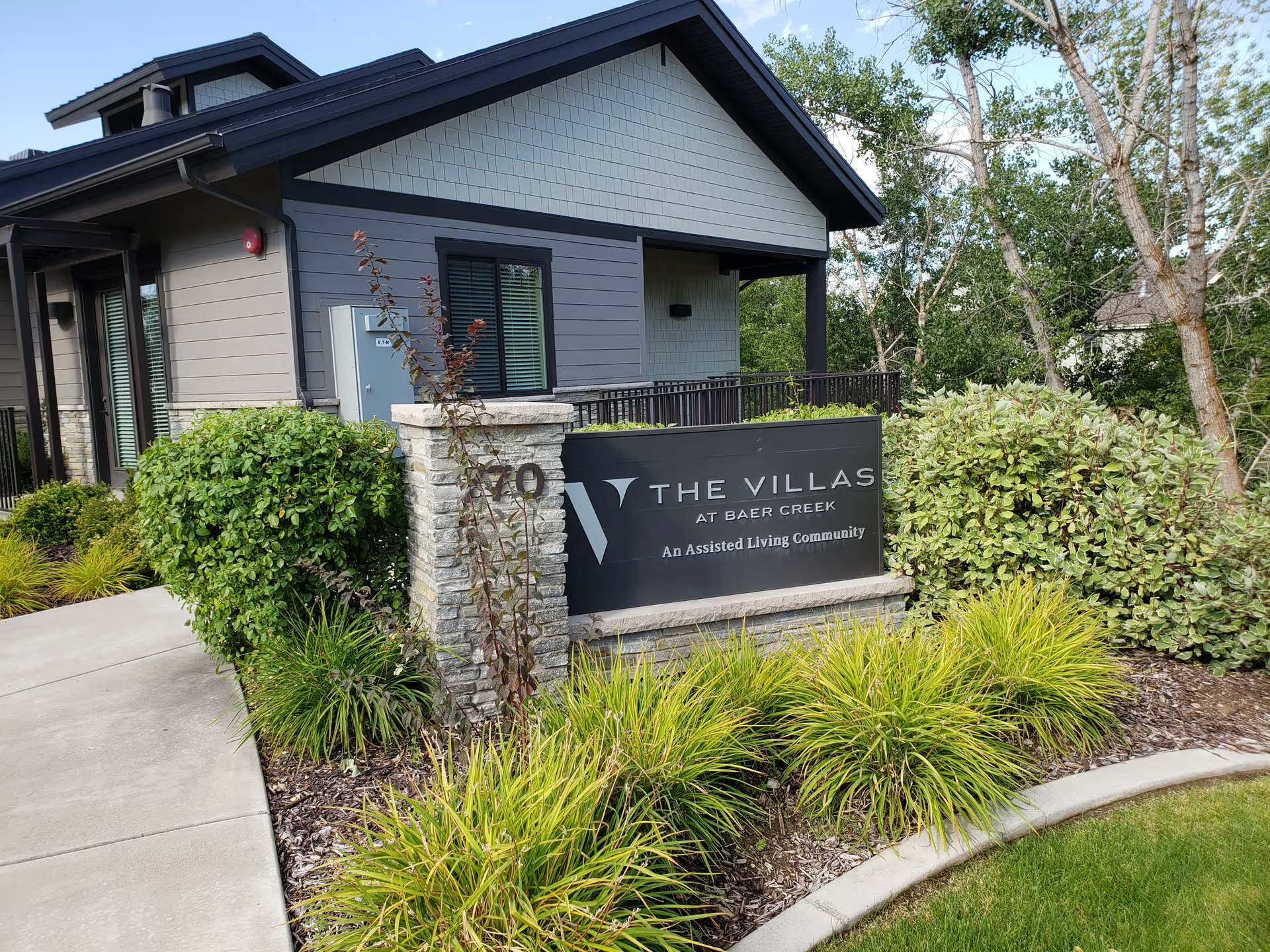
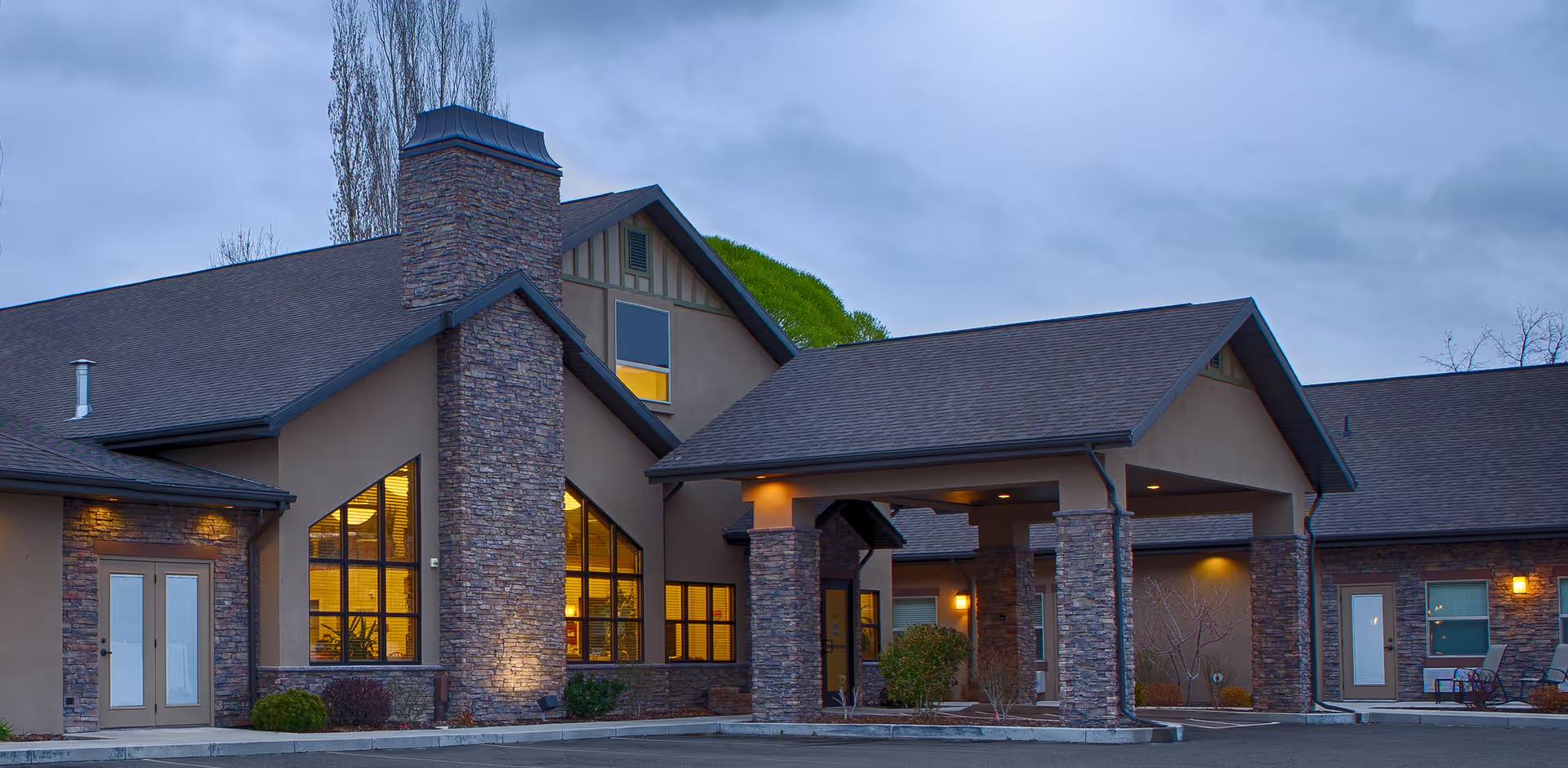
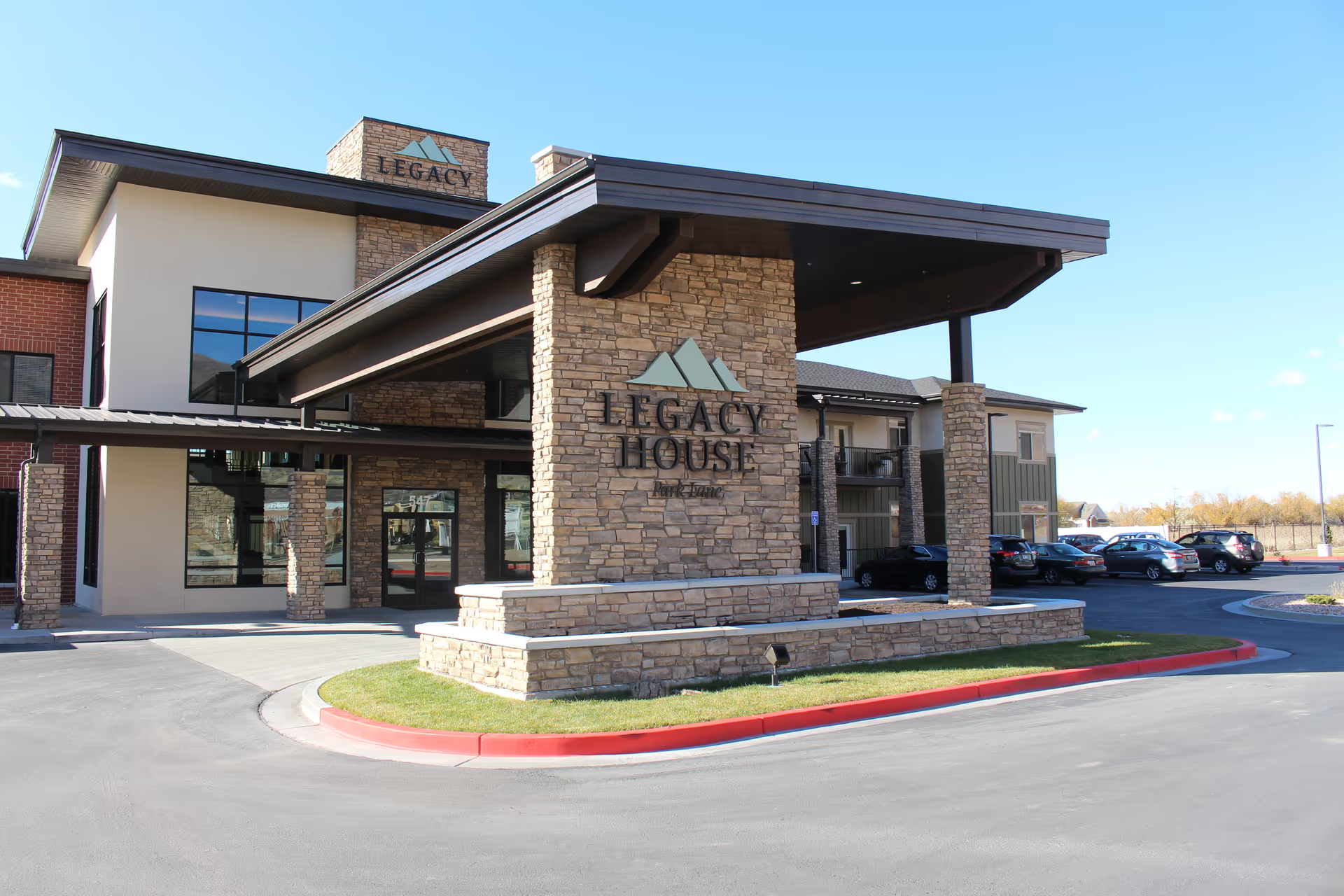
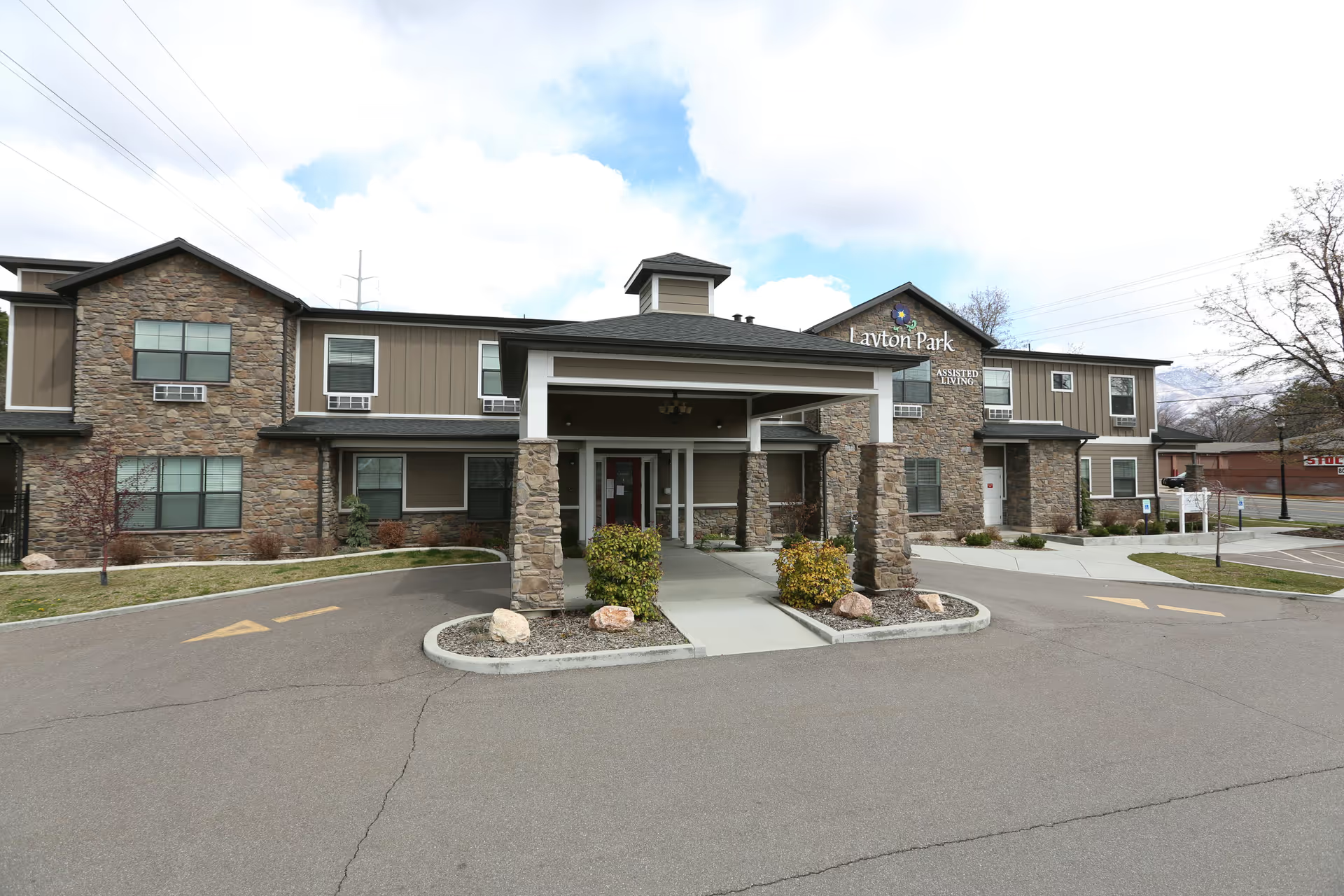
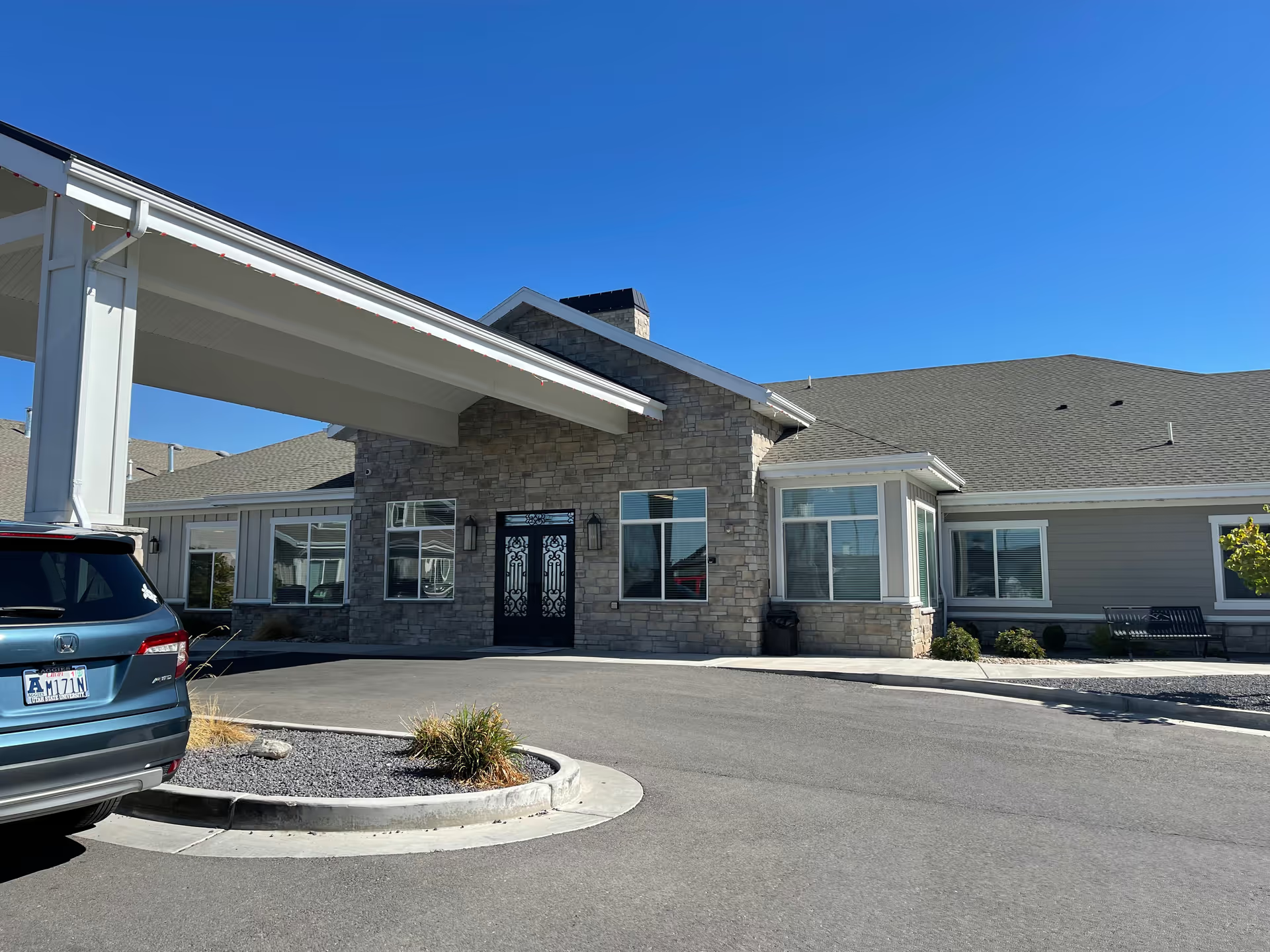
Overall impression: Reviews portray Whisper Cove Assisted Living and Memory Care as a modern, well‑maintained community with a strong emphasis on warm, family‑oriented service. The facility’s physical environment is consistently described as bright, clean, and home‑like, with private spaces that accept residents’ furniture and memorabilia and common areas that support family visits. Housekeeping and sanitation practices are noted as reliable, and COVID precautions were mentioned positively by some families.
Care quality and staff: The dominant theme is praise for caregiving staff, particularly CNAs and direct care aides, who are characterized as attentive, affectionate, and quick to learn residents’ names. Families repeatedly emphasize personable, resident‑focused interactions and an atmosphere in which residents are treated with dignity. Memory‑care programming and routine assistance are described as responsive and compassionate. At the same time, several accounts indicate limited availability of licensed clinical staff onsite; this suggests families should clarify the facility’s licensed‑nurse coverage and clinical escalation processes prior to move‑in.
Clinical communication and end‑of‑life coordination: While routine communications and daily updates are praised, there are specific concerns about gaps in communication with families and with outside providers in end‑of‑life situations. Some families noted that hospice involvement and related details were not consistently communicated, which points to an operational gap in how external clinical relationships and critical-status notifications are documented and shared. Prospective families may wish to ask about formal hospice coordination procedures and family‑notification protocols.
Dining, activities, and amenities: Dining receives strong positive feedback for home‑cooked, varied meals and an engaged culinary team. Activities are described as meaningful and social — puzzles, regular programming, and family‑friendly spaces encourage engagement. The facility’s layout, natural light, views, and family areas (including spaces for children) are highlighted as strengths that support social interaction and quality of life.
Management and leadership: Leadership and ownership are frequently singled out for visible involvement and responsiveness. Named administrators and directors are credited with hands‑on support, prompt move‑ins, and an apparent commitment to a resident‑first culture. Reviewers portray management as accessible and engaged across departments (administration, nursing oversight, kitchen, maintenance, housekeeping, activities).
Notable patterns and advice for families: The reviews create a consistent picture of a warm, well‑run community with strong direct care staffing and an attractive facility. Key operational caveats that recur across accounts include limited licensed nursing coverage, occasional shortcomings in communication about external clinical providers (notably hospice), and uneven availability of sensory or mental‑health supports (for example, hearing‑loss accommodations and mood support). There are also mentions that staff compensation and retention could be areas to monitor over time. Prospective residents and families should consider touring the community, meeting the clinical leadership, and asking targeted questions about licensed‑nurse hours, hospice coordination protocols, mental‑health and sensory‑support services, and visitation policies during infection‑control events to ensure the match between clinical needs and the community’s offerings.