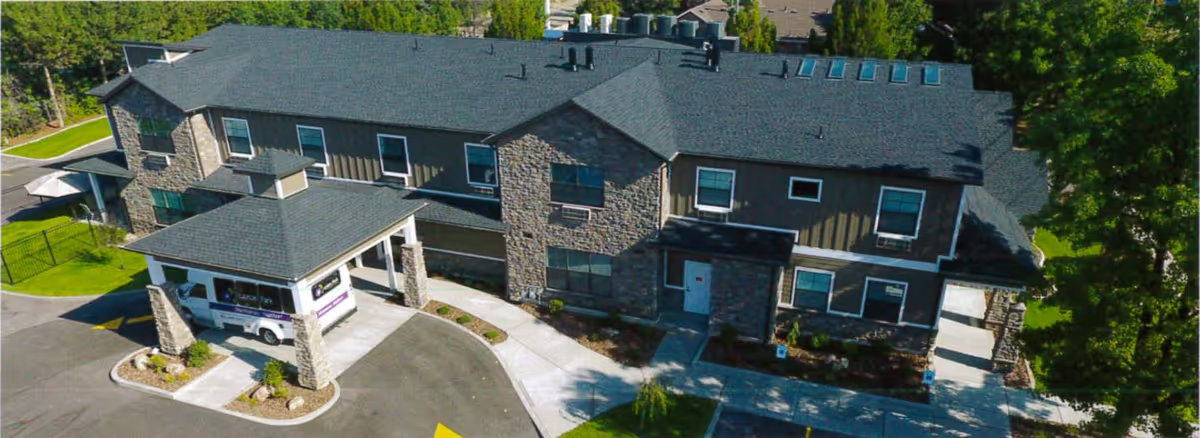
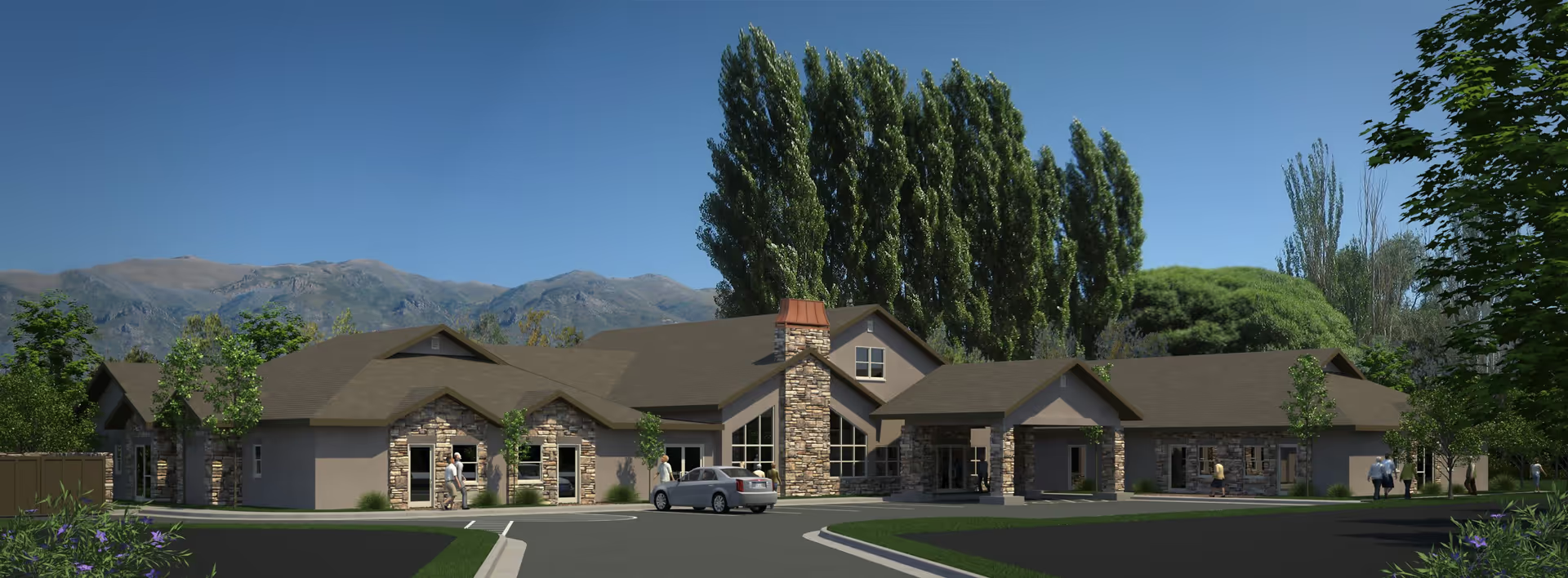
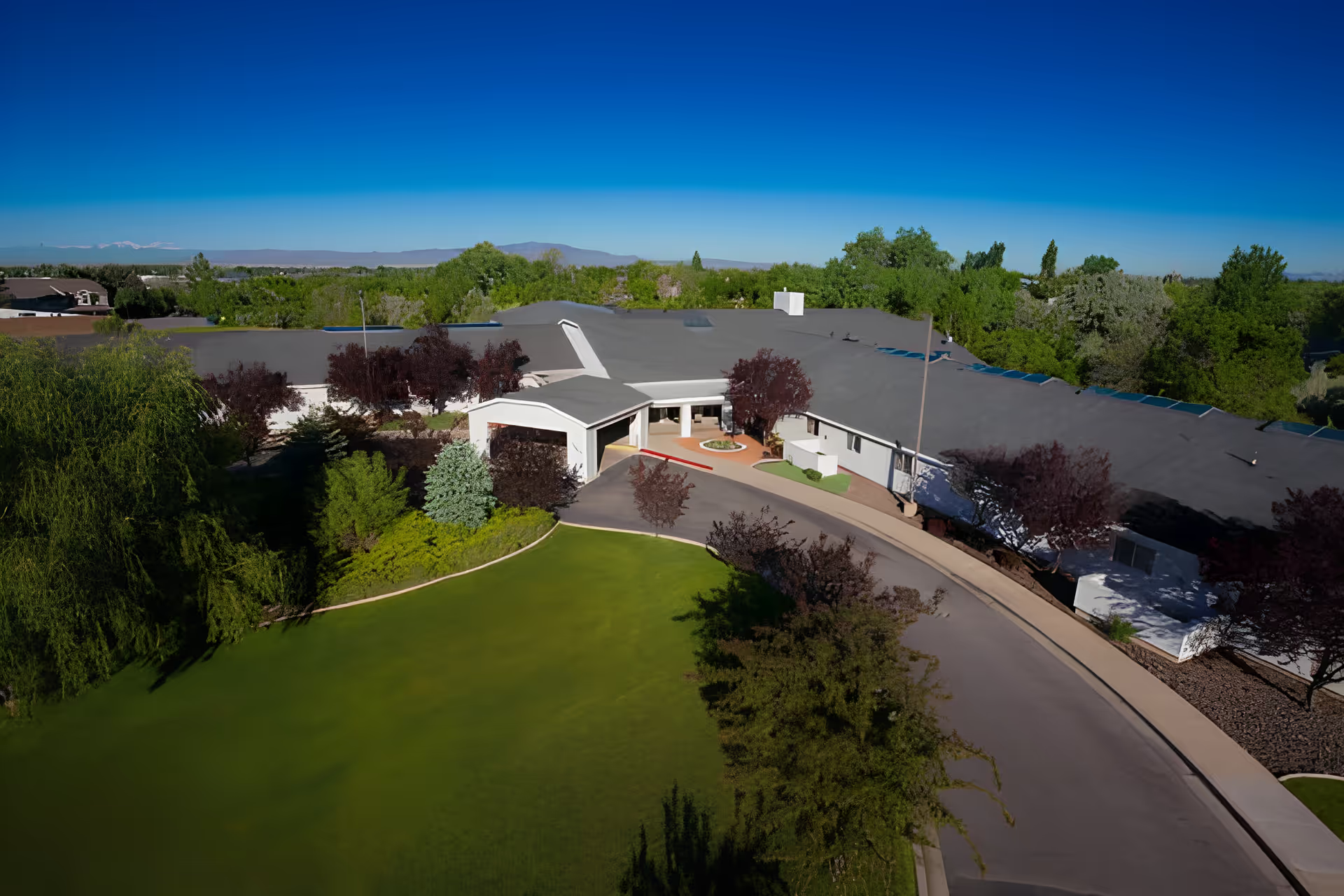
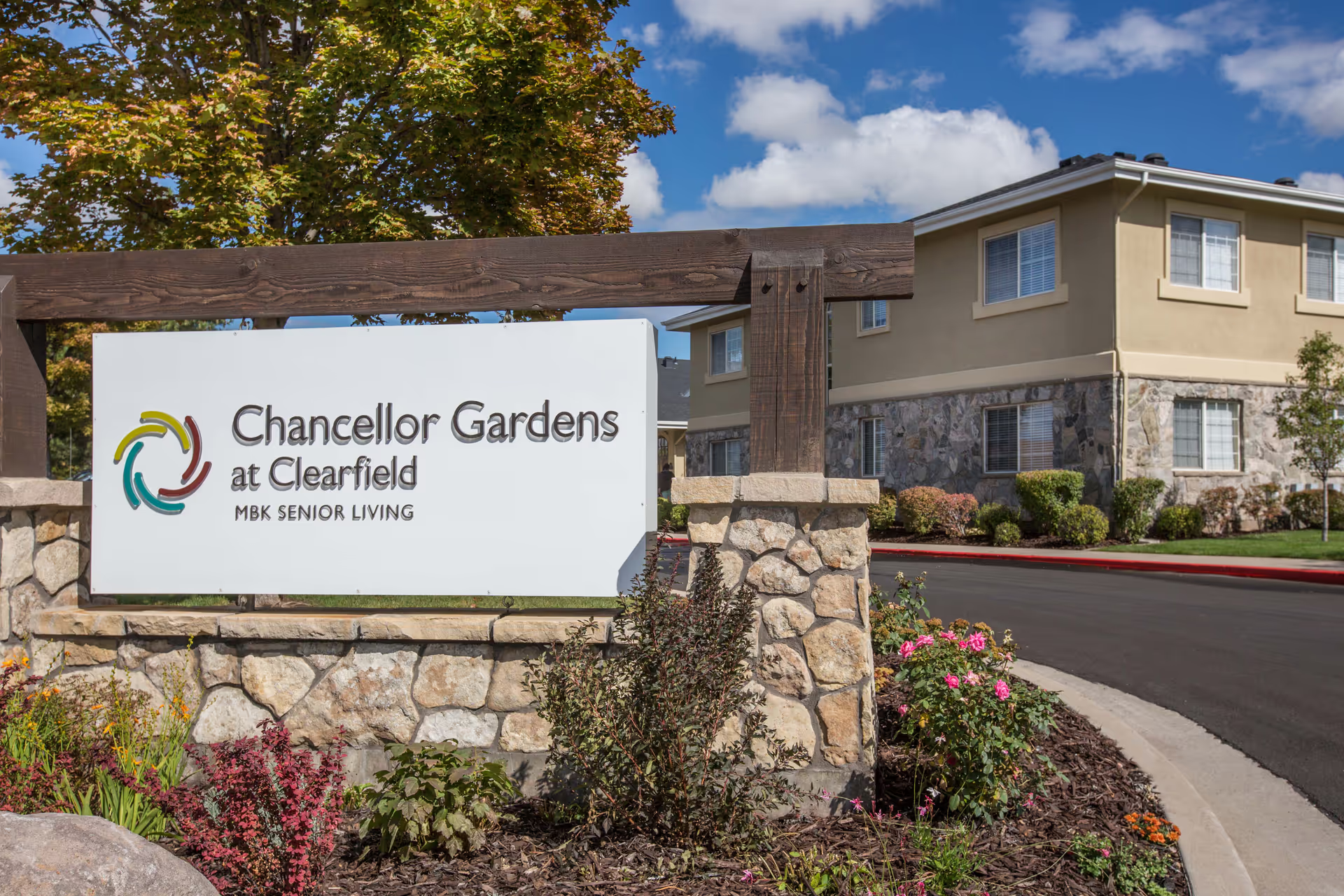
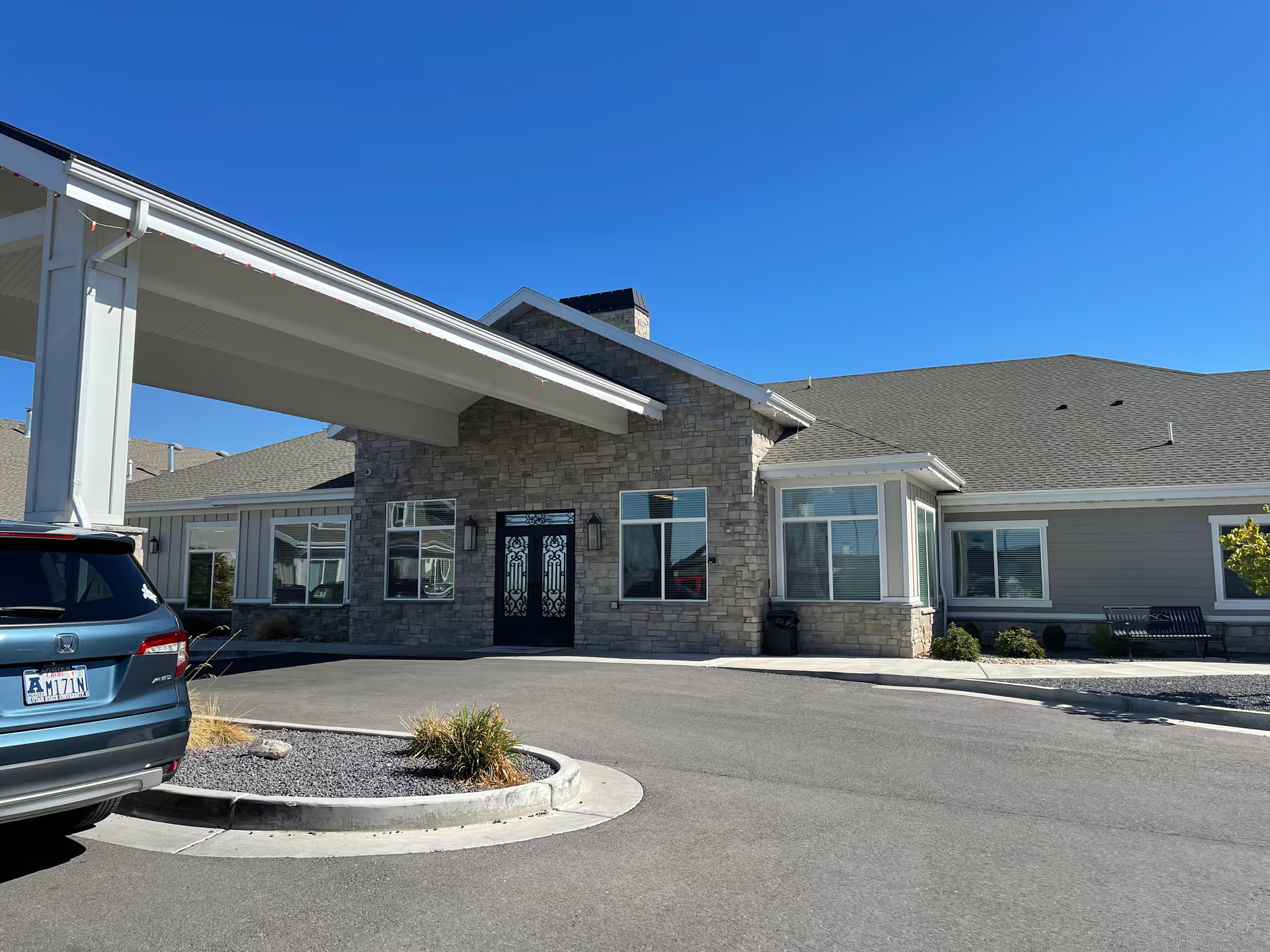
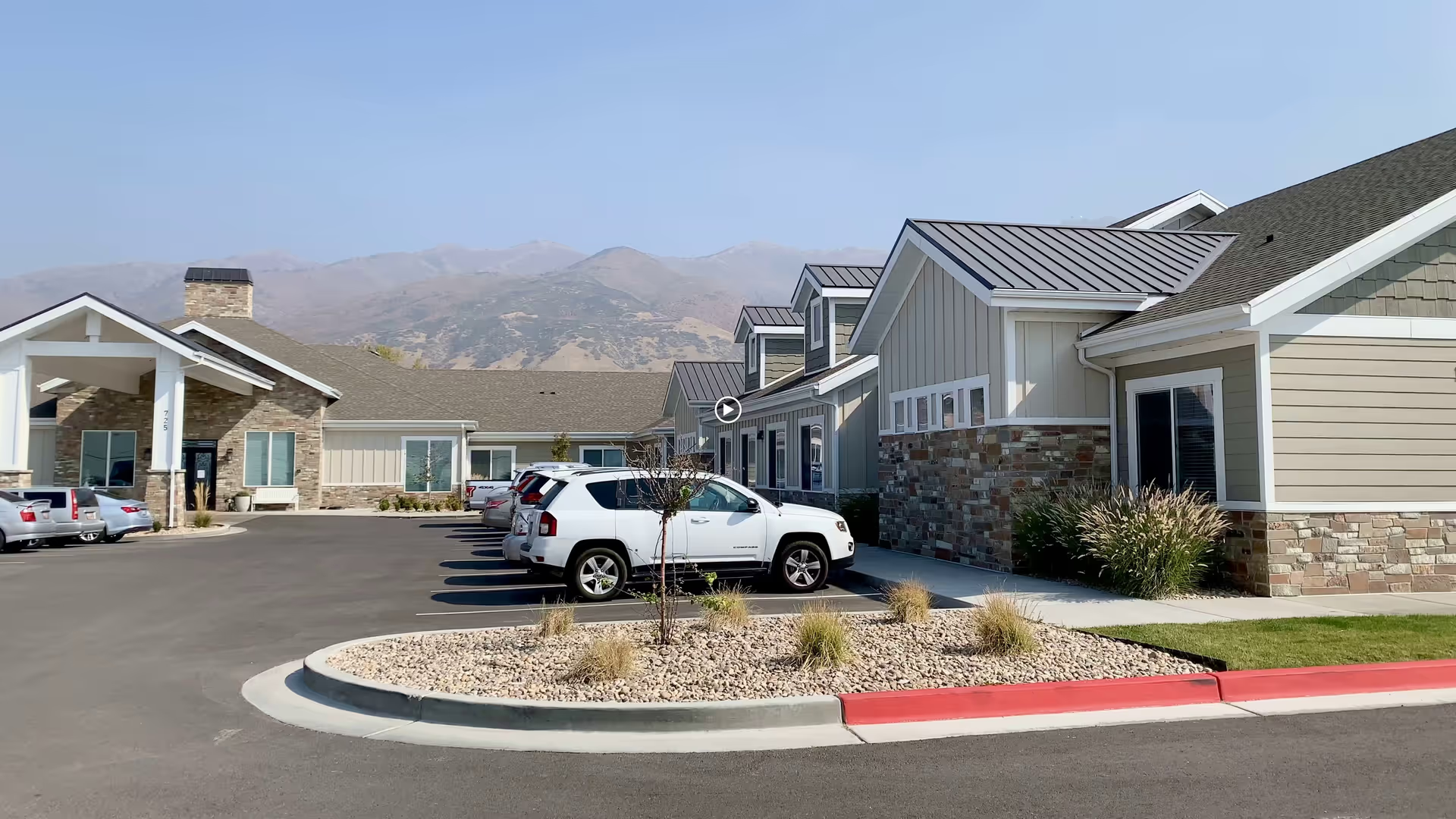
Fairfield Village presents as a large, well‑appointed senior living campus with strong strengths in staffing, amenities, dining, and programming, alongside recurring operational and clinical concerns that prospective residents and families should evaluate. Many reviewers praised the overall environment: a modern, clean interior and attractive grounds, multiple housing options (studios to multi‑bedroom apartments with kitchenettes), covered parking, and on‑site amenities such as a salon, theater, game room, laundry, and a rehab gym. The community model that places independent living, assisted living, memory care, and a health center on a single campus is repeatedly described as convenient and supportive of smooth level‑of‑care transitions.
Care quality and staffing are described in mixed but specific terms. Numerous reviews highlight compassionate, family‑oriented caregiving, long‑tenured nurses and CNAs, and individual staff members who go above and beyond. Memory‑care cottages and end‑of‑life support were often called out positively. Counterbalancing those strengths are recurring concerns about clinical reliability: delays in pain‑management, medication‑administration errors or delays, and uneven nursing critical thinking in some accounts. These items suggest variability in clinical consistency rather than a uniform level of performance. Related operational patterns include intermittent understaffing, turnover, and variability in staff conduct and responsiveness between different parts of the campus.
Dining, activities, and therapy are clear selling points with some caveats. The dining program is frequently lauded for restaurant‑style service, varied menus, and identifiable kitchen leadership; several reviewers described high‑quality meals and special culinary attention. At the same time, other comments reference smaller portions, changing menu quality, or meals that were less satisfactory—indicating some inconsistency in food experience. The activities program is robust and broad, with daily options spanning games, crafts, exercise, outings, worship services, and movie screenings; this contributes to the community feel many families appreciated. Therapy and rehab services are generally strong in reviewers' accounts, though a few noted limited therapy hours or a rehabilitation model that felt productivity‑driven rather than intensive for some residents.
Management and administrative issues form a notable pattern in the feedback. Placement and admissions staff are often described as warm and helpful, and certain leaders received specific praise for competent guidance. However, several reviews describe gaps in management follow‑through, inconsistent communication, billing disputes (including questions about charges after a resident's death or move‑out), and perceived price increases that affect affordability. Some reviewers also noted that changes in ownership or leadership affected organization and staff performance in the short term.
What this means for prospective residents and families: Fairfield Village offers strong amenities, an active program of events, and many instances of high‑quality, compassionate care, particularly in social and rehabilitative domains. At the same time, there are recurring, actionable concerns around clinical consistency (medication and pain management), variable staff responsiveness, billing/pricing transparency, and the practicalities of navigating a large campus. When considering placement, visitors should request a meal trial, meet the nursing team, ask about current staffing ratios and medication‑administration protocols, review recent billing policies and rent escalation practices, confirm therapy scheduling, and tour the specific neighborhood they will occupy. These targeted inquiries can help align expectations with the facility’s strengths and mitigate the operational variability noted by families.