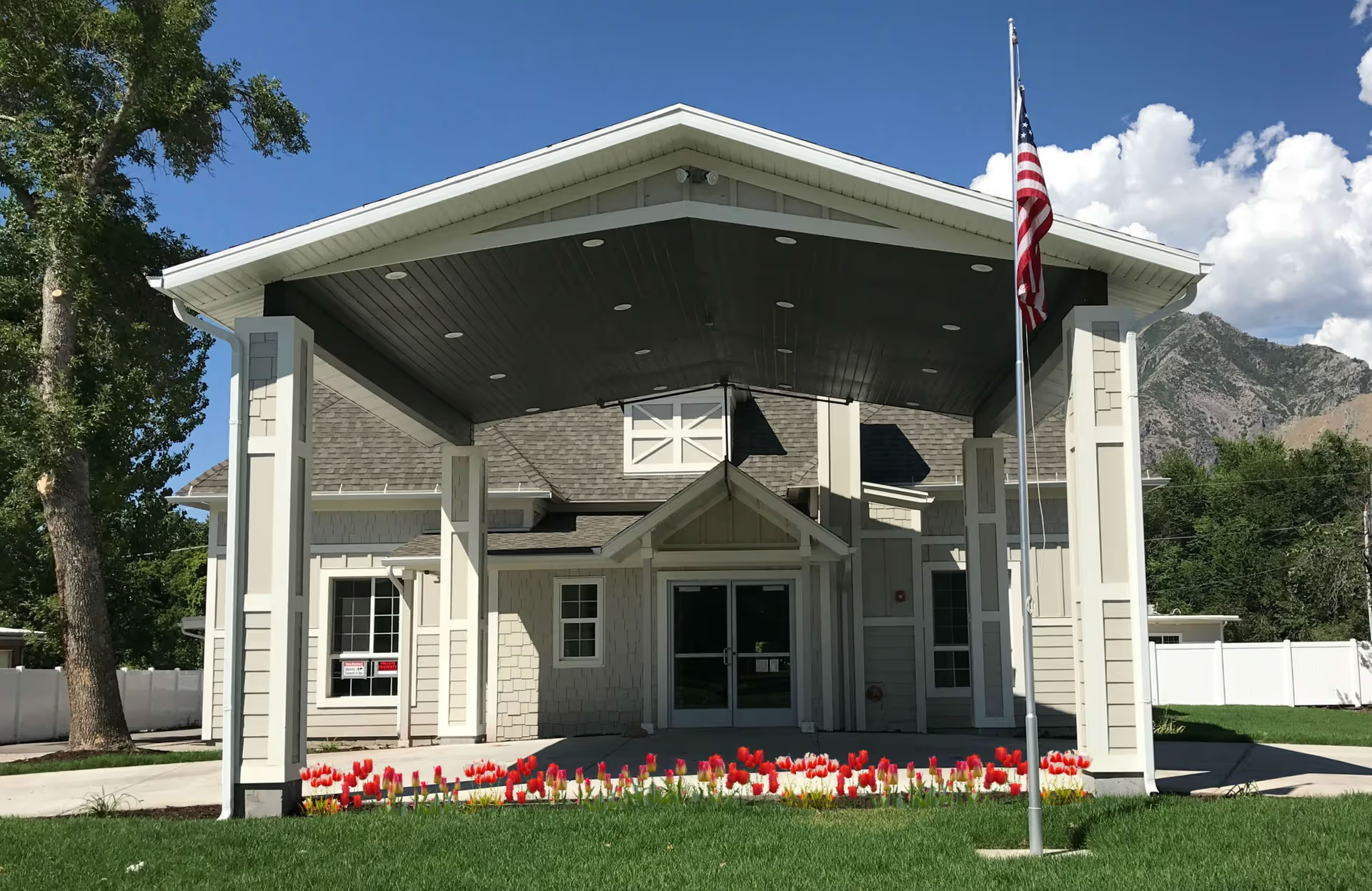
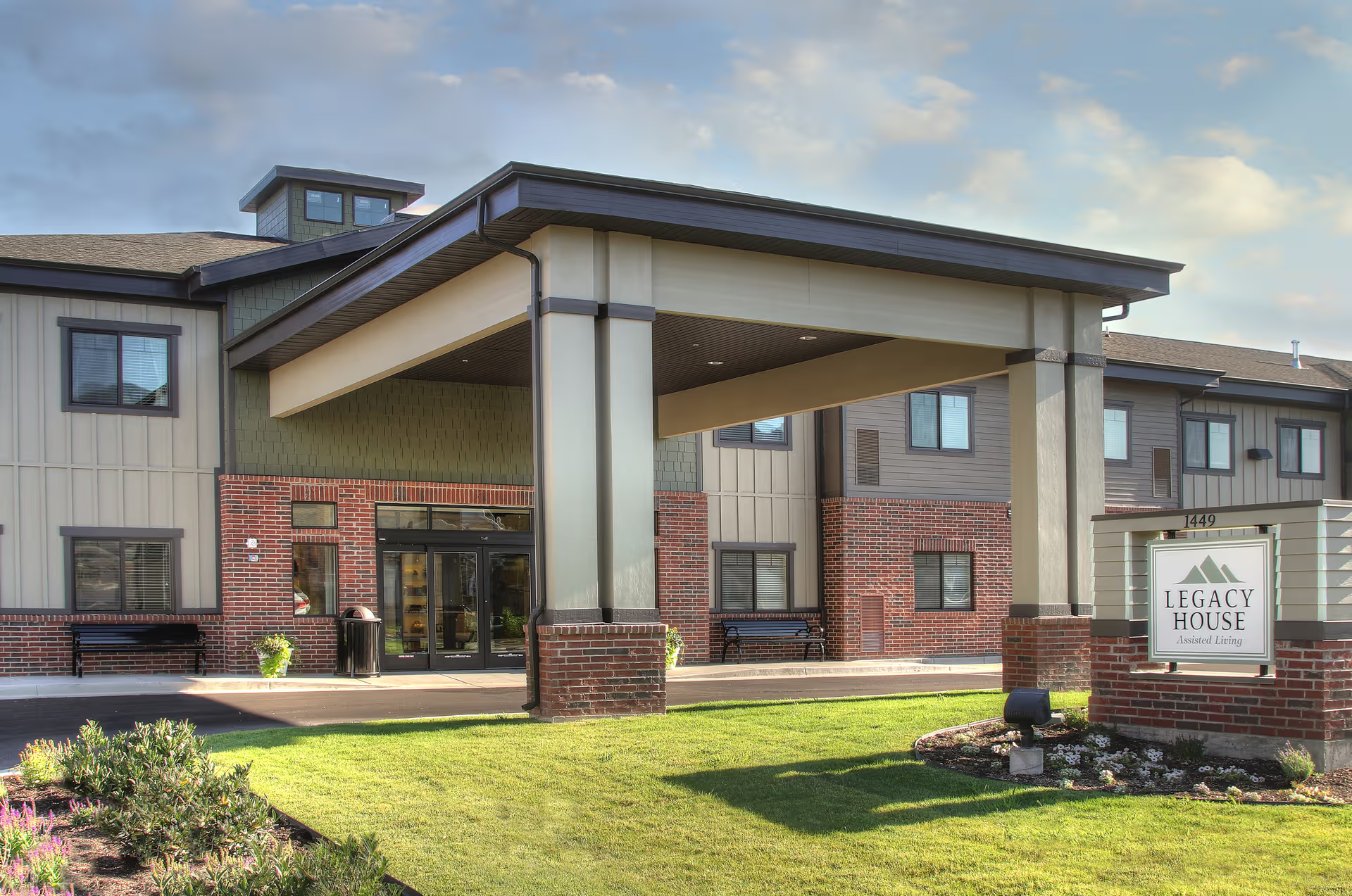
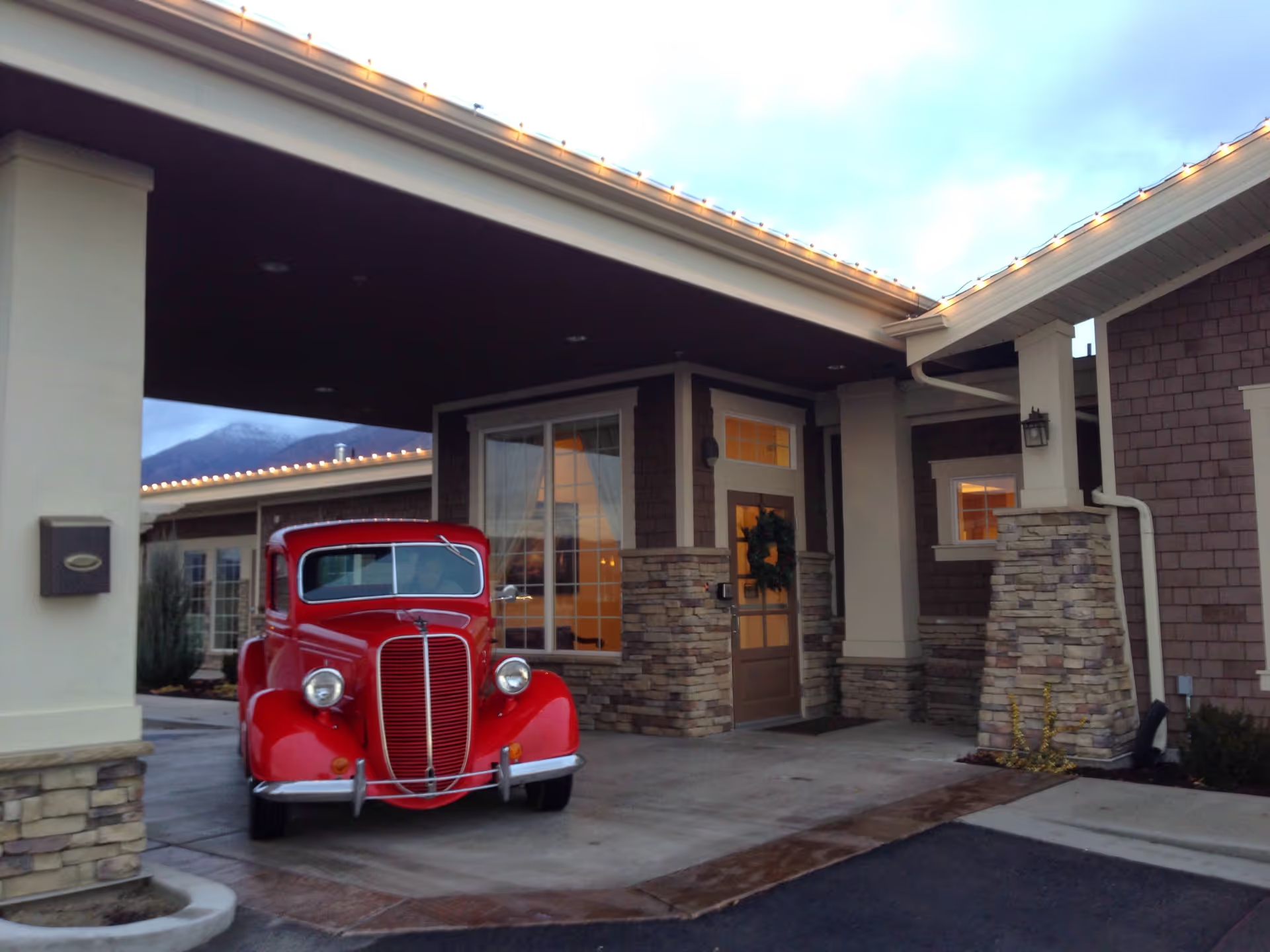
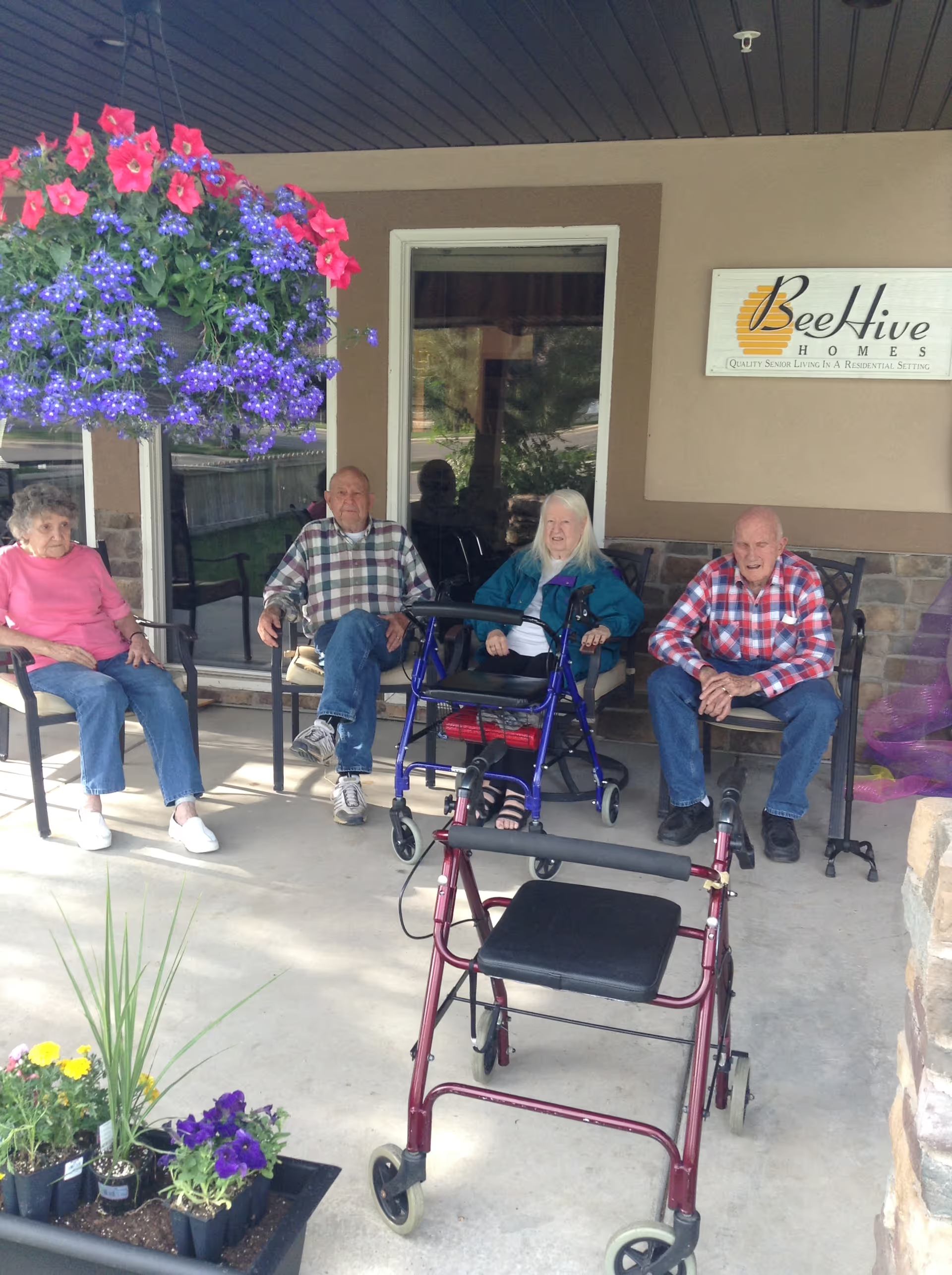
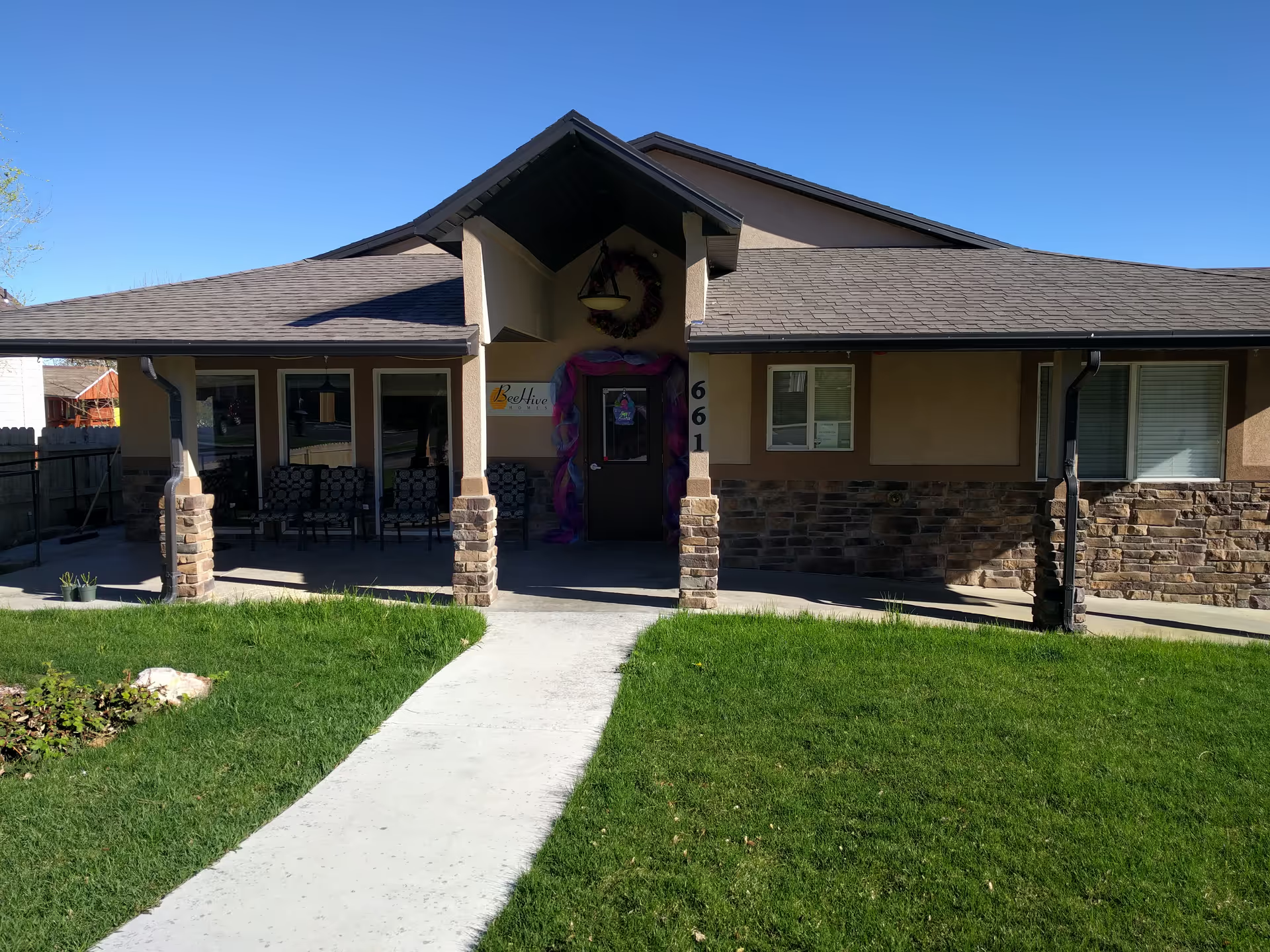
The collected feedback paints Maple Landing Assisted Living as a newer, well‑appointed assisted living community with a strong emphasis on facility appearance and resident comfort. Reviews consistently highlight the physical environment — a modern, thoughtfully laid‑out building with bright, attractive common areas, decorative details and generally clean, well‑maintained interiors. The facility’s location and serene setting were also cited as positive features by families.
Care and staffing are described positively across the comments. Families note compassionate, attentive care staff and an attentive nursing presence, with several references to personalized attention and a supportive team that helps make move‑ins and transitions comfortable. Leadership and administration receive frequent praise; the administrator and named staff members were described as professional and kind, and reviewers noted responsiveness to service requests and on‑site coordination (for example, smoothly handled technical or move‑in needs).
Dining receives favorable, if limited, mention — reviewers commented that the food is good. Conversely, there is relatively little explicit detail about the breadth of activity programming, frequency of social or therapeutic activities, or memory‑care offerings. Prospective residents and families seeking robust activity calendars or specialized clinical services should request current program schedules and service descriptions during a tour.
Management and operations appear well organized from the available comments: leadership is visible, staff interactions are generally described as welcoming, and maintenance/operational tasks are handled responsively. At the same time, the community’s newer status and compact, “quaint” scale suggest potential limits in on‑site amenities, unit availability, and a shorter track record to evaluate long‑term outcomes or operational consistency.
Notable patterns in the feedback include consistent praise for aesthetics and staff conduct, and an overall highly favorable tone. That pattern also means there is relatively little critical feedback available publicly, which can make it harder to assess areas such as staffing ratios, clinical depth, activity programming, and performance over time. For decision making, families may want to confirm staffing levels, inquire about memory‑care or higher‑acuity offerings if relevant, review sample activity schedules, and ask about occupancy/amenity availability during a visit.