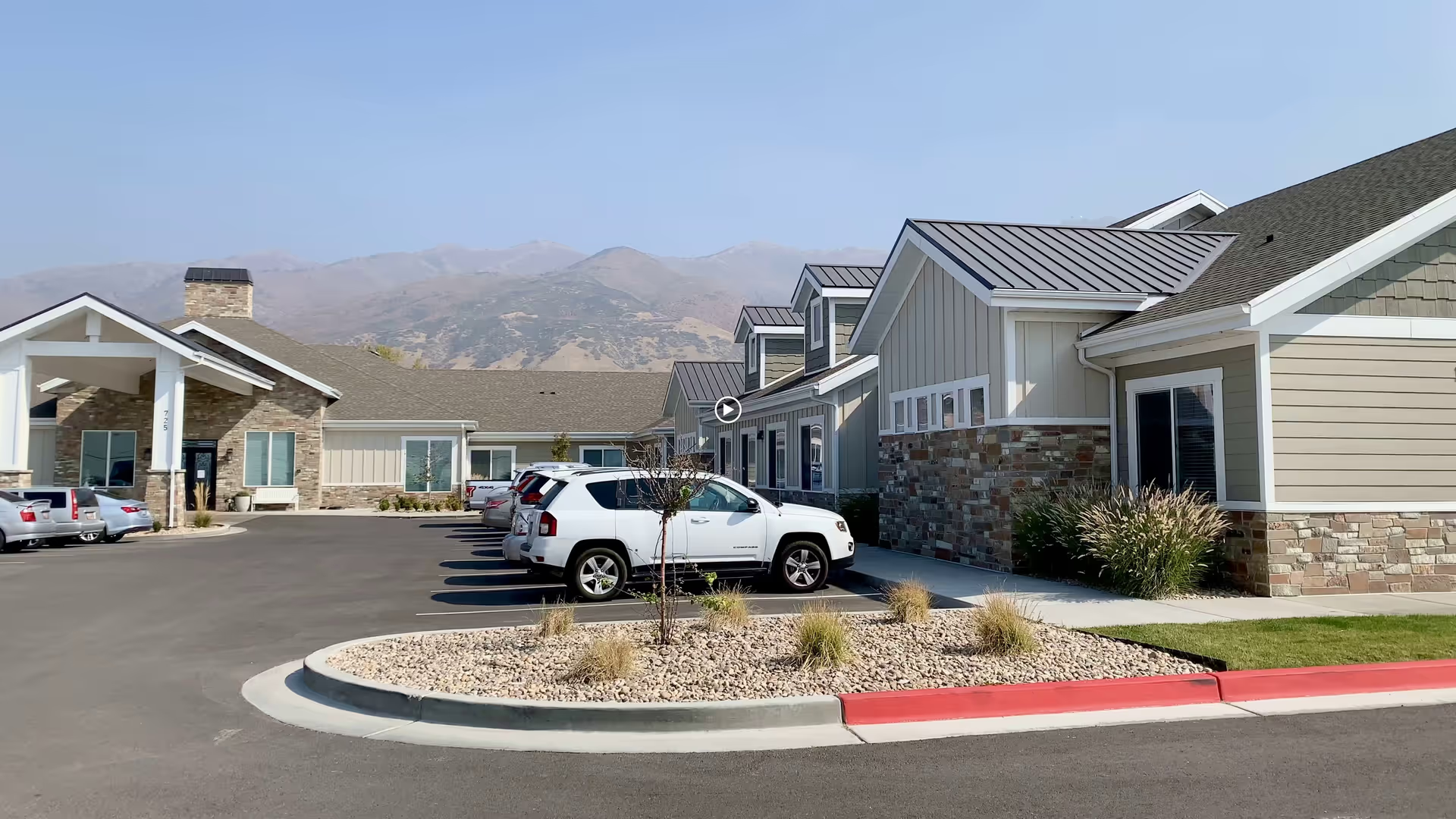
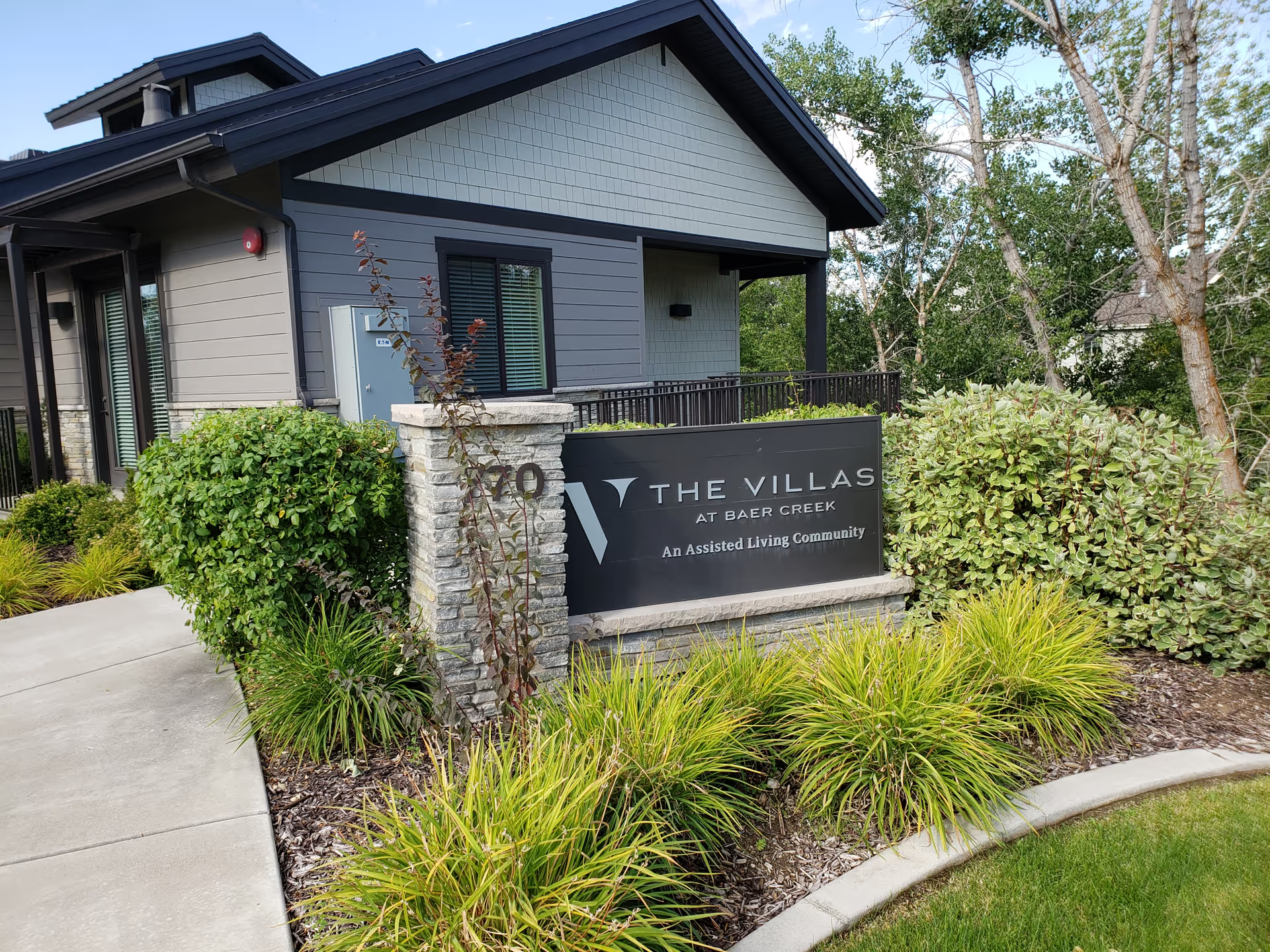
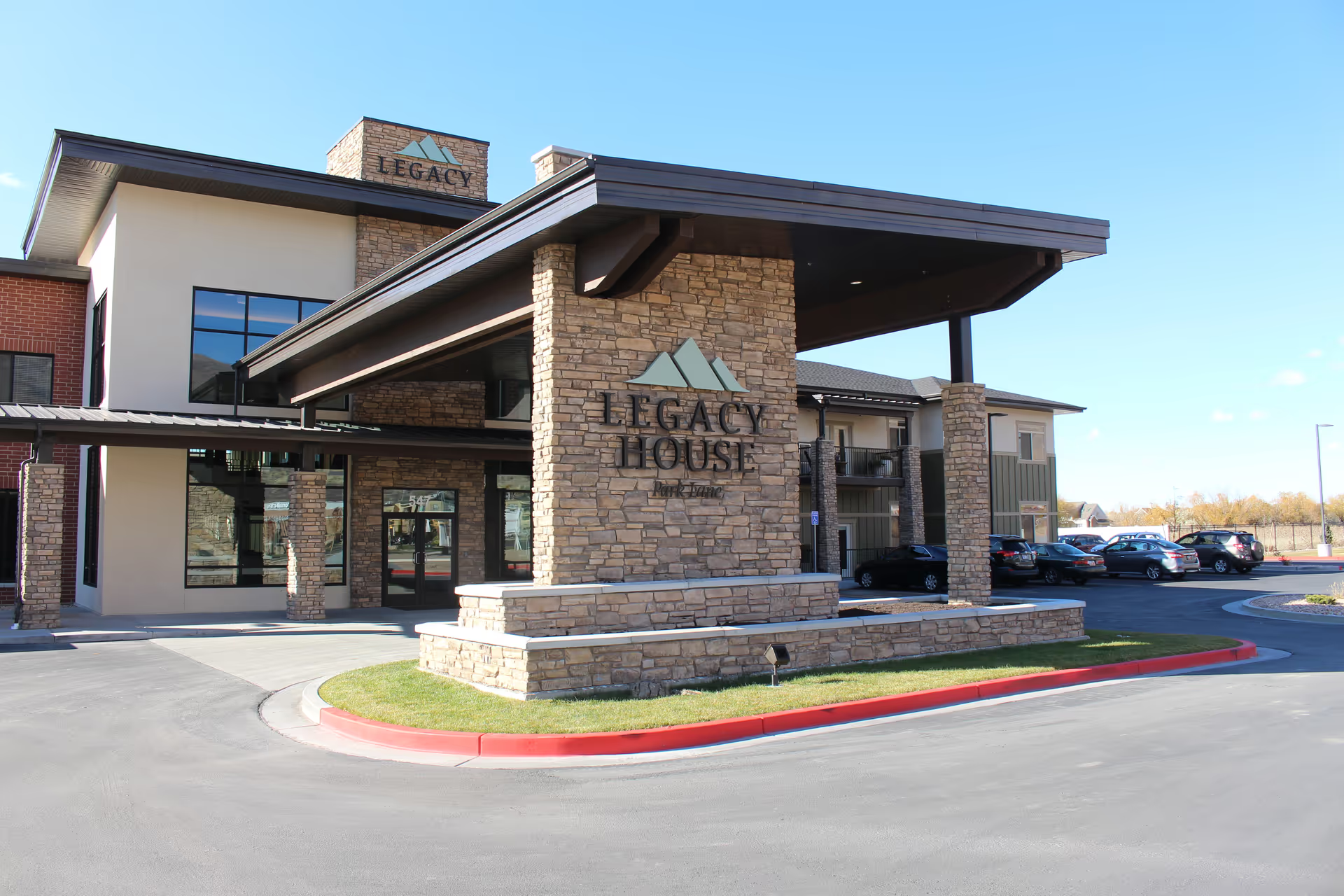
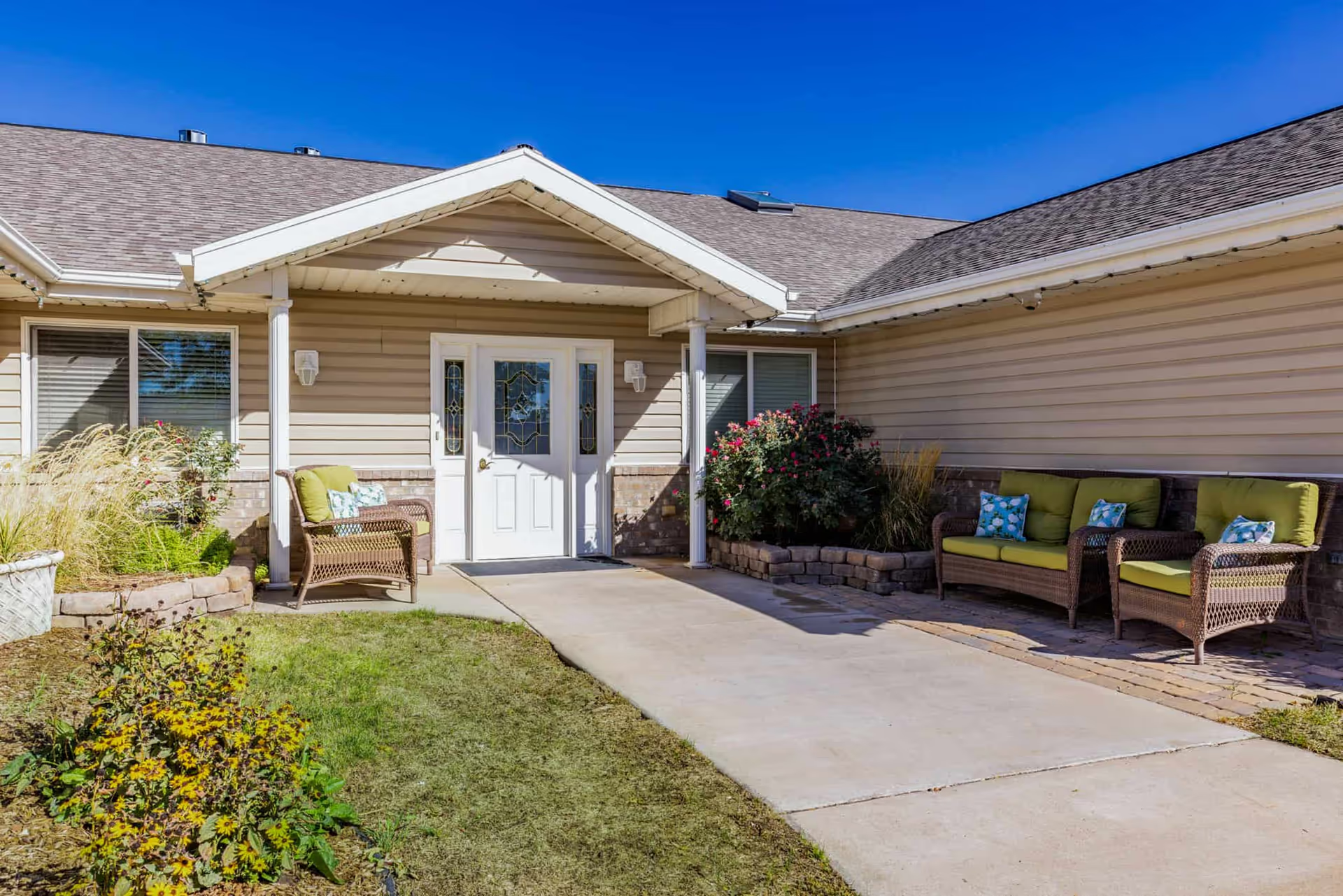
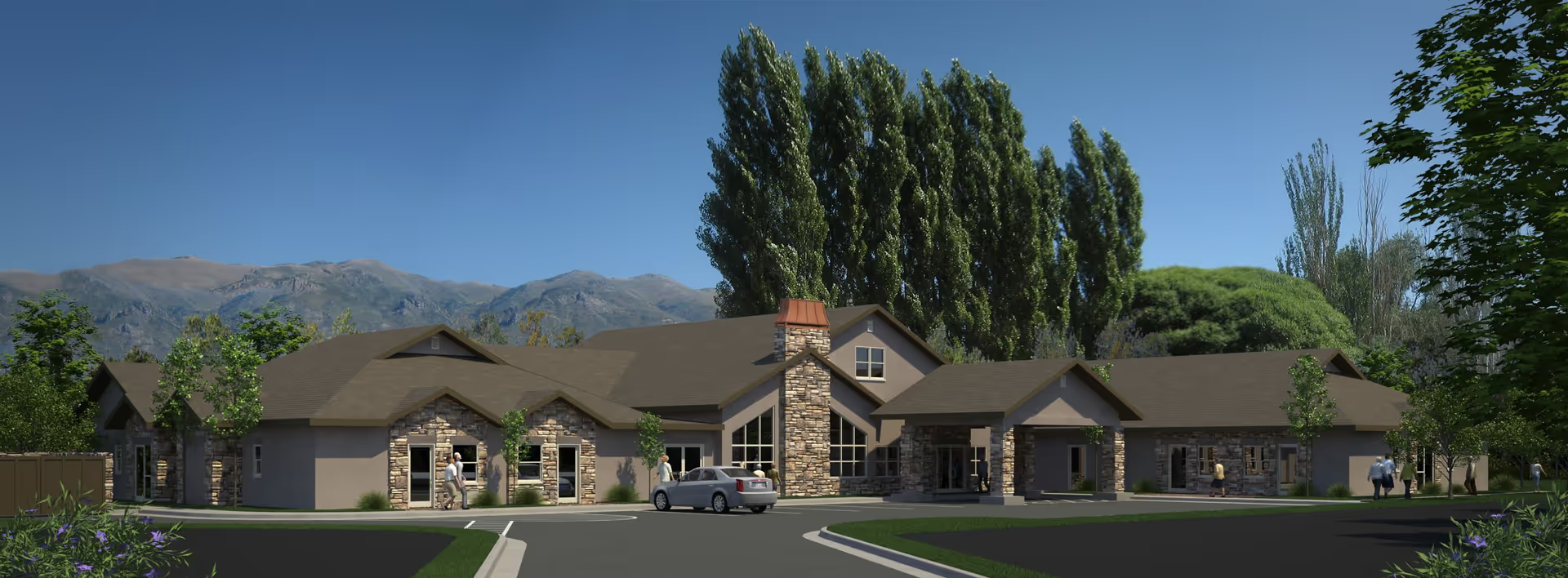
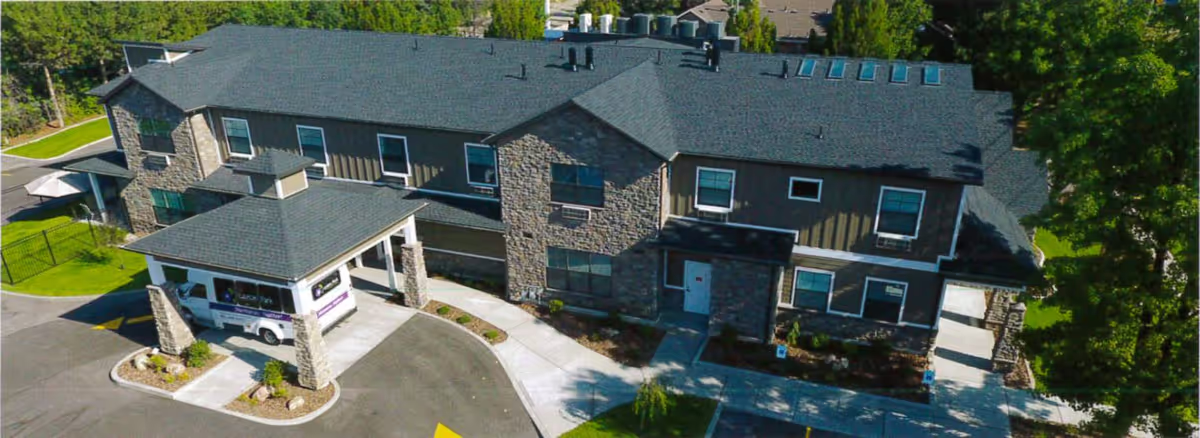
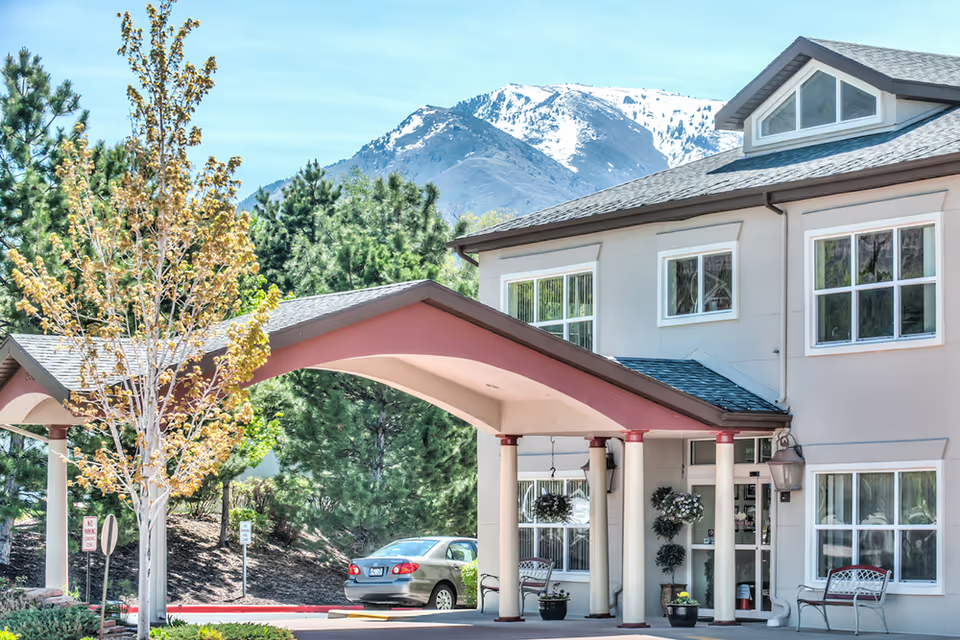
Overall impression: Family Tree Assisted Living of Morgan is described across many reviews as a clean, well-kept, homelike community with a strong emphasis on social engagement and person-centered attention. Commonly cited strengths include warm, family-like interactions from staff, an active daily calendar (games, exercise, outings, musical performances), on-site grooming services, and hands-on administrative support such as financing assistance and equipment loans. Several reviews emphasize an upbeat atmosphere, scenic surroundings, and low staff turnover that contribute to a sense of stability.
Care and staffing: Praise centers on staff compassion, individualized attention, and continuity of clinical leadership; families frequently describe staff as attentive, knowledgeable, and willing to go beyond routine duties. At the same time, a subset of reviews raises operational concerns that point to inconsistent responsiveness for some residents. These concerns cluster around delayed room visits and variable timeliness in attending to basic personal-care needs, suggesting uneven implementation of care routines. Staffing-capacity and workload pressures are also noted, and these factors may contribute to inconsistent attention for residents with higher needs.
Dining and nutrition: Many reviewers commend the food quality — homemade meals, dietitian-approved menus, and evening snacks delivered to rooms are described positively. Conversely, a smaller number of comments indicate variability in meal quality and concerns about nutritional monitoring (including unintended weight loss and inconsistent offering of hydration). This suggests the dining program is generally well-regarded but may have occasional lapses in consistency or in monitoring residents who require closer nutrition/hydration oversight.
Activities and atmosphere: The facility’s activity program is a clear strength. Reviews highlight frequent, varied programming (card games, exercise, musical entertainment, shopping and lunch outings, and special events), opportunities for socialization throughout the day, and volunteer involvement that enhances resident engagement. The physical environment is repeatedly described as clean, modern, and cozy — contributors to a peaceful, homelike atmosphere.
Facilities and ancillary services: Families appreciate on-site beauticians/barbers, community volunteers, accessible rooms, and a tidy, well-maintained interior. Reviewers also mention administrative help with practical needs (sanitary supplies, wheelchair loans), which many find valuable during transitions or short stays.
Management and communication: Management impressions are mixed. Several reviewers praise current administrators for professionalism, warmth, and helpfulness; some credit recent management changes with improved resident quality of life. However, other reviews cite inconsistent administrative communication, occasional unprofessional interactions, and discrepancies around posted information (for example, hours). These mixed perceptions point to variability in management performance or recent transitions that are still stabilizing.
Notable patterns and recommendations for families: The dominant pattern is a largely positive resident experience characterized by attentive staff, robust activity programming, and a pleasant physical setting. Counterbalancing that are recurring operational themes: inconsistent responsiveness to basic personal-care and comfort needs, variability in end-of-life and comfort-focused care, and occasional lapses in nutritional/hydration monitoring — issues that appear tied to staffing capacity and administrative consistency. Prospective residents and families may want to ask targeted questions during a tour about staffing levels and shift coverage, protocols for personal-care and end-of-life comfort, how weight and hydration are tracked, sample menus and meal-service routines, and how management communicates with families about changes in care or schedules. These inquiries can help clarify whether the facility’s strengths align with a specific resident’s care needs.