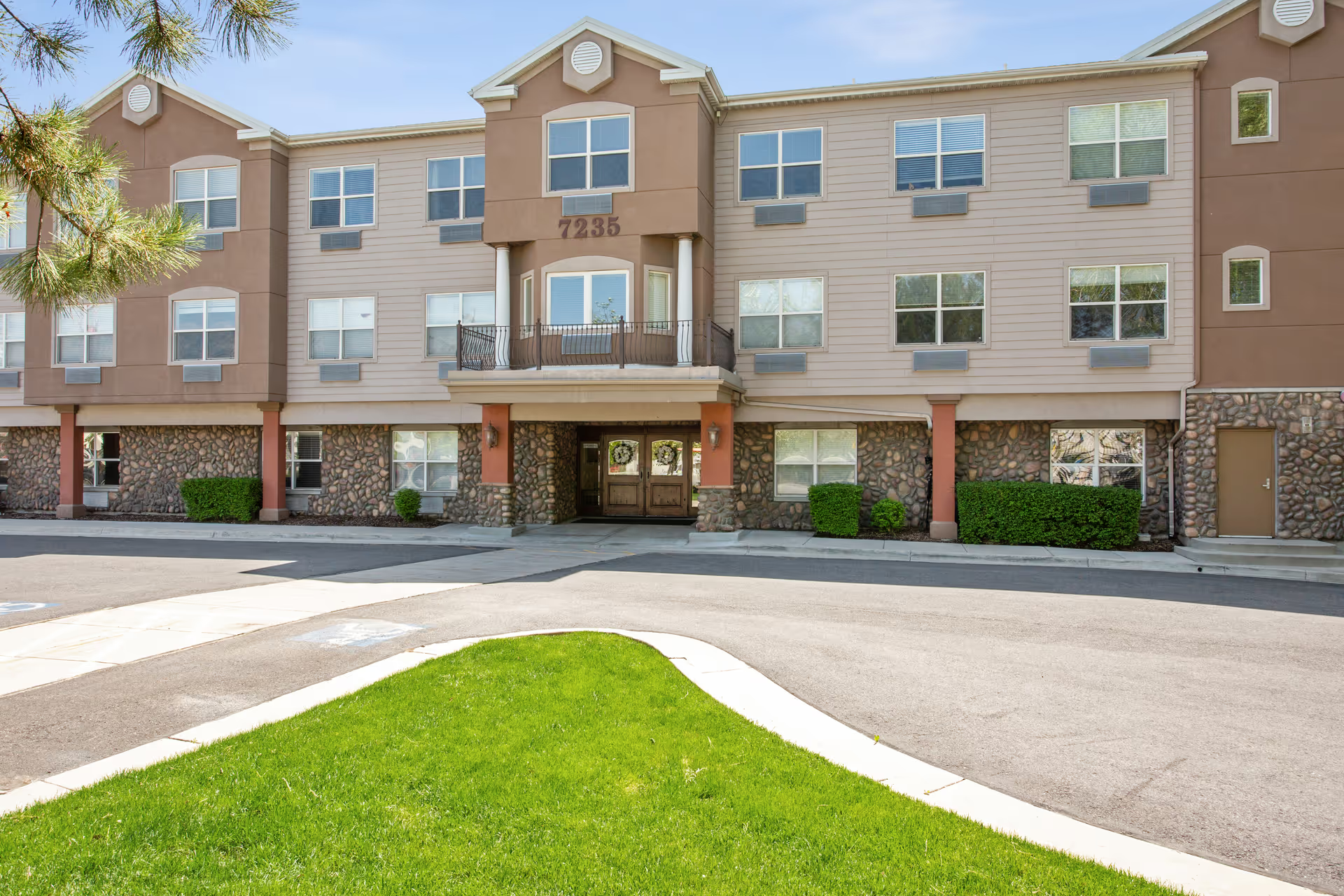
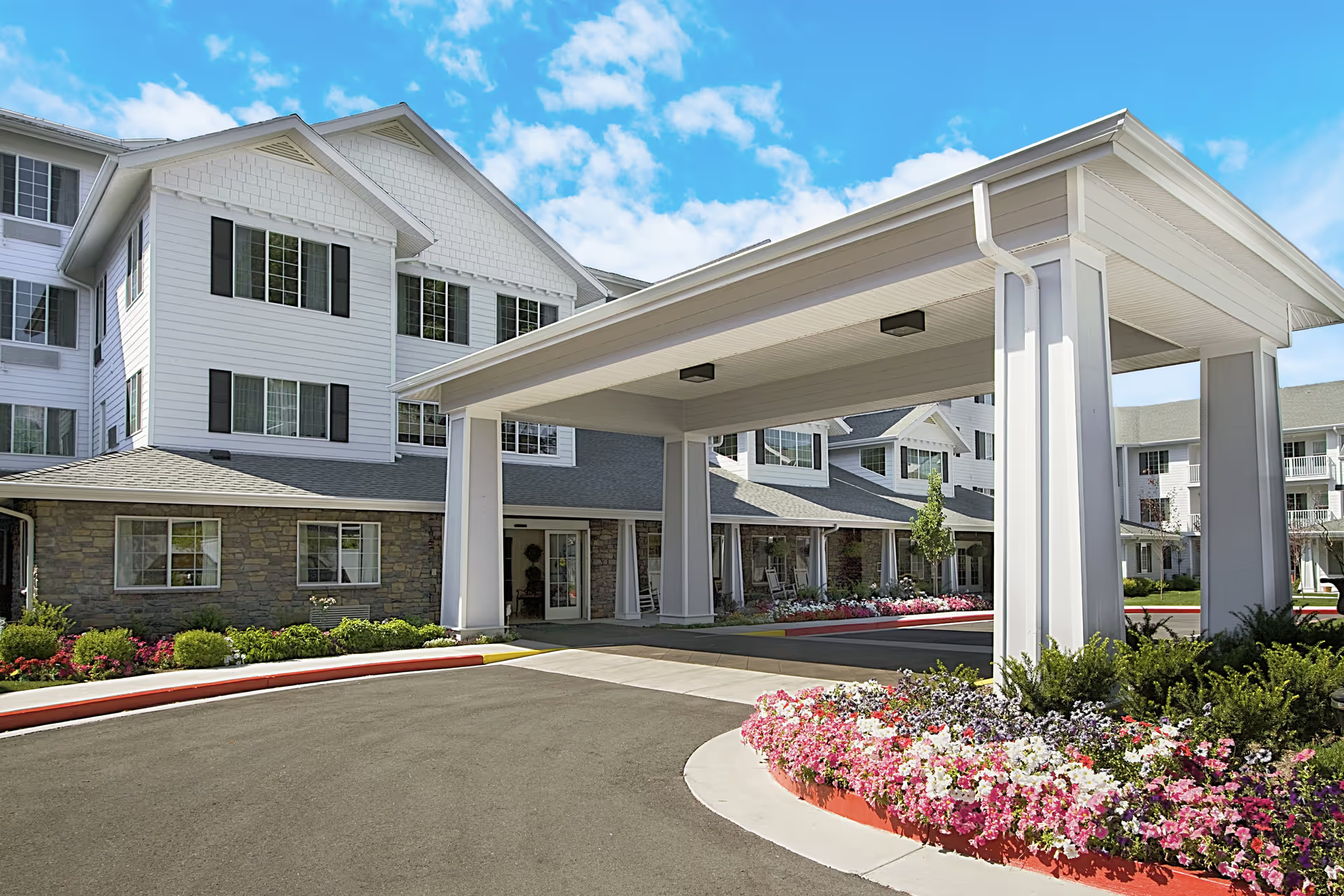
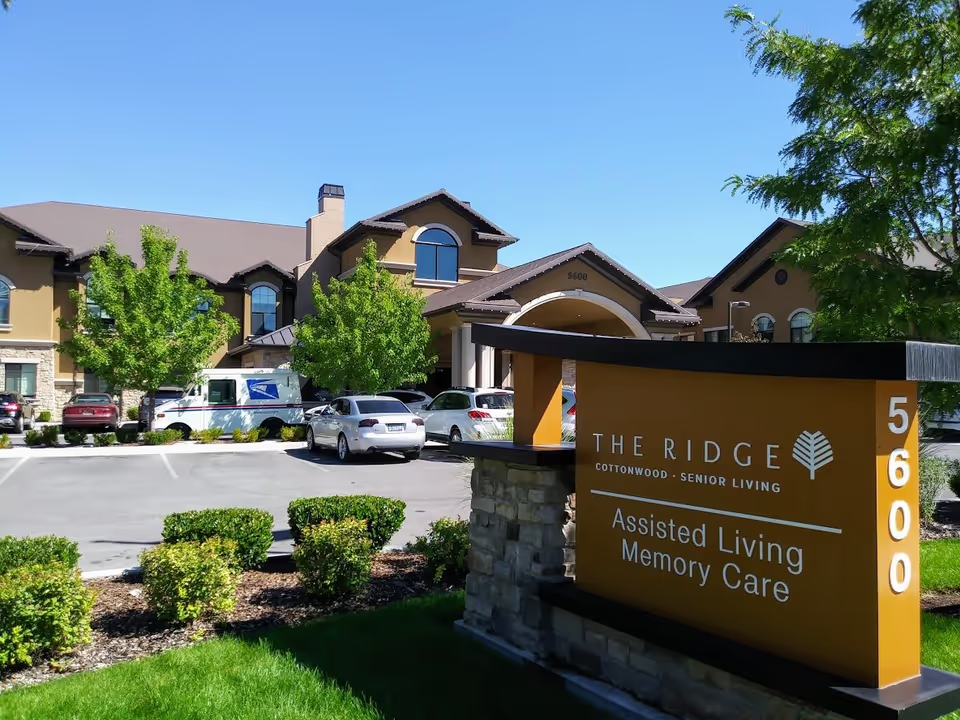
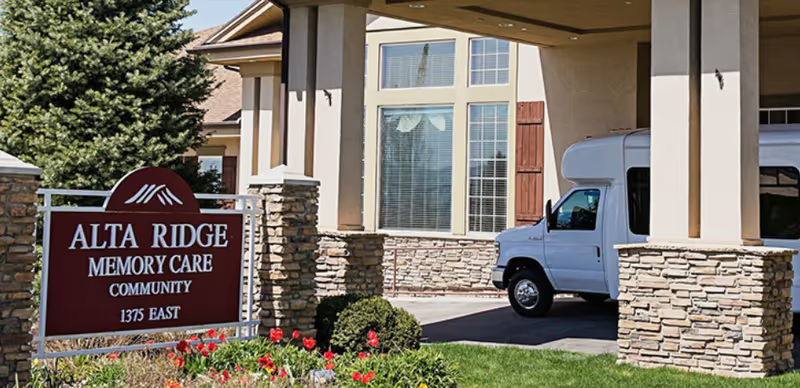
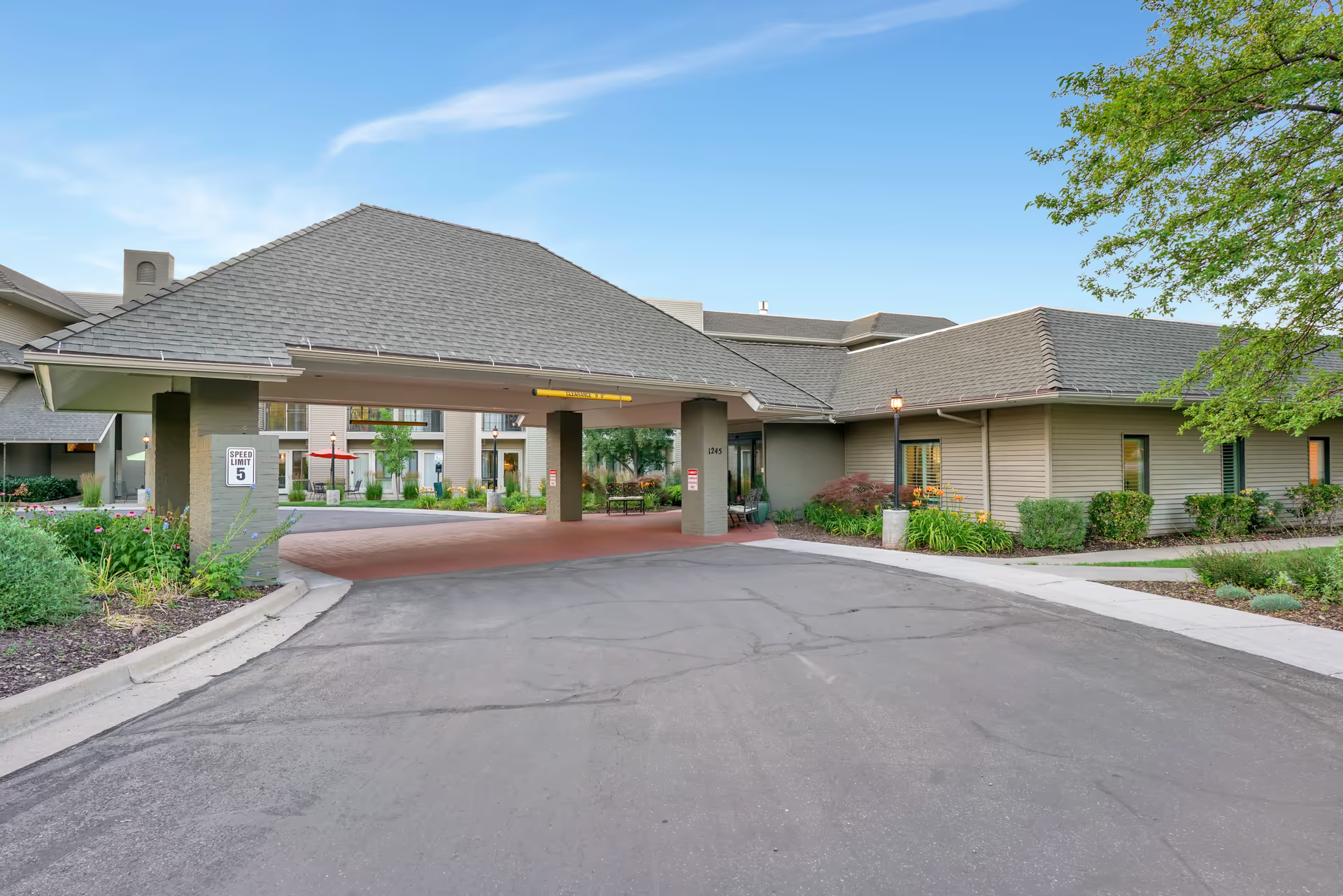
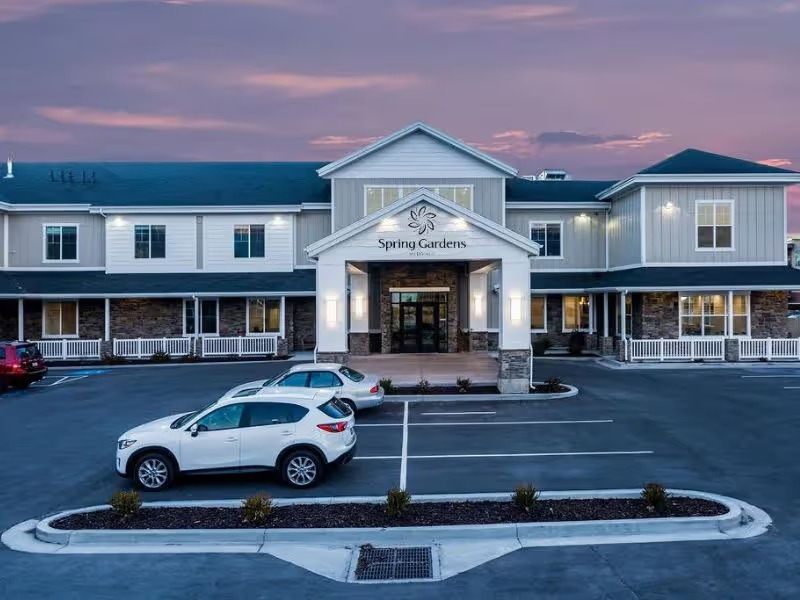
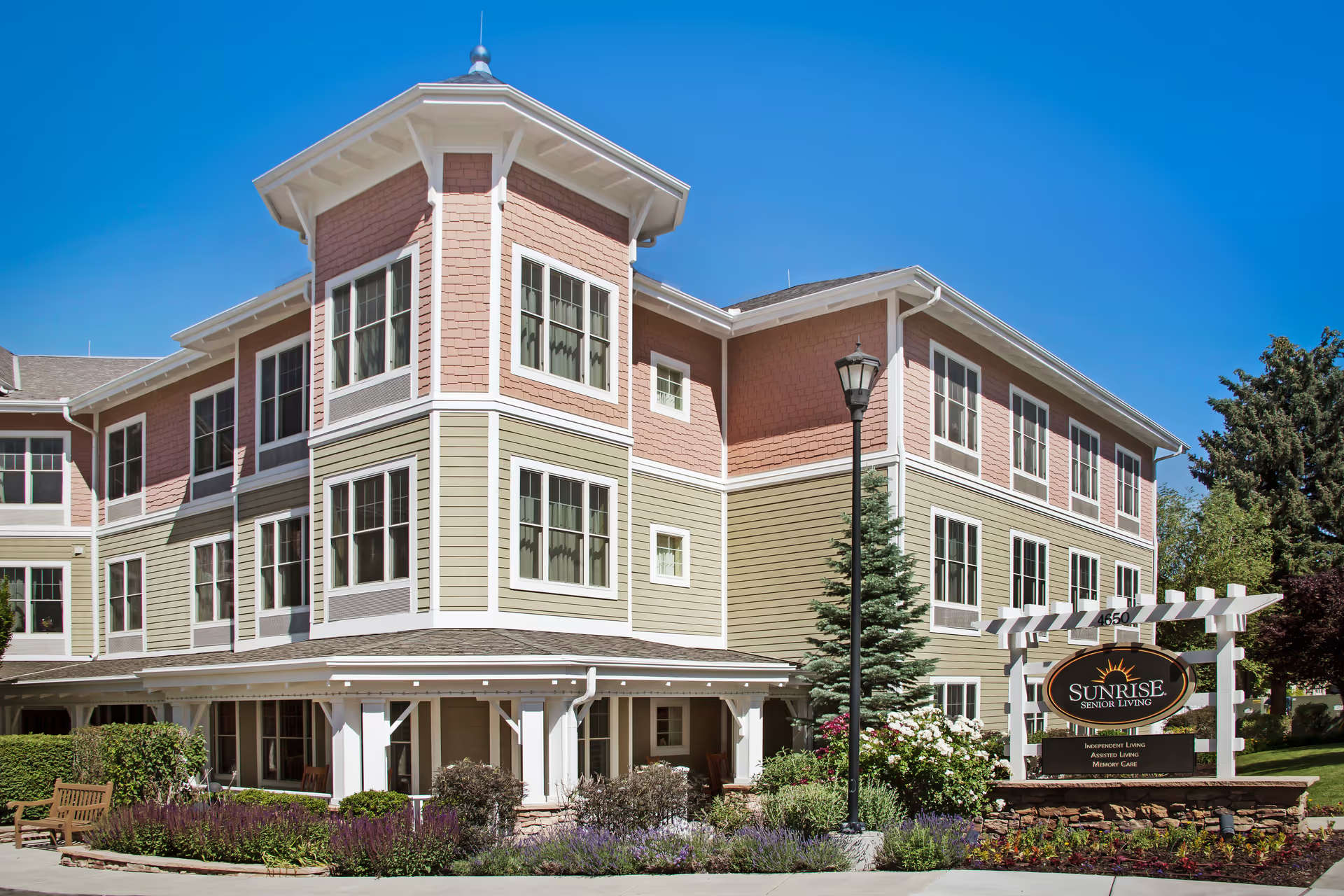
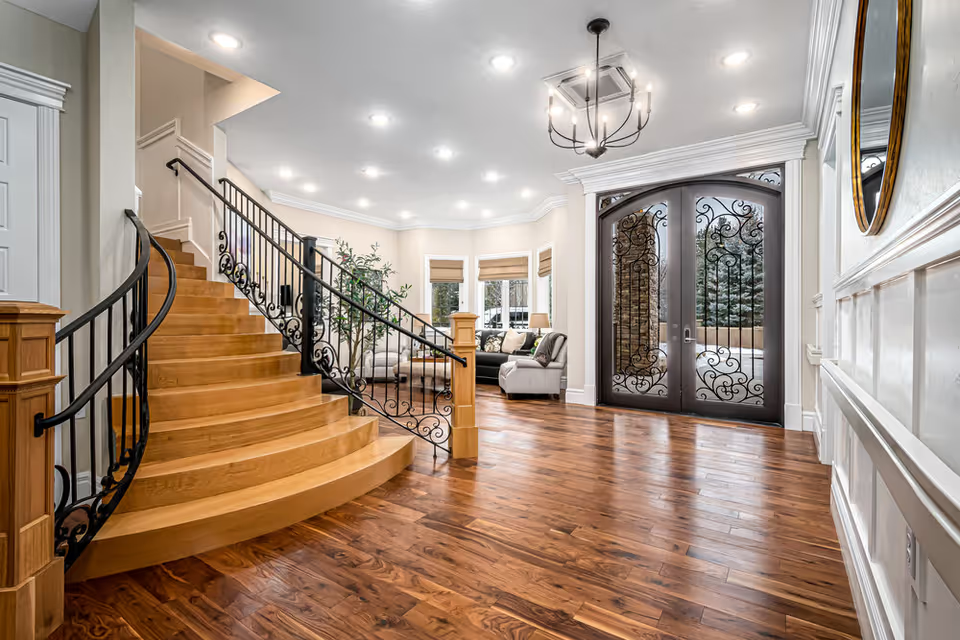
Aspen Ridge presents a mixed picture: the facility's physical environment and therapy services are frequently praised, while operational and clinical-consistency concerns recur. Many families and residents describe strong outcomes from physical and occupational therapy — therapists are characterized as knowledgeable, patient, goal-oriented, and instrumental in improving mobility and independence. The facility itself is often described as newly remodeled, clean-looking, and comfortable, with attractive common areas, an outdoor courtyard and gazebo, and in-room conveniences such as refrigerators and microwaves.
At the same time, there are repeated concerns about frontline care consistency. Reviews describe variability in personal-care tasks and incontinence-support routines, uneven nursing responsiveness and hourly rounding, and short or inconsistent therapy session lengths in some cases. Several comments point to gaps in medication administration timing and monitoring, and there are concerns about the use and management of sedative medications. These themes suggest uneven adherence to basic care routines and monitoring protocols.
Communication and safety processes are another area of tension. Multiple families cited delays or gaps in notifying them about clinical changes, transfers, or urgent events, and some described difficulties with call-button responsiveness and alarms. These accounts align with broader operational issues noted in staffing: high turnover, periodic reliance on temporary personnel, and language barriers that can affect care coordination and family communication. Together these factors appear to create variability in resident experience and responsiveness to emergent needs.
Dining, activities, and resident life receive mixed feedback. Some reviewers commend meals, dietary accommodations, and an active program of activities (painting and organized events), while others describe bland or overcooked food and challenges accommodating specific disability-related needs (for example, assistance with cutting or portioning). The facility's public spaces and amenities are generally viewed positively, but a subset of reviewers raised sanitation and pest-control concerns that contrast with the otherwise well-maintained appearance.
Management and administration elicit divergent impressions: some families report timely communications, helpful administrative staff, and effective coordination of therapy and discharge planning; others report poor communication during incidents, concern about documentation practices, and frustration with follow-up after adverse events. There is at least one allegation of documentation alteration that prompted external review; the available notes indicate a regulatory review with no fault found. These mixed managerial impressions echo the overall pattern of high variability in performance.
Bottom line: Aspen Ridge demonstrates clear strengths in rehabilitation therapy and in physical environment and amenities, and many residents benefit from compassionate individual caregivers. However, consistent delivery of basic nursing care, timely clinical communication, emergency-response reliability, sanitation practices, and staffing stability are areas that prospective residents and families should evaluate closely. Visiting the unit, observing shift change and rounding practices, confirming emergency-response systems, and discussing care plans and communication expectations with leadership are advisable steps for families considering this facility.