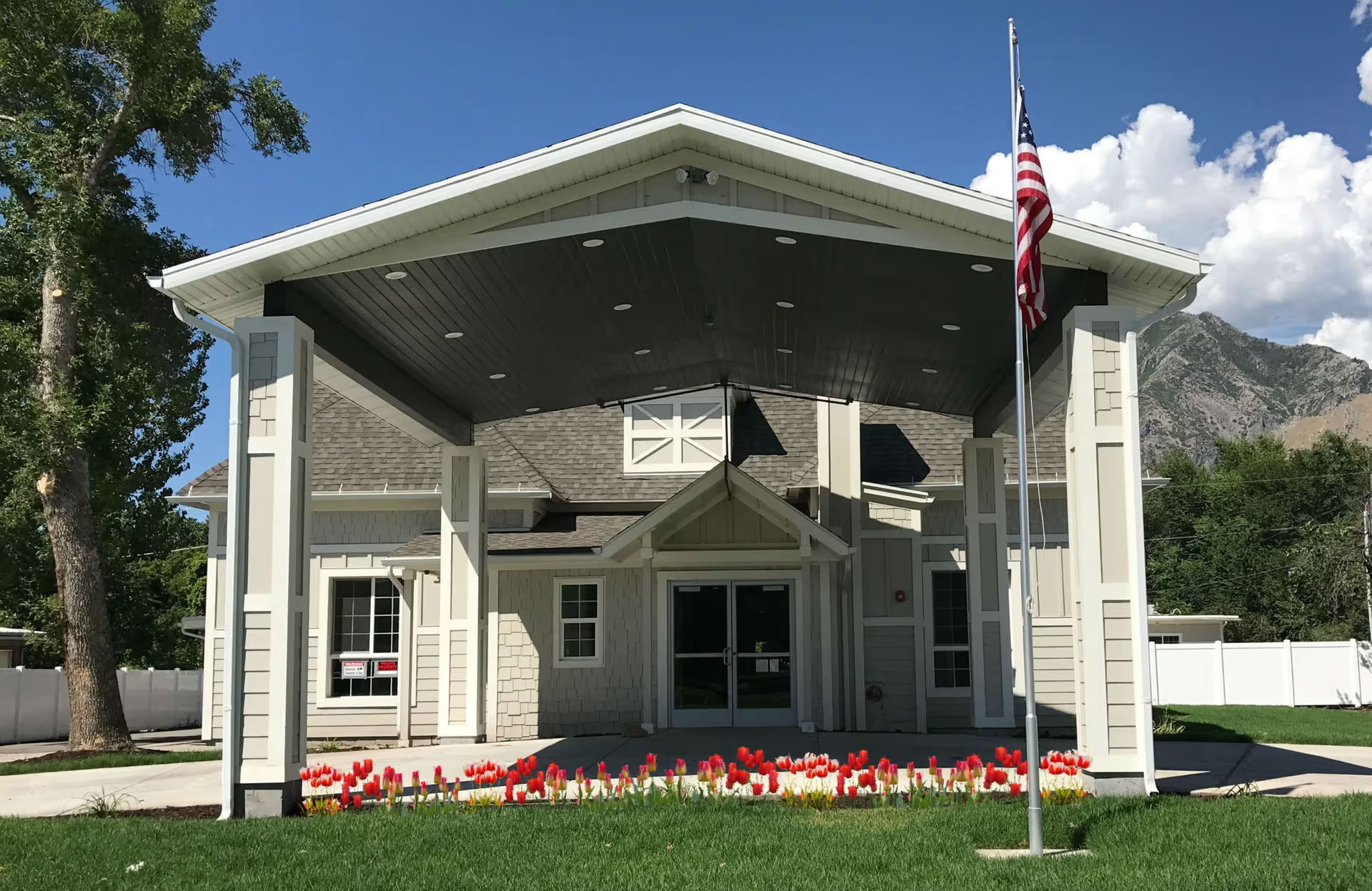
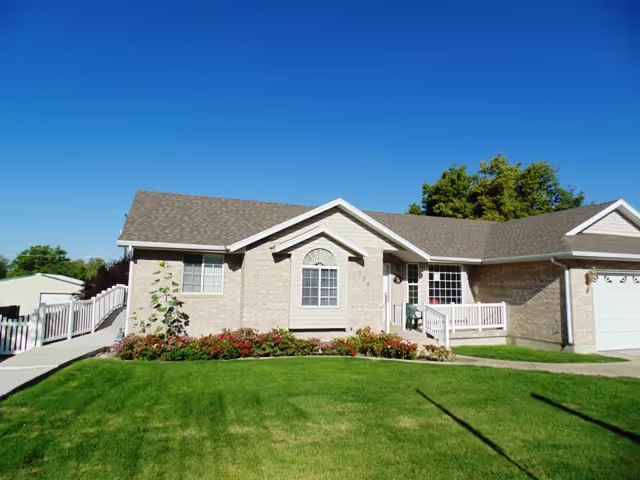
The review corpus presents a highly mixed picture of Monument Health Nephi, with clear strengths around frontline staff and therapy services alongside recurring operational weaknesses. Many reviewers highlight caring, committed CNAs, nurses, and therapists who provide individualized attention, effective rehabilitation, engaging activities, and consistent communication when leadership is stable. Families frequently praised specific administrators and director-level staff for proactive updates, smooth transitions, and problem resolution; renovated rooms and updated areas also received positive comment.
Conversely, a substantial set of concerns centers on inconsistent staffing and responsiveness. Multiple accounts describe long waits for assistance, call lights unanswered for extended periods, and insufficient aide coverage on certain shifts (weekends and nights cited). These staffing gaps are linked to delays in personal care tasks such as bathing and toileting assistance and to safety events including falls and transfer‑related incidents. Reviewers also describe maintenance and environmental issues in parts of the building — broken beds or toilets on arrival, equipment stored in hallways, and areas awaiting repair — which affect room usability and resident comfort.
Cleanliness and sanitation emerge as a persistent theme with variability across units and time. Some families describe clean, fresh‑smelling areas and attentive housekeeping in recently updated wings, while others note sanitation concerns, odor issues, and inconsistent laundry or bedding procedures in other parts of the facility. Related to clinical care, there are intermittent reports of skin‑integrity and wound‑care concerns, medication‑management lapses, and questions about nutrition or snack choices that suggest gaps in clinical oversight and quality assurance processes.
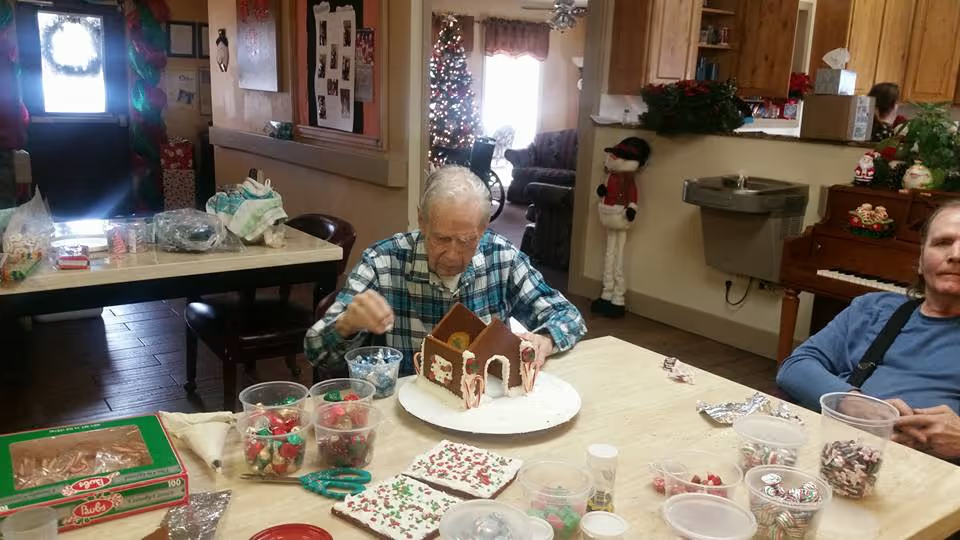
Dining and activities receive mixed feedback. Several reviewers praise meals, dietary staff, outings, movies, and recreational programming that contribute to a home‑like atmosphere and social engagement. Other families find food quality inconsistent and menu offerings unsatisfactory. Memory‑care and secure‑unit services are seen positively by some for safety and specialized attention, while others express concern about placement and supervision of residents with cognitive impairment.
Management and leadership stability appear to be a determinative factor in quality perceptions. Accounts describe dramatic improvement under new administrators and sustained leadership, whereas turnover, perceived administrative inaction, or problematic management behaviors correlate with negative experiences. Specific operational issues — missing personal items after moves, billing concerns, and variable follow‑up after incidents — point to weaknesses in administrative processes and resident‑property/accountability controls.
In summary, Monument Health Nephi demonstrates strengths in compassionate caregiving, therapy services, and areas that have been renovated or benefited from engaged leadership. At the same time, prospective residents and families should evaluate unit‑level conditions, ask targeted questions about staffing patterns (including weekend and night coverage), infection‑control and sanitation practices, maintenance plans for equipment and rooms, medication‑safety protocols, fall‑prevention measures, and policies for handling resident belongings and family communication after incidents. Recent leadership changes have been associated with improvements in several accounts; assessing current leadership stability and quality‑improvement activities will help determine whether those improvements are sustained.