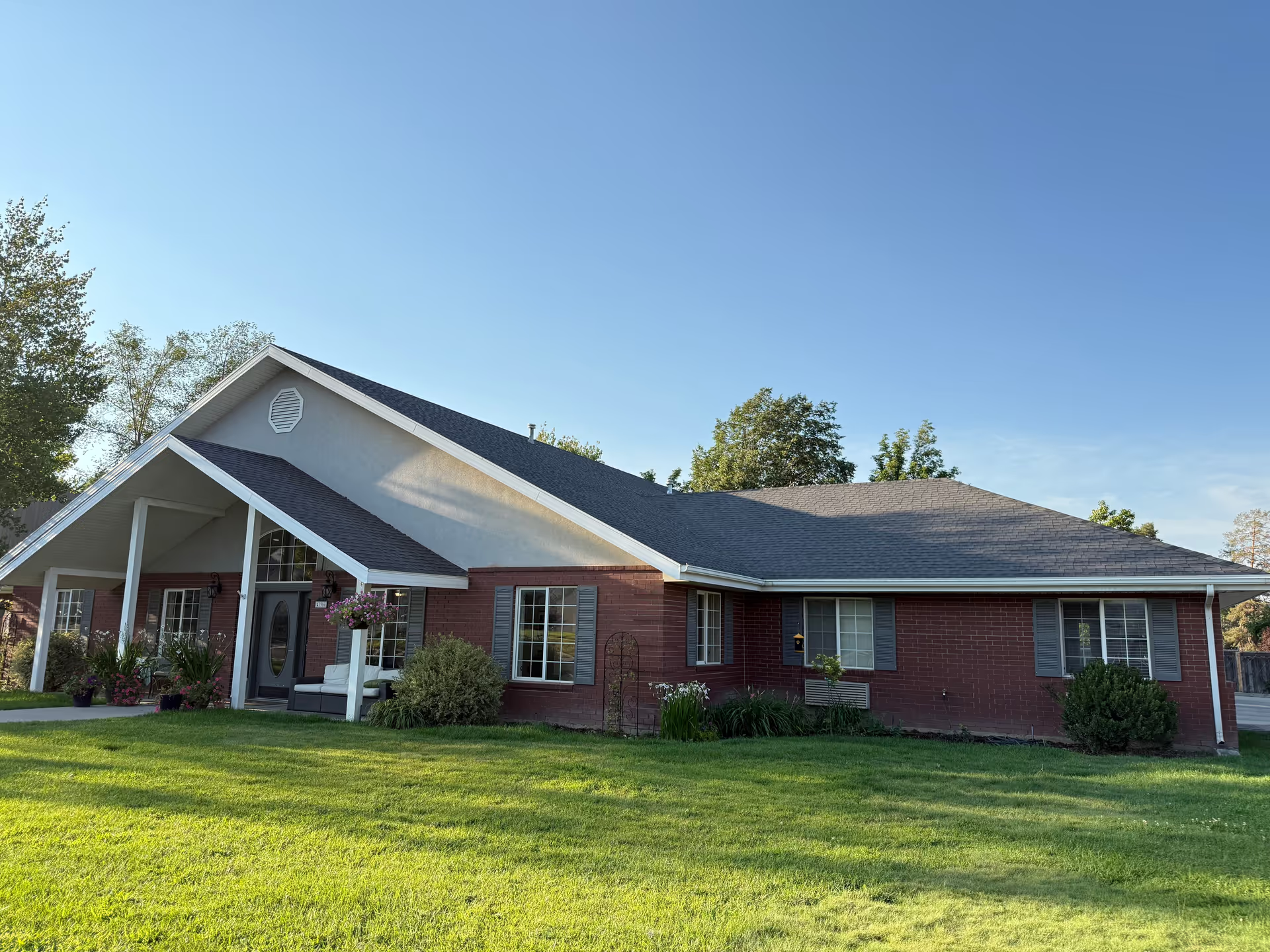
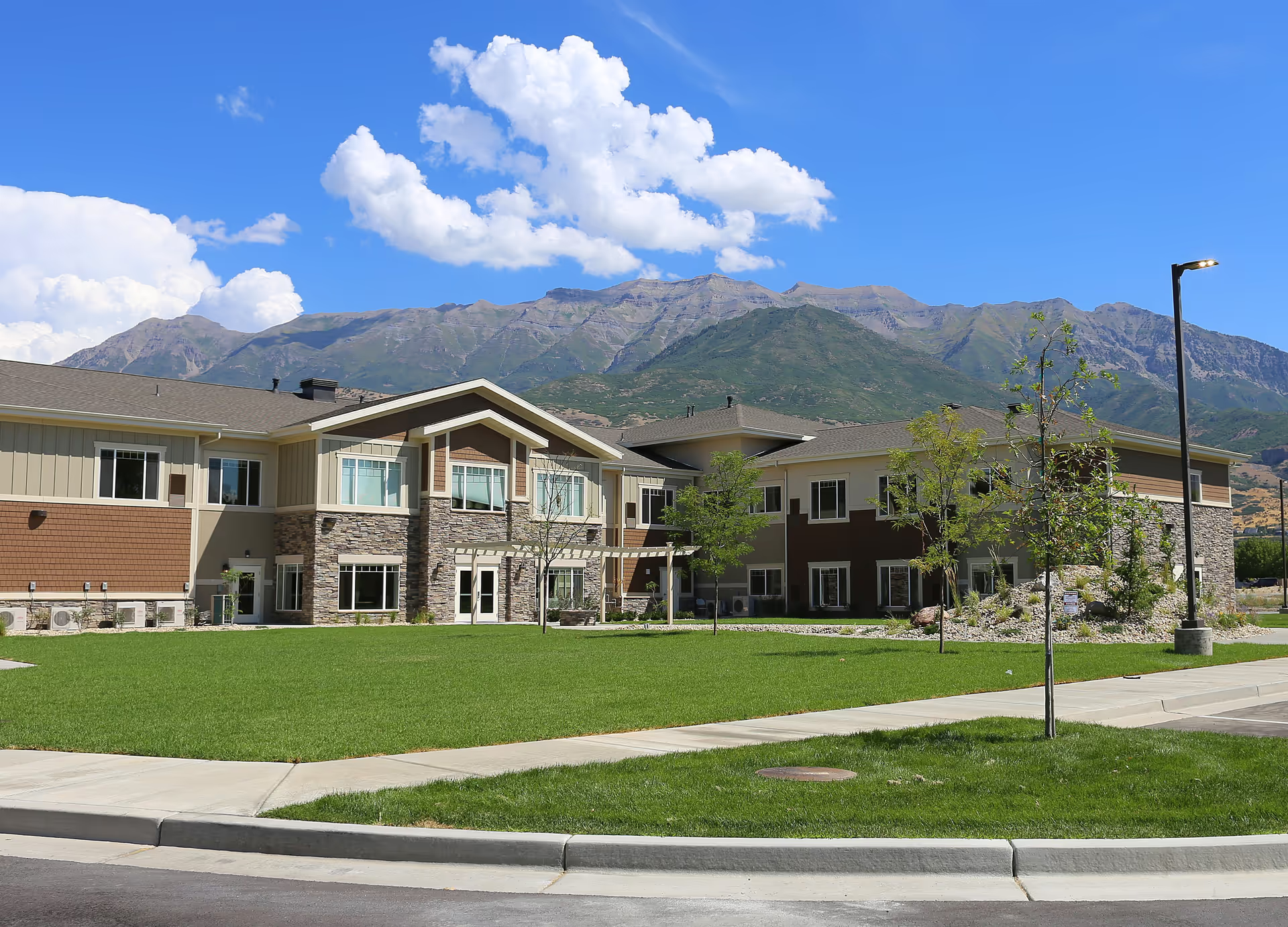
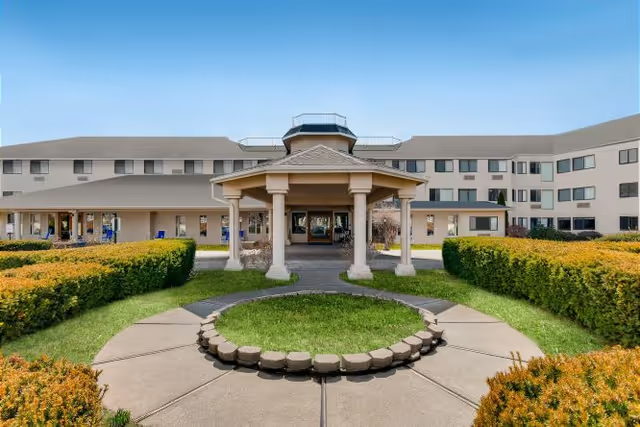
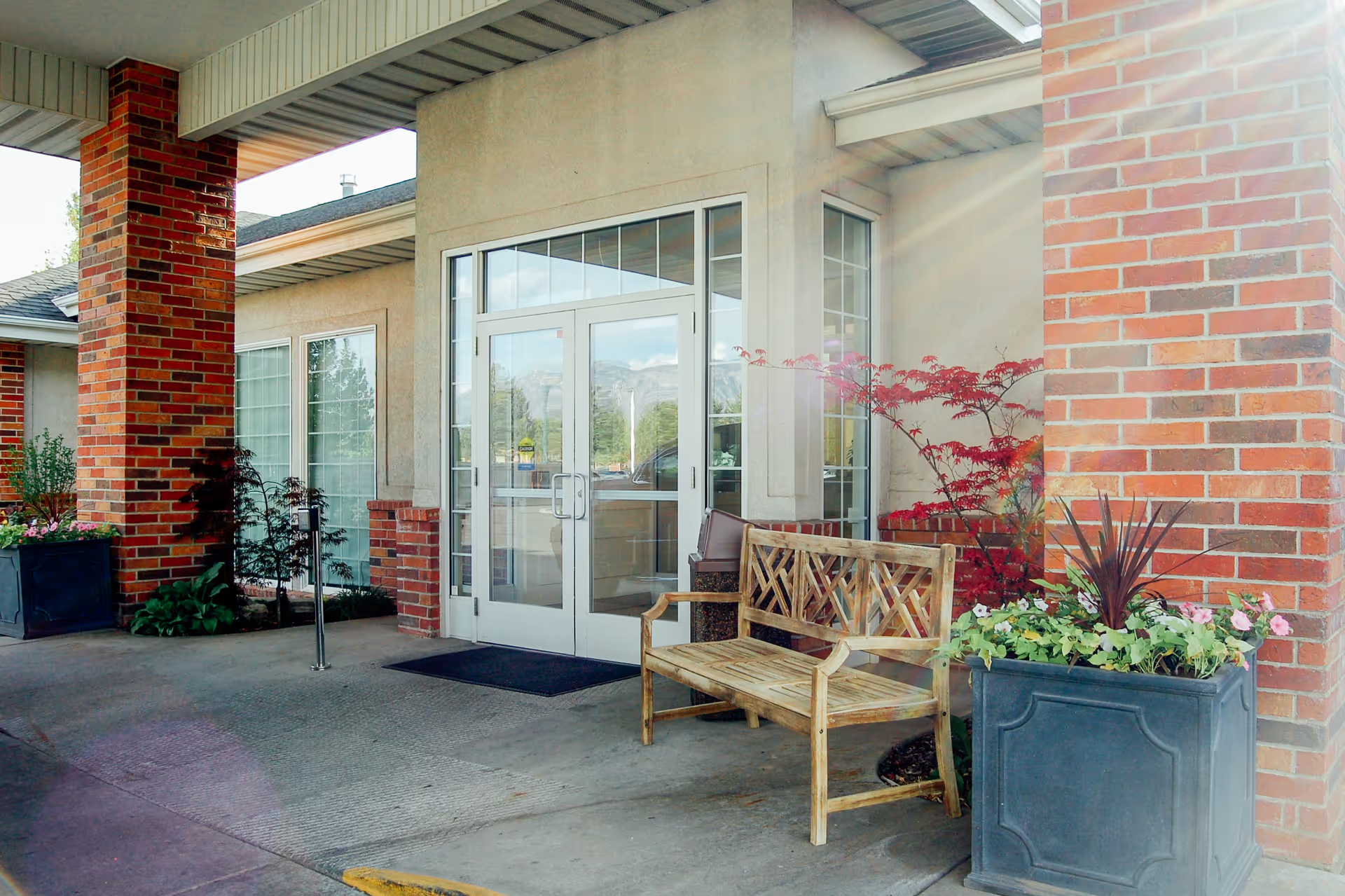
The reviews for Cascades at Orchard Park present a polarized picture. Many families and residents praise the facility’s rehabilitation services, wound-care nursing, and its engaging activities program. Positive themes include a clean, recently renovated environment, a welcoming, home-like atmosphere, and a strong physical-therapy team that many reviewers credit with meaningful functional improvement. Several individual staff members and administrators were called out by name for professionalism and kindness; the facility also receives repeated positive comments about its social programming, therapy equipment, and visitor amenities.
At the same time, a consistent cluster of operational concerns appears across reviews. The most frequently cited issues involve clinical reliability: inconsistent medication administration and documentation (including missed or incorrectly prepared doses) and gaps in routine monitoring. These concerns are linked in several accounts to delayed clinician response, hurried or shortened therapy sessions, and transfers to hospital for acute problems such as infection or metabolic instability. Reviewers describe long wait times for CNAs, unstaffed nursing stations at times, and malfunctioning or slow call-button response, which together point to chronic staffing and coverage challenges.
Dining and nutrition were another mixed area. Some reviewers praised meal variety and large portions, while others noted limited breakfast choices, difficulty obtaining condiments or beverages, and instances where dietary restrictions were not followed for residents with diabetes. These accounts suggest inconsistent meal-service controls and variable adherence to individualized dietary plans.
Sanitation and personal-care concerns appear in multiple reviews, described as delays in toileting and linen changes and broader sanitation issues in some rooms. Several accounts describe resulting infections or skin concerns that required hospital readmission, indicating potential gaps in incontinence-care procedures and infection-prevention practices. Family communication and administrative responsiveness are also uneven: while some families describe clear, compassionate communication and smooth discharges, others report difficulty reaching staff by phone, unreturned administrator calls, and confusing handoffs.
A small number of reviews raise particularly serious claims about end-of-life practices and medication use; these are described as troubling by those families and warrant careful inquiry. There are also multiple strong endorsements of specific staff (including wound-care nurses and therapists) and of leadership by other reviewers. Overall, the pattern is one of a facility that can provide high-quality rehabilitation and has many dedicated, compassionate employees, but that also exhibits recurring operational weaknesses—especially around staffing, medication management, timely basic-care responses, sanitation processes, and consistent communication. Prospective residents and families should consider visiting during different shifts, asking about staffing ratios, medication-safety and infection-control protocols, and observing call-response and dining procedures to validate that the facility’s strengths align with their care expectations.