Orem Rehabilitation & Skilled Nursing is repeatedly described as a strong post-acute rehabilitation facility with pronounced strengths in therapy and many staff-level positives. Families and clinicians often highlighted the facility's skilled physical and occupational therapy, a large and well-equipped gym, and staff expertise in areas such as cardiac, stroke, and wound care. Numerous accounts describe measurable functional gains—patients regaining ability to walk, improved balance, and preparedness for discharge—often attributed to an engaged and motivating therapy team and individualized rehab plans.
Care and staffing present a mixed picture. Reviewers consistently praise compassionate nurses, attentive CNAs, and staff who create a family-like atmosphere; several staff and administrators are singled out positively for hands-on involvement. At the same time, there is a recurring pattern of variable staffing levels and delayed response to call lights and clinical requests. These operational inconsistencies correlate with concerns about timeliness of assistance, medication delays, and uneven personal-care delivery such as bathing schedules and incontinence-care follow-up. High staff turnover and coverage gaps were frequently identified as contributing factors to inconsistent experiences across shifts.
Dining and clinical coordination also show variability. Some families praised the kitchen team for accommodating dietary preferences and enabling meals together; others described inconsistent meal quality, limited special-diet options (notably for diabetes/lactose concerns), and cross-contamination or allergen-control lapses. Medication administration and discharge processes were another area of uneven performance—examples include delayed prescriptions, missing or lost discharge paperwork, and challenges coordinating home-health orders—indicating gaps in pharmacy and case-management workflows.
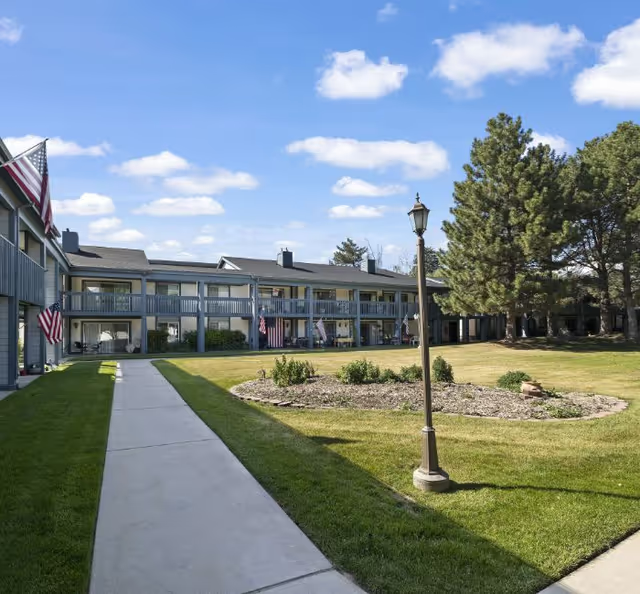
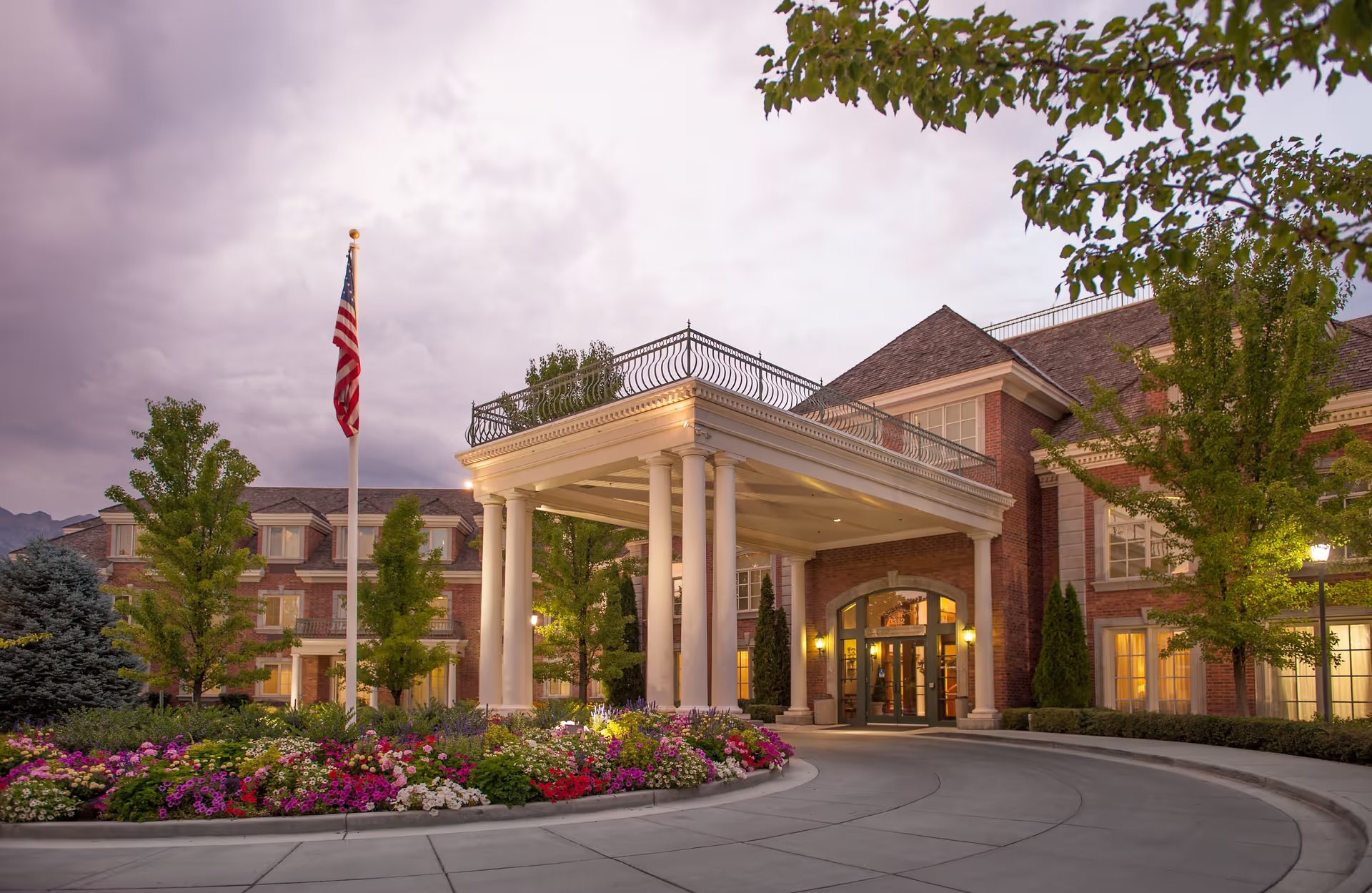
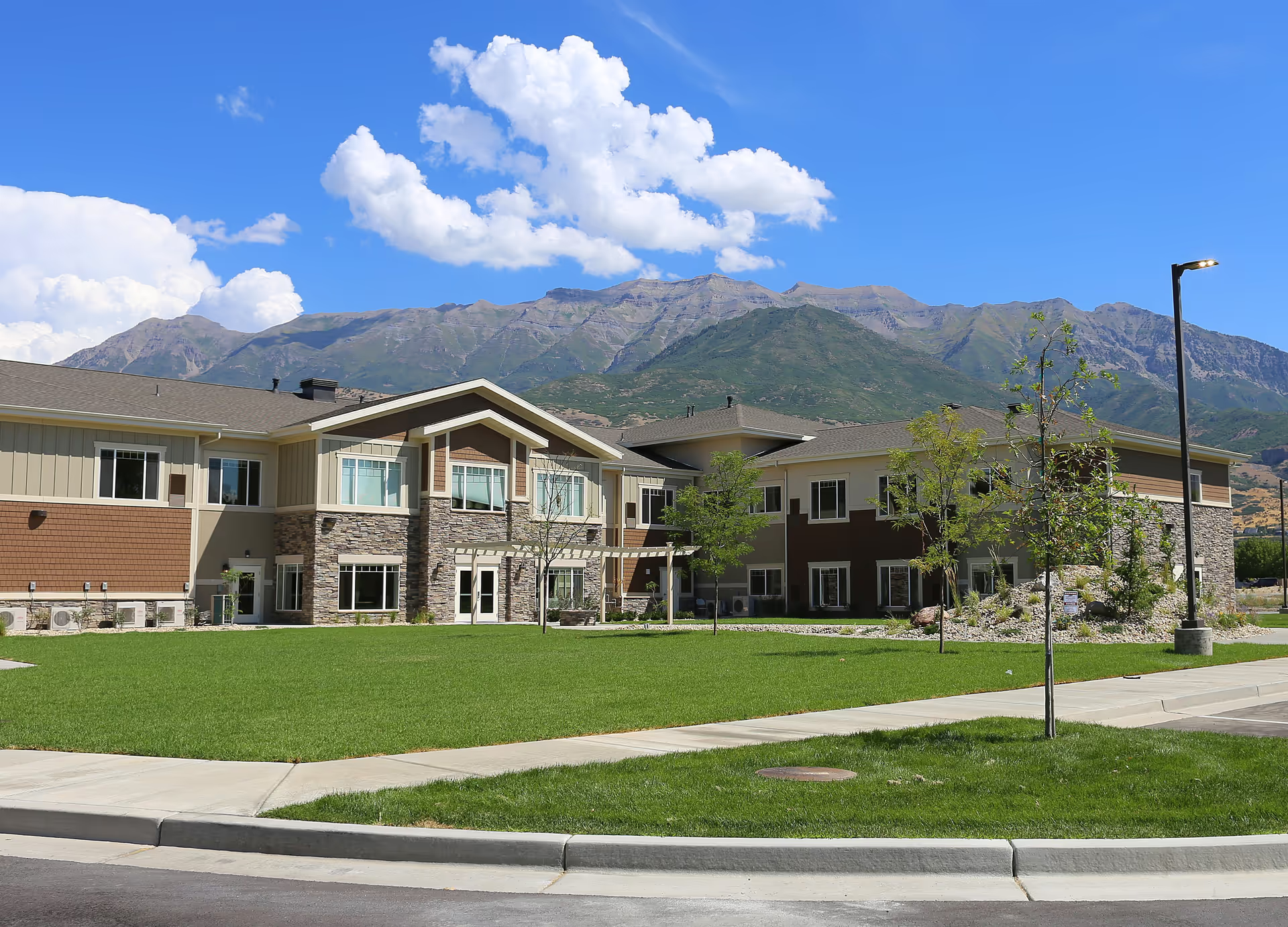
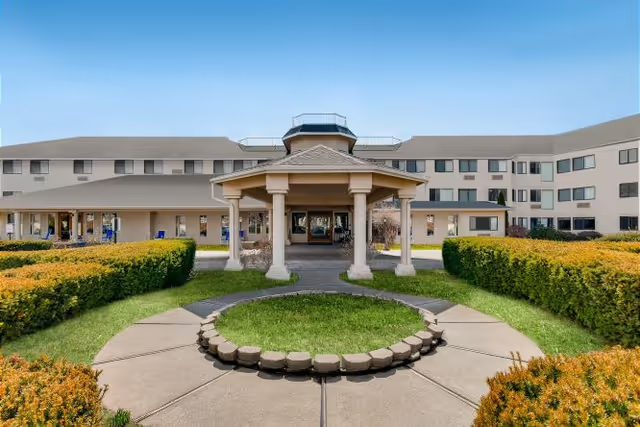
Facility, activities, and environment are generally viewed positively. The site has undergone renovations, and many reviewers noted clean, pleasant common areas, an accessible healing garden, and an active schedule of recreational programming (bingo, music therapy, cooking, balloon volleyball, movie nights). Families valued video/translation aids for communication and an admissions process that can be efficient for hospital transitions. However, specific facility-safety and infection-control processes raised concerns in some accounts, including bathroom configuration and the absence of in-room emergency call options in particular bathrooms, PPE and cleaning inconsistencies, and uneven housekeeping attention in certain rooms.
Management and communication are described as responsive at times and inconsistent at others. Several families reported effective, proactive administrators and case managers who expedited admissions and addressed problems; others experienced slow or absent follow-up from case management, poor physician communication, and difficulty obtaining timely answers about clinical status or discharge. This variability suggests uneven managerial oversight or differences between units and shifts rather than universally consistent practice.
Overall, the facility delivers strong rehabilitation services and many families found staff to be caring, skilled, and effective—particularly in therapy and short-term post-surgical recovery. At the same time, prospective residents and families should be aware of recurring operational weaknesses: staffing variability, delayed responsiveness to resident needs, sanitation and cleaning inconsistencies, dietary and allergen management gaps, and occasional gaps in medication and discharge coordination. When considering admission, it is advisable to ask specific questions about current staffing ratios, call-light response protocols, bathroom call systems, dietary accommodations, and discharge planning processes to set expectations and mitigate the variability described in these reviews.