Feedback for this Medallion Supported Living location presents a mixed but clear pattern: frontline caregiving is frequently described in positive terms, while operational and management-level issues raise concerns about sustainable care delivery. Strengths center on the direct resident experience — staff are characterized as patient, dedicated, friendly, and helpful, and the facility's small, home-like size supports a family-like atmosphere. Reviewers specifically point to staff who engage socially with residents and to spacious private rooms; the facility is also noted for an explicit emphasis on safety and a strong reputation within ICF/MR services.
Care and staff: The prevailing impression is that direct-care staff provide compassionate, resident-centered interactions. Patient demeanor, helpfulness, and social engagement with clients are repeated themes, suggesting strong rapport between caregivers and residents. However, operational pressures appear to undermine those strengths at times: understaffing and consistently heavy workloads are described as creating burnout risk and contributing to scheduling inflexibility. These workforce pressures can translate into reduced responsiveness and, in reviewers' accounts, an increased risk that care continuity is affected during busy periods.
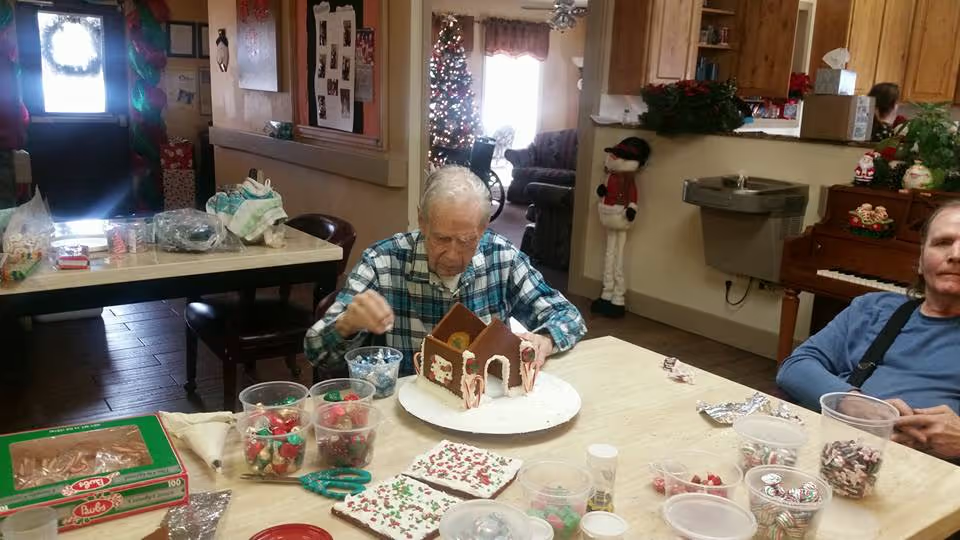
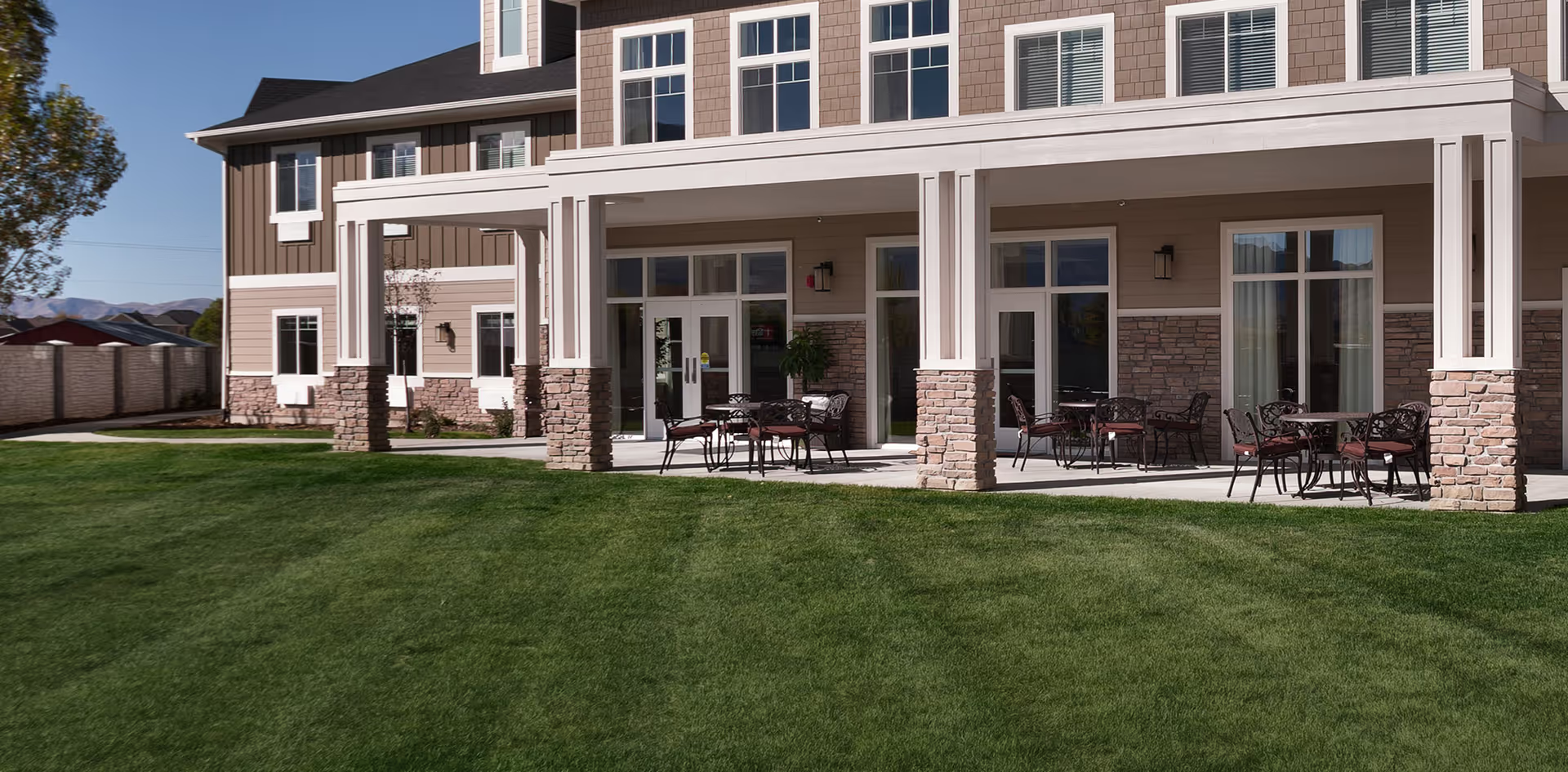
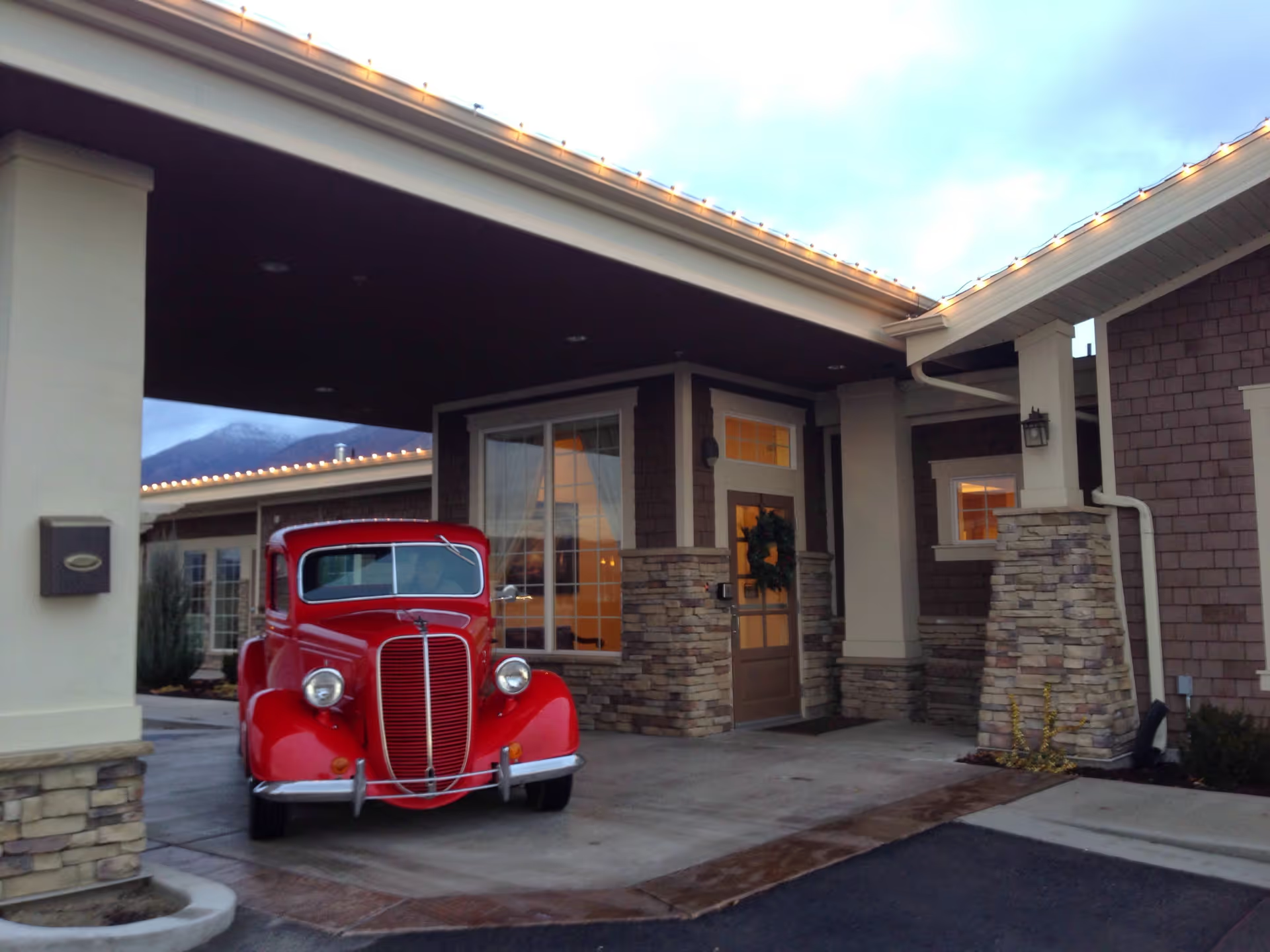
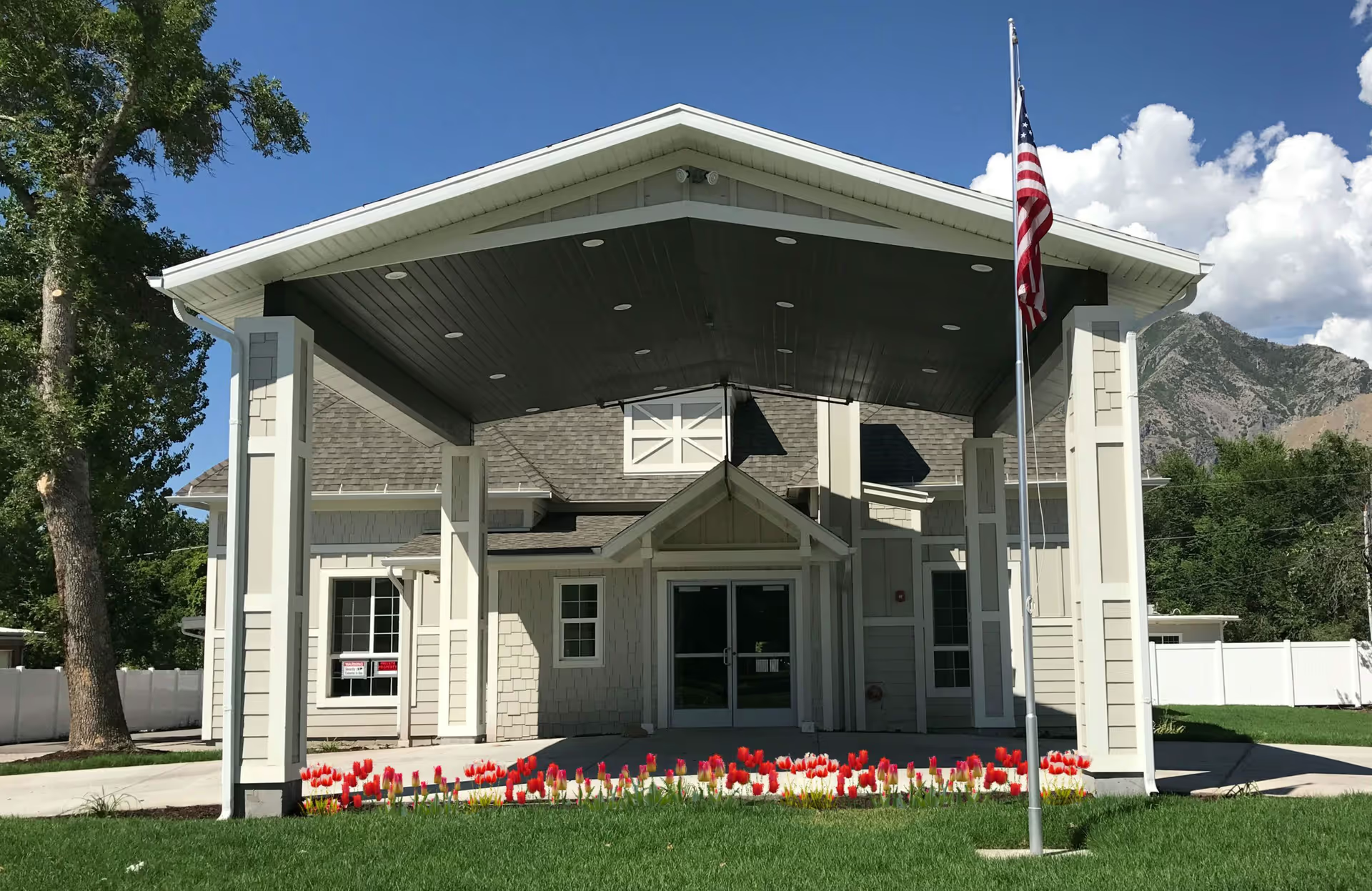
Facilities, dining, and activities: The physical environment is described positively, with specific mention of spacious private rooms and a small-scale setting that supports close staff–resident relationships. Review comments emphasize safety practices, though specifics about dining and formal activity programming are limited. Informal socialization appears to be a notable aspect of daily life — staff spending time with residents and facilitating social interaction — which may substitute for or complement formal activities. Prospective families should ask the facility for details about meal planning, dietary accommodations, mealtime routines, and the scope of structured activity schedules.
Management and operations: The most consistent operational concerns relate to staffing and managerial responsiveness. Review language points to restrictive scheduling practices, denial of time off for staff, long shifts, and a perception of ineffective management oversight. These factors are described as drivers of staff fatigue and turnover risk; where they are present, reviewers indicate that resident care can be more vulnerable. The contrast between strong bedside caregiving and weaknesses in administrative support suggests that improvements in scheduling, staffing levels, and managerial communication could materially affect overall care quality.
Notable patterns and considerations: The overall pattern is a facility with strong person-to-person care and a pleasant physical environment, but with systemic staffing and management challenges that may intermittently affect service consistency. For prospective residents and their families, recommended follow-ups include: asking about current staffing ratios and typical shift lengths, inquiring how time-off requests are handled, requesting a tour of resident rooms and common areas, and asking for specifics about dining options and formal activity programming. Clarifying these operational details will help determine whether the facility’s strong frontline culture is supported by sustainable administrative practices.