Overall impression: Reviews present a mixed but instructive picture. Many families and visitors describe a clean, comfortable facility with an active life-enrichment program and several skilled clinical contributors. At the same time, a subset of accounts raises operational concerns that affect perceived safety, personal care, and communication. These contrasting themes suggest meaningful variability between shifts, units, or individual staff members.
Care quality: Numerous reviewers praise compassionate nursing and attentive aides, with several families reporting well-managed pain control, prompt physical therapy, and thoughtful end-of-life attention when applicable. Positive clinical notes include timely PT, physician involvement, and on-time medication administration. However, there are consistent indications of inconsistent personal-care practices (bathing and oral care) and isolated but serious safety events (falls, pressure-area care concerns, and emergency transfers). These point to gaps in day-to-day care consistency and in systems for preventing and responding to clinical deterioration.
Staff and staffing: A dominant theme is staff dedication—many reviewers describe caring, patient, and hardworking nurses and aides, an engaged activities team, and hands-on administrators. Conversely, reviews also describe variability in staff experience, training, and organization. Understaffing and disorganization on certain shifts are cited as contributing to delays in care, uneven supervision, and inconsistent adherence to protocols. Prospective families should inquire about staffing ratios, staff turnover, and training practices.
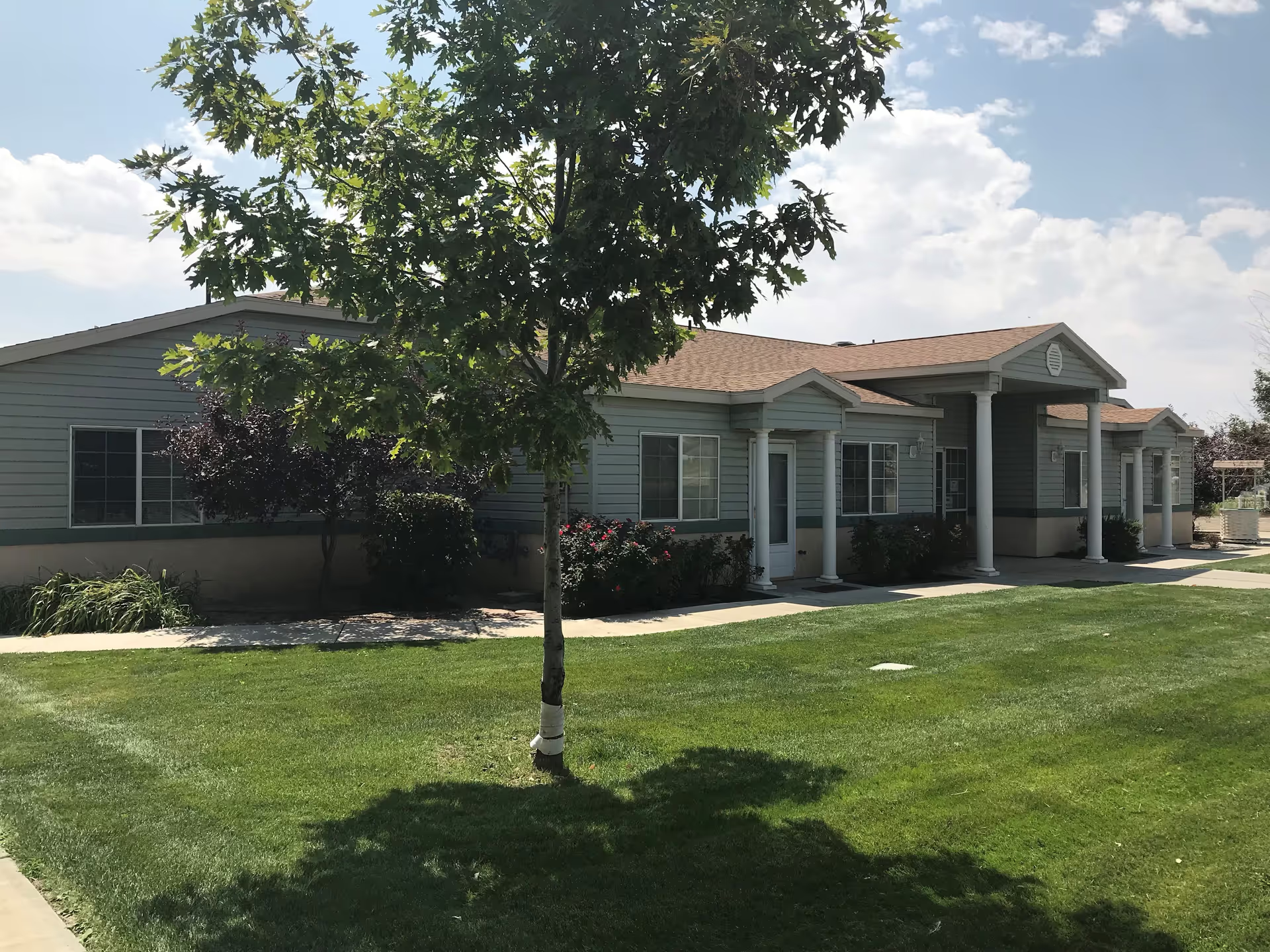
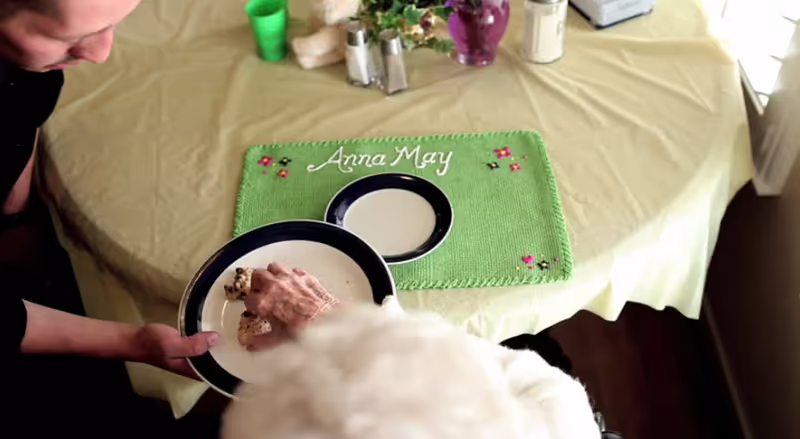
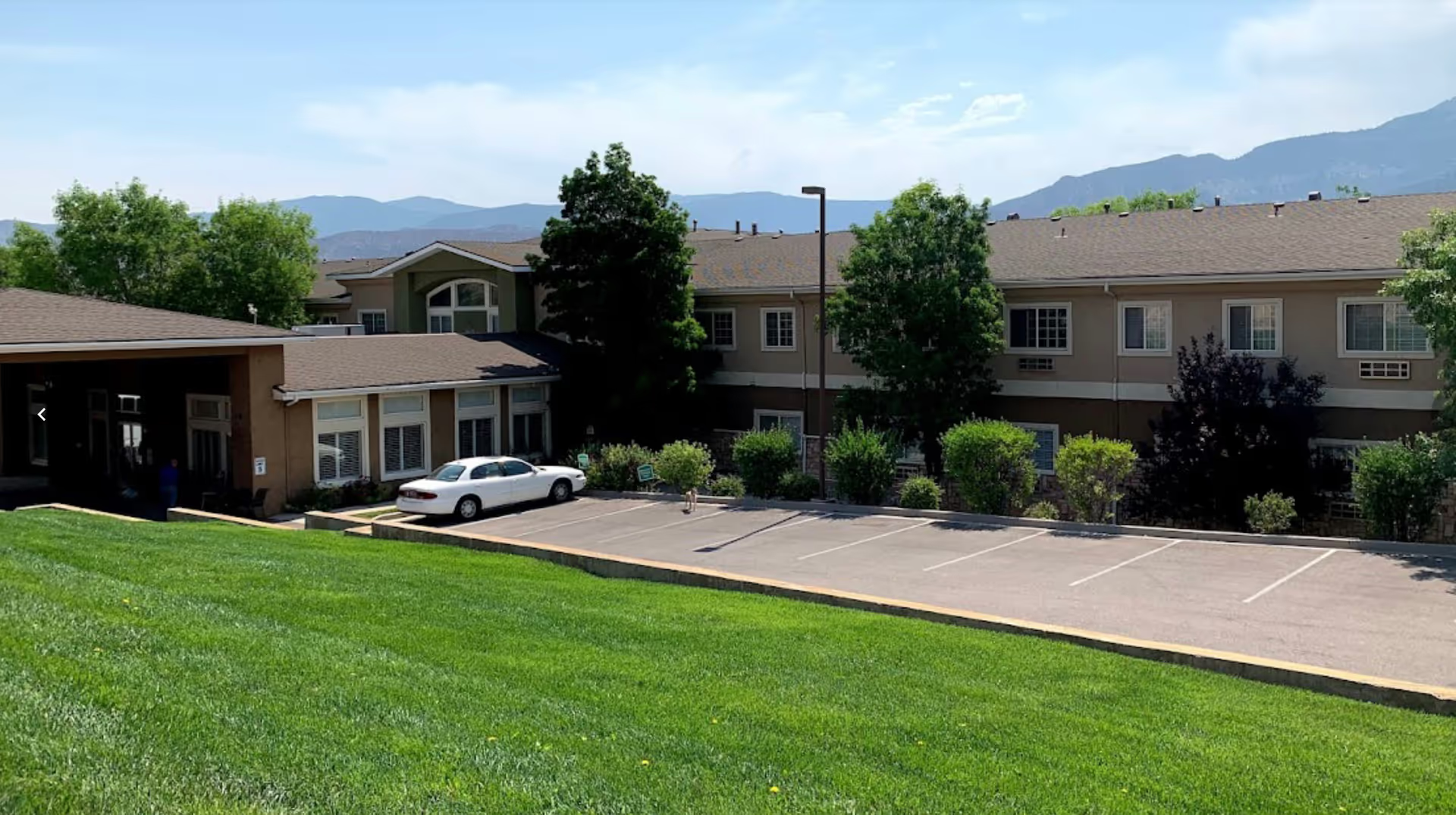
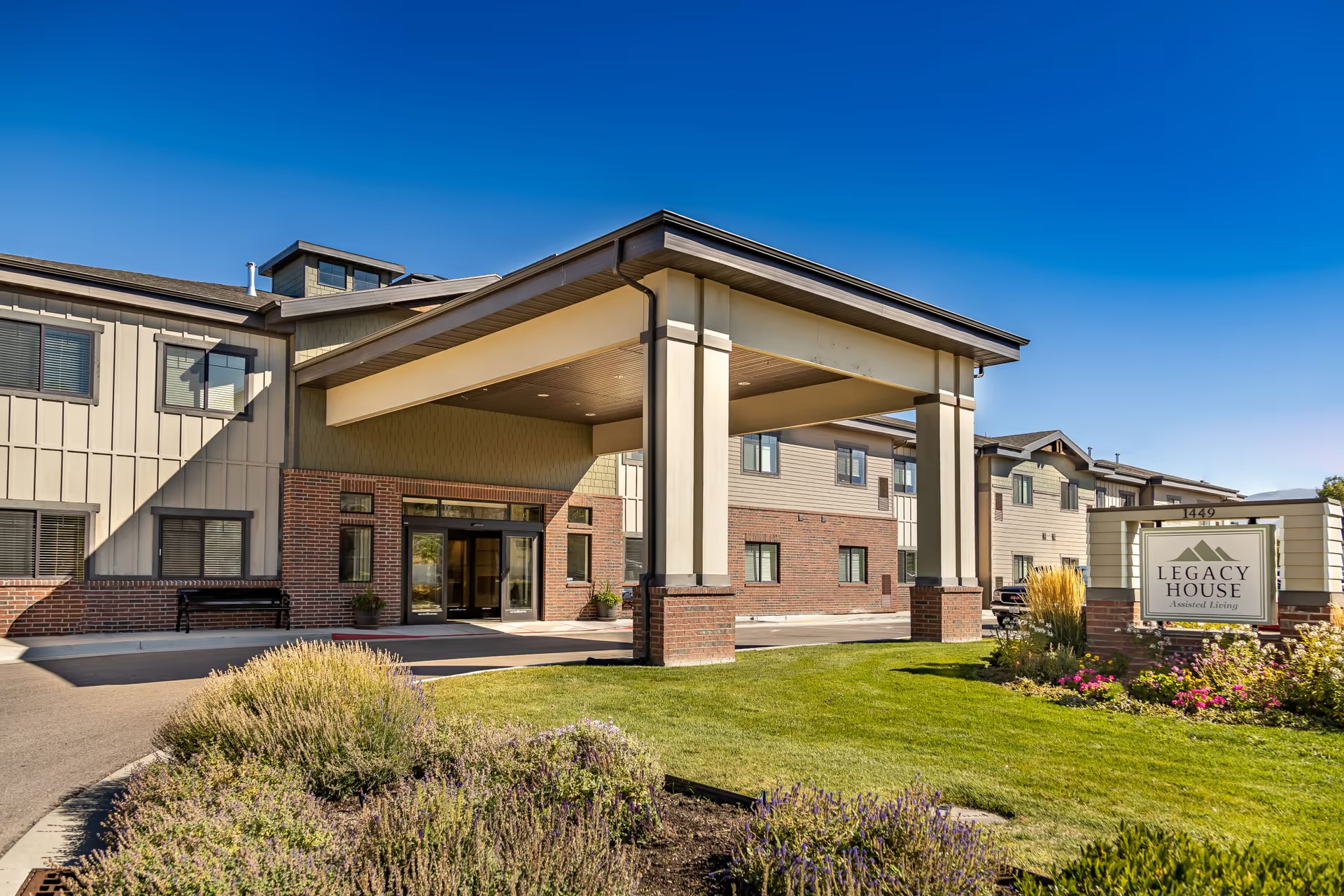
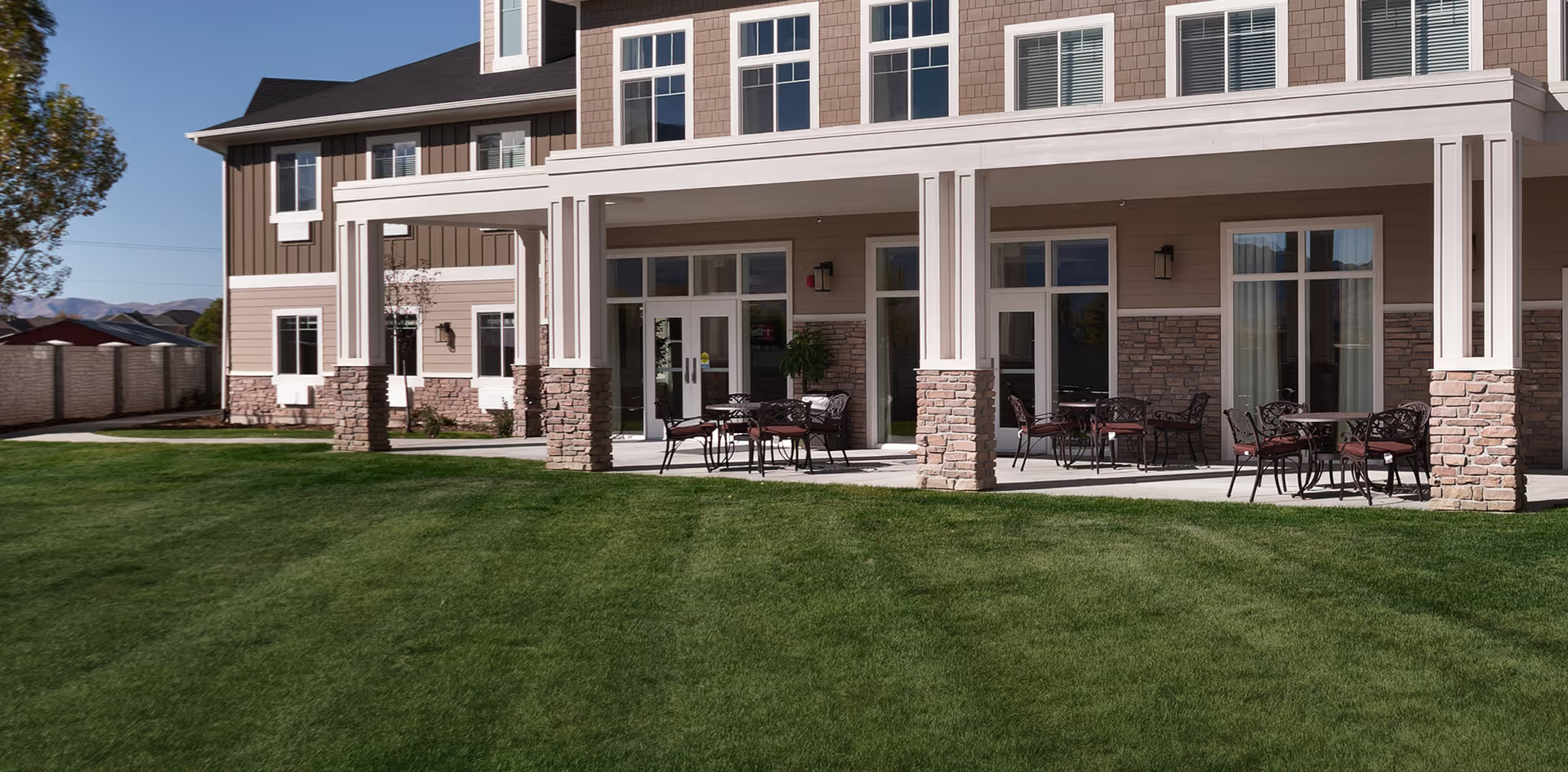
Dining and amenities: Food and dining are generally viewed positively: several reviewers enjoyed meals and mentioned that residents like the menu. Rooms and common areas are frequently described as clean and comfortable, and property managers and unit staff are noted as helpful by many families.
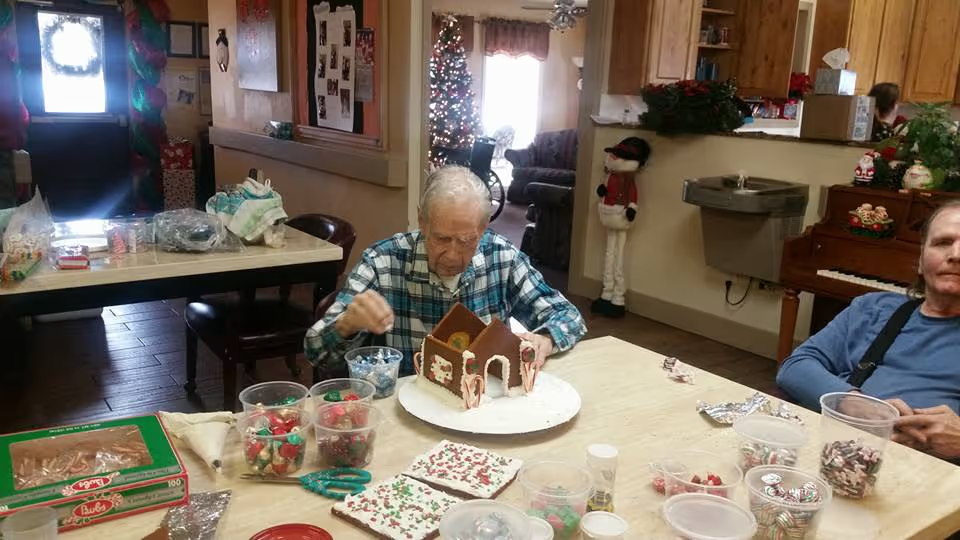
Activities and social life: The facility has a robust activities program that reviewers consistently praise—daily crafts, music and singing groups, cooking classes, games, and church-related services are regularly mentioned. Families report high resident engagement, opportunities for socialization, and programming that supports autonomy and lasting friendships.
Management, communication, and administration: Experiences with management are mixed. Some reviews commend proactive administrators who improved communication and follow-up, while others describe poor responsiveness, unreturned calls, billing problems, mishandled belongings, and communication breakdowns between clinical staff and families. A number of reviewers express concern about the tone and organization of management in certain instances. These patterns suggest uneven administrative processes rather than uniformly applied policies.
Notable patterns and recommendations: The overall pattern is of a facility capable of providing high-quality, person-centered care and an excellent activity environment, but one where execution can be inconsistent. Key operational areas to probe when evaluating the facility in person include personal-care schedules and standards, medication-management checks, fall-prevention and transfer protocols, staffing levels by shift, family communication procedures, billing practices, and memory-care oversight. Families should request recent staffing data, ask how safety incidents are escalated and reviewed, and seek references from current residents or families in the unit of interest to get a clearer sense of day-to-day consistency.