Across the reviews, Advanced Health Care of Salem is presented primarily as a rehabilitation-focused skilled nursing facility with many strengths in clinical therapy, amenities, and environment. The most consistent positives concern the therapy program and outcomes: families and former residents frequently describe effective PT/OT that supported measurable recovery and safe returns home. Individual clinicians and therapy teams receive repeated praise for being invested in residents’ goals and for delivering attentive, goal-directed rehabilitation.
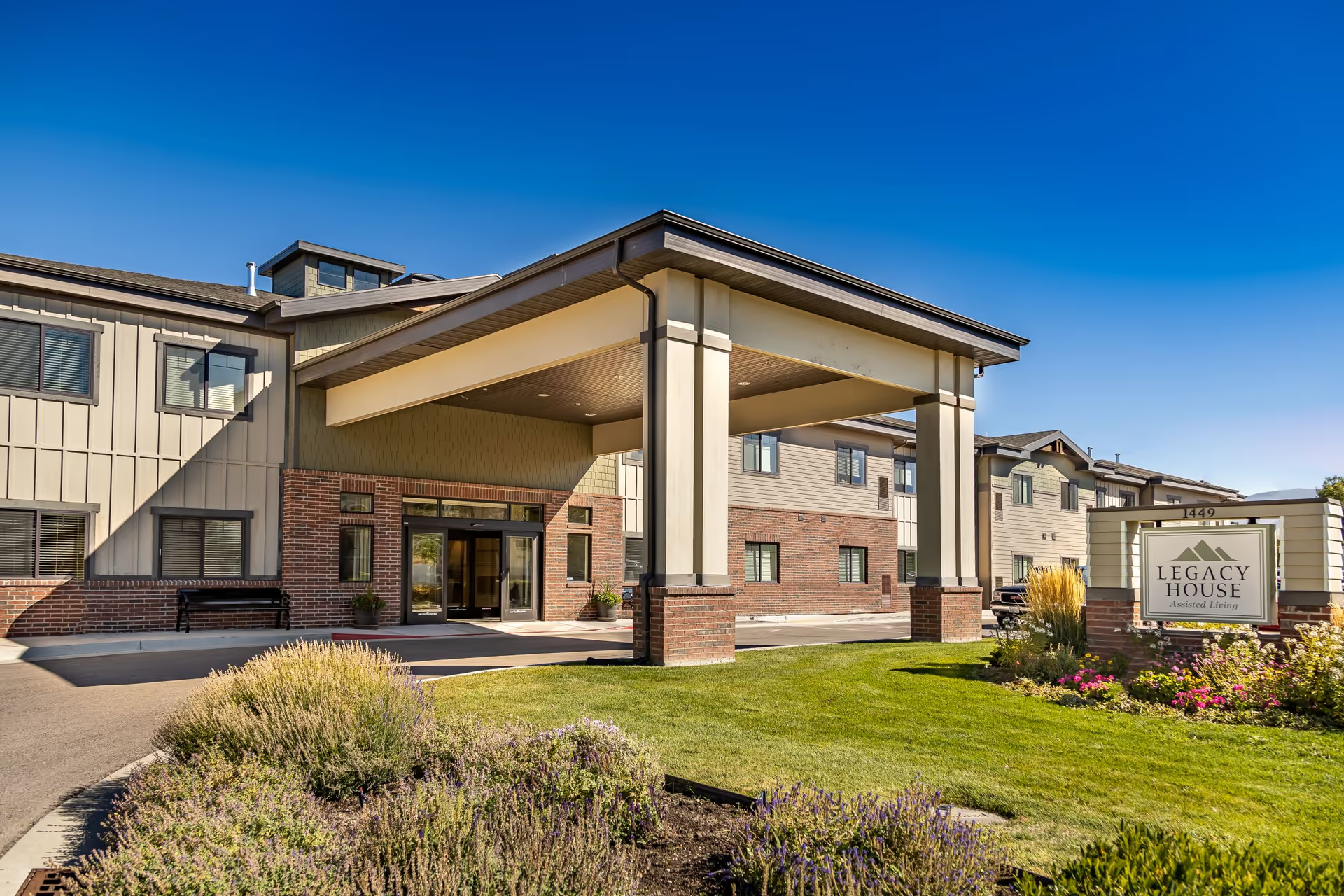
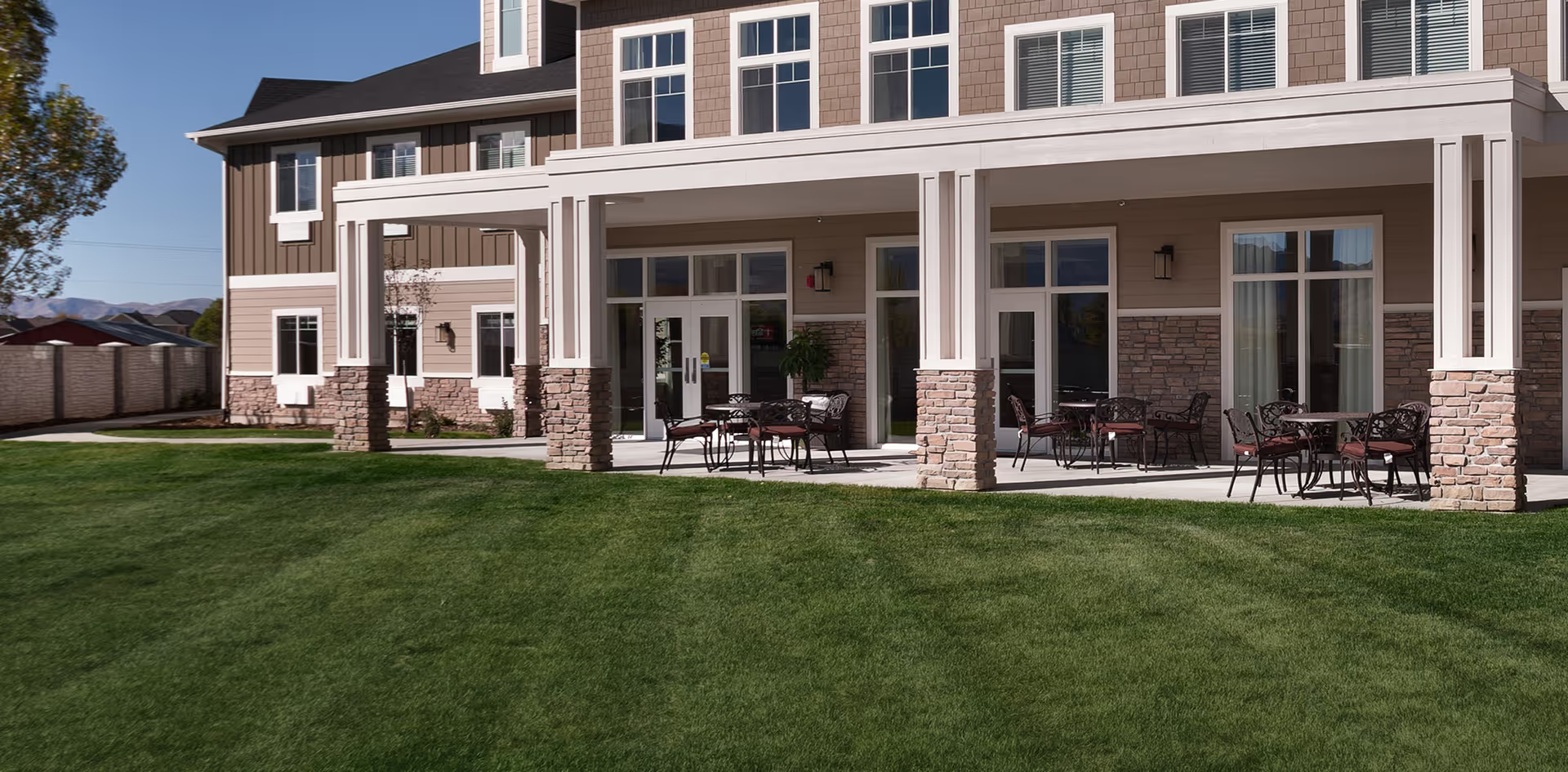
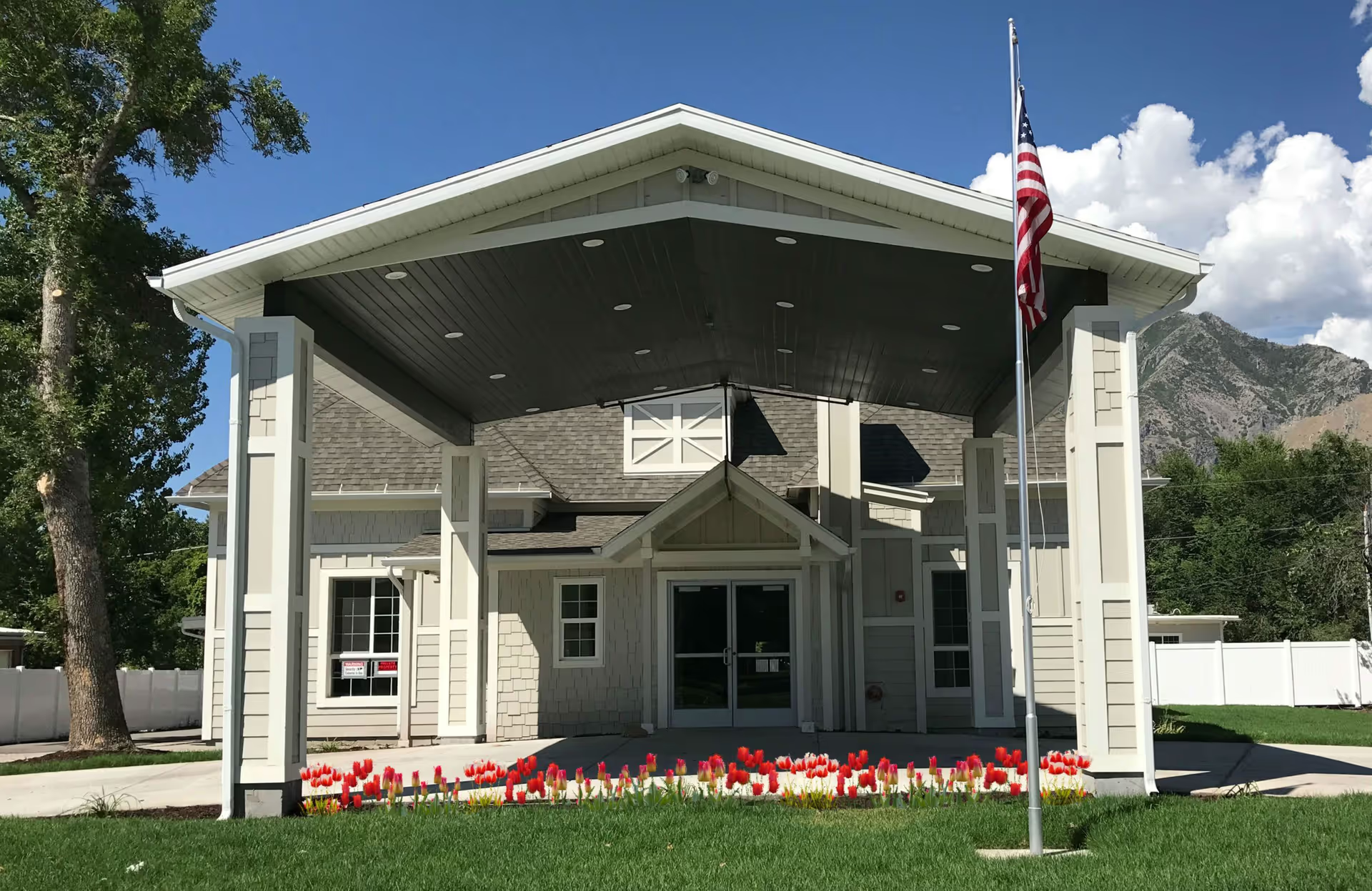
Direct care staff are often characterized as compassionate and dignified. CNAs, nurses, and therapists are commonly described as caring, hardworking, and willing to go beyond basic expectations; housekeeping and laundry services are described as organized, and rooms and common areas are noted as clean and well maintained. The facility’s physical environment is viewed favorably — reviewers highlight boutique-style rooms, accessible large bathrooms, mountain views, and a generally peaceful, welcoming atmosphere that supports family visits.
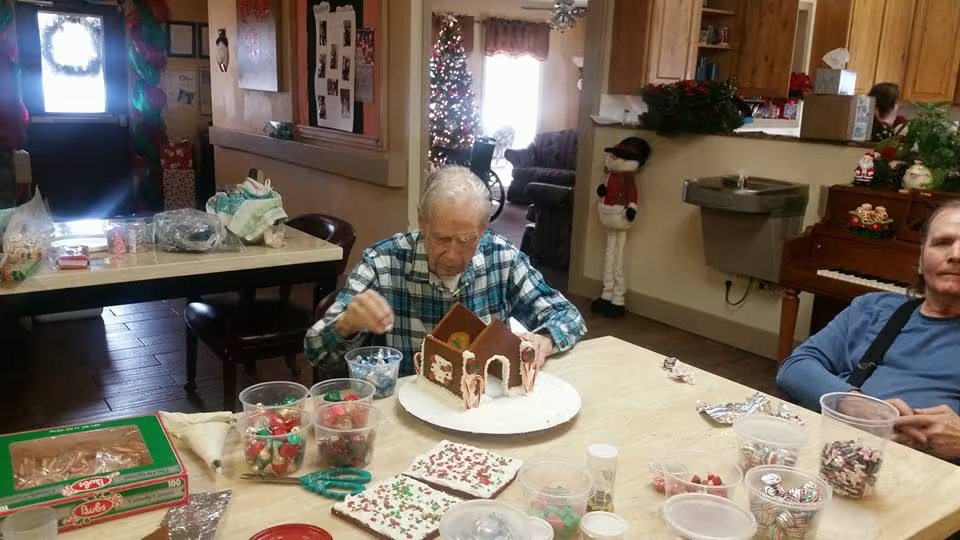
Dining and resident experience elements are another strong area. Multiple accounts highlight nutritious, varied menus, a restaurant-like dining ambiance, and attention to individualized dietary planning. Small service touches such as an evening snack cart and attentive meal delivery are cited positively. Activities offerings and a friendly communal environment are also described as contributing to resident satisfaction.
However, the reviews show notable variability in operational consistency. While many families recount excellent, respectful care, others describe concerns about staff conduct, tone, and perceived training gaps. There are specific references to medication timing issues and instances perceived as delays in attending to resident needs; these comments point to potential weaknesses in medication-administration workflows and shift-to-shift reliability. Several reviews also describe difficulties getting problems resolved by management or receiving timely, satisfactory responses to concerns, indicating opportunities to strengthen communication and escalation pathways.
Taken together, the pattern suggests a facility with clear strengths in rehabilitation, hospitality-style amenities, and many dedicated staff members, but with unevenness in staff performance and operational consistency. Prospective residents and families who prioritize strong rehab services and a clean, hotel-like setting may find this facility aligns well with their needs. Those prioritizing consistently uniform staff conduct and tightly reliable medication and complaint-resolution processes should ask targeted questions during a tour — for example, about staffing ratios by shift, medication-administration protocols, training and supervision practices, and how family concerns are escalated and tracked — to assess whether current operational practices meet their expectations.