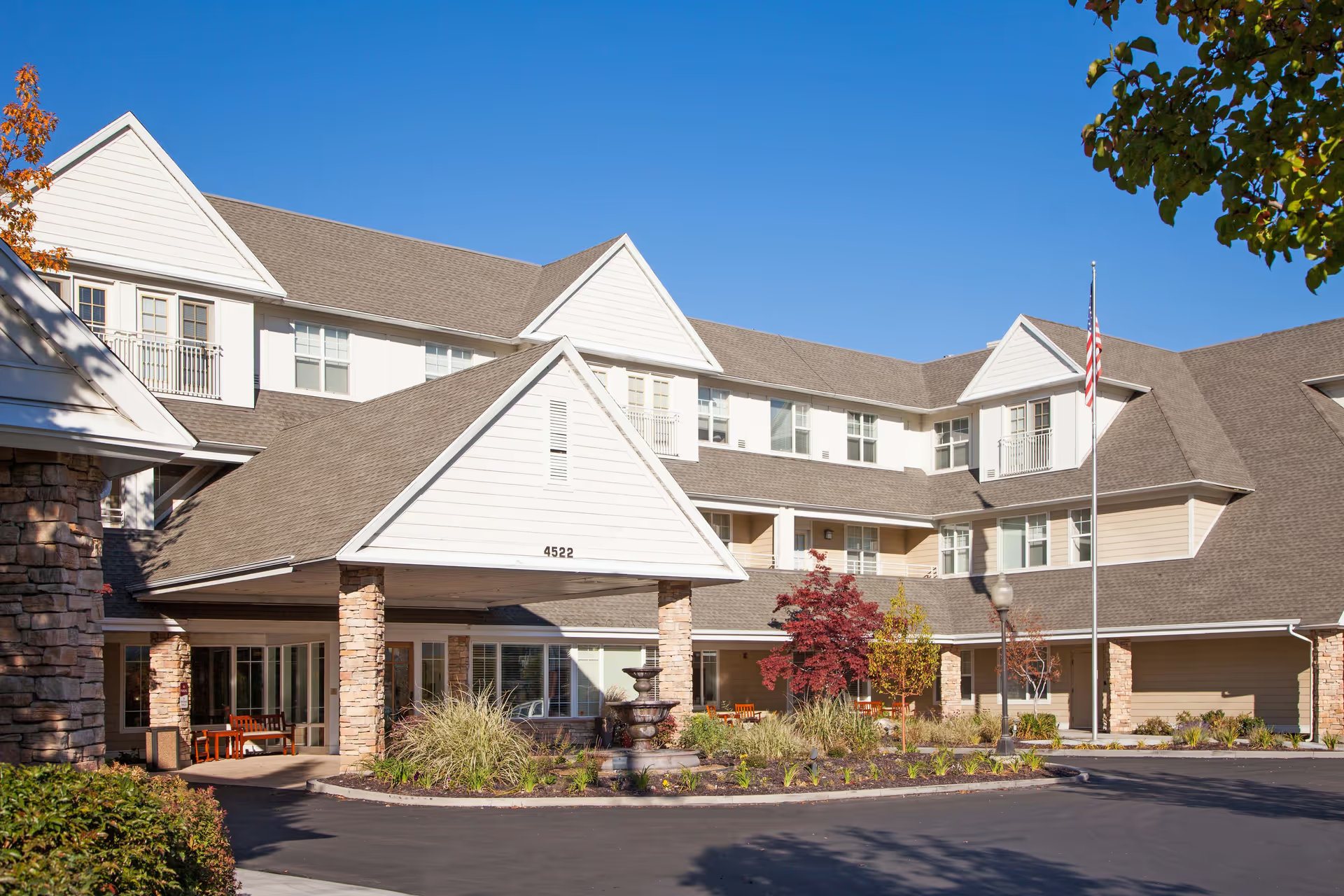
Overview Meadow Brook Rehab and Nursing draws a mix of strong positive impressions and operational concerns. Positive commentary centers on the direct caregiving teams: nurses, CNAs and therapists are repeatedly described as compassionate, attentive and skilled, and many families credited staff with meaningful improvements in mobility and comfort. The facility is often characterized as small and home‑like, with clean common areas, an engaging activities program, and an administrative team that at times is described as welcoming and knowledgeable. Physical‑rehab services and therapy were highlighted as effective for short‑term rehab goals.
Care quality and staff Care at the bedside appears to be the facility’s principal strength. Multiple accounts emphasize personalized attention, respectful interactions, and staff who know residents and visitors by name. Families praised end‑of‑life support and consistent CNAs and nurses who advocate for dignity. At the same time, reviewers describe variability in staffing coverage and response times: delays responding to call lights and periods of limited staff availability were cited as recurring operational weaknesses. There are also isolated but serious concerns about medication management and the facility’s handling of complaints; these issues undermine trust even when direct caregiving is strong.
Dining and daily living Meal service impressions are mixed. Some families praised meal presentation and variety; others described inconsistent meal temperature and occasions when family feeding instructions were not followed. Reports of inconsistent assistance with grooming and bathing point to variability in personal‑care delivery; while many residents receive attentive help, others experienced missed or delayed hygiene support. Attention to routine supplies and basic care items was noted positively by some, and inconsistently by others.
Activities and community life The activities program is frequently cited as a strength. Offerings such as bingo, craft classes and specialty activities were described as engaging and supportive of resident involvement. Staff in activity roles receive positive mention for fostering a pleasant, family‑oriented community atmosphere that contributes to the facility’s “small community” feel.
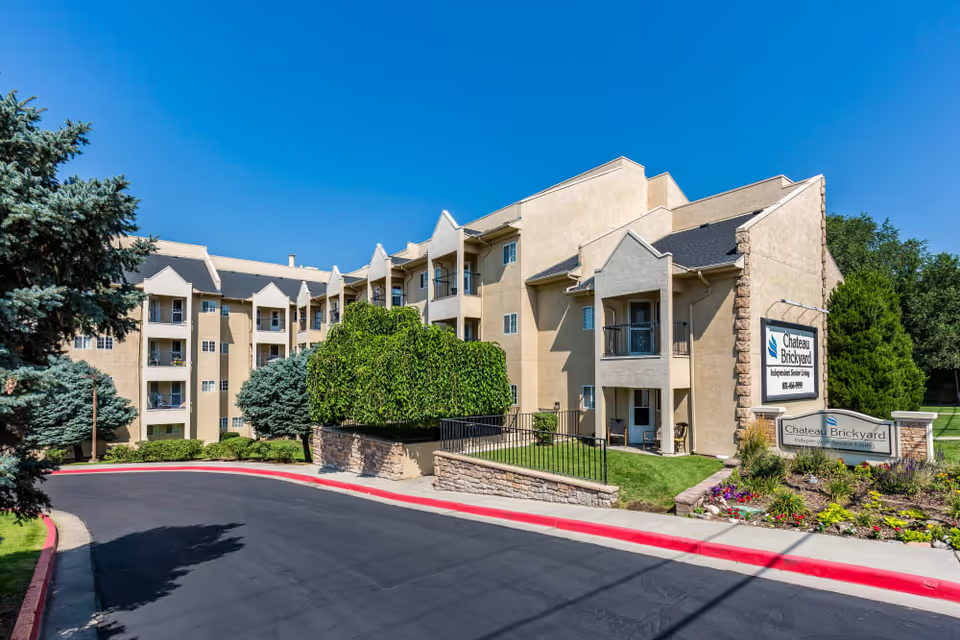
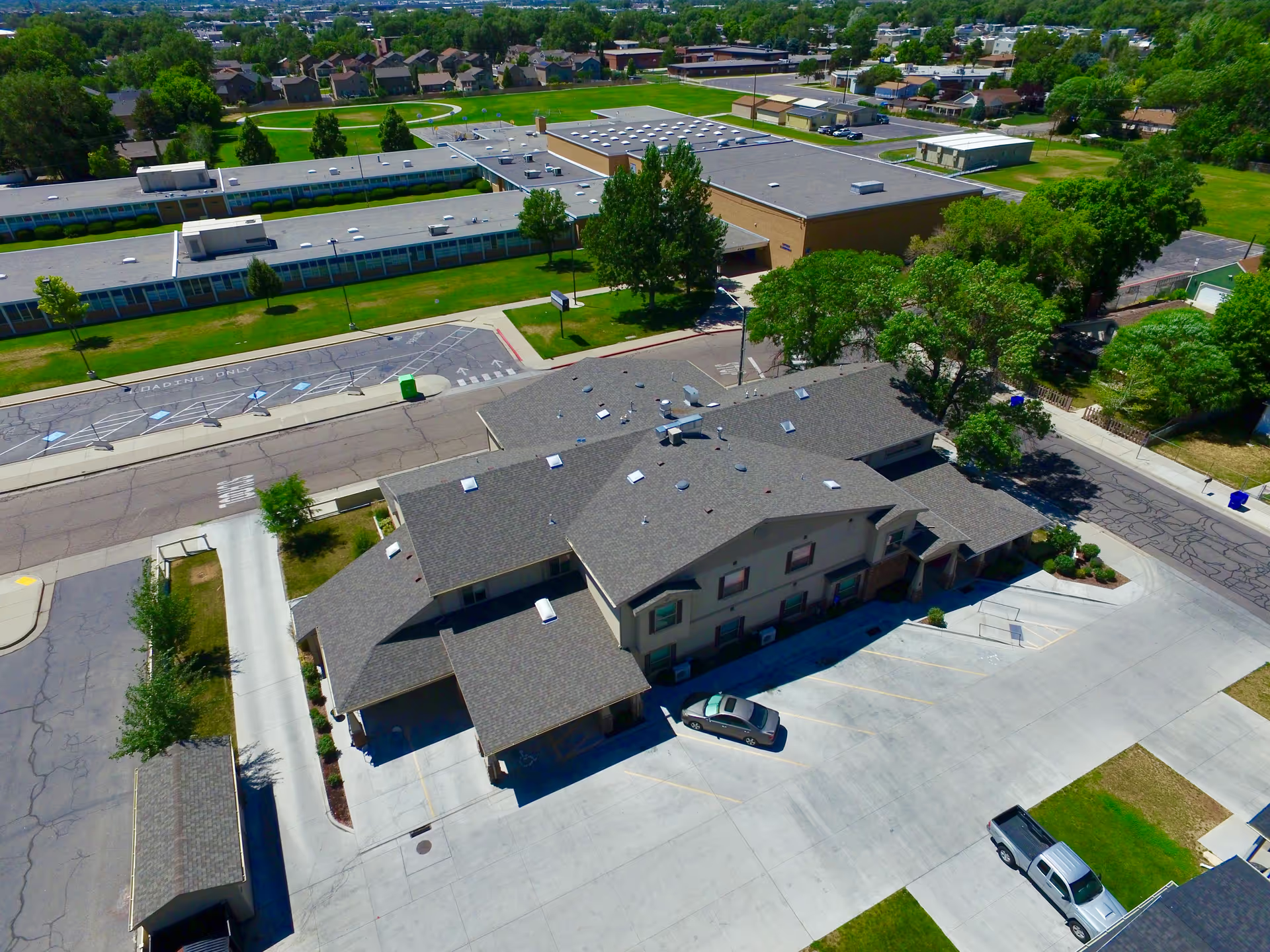
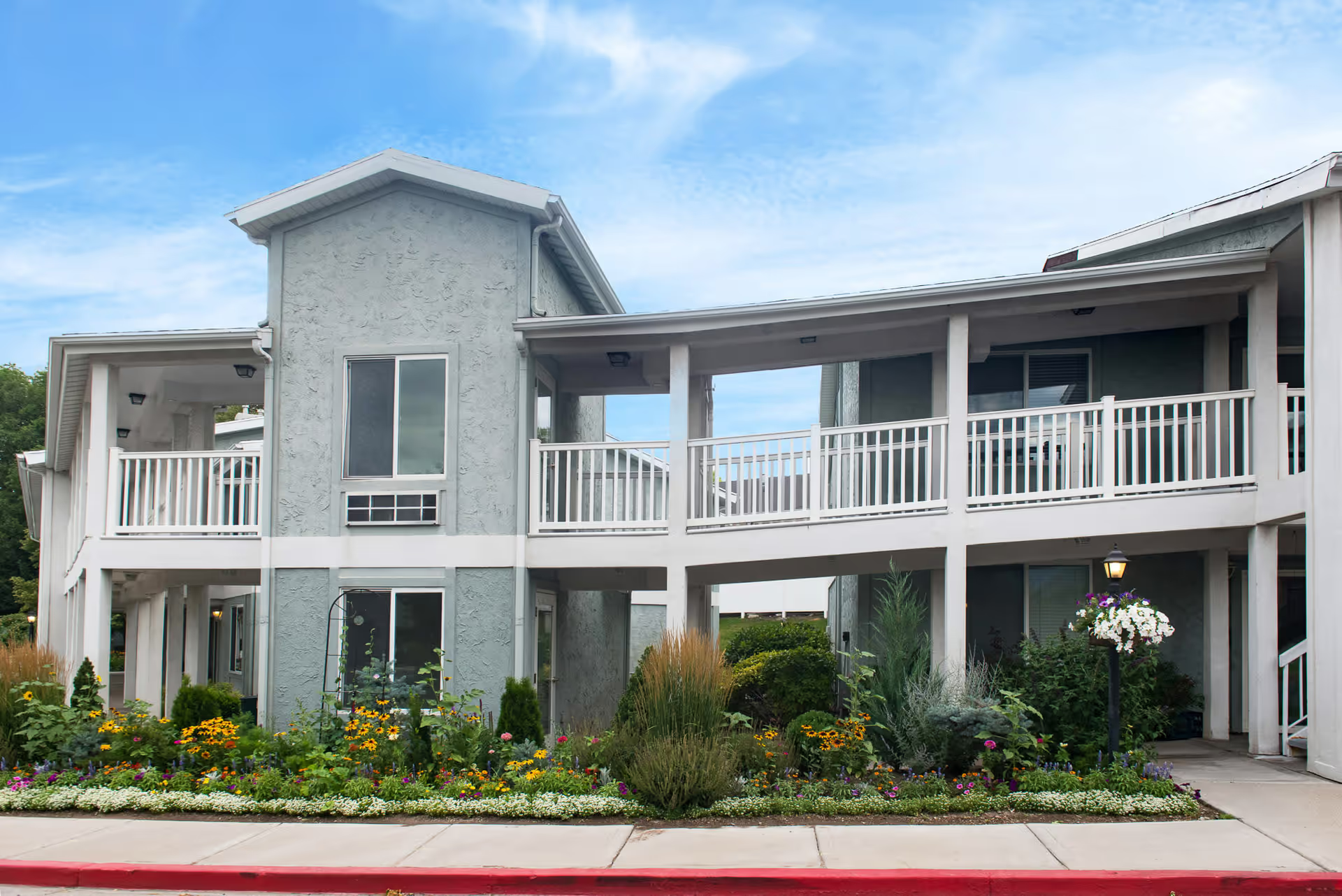
Facilities and accessibility The building presents a mixed profile: reviewers praised clean, bright communal spaces and an inviting interior in many areas, but also described an older facility footprint with cramped rooms, shared multi‑occupant rooms (three beds per room in several accounts), and shared bathrooms serving multiple residents. These layout features limit privacy and contribute to concerns about sanitation and odor in particular areas. Maintenance issues such as broken fixtures were occasionally reported. There were also mentions of potential ADA/accessibility shortcomings that families found problematic for residents with mobility needs.
Management, communications and safety Management impressions are polarized. Several administrators and front‑line managers are described as proactive, communicative and compassionate; conversely, some reviewers described recent leadership changes that they say led to budget‑driven staffing cuts and lower morale. Communication lapses—unanswered phones, delayed paperwork and slow discharge processing—are recurring themes. There are also serious operational concerns: allegations of missing funds and weaknesses in financial controls were raised, and a subset of families described poor complaint resolution and fear of retaliation. Given the severity of those claims, prospective families should request documentation of the facility’s complaint‑resolution procedures, financial controls and any regulatory history during tours.
Patterns and recommendations for prospective families The overall pattern is one of strong point‑of‑care relationships and therapy outcomes tempered by facility‑level operational vulnerabilities. Those considering Meadow Brook should weigh the demonstrated strengths in hands‑on caregiving and activities against tradeoffs in privacy, room configuration and variable staffing responsiveness. Recommended due diligence includes an on‑site observation of staff responsiveness (call‑light response times), review of room layouts and bathroom arrangements, examination of current staffing ratios and turnover, confirmation of medication‑management protocols and consent procedures, and inquiry into the facility’s financial controls and complaint‑resolution practices. Scheduling a visit during mealtime and an activities period will help capture the day‑to‑day resident experience.