Overall impression: Reviews present a polarized picture of care at this facility. Many families and residents praise individual caregivers, nursing staff, and the therapy team for compassionate, attentive support and successful short-term rehabilitation outcomes. At the same time, a recurring set of operational weaknesses—staffing variability, medication-management problems, inconsistent housekeeping, and communication breakdowns—appear frequently enough to merit careful consideration by prospective residents and their families.
Care quality and clinical safety: Positive accounts emphasize compassionate hands-on care from CNAs and nurses, effective physical/occupational therapy, successful wound management, and occasions of rapid clinical intervention. Counterbalancing these reports are repeated concerns about medication administration (including delays and medication-selection errors), delayed delivery of essential treatments, and inconsistent monitoring. Several reviews describe situations that reflect broader gaps in medication-safety processes and in timely clinical response; these create an appearance of uneven clinical reliability depending on shift or unit.
Staff and responsiveness: Many reviews single out individual staff members, unit receptionists, and nursing leaders as supportive and helpful. However, understaffing and variable caregiver availability are common themes, leading to long waits for assistance, unanswered call lights, and delayed symptom management. Reviewers also report concerns about staff conduct and tone in some interactions; communication with families about clinical changes or urgent events is described as inconsistent. Leadership and admissions staff are frequently praised for assistance and financial coordination, though some reviews describe variable follow-through from management on operational issues.
Dining and nutrition: Dining impressions are mixed. Several accounts highlight well-presented meals, dietary tailoring, and pleasant dining-room organization. Others note unreliable meal service (missed or forgotten trays), limited variety, and instances when hydration or denture care access was restricted. Meal service reliability and consistency of dietary offerings emerge as an operational area with significant variability.
Activities and community life: The facility receives positive comments for social and recreational programming, a welcoming community atmosphere, and pet-friendly visitation policies. Many residents describe good social engagement, supportive peer interactions, and helpful recreation staff that contribute positively to mood and recovery.
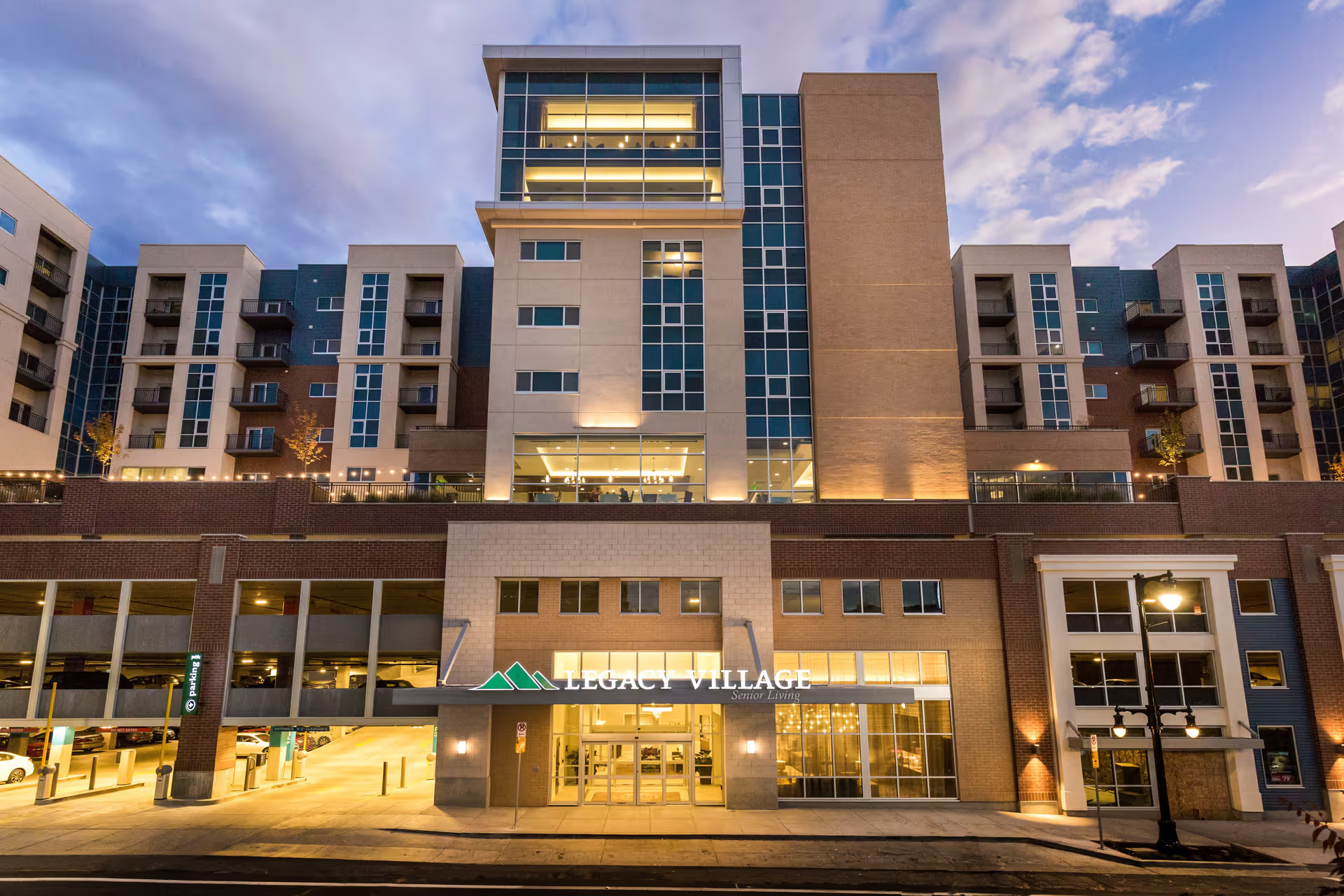
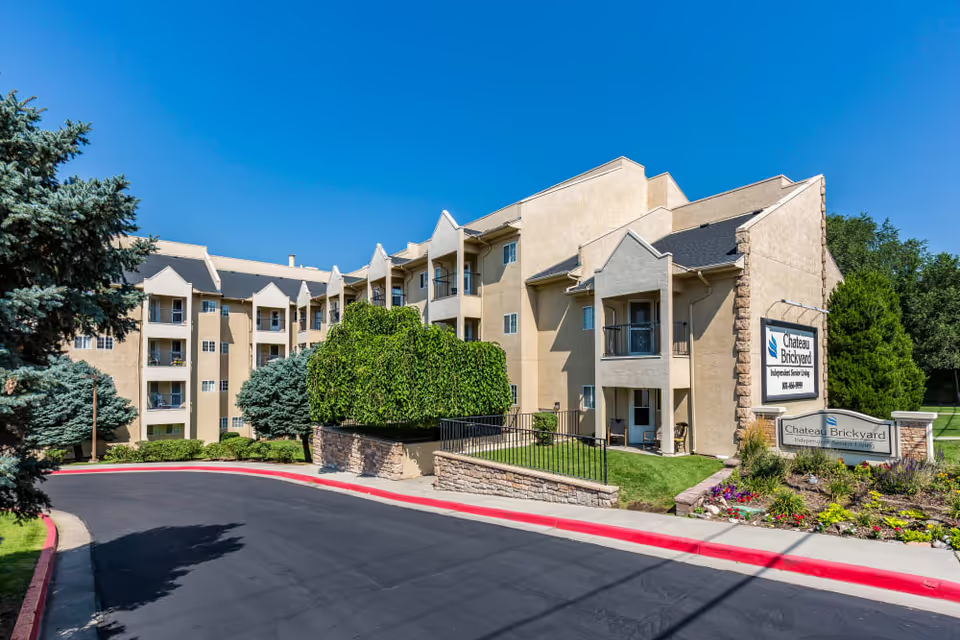
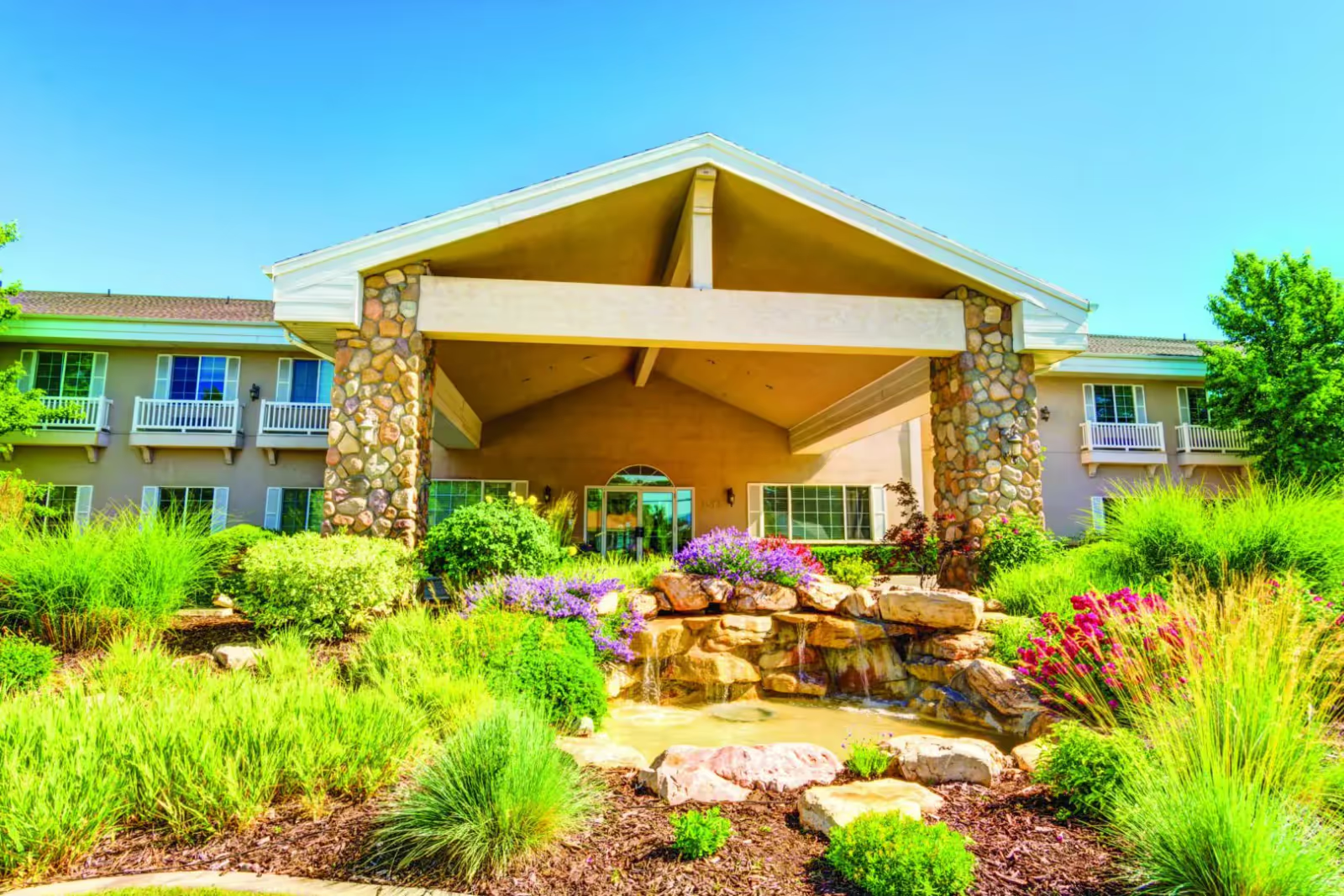
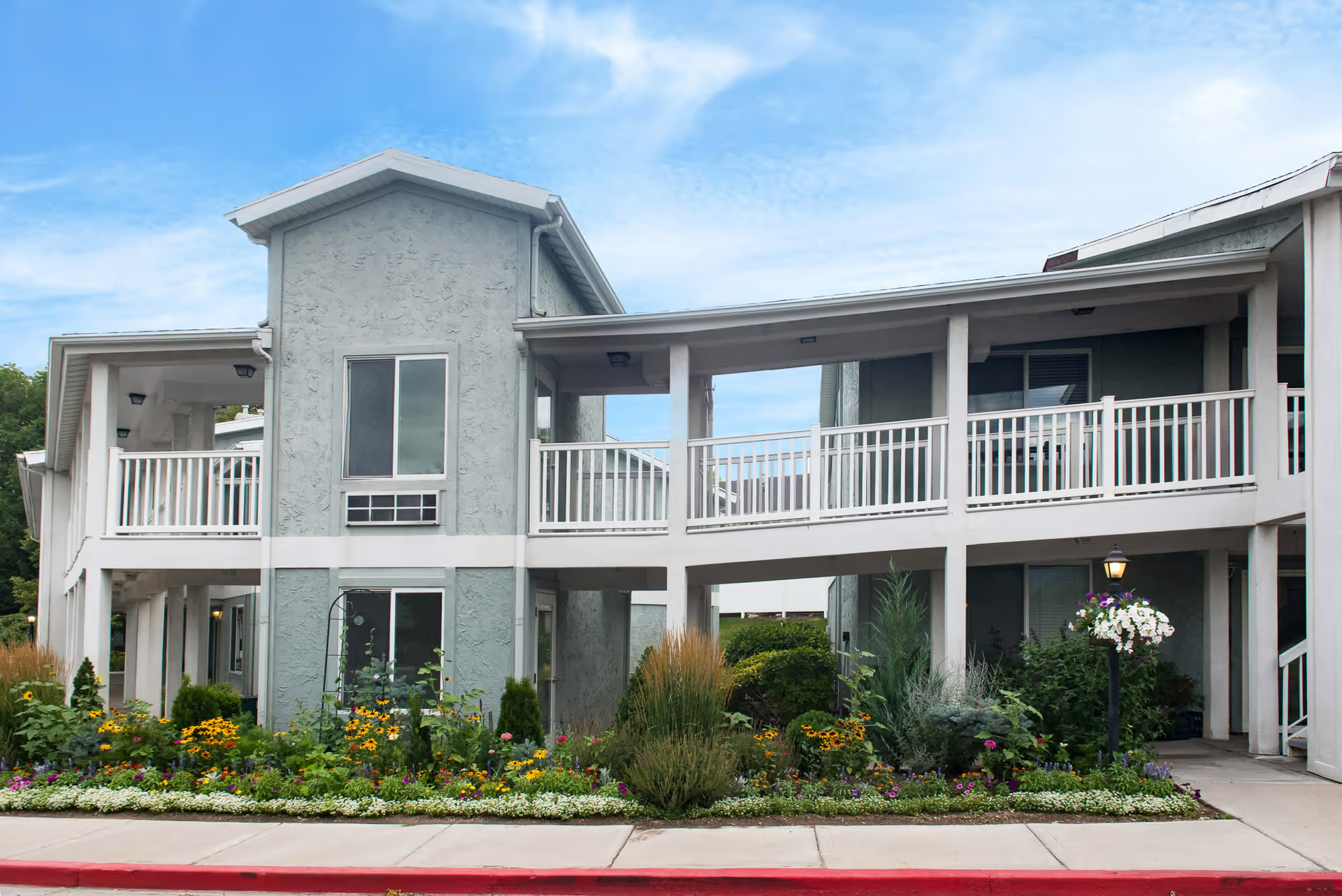
Facilities, housekeeping, and maintenance: Perceptions of facility cleanliness and upkeep vary. Positive reports describe clean communal spaces and orderly dining areas, while other reviews raise sanitation concerns, odor concerns in some areas, inconsistent housekeeping, delayed laundry services, and maintenance backlogs. The physical environment is also described by some as dated or in need of cosmetic upgrades. There are a small number of serious-sounding claims about missing personal items, which reviewers characterize as theft or loss; these warrant investigation and improved property-security controls.
Management and notable patterns: Two notable patterns emerge: (1) highly variable experiences across shifts, units, and individual staff members—some residents receive exemplary, attentive care while others experience operational failures; and (2) recurrent system-level weaknesses in staffing, medication safety, infection-control adherence, and communication with families. A few reviews reference significant clinical outcomes and concerns following a resident's death; such reports suggest the importance of reviewing the facility's incident-response, transfer protocols, and family notification procedures. The facility's rebranding and mentions of leadership responsiveness indicate that administrative efforts are underway in some areas, but follow-through is described as inconsistent.
What to consider if you are evaluating this facility: Ask about current staffing ratios by unit and shift, medication-safety safeguards (including allergy checks and pharmacy turnaround times), infection-control policies and signage, housekeeping schedules, and property-security procedures. Confirm how dietary needs and hydration are managed, how therapy scheduling and follow-through are tracked, and how the facility communicates clinical changes to families. Request recent inspection outcomes and examples of management follow-through on previously identified deficiencies. Doing so will help align expectations with the range of experiences reflected in these reviews.