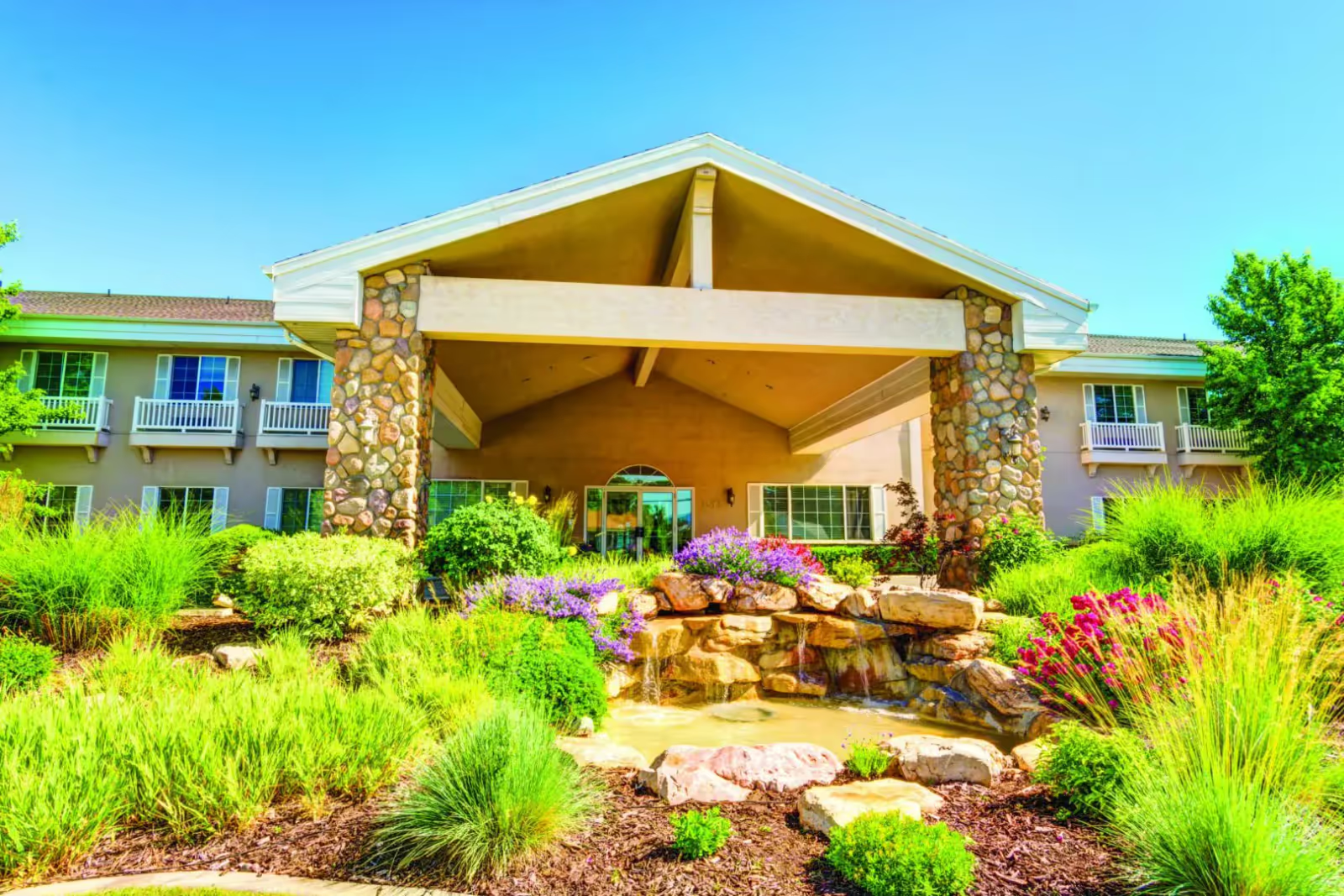
St. Joseph Villa elicits a strongly polarized set of experiences. On one side, many accounts describe compassionate caregiving, highly capable therapy services, and a richly social campus. Families and residents frequently praise attentive nurses and CNAs, an accomplished therapy team that produces measurable rehabilitation gains, and specialized clinical capabilities such as respiratory support and in-house dialysis. The facility offers a broad array of recreational programming, seasonal events, and on-campus amenities (gift shop, chapel, beauty services, aviary) that contribute to a socially engaged atmosphere and enduring resident friendships.
Clinical quality appears mixed. The therapy and rehabilitation services are a consistent strength, with multiple mentions of successful mobility and discharge outcomes and focused respiratory care. Concurrently, reviewers raised operational concerns that can affect clinical safety: medication-management gaps, delayed diagnostics or follow-up, and inconsistent assistance with activities of daily living. Several accounts describe delays in attending to resident requests and incontinence-care delays, as well as wound- and pressure-area management that did not meet family expectations. These pattern-level issues suggest variability in nursing oversight and handoffs across shifts.
Dining and nutrition are also inconsistent across reports. Some families describe comforting, enjoyable meals, seasonal menus, and helpful nutrition staff; others cite limited protein choices, inconsistent meal quality, and nutritional intake problems linked to weight loss. These mixed accounts point to variability in meal-service continuity and individualized nutrition monitoring.
The activity program and campus life are frequently highlighted as notable positives. Recreational therapy teams, regular events (BBQs, holiday programming, live music), and chapel services are described as meaningful contributors to resident morale and social engagement. For prospective residents seeking an active community, these offerings are an important strength.
Facility condition and operations show heterogeneity. Several reviewers praise clean, well-maintained patient areas, private rooms, and prompt maintenance responses, while others note aging infrastructure, uneven cleanliness and sanitation practices, and odor concerns in specific areas. Administrative responsiveness and leadership are similarly variable: some unit managers and administrators are singled out for proactive, person-centered leadership; other accounts describe slow or unhelpful administrative follow-up, billing or admissions confusion, and difficulties reaching management.
A small but important subset of accounts raises serious operational and ethical concerns, including missing personal items, medication irregularities, and allegations of financial misconduct. These items elevate questions about internal controls, staff training, background screening, and asset/medication security.
Overall pattern: St. Joseph Villa combines robust rehabilitation and specialized clinical services with a lively social environment, but it also exhibits inconsistent execution on staffing, clinical oversight, housekeeping/sanitation, and administrative processes. Prospective residents and families would be advised to evaluate current staffing ratios and turnover, ask about medication-safety protocols and incident response procedures, review cleaning and maintenance schedules, confirm language-concordance among assigned staff, and discuss nutrition and wound-care plans before admission. These targeted inquiries can help determine whether the aspects most important to a given resident align with the facility’s present strengths and the areas where reviewers indicate variability.