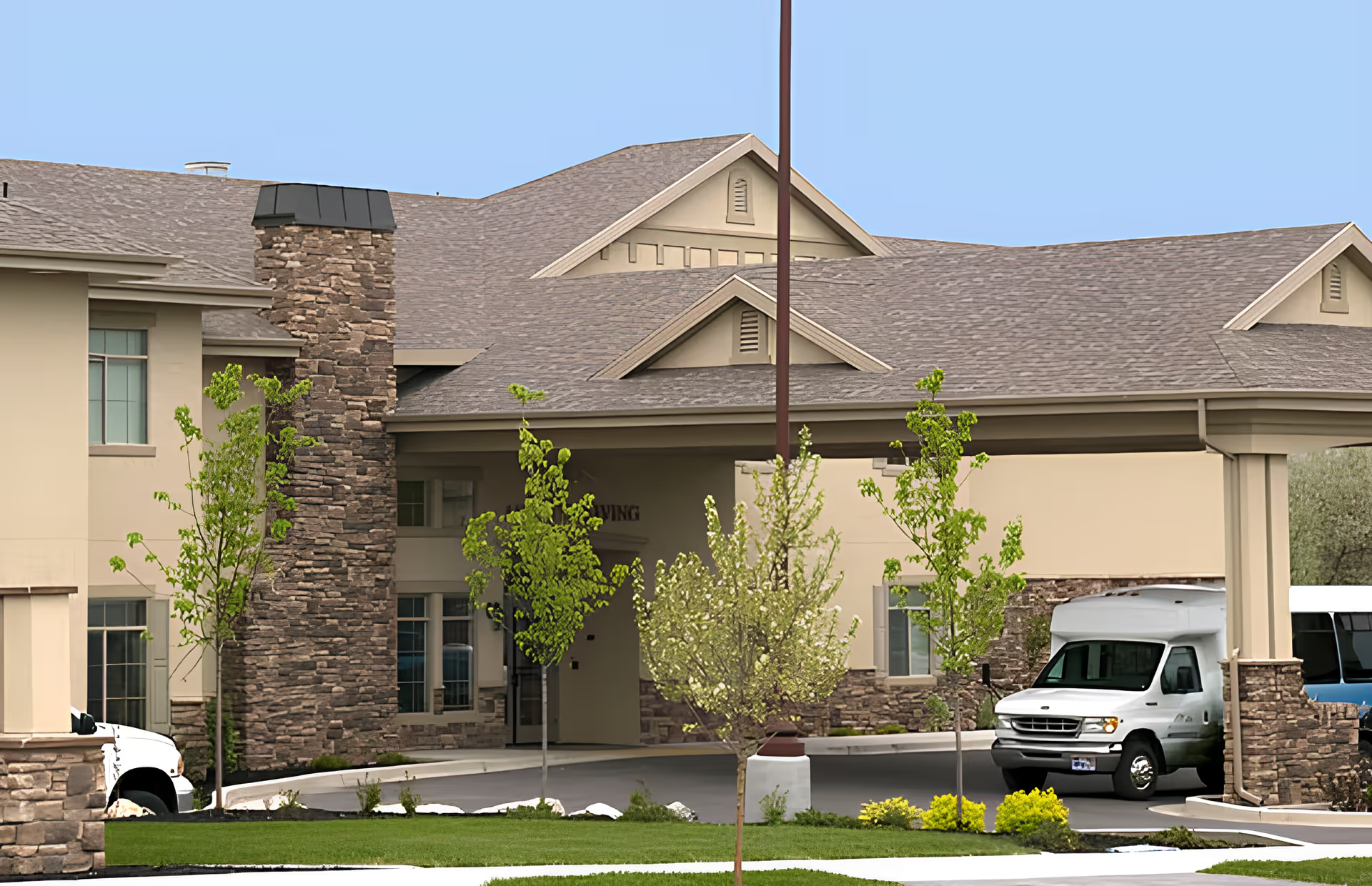
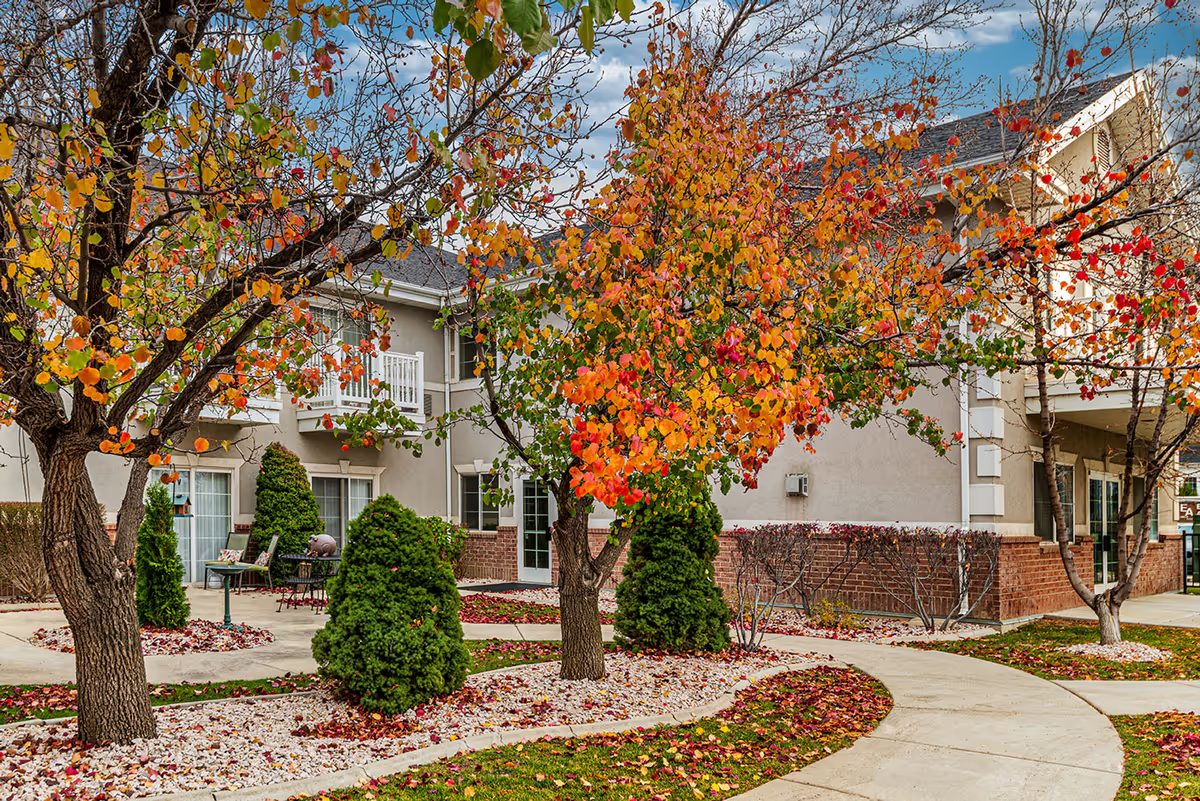
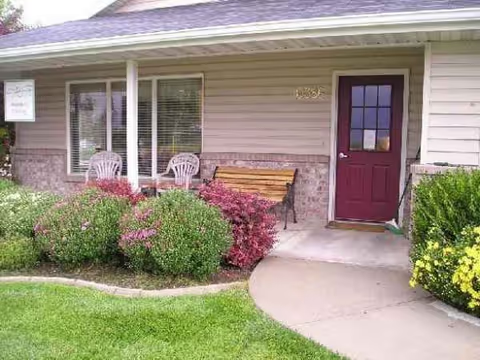
Country Lane Assisted Living West Sandy is described as a small, home-like Level I assisted living community that many families and observers find well suited to residents who are largely independent but need occasional assistance. Reviewers emphasize a generally pleasant atmosphere and staff who demonstrate knowledge of resident preferences, an open communication style, and a patient, friendly rapport. The facility provides round-the-clock staffing coverage and offers hospice or end-of-life services, which families may find useful when continuity of care is important.
Care quality is characterized by attentive, compassionate interactions and staff who appear to invest in resident comfort and preferences. For residents who fit the Level I profile—able to perform most daily tasks with intermittent support—the community appears to provide appropriate assistance. Rooms are described as small but adequate, and the overall environment is reported as pleasant and home-like. The facility’s small scale reinforces a close-knit community feel, which some families prefer for social continuity and individualized attention.
Dining is typically home-style with stated flexibility for dietary accommodations. However, there are recurring comments about inconsistent meal quality and portions; prospective residents should clarify meal planning, portion expectations, and how special diets are handled. Activities and daily engagement are not extensively detailed in the reviews supplied; the small-community model may limit the breadth of programming compared with larger providers, though it can support more personalized activities.
Several operational concerns appear across the feedback. Staffing levels were described as low in some accounts, which may affect response times and the scope of available services. A subset of reviews raised serious concerns, including allegations of staff theft and weaknesses in financial controls; these are significant issues to investigate directly with management and through regulatory or background checks. Other practical concerns include distant or paid parking, limited night-time exterior lighting and walkways, and at least one instance suggesting weaknesses in recordkeeping or external communication with third parties. These point to potential safety and administrative reliability issues that families should assess.
In summary, the facility presents strengths in personalized, compassionate caregiving within a small, home-like setting appropriate for Level I residents and offers hospice services and 24/7 staffing. At the same time, prospective residents and families should verify current staffing ratios, meal-service consistency, financial controls and safeguards, parking and site lighting, and documentation practices during a tour or interview. Asking for recent inspection reports, staff-training records, and specifics on incident-reporting and financial oversight will help clarify whether the operational concerns noted in some reviews have been addressed.