Care quality and staff: Review content emphasizes individualized, compassionate caregiving and staff competence. Residents are described as receiving one-on-one attention and encouragement toward independence; staff members are said to develop friendly relationships with residents and to be available for visits or on-call support. These descriptions indicate a consistent emphasis on personalized daily care and social support from caregiving personnel.
Dining: Meal service is portrayed positively, with references to nutritious offerings provided at reasonable cost. The dining experience appears to be valued both for its nutritional content and its affordability, suggesting that the facility maintains regular meal planning that balances health and budget considerations.
Activities and engagement: The facility appears to maintain a structured activities program with a range of options including crafts, movies, books, vocational-type engagement, and regular outings. Reports of daily excursions and organized social activities point to an active programming model that supports socialization and meaningful engagement for residents.
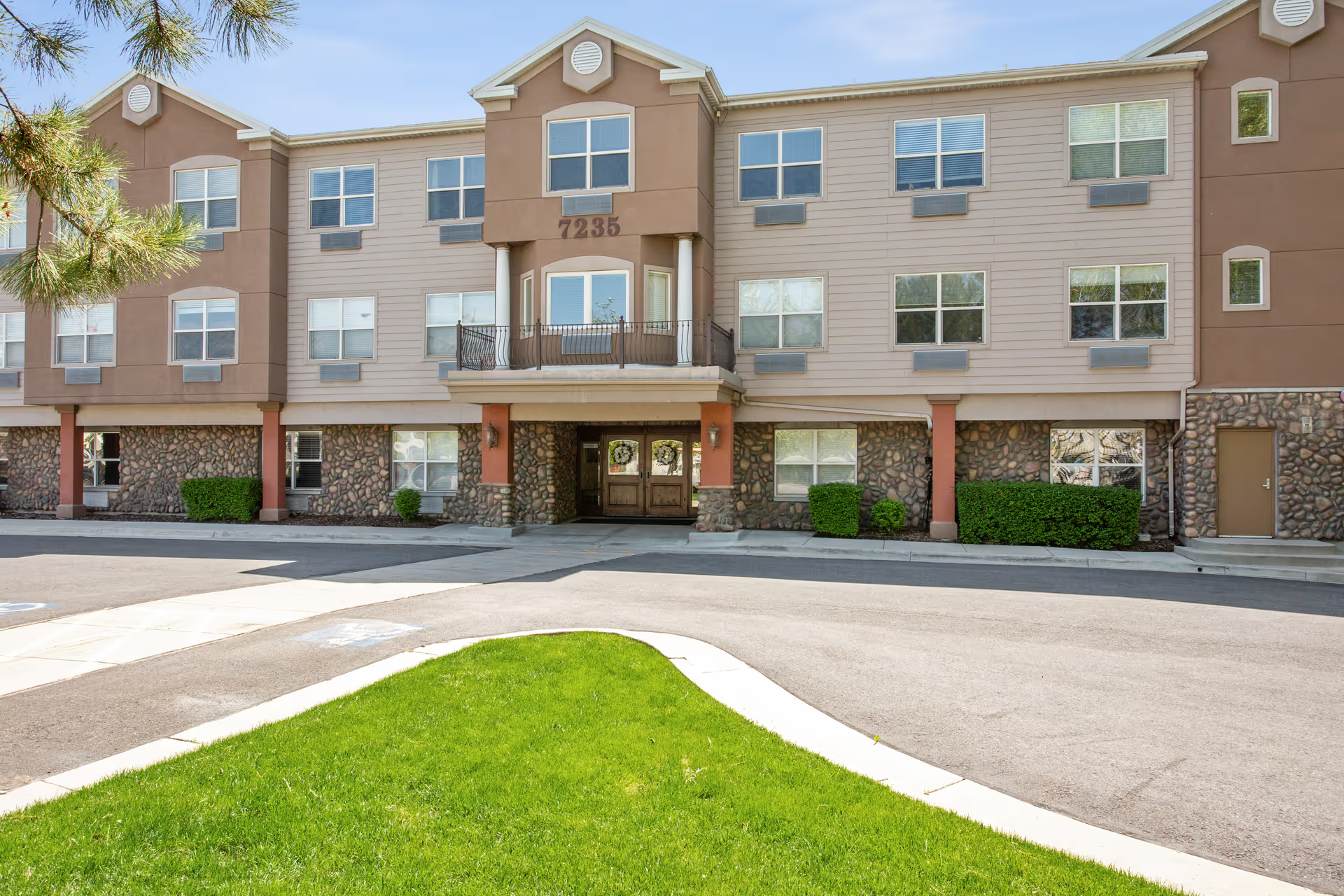
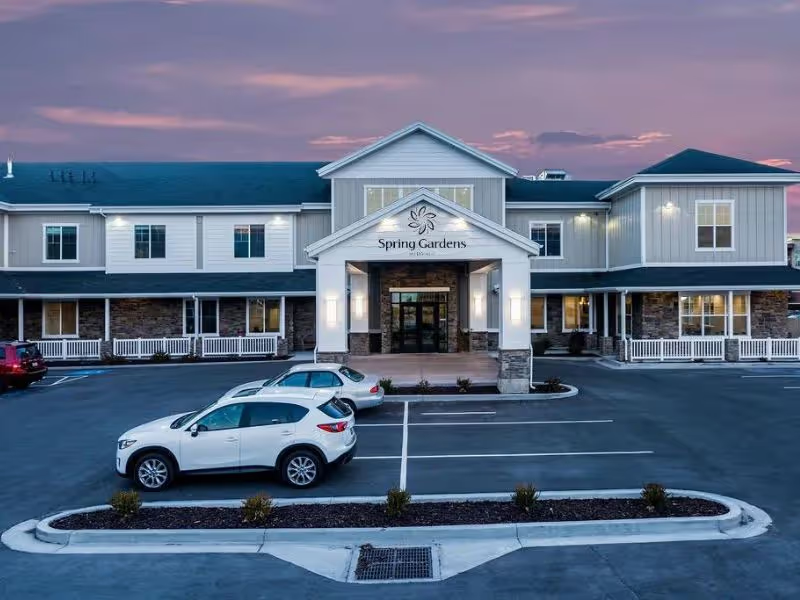
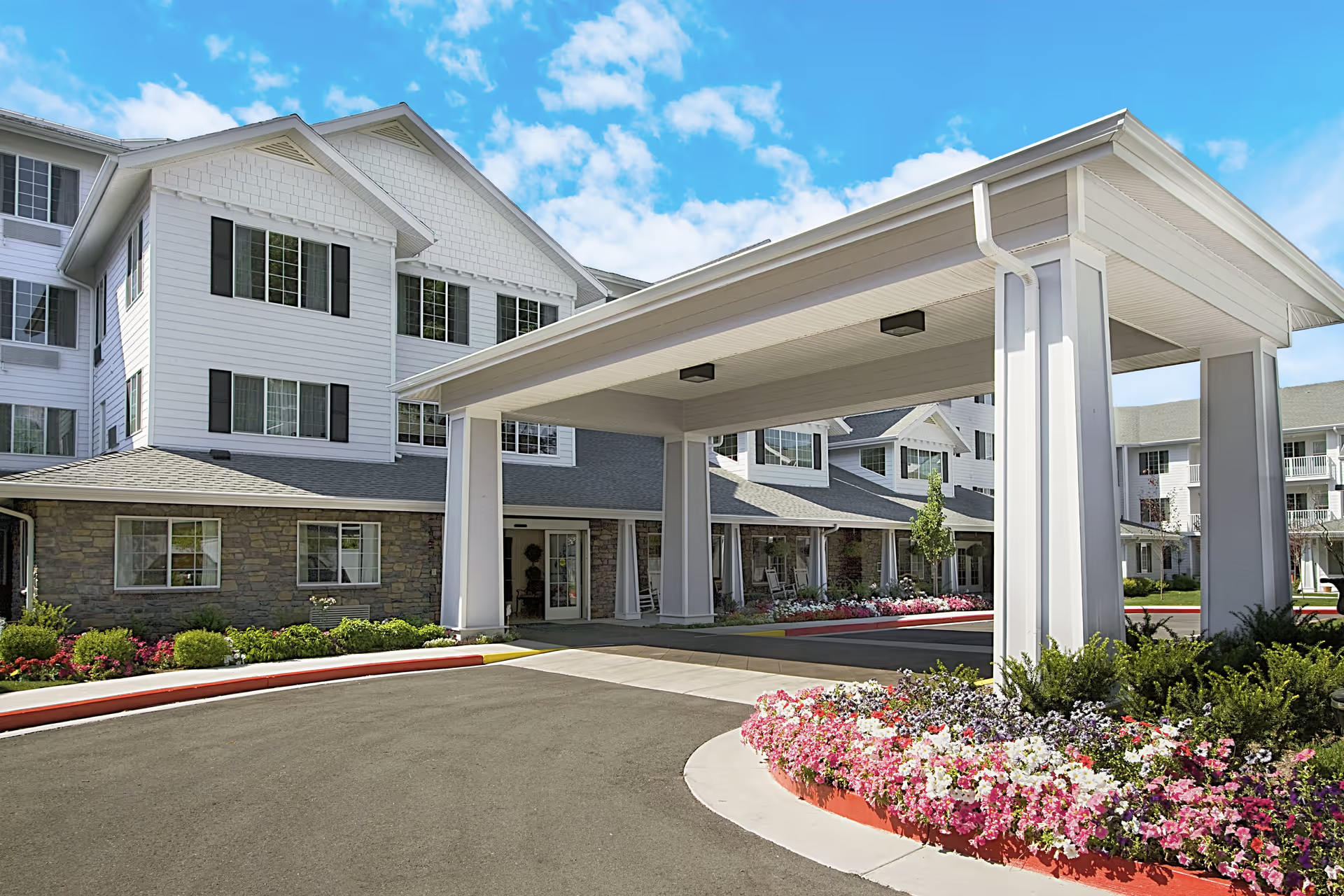
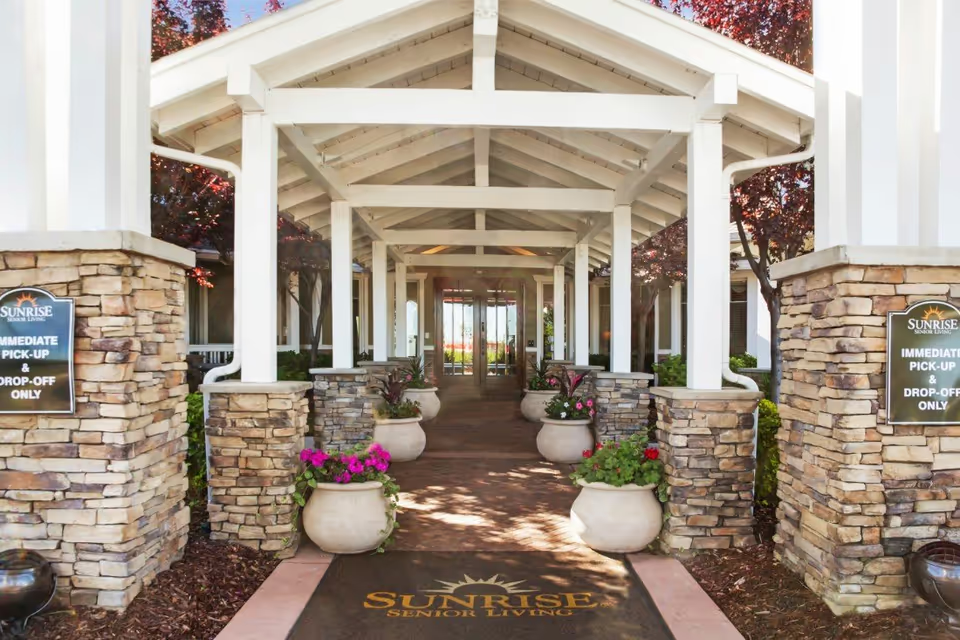
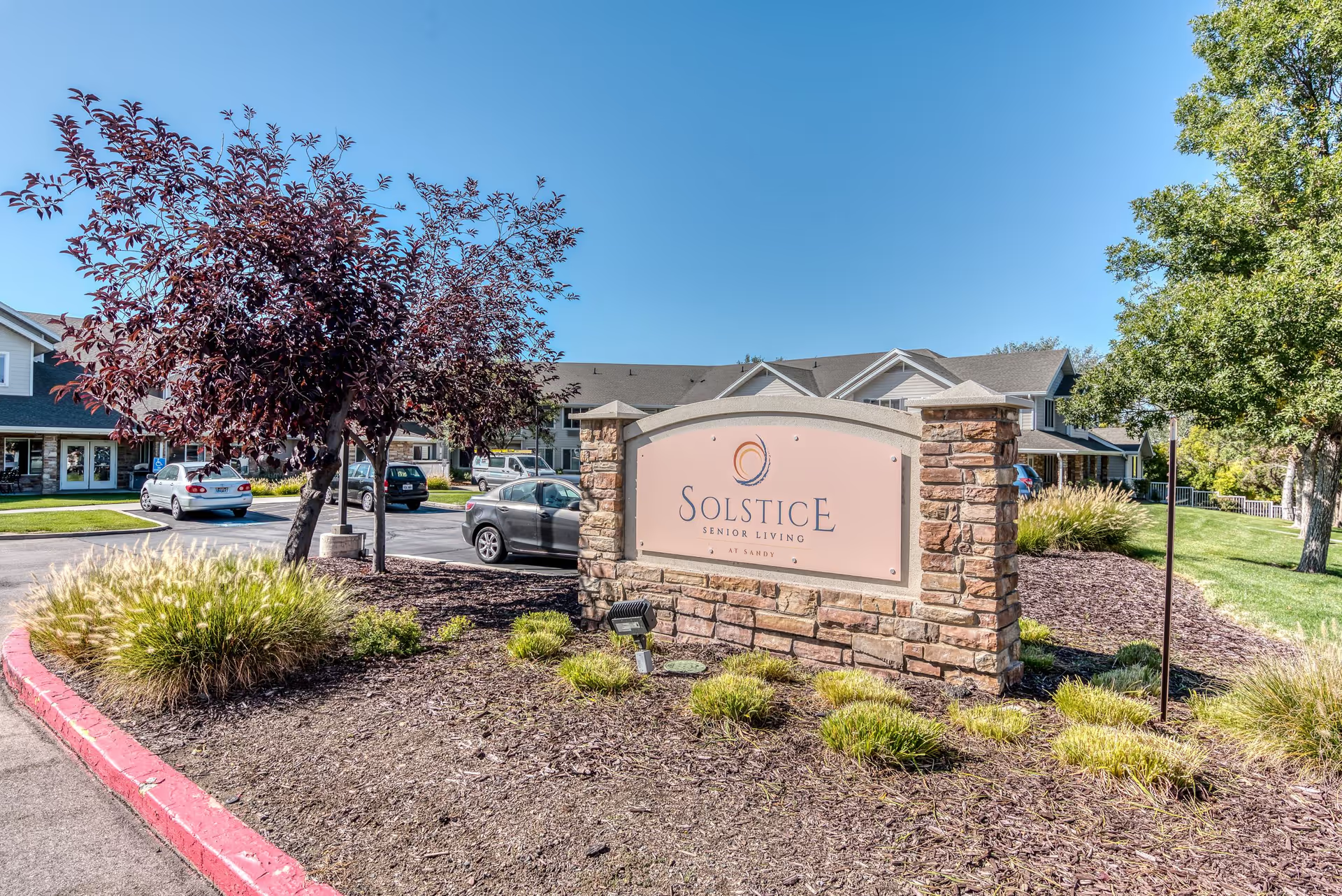
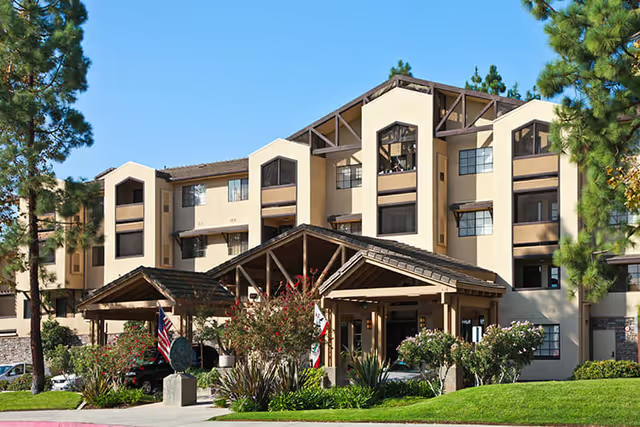
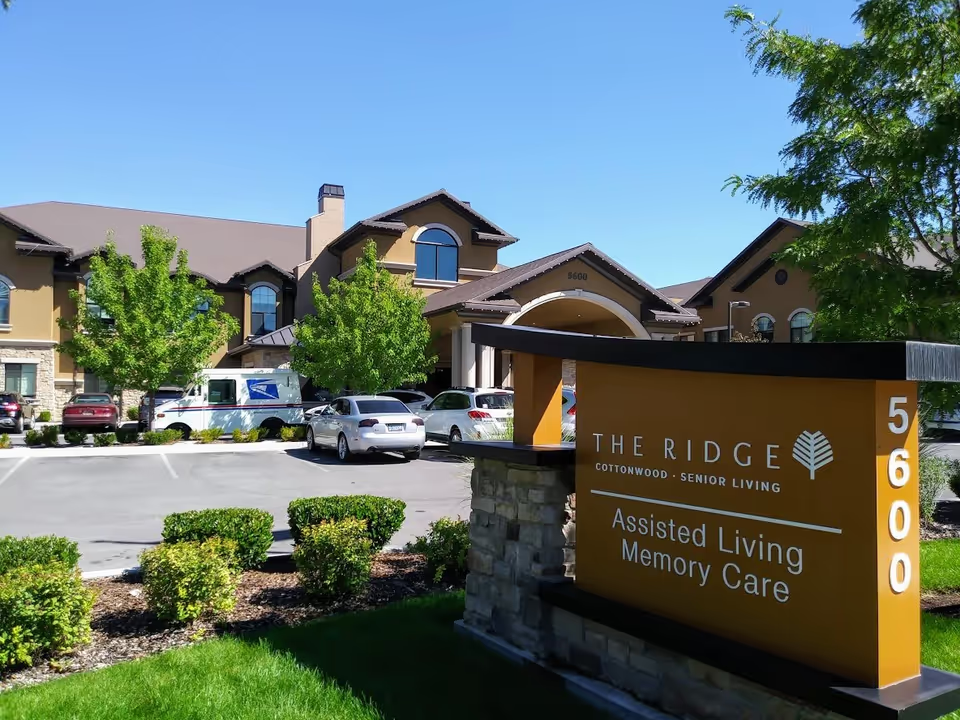
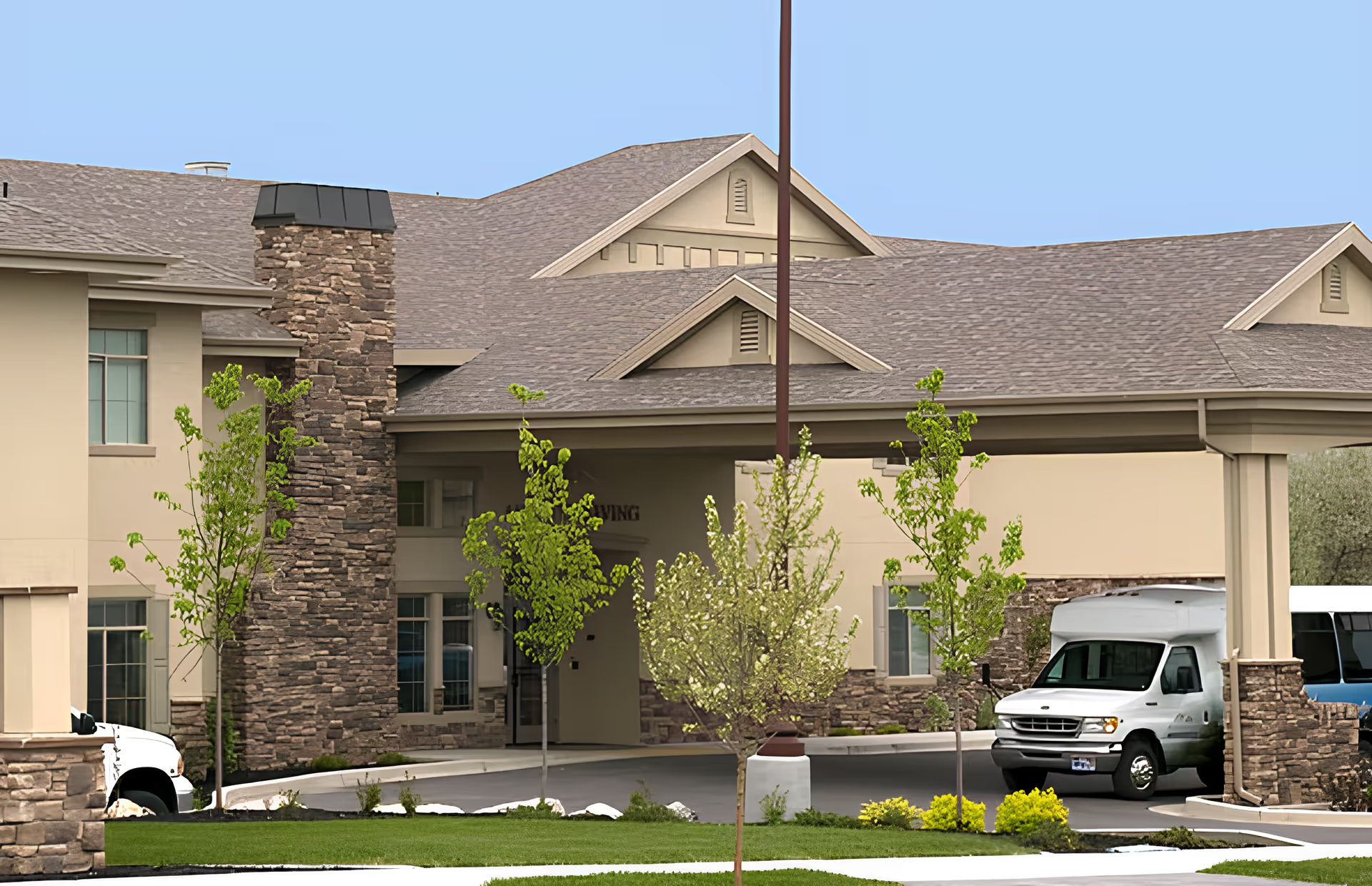
Facilities and maintenance: The physical environment is characterized as extremely clean and well maintained. This suggests reliable housekeeping and maintenance processes that contribute to an orderly, comfortable living environment.
Management and communication: The primary operational concern evident in the comments relates to front-office communication. There are indications of inconsistent telephone responsiveness and customer-service interactions during inquiries, which may affect prospective residents and families during the admissions or information-gathering process. This appears to be an operational communication gap rather than a clinical-care deficit, but it is notable because it can influence first impressions and access to information.
Notable patterns and guidance for prospective families: Overall impressions are strongly positive regarding daily care, staff engagement, activities, dining, and facility upkeep. The most consistent negative pattern concerns responsiveness in phone-based or customer-service communication. Prospective residents and families would benefit from an on-site visit, a conversation with current residents or families about day-to-day operations, and direct questions about communication protocols (phone response expectations, who handles admissions inquiries, and escalation paths) to confirm that the facility’s responsiveness meets their expectations.