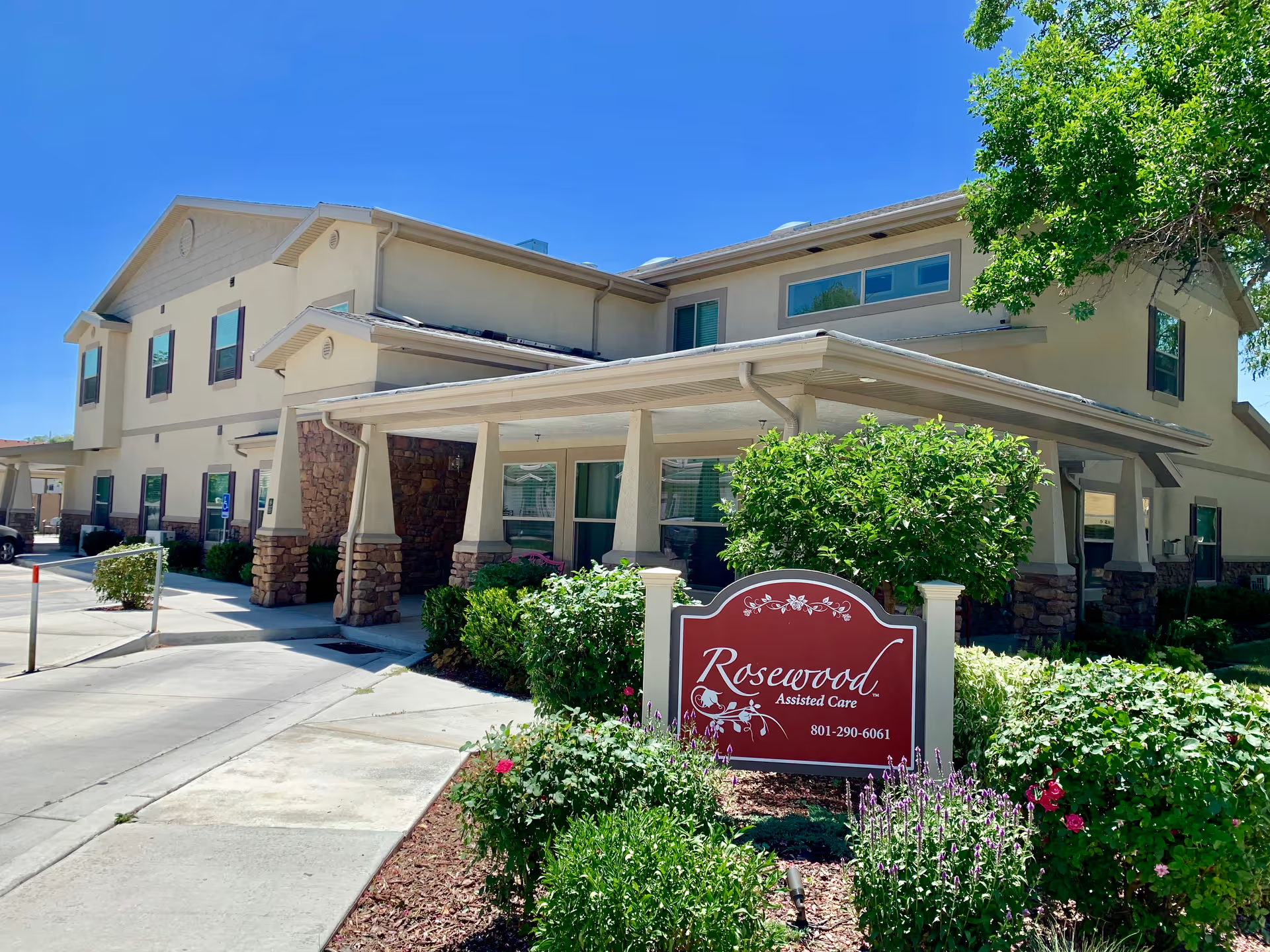
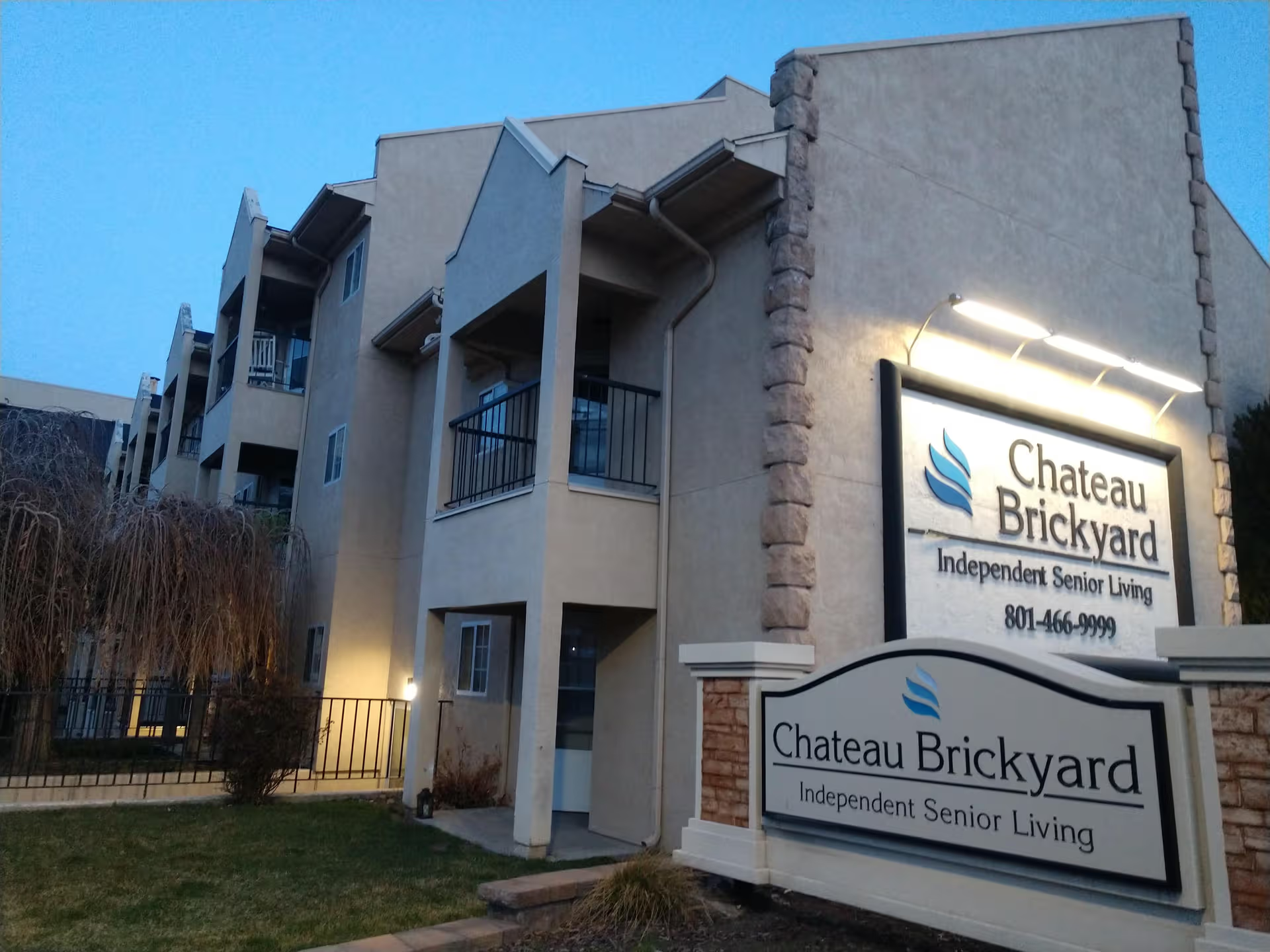
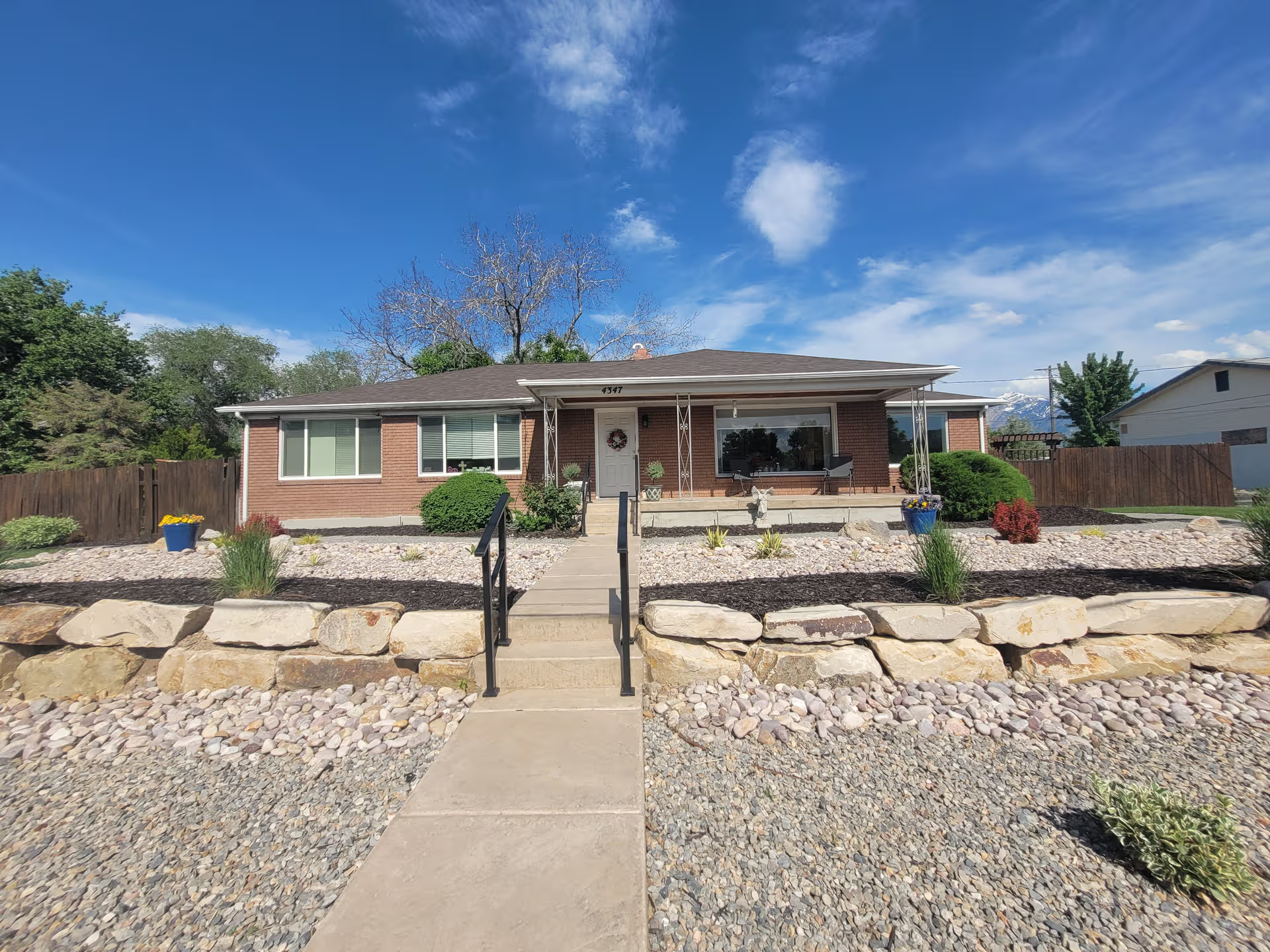
Most reviews describe Twin Oaks as a clean, welcoming, home-like community with caring staff and accessible, hands-on owners. Families often praise the staff’s patience, friendliness, and ability to build personal relationships with residents, including people with dementia, mobility limitations, or dietary needs. Several families also describe feeling well informed and supported during move-in, adjustment, and end-of-life periods. However, care experiences are not uniformly positive: a family in one memory-care account described missed personal-care assistance, inadequate routine safety checks, and unresolved privacy concerns. These concerns contrast with other families’ favorable descriptions of memory-care support, so prospective residents should ask about current care routines, supervision, and how privacy concerns are addressed.
Dining is frequently praised, with many families describing meals as enjoyable and noting accommodations such as gluten-free options and other dietary restrictions. Feedback is mixed, though: one reviewer criticized food quality and nutritional balance, and described a meal-substitution process that required advance coordination through staff. Room amenities may also be more limited than some families expect; reviewers note that rooms may not include appliances or kitchenettes, and residents may need to bring furniture and personal items.
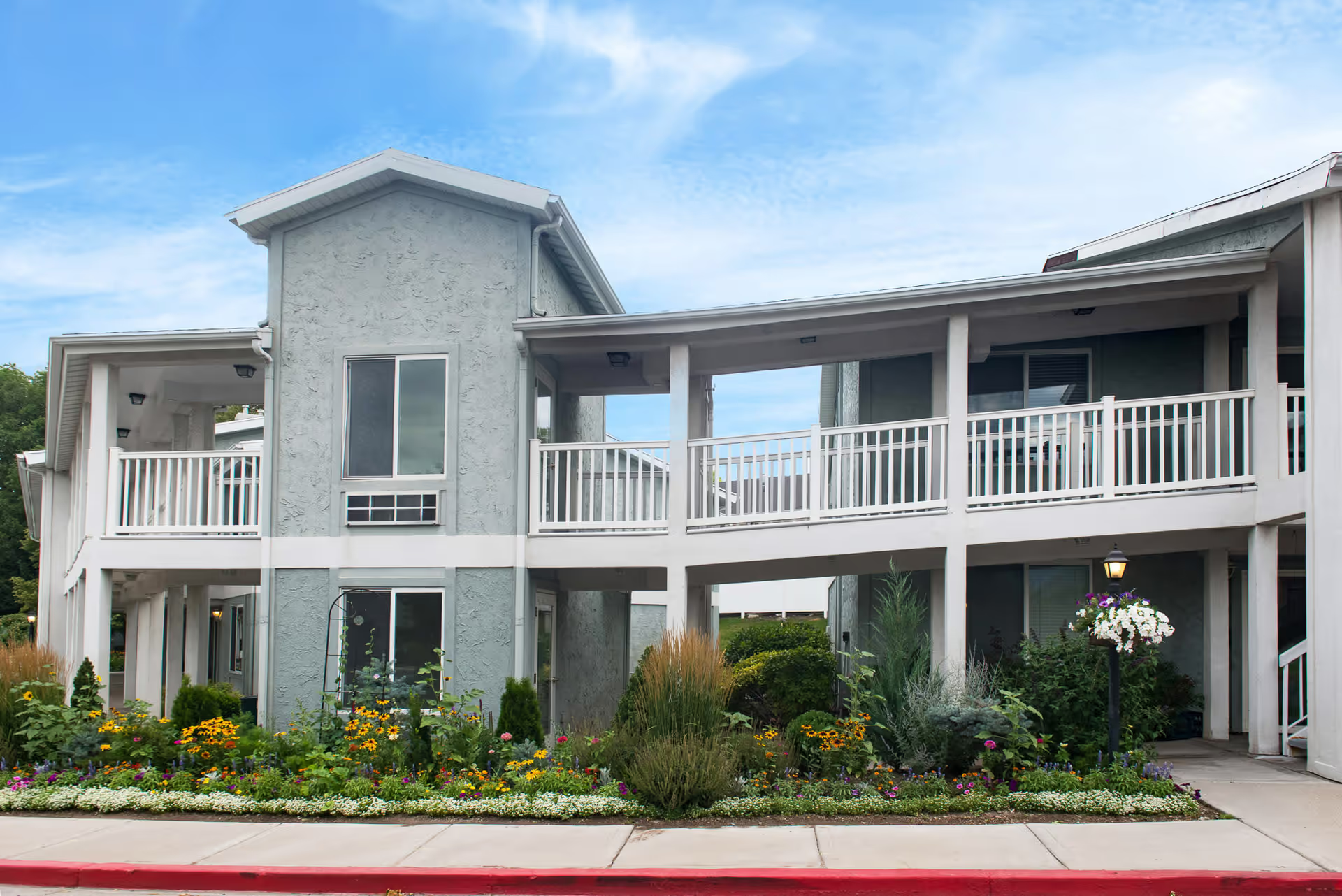
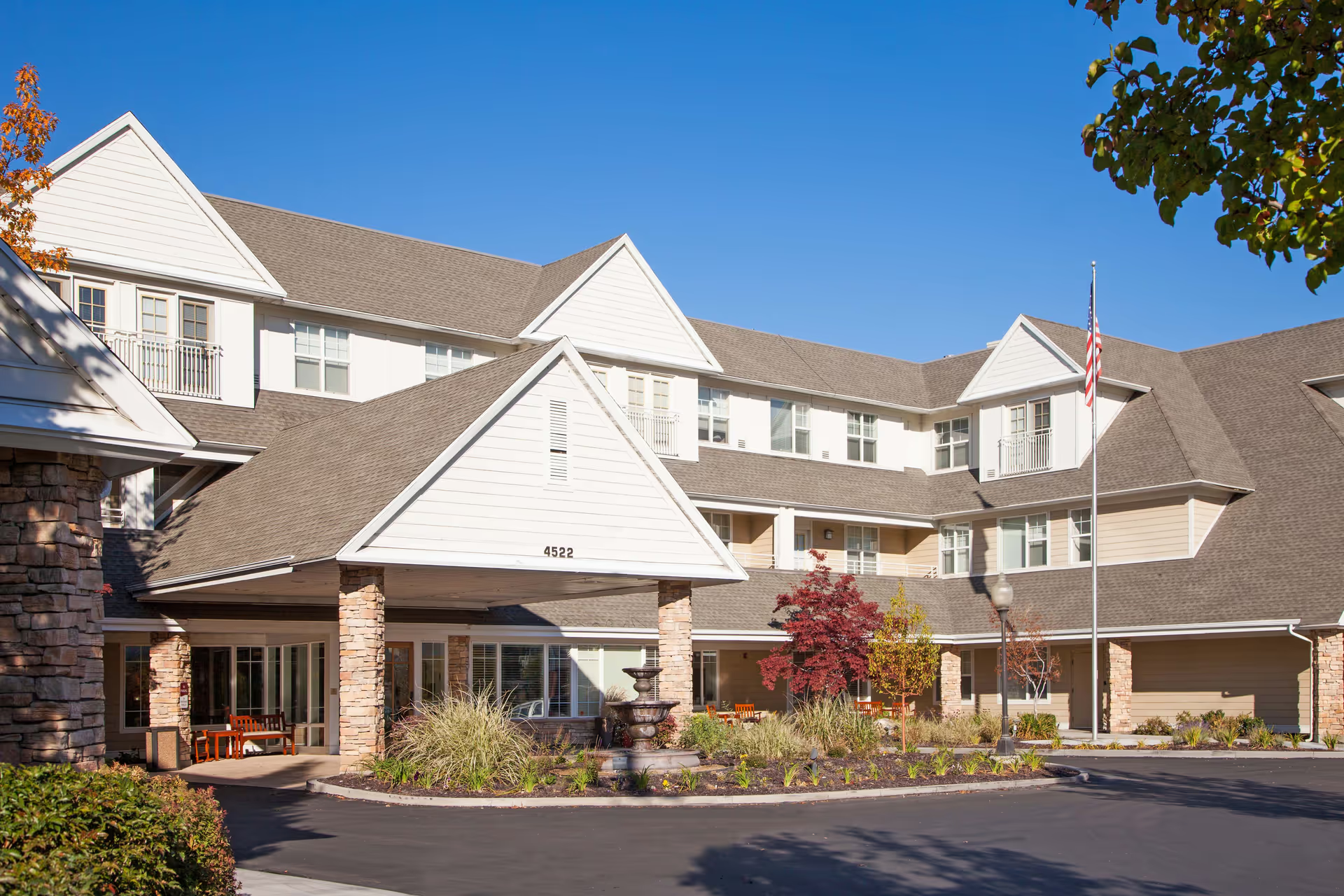
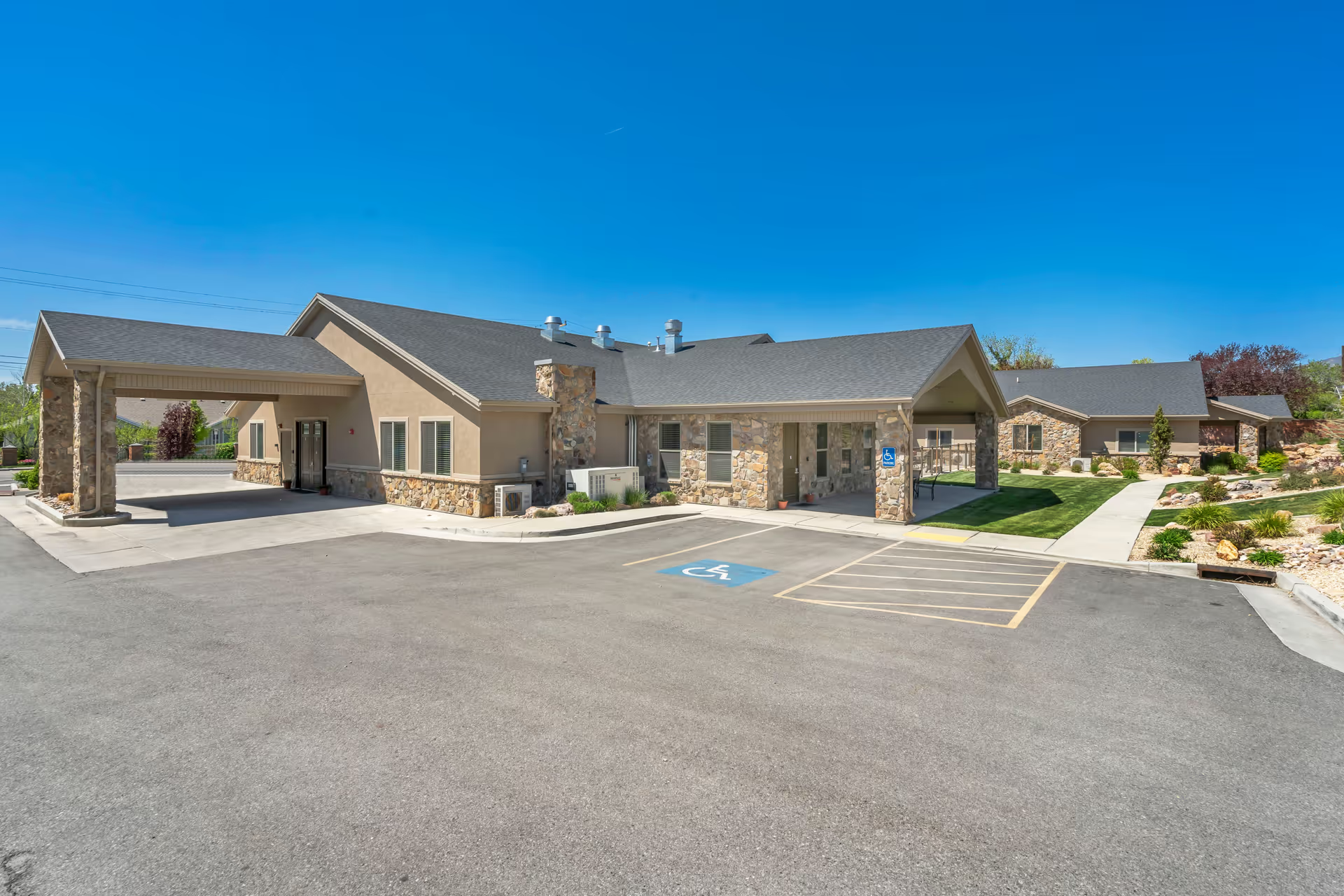
The activity program is often described as varied, with games, music, outings, seasonal events, visiting entertainment, and opportunities for social connection. Some families value the activities and staff engagement, while one memory-care review found daytime stimulation insufficient. The building is consistently characterized as modern, attractive, and well maintained, with spacious rooms, common areas, and amenities such as a courtyard, salon, gym, and library. Owners’ regular presence and management’s responsiveness are recurring strengths, although reviews also raise staffing-capacity concerns during some periods.
A separate highly critical account alleged that staffing and management oversight were inadequate, reported that a requested emergency call was not placed, and cited regulatory investigations and licensing penalties. These are individual reviewer claims and are not independently verified in the supplied reviews. Given the contrast between these allegations and the many positive accounts, families may wish to review current inspection and licensing records and ask directly about staffing levels, emergency-response procedures, and memory-care safeguards before making a decision.