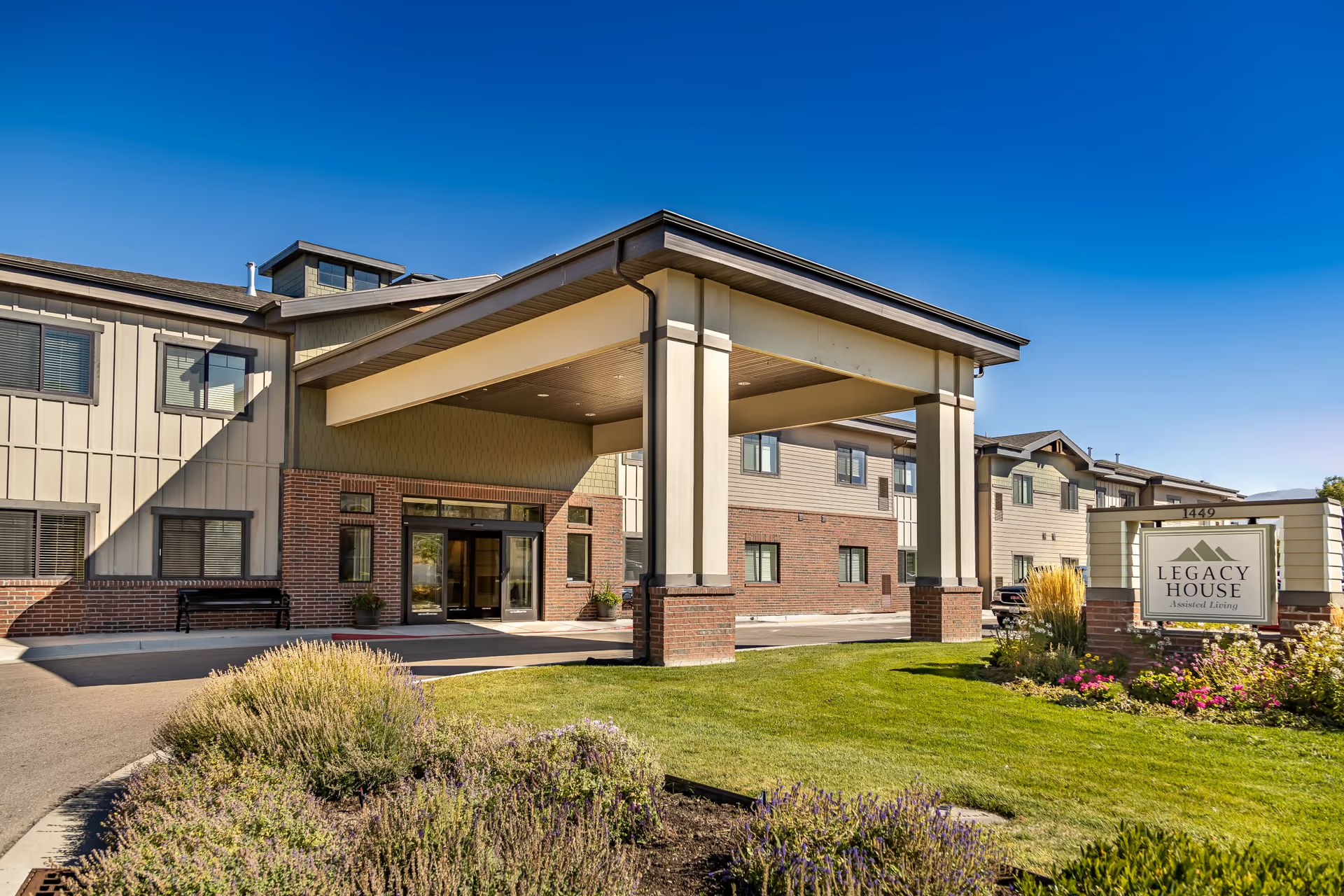
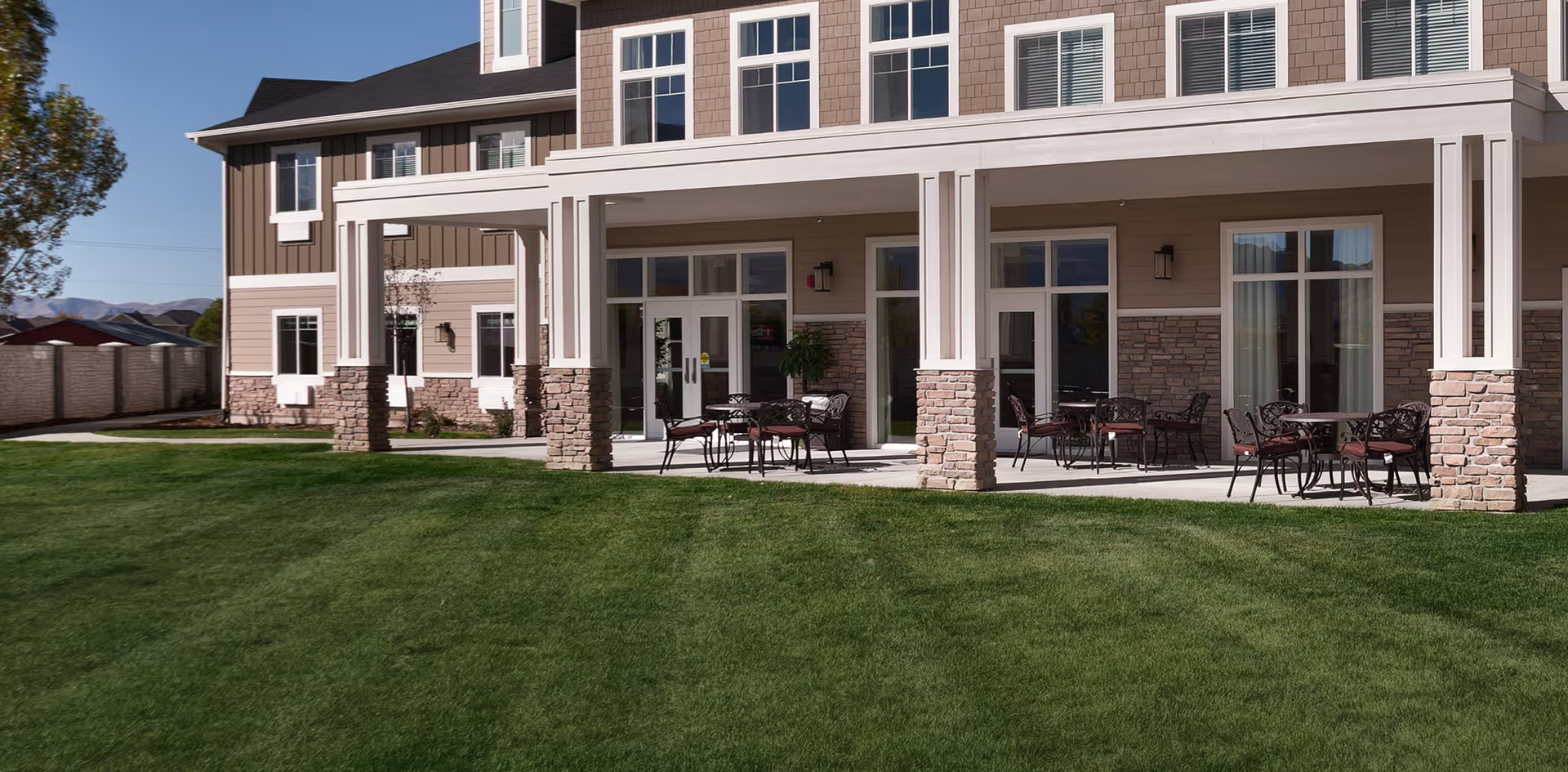
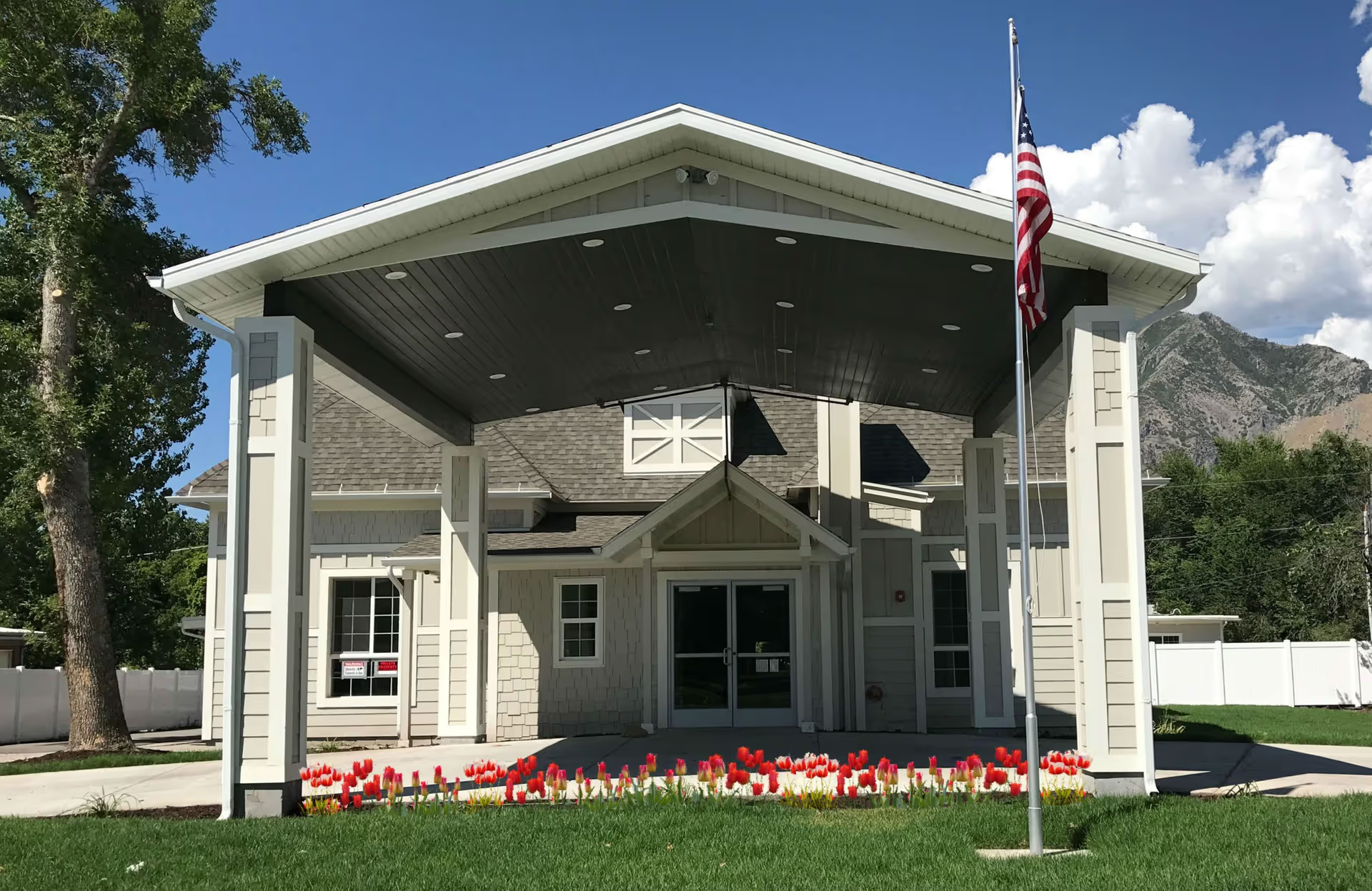
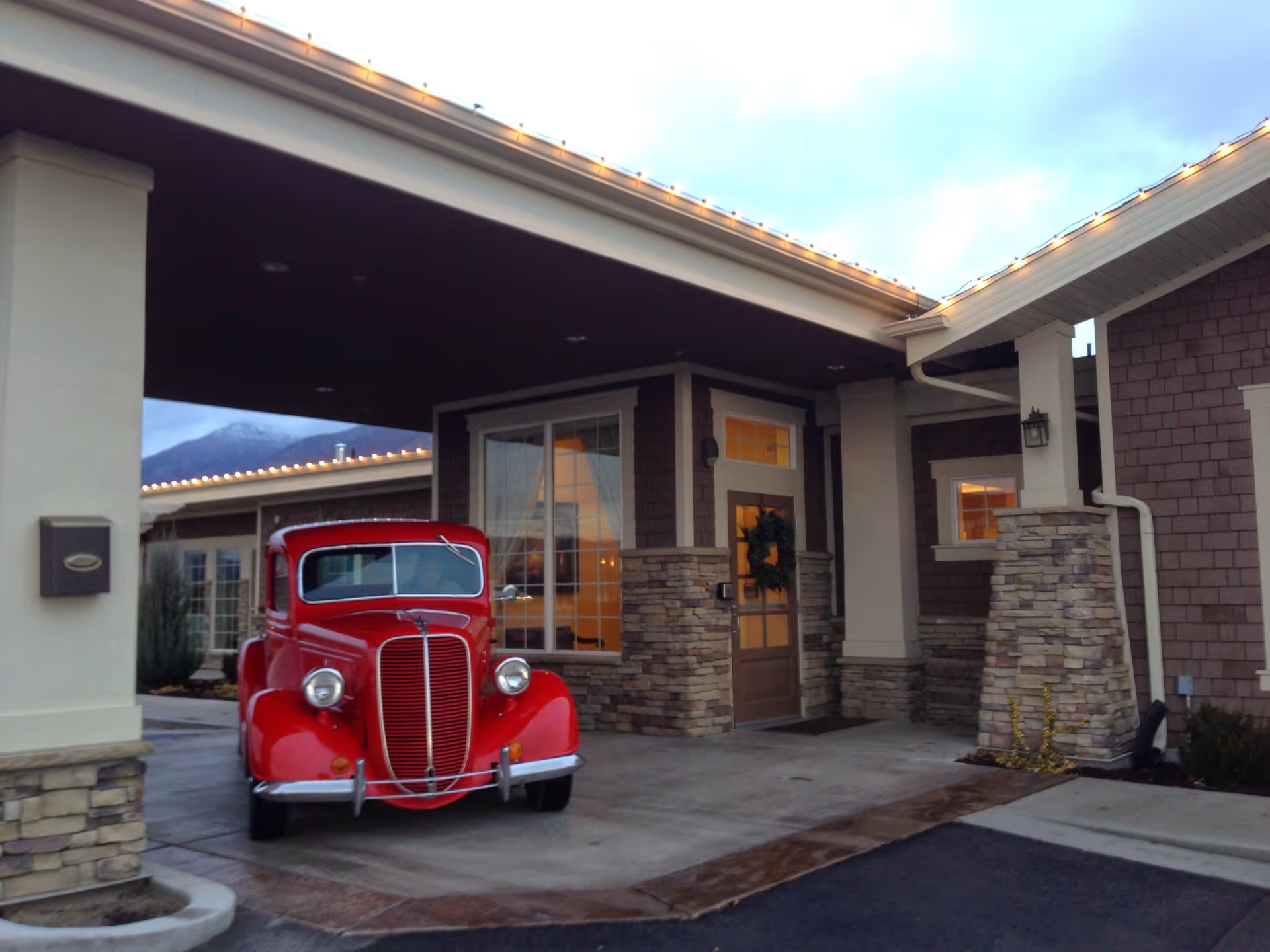
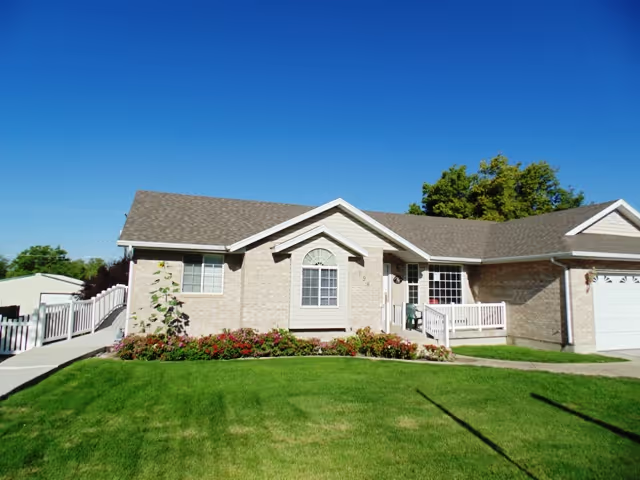
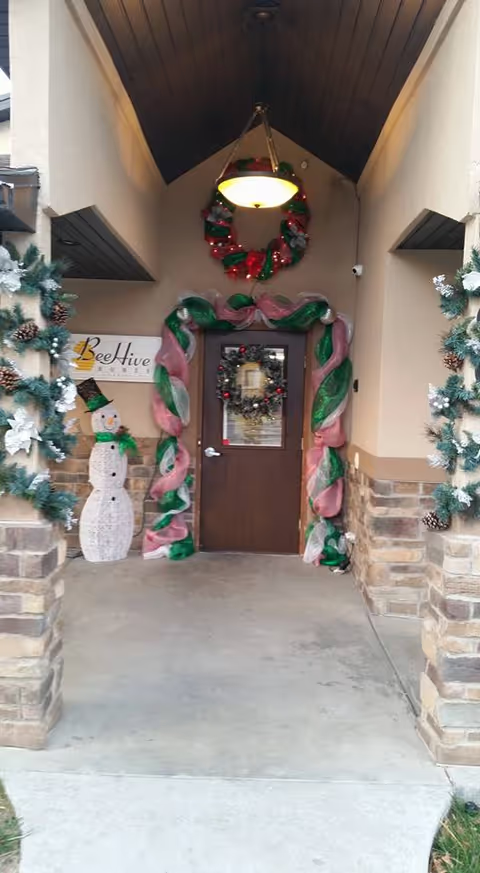
Overall impression: Reviews portray Beehive Homes of Spanish Fork as a small, home-like assisted living provider with a strong emphasis on personalized caregiving and family communication. Families frequently describe staff as warm, patient, and attentive; many note that staff members are approachable, responsive to feedback, and quick to resolve issues. The facility’s environment is consistently described as clean and well-maintained, with tidy grounds and comfortable common areas that support a domestic atmosphere rather than an institutional one.
Care and staff: Care quality is a commonly highlighted strength. Reviewers cite compassionate direct-care staff and specific competence in memory and Alzheimer’s care. Several families said residents were treated with respect and that staff kept them informed about care and events. Safety-oriented practices and a low incidence of falls were noted. Staffing characterizations are mixed: some accounts describe low turnover and stable caregivers who form strong relationships with residents, while others point to periods of staffing shortages or turnover that can affect continuity of care. Prospective families should ask about current staffing ratios and recent turnover trends.
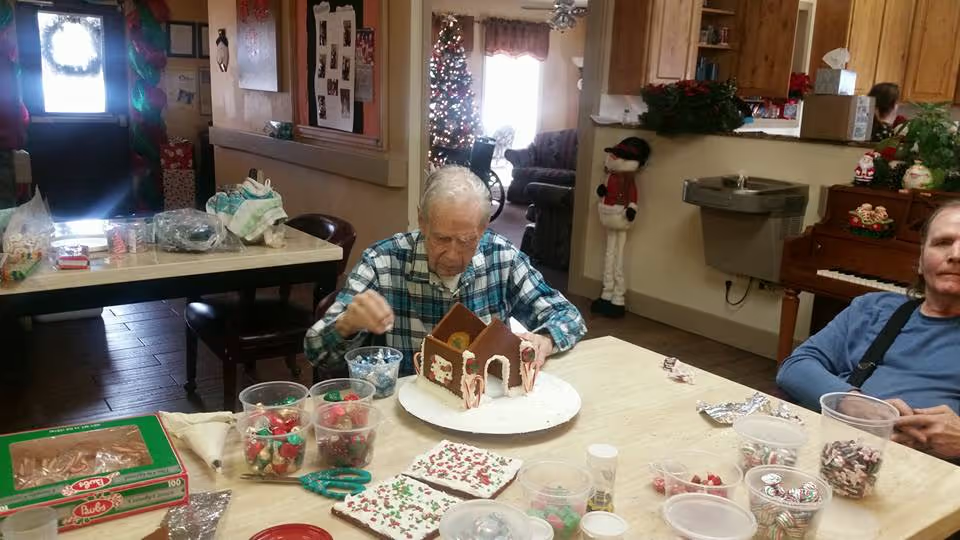
Dining and activities: The home provides daily meals, snacks, and accommodation for dietary requests, and many families appreciated the homemade-style atmosphere around food. However, dining quality is described as variable—some reviewers praised the variety and responsiveness to preferences, while others felt meal quality had been inconsistent. Activity offerings include music, bingo, and singing, contributing to a social environment; still, a number of comments indicate that activity programming can be limited or unevenly applied. Interested families should request a sample menu and an activities calendar to assess fit with residents’ interests.
Facilities and amenities: The property is characterized as recently remodeled in places, with clean interiors, private rooms with en-suite bathrooms available, and proximity to local dining and shopping that facilitates family visits. The small size is frequently framed positively as creating a family-like atmosphere and easier individualized attention.
Management and policies: The strongest pattern of concern relates to management and financial policies. Several families expressed perceptions that ownership/management can be financially driven, with strict practices around charges for resident damages and occasional concerns about the tone of communication with families. These items point to operational choices rather than clinical care quality, but they can affect family experience and satisfaction. Prospective residents and families should ask for clear written explanations of damage-charge policies, billing procedures, and communication protocols.
Notable patterns and recommended questions: The dominant strengths are personalized caregiving, memory-care capability, a clean and home-like setting, and effective family communication in many cases. Key areas to probe during a visit include current staffing levels and turnover history, sample menus and how dietary concerns are handled, the regularity and variety of activities, and written financial/billing policies. A tour and direct conversations with caregiving staff and management will help clarify how the facility’s generally positive caregiving reputation aligns with operational practices and family expectations.