Overall impression: Reviews present a mixed but specific picture. Many families and residents describe strong clinical rehabilitation services, a clean and recently updated physical plant, and staff members who are caring, attentive, and personable. At the same time, a notable subset of accounts describes operational lapses — particularly around communication, medication processes, and weekend staffing — that have led to safety and satisfaction concerns for some residents and families.
Care quality and clinical services: Physical and occupational therapy are frequently cited as strengths; reviewers credit therapy teams with helping residents regain strength, improve mobility, and return home. Nursing staff are often described as compassionate and patient-focused, with several mentions of individual nurses and care advocates who provided exceptional, personalized support. However, reviewers also described variability in clinical performance across staff and shifts. That variability manifests as concerns about medication handling, missed or delayed assistance, and uneven competency at discharge or transfer processes. These accounts suggest the facility can deliver strong clinical care but that consistency is a concern.
Staff and operations: Interactions with CNAs, aides, and therapy staff are commonly characterized as friendly and engaged. Housekeeping and kitchen staff also receive praise when the facility is described as clean and home-like. Counterbalancing these positives are recurring operational weaknesses: inconsistent communication between shifts and with families (including notifications about incidents or transfers), variable staff behavior and tone, and limited coverage or responsiveness on weekends. Several reviewers tied perceived declines in culture and responsiveness to changes in ownership or management, and some described stricter visitor/volunteer policies that affected family involvement.
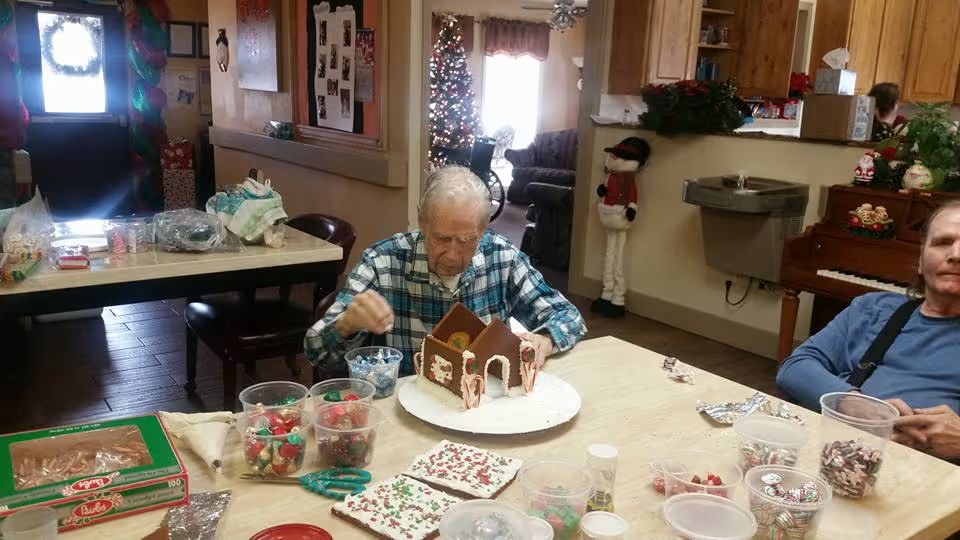
Dining and activities: Dining experiences are mixed. Many reviewers praised the quality of meals, generous portions, and particular cooks who were singled out for positive contributions to recovery. Other accounts indicate inconsistent menu satisfaction and occasional declines in food quality. Social programming and activities are generally viewed positively; reviewers note community meals, parties, and opportunities to socialize that contribute to a supportive atmosphere.
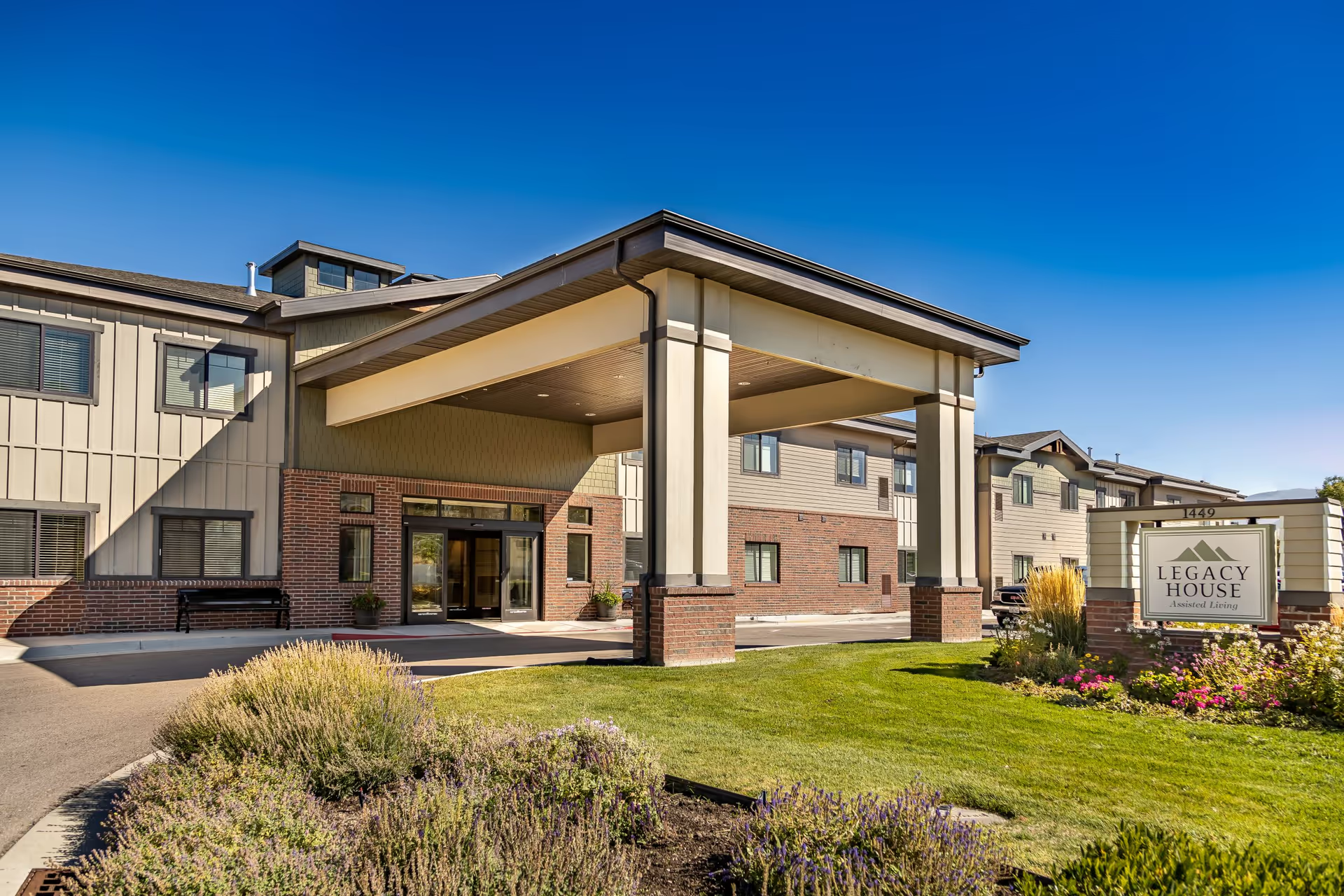
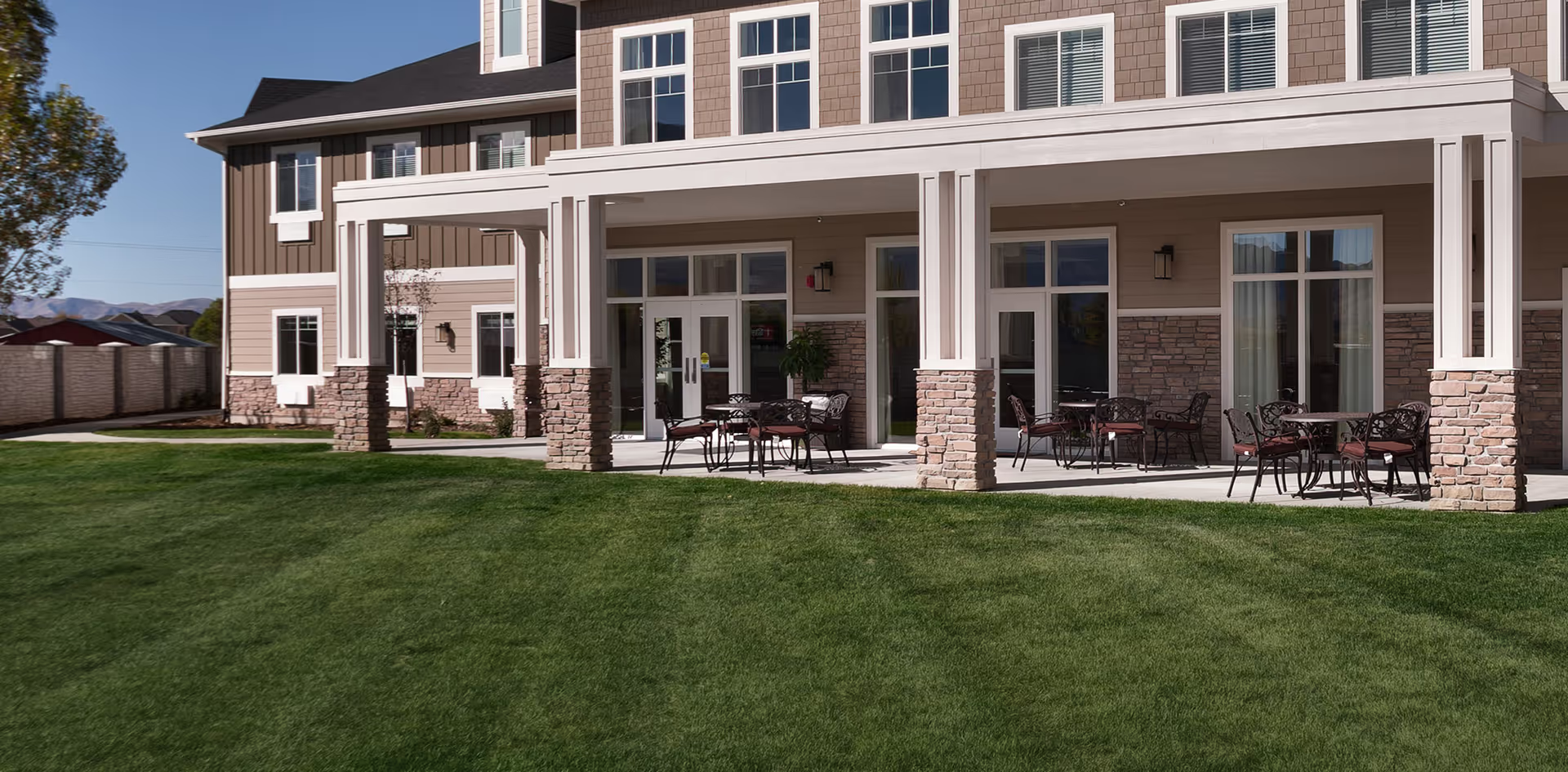
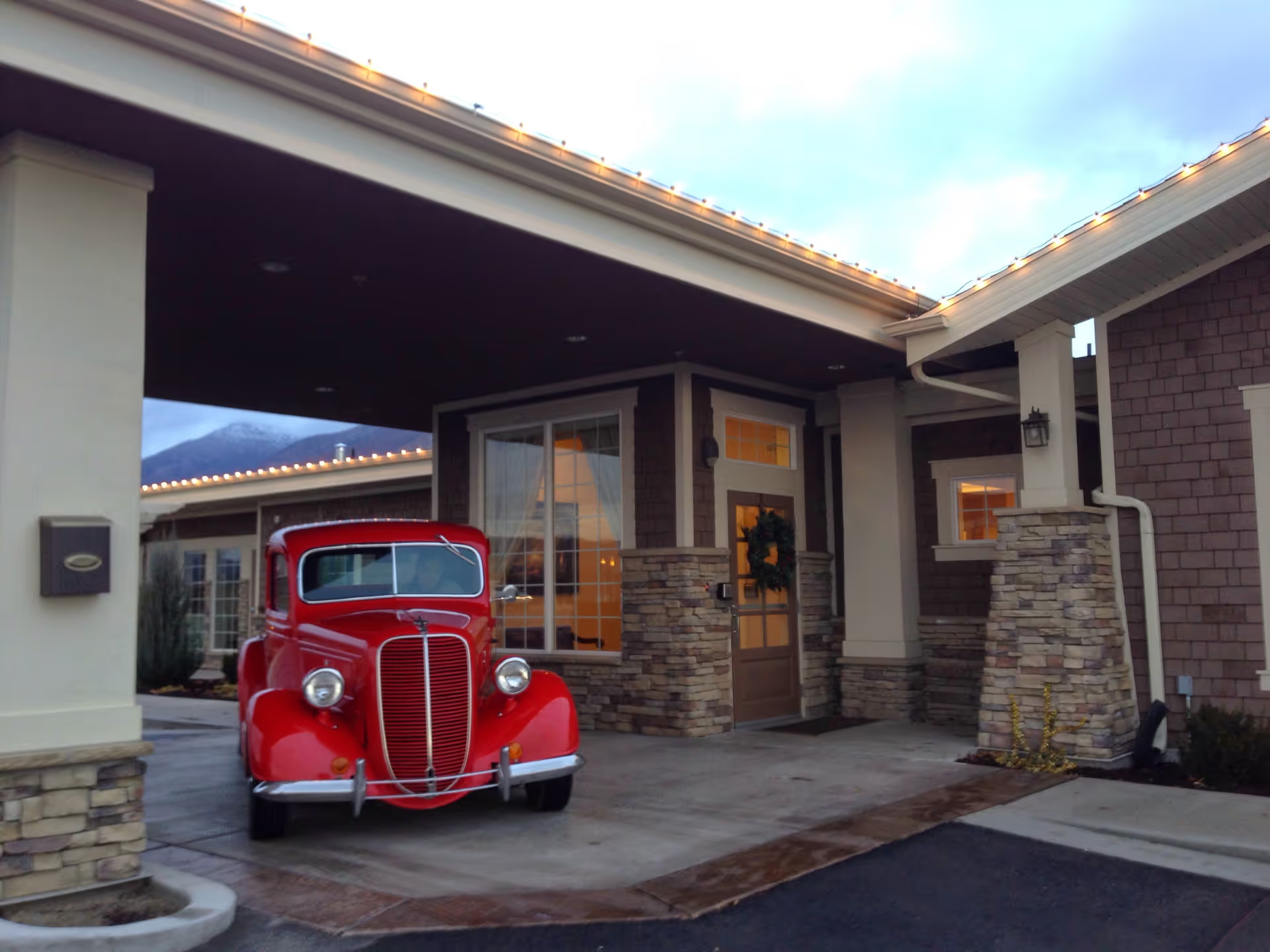
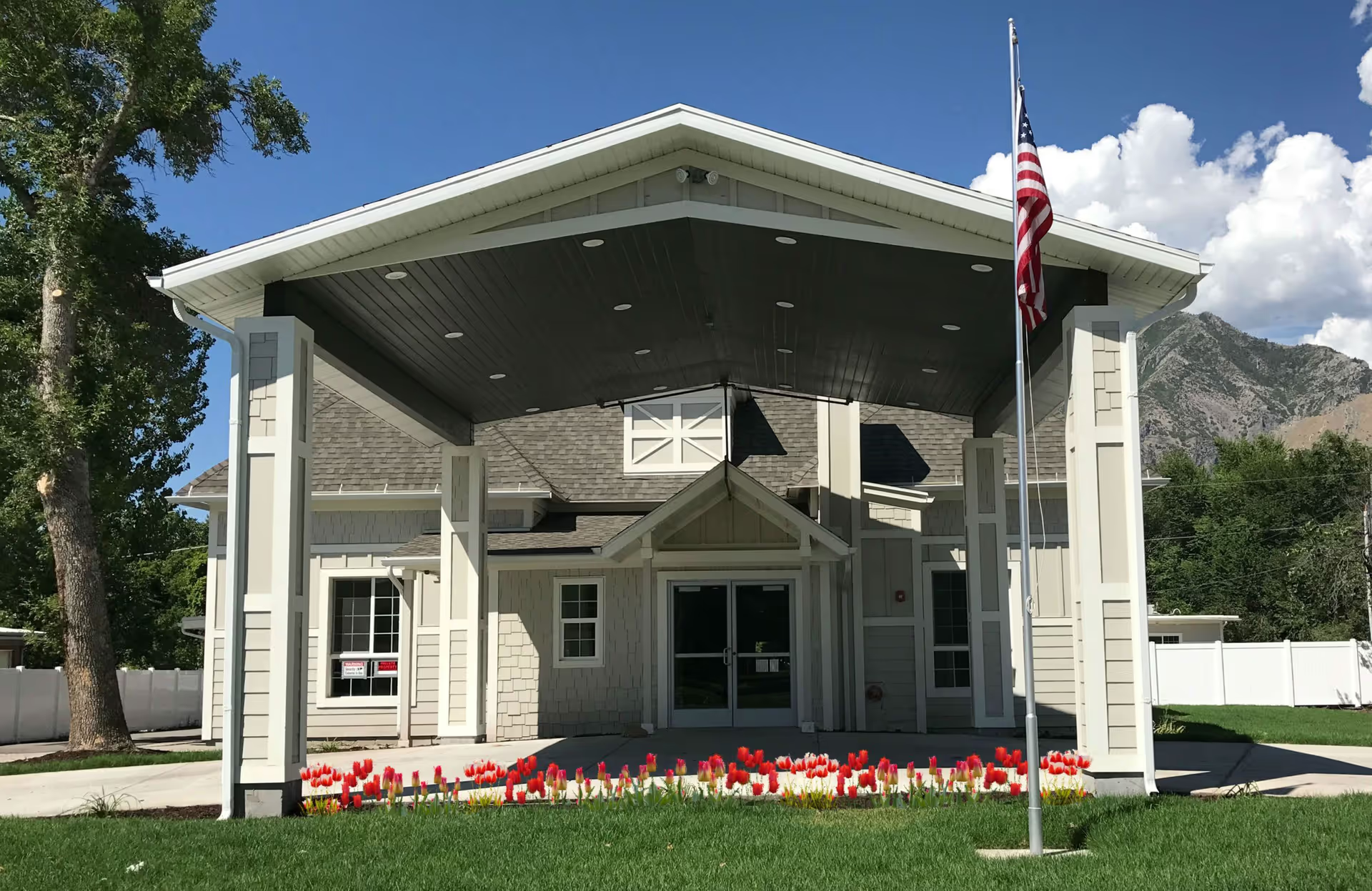
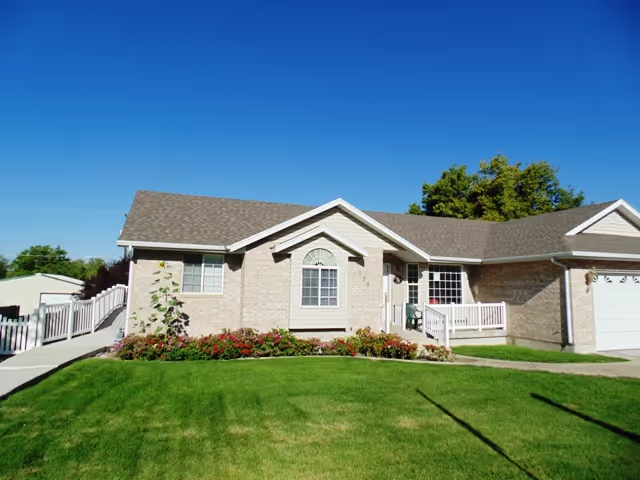
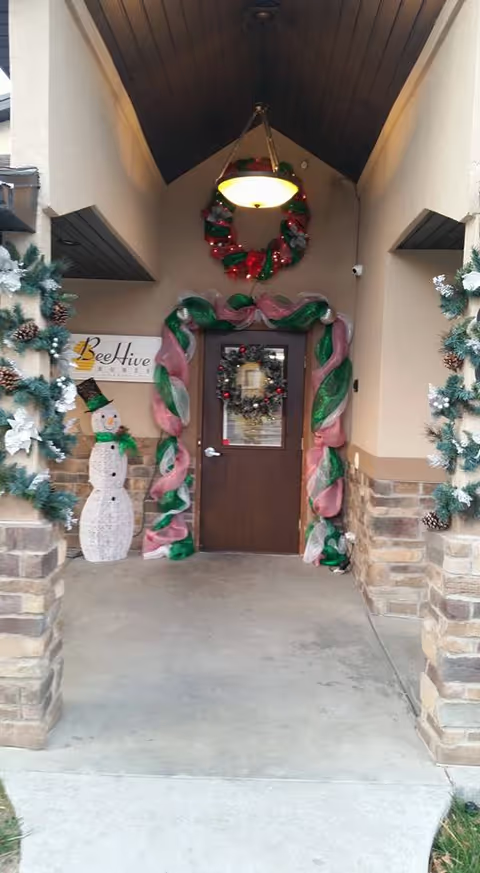
Facilities and environment: The facility’s physical environment is frequently described as clean, modern, and well maintained — several mentions of recent rebuilding or a brand-new interior. Room layouts, including semi-private configurations, were described as offering good privacy and functionality. At the same time, a smaller number of reviews referenced odor concerns and other cleanliness issues at certain times or in certain areas, pointing to variability in environmental maintenance.
Management and notable patterns: Reviewers express divergent views of management. Several accounts praise accessible administrators, responsive directors of nursing, and staff advocates who improved residents’ experiences. Other reviewers report declines in care quality following ownership or leadership changes, describe restrictive visitor or volunteer policies, and express distrust in operational priorities. Patternwise, the most consistent concerns across reviews are communication gaps (shift handoffs and family notifications), inconsistent staff performance (especially on weekends), and intermittent issues with medication administration and transfer assistance. Positives cluster around therapy, individualized rehabilitation outcomes, friendly day-to-day caregivers, and an attractive, modern facility.
Practical considerations for families: Prospective residents and families should weigh the facility’s strong therapy program, individualized care advocates, and modern facility against the documented variability in communication, weekend staffing, and medication/transfer processes. Asking about current staffing ratios, weekend coverage, incident-notification policies, medication-safety procedures, visitor and volunteer rules, and recent management or ownership changes can help clarify whether operational gaps noted in some accounts remain an issue.