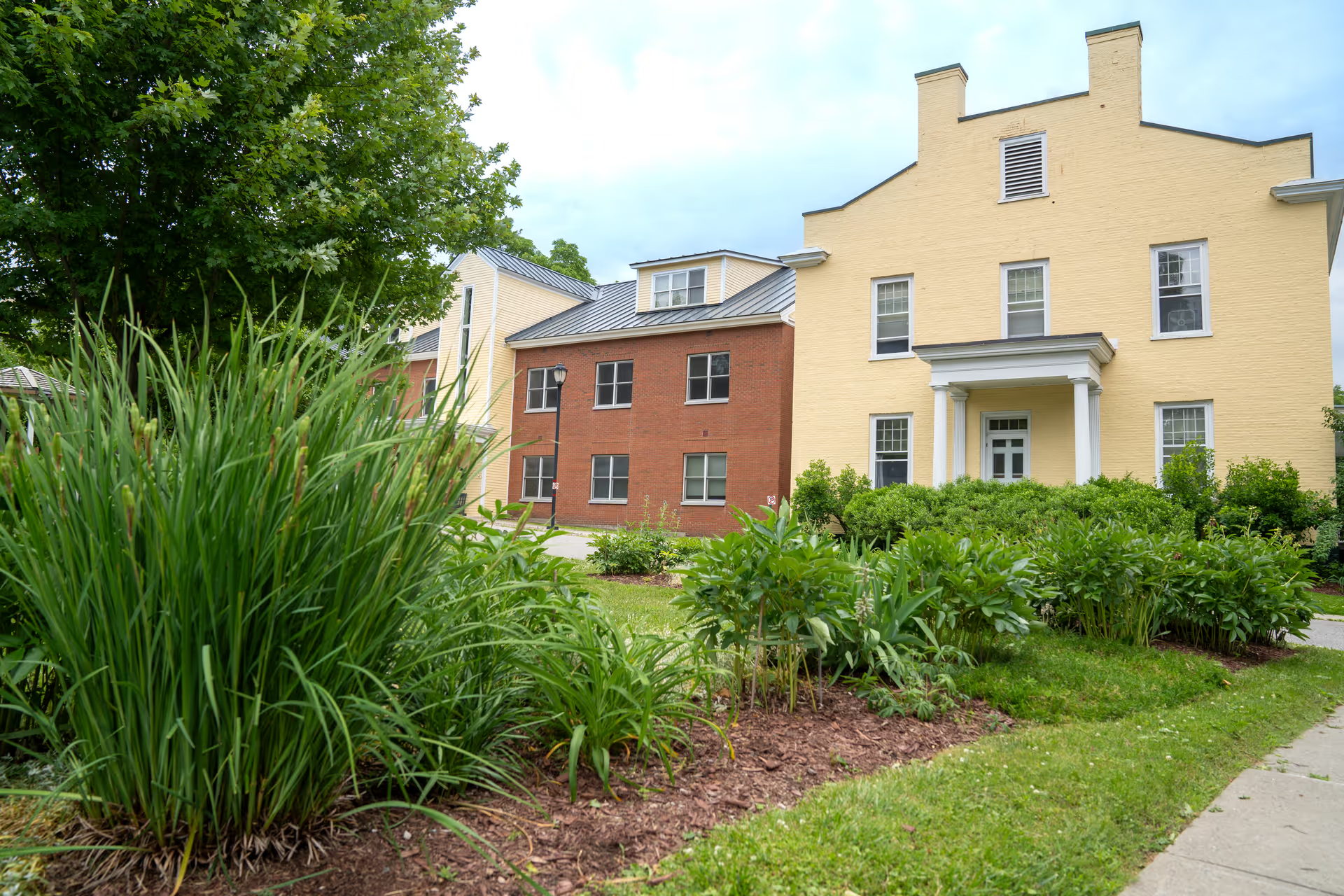
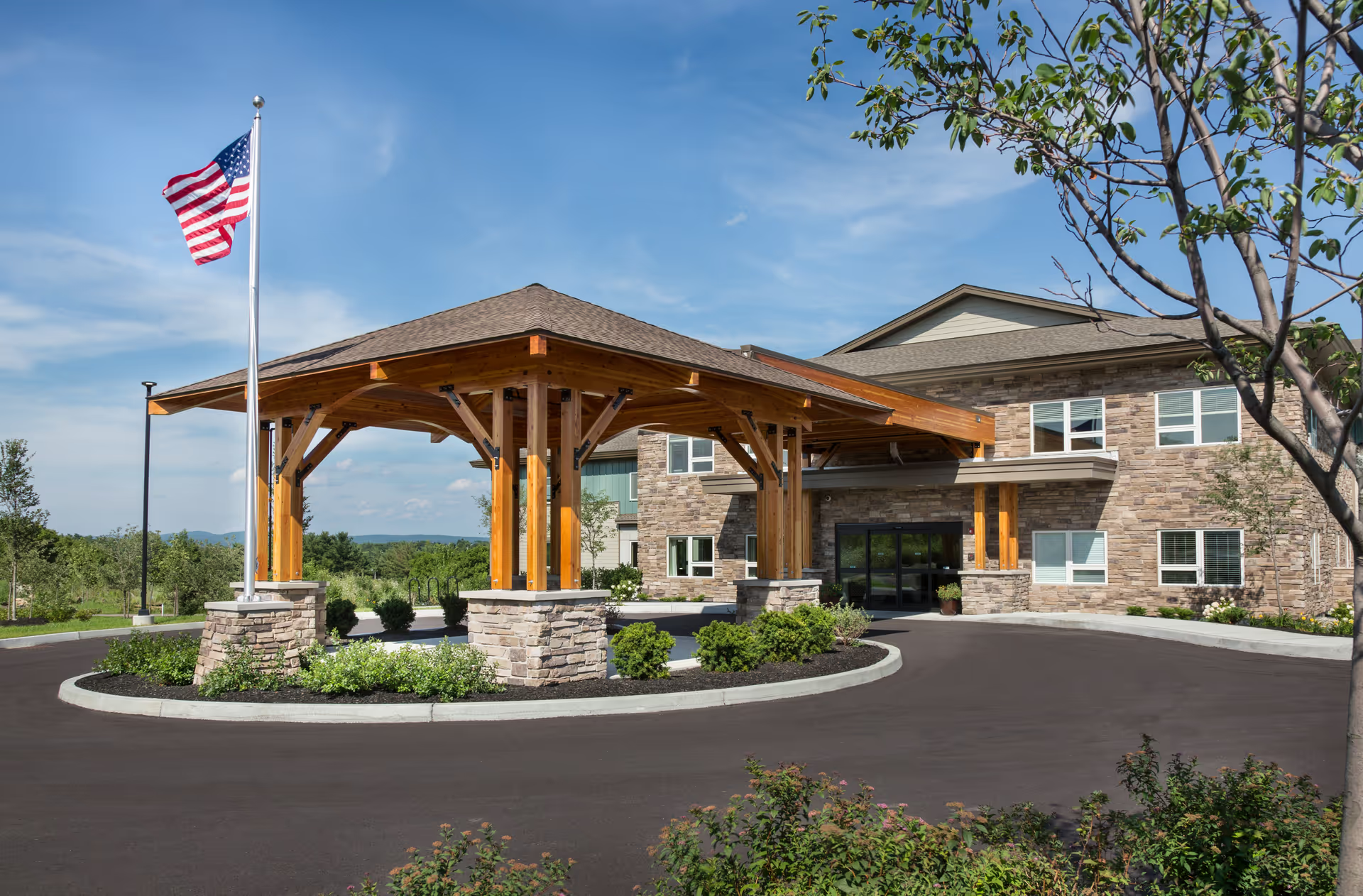
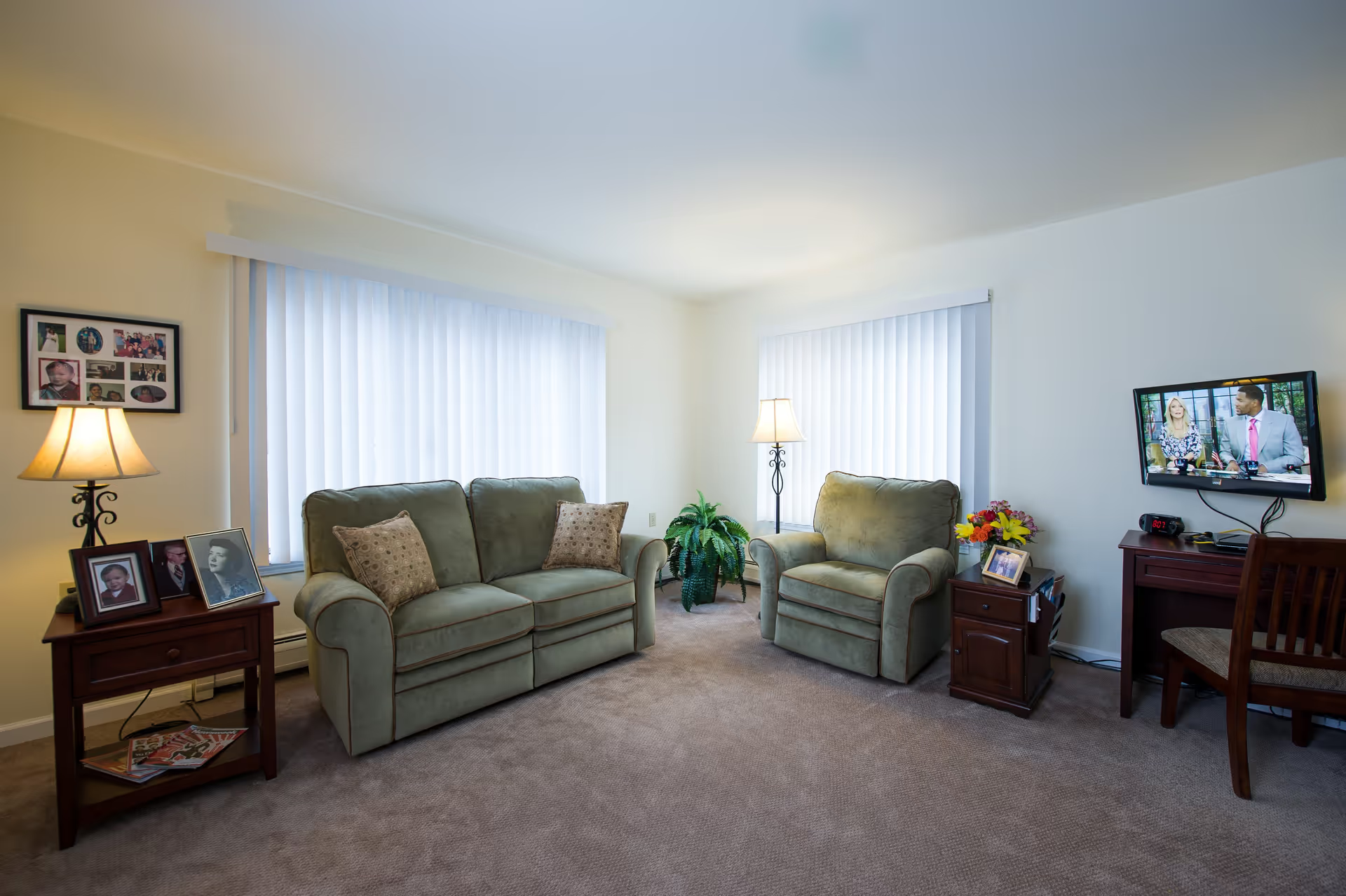
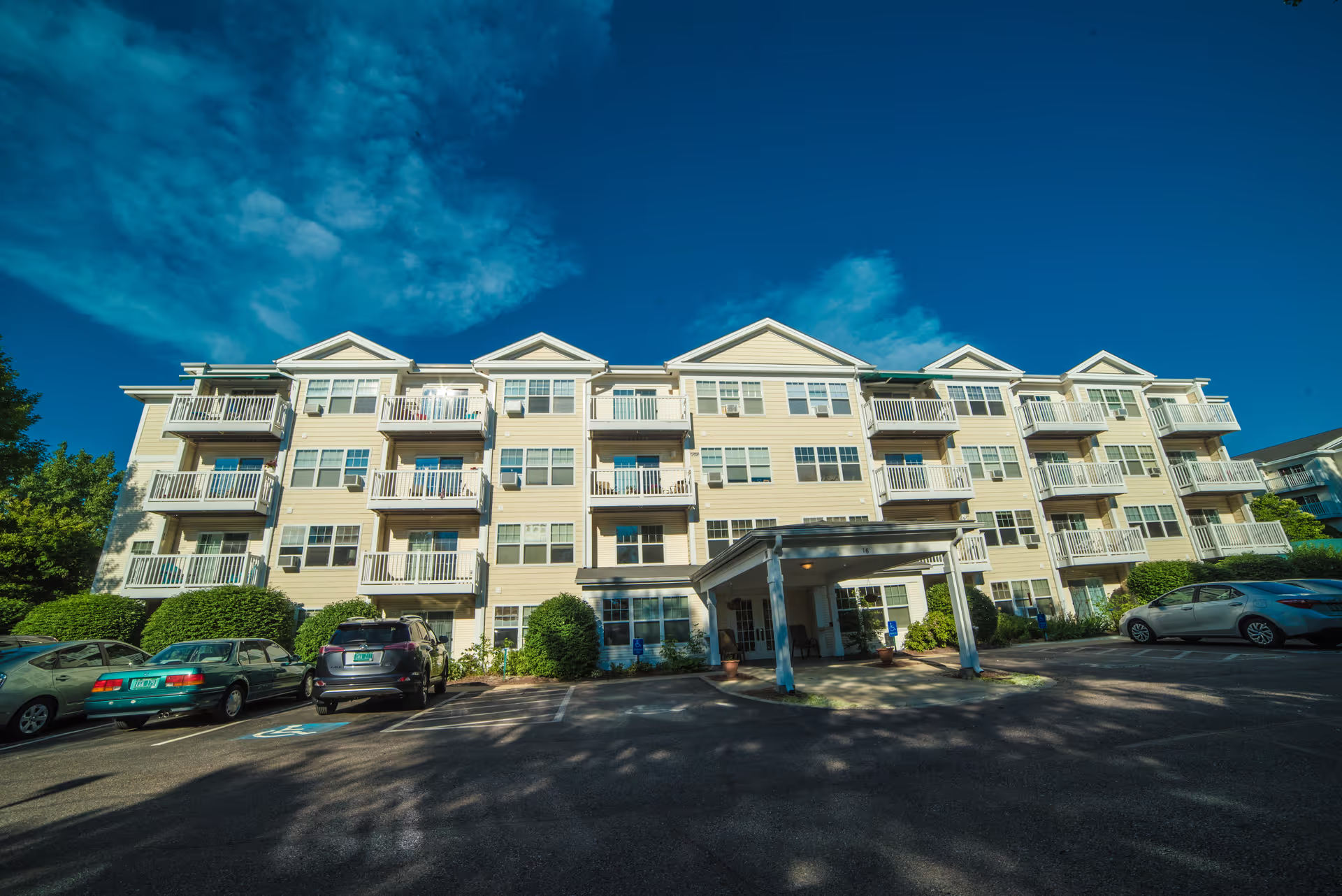
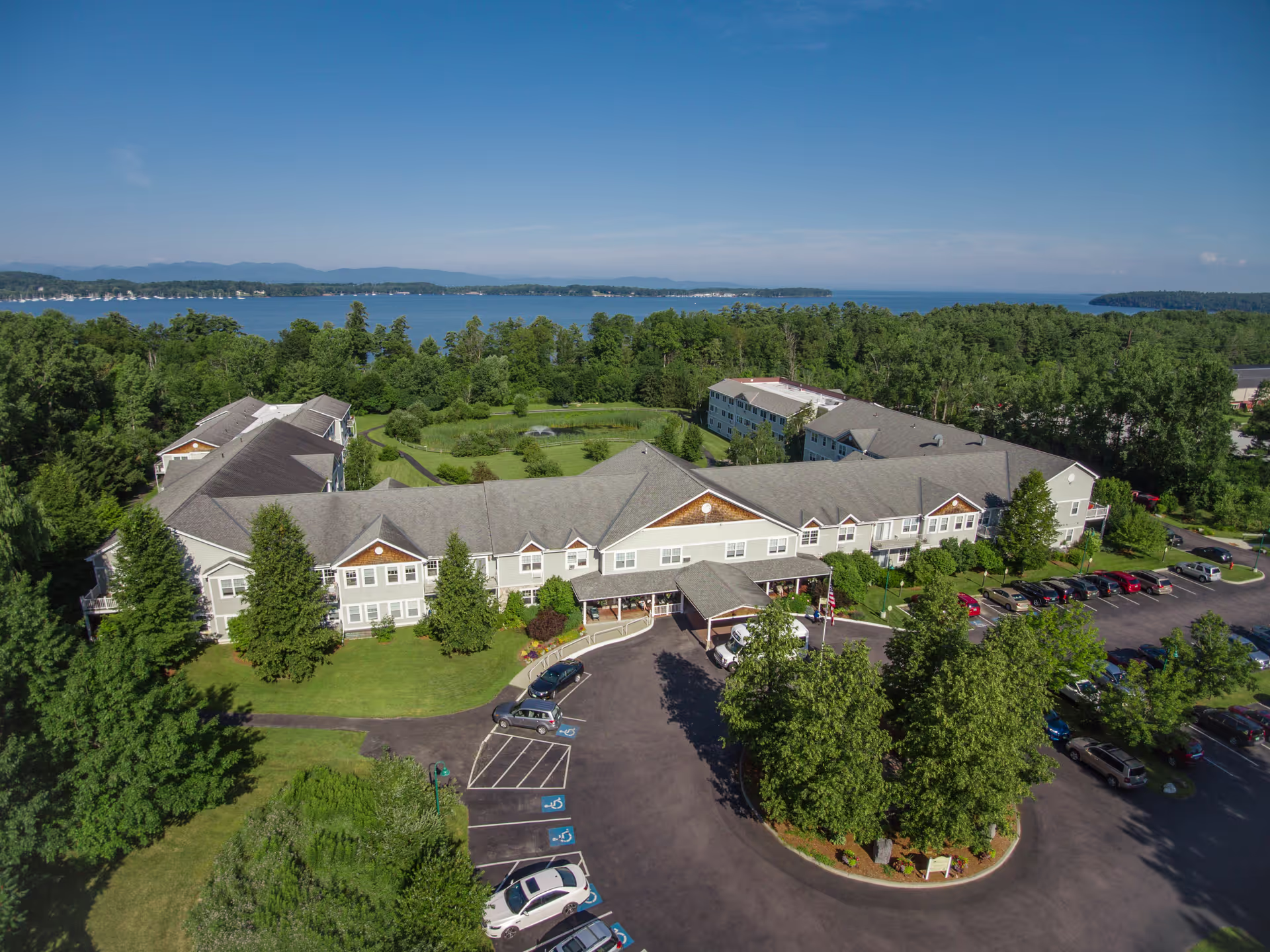
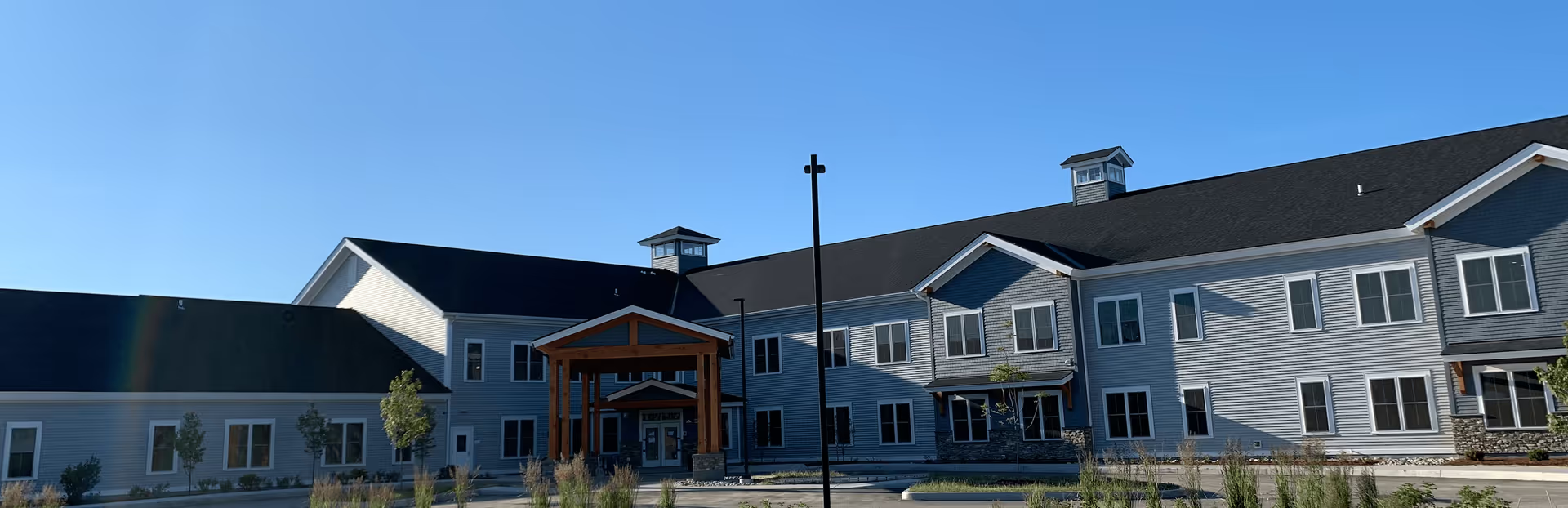
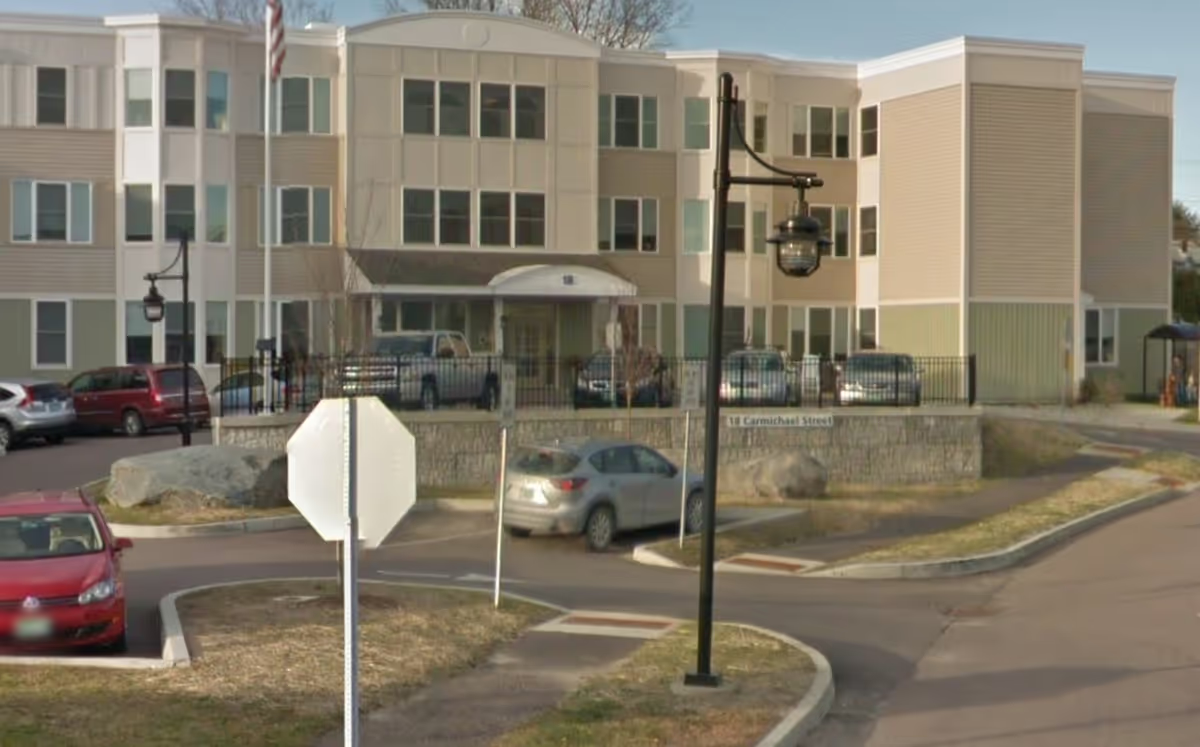
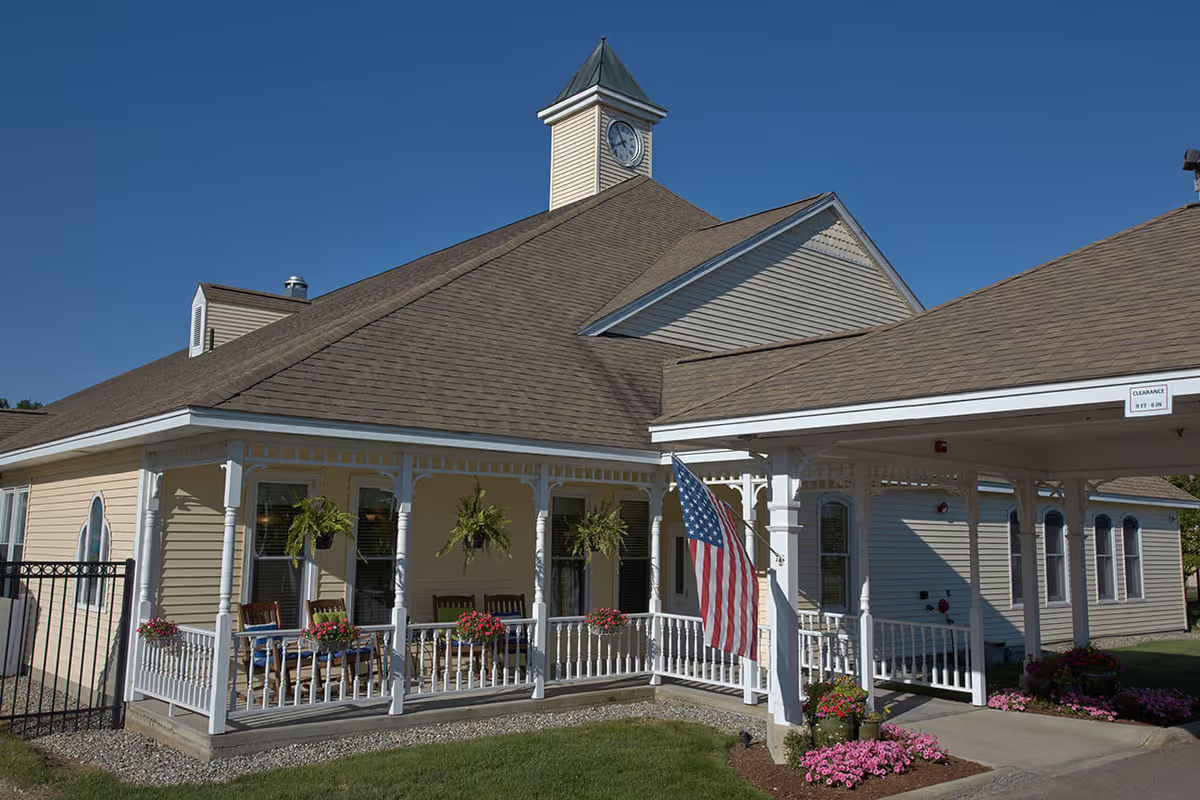
The reviews portray Burlington Health & Rehab as a facility with clear strengths and distinct operational weaknesses. Strengths center on direct-care teams: many families praised compassionate, professional nurses, attentive LNAs, and a highly regarded PT/OT department that produced measurable mobility improvements. Specific staff members and therapy teams received frequent positive mention for individualized attention and rehabilitation outcomes. Social work and admissions staff were also cited as helpful in coordinating care and transitions. The physical environment shows a split picture — interior spaces, rooms, and recent renovations (including a modern lobby) are frequently described as clean and comfortable, and there are established community programs and social activities that families and residents appreciate.
Dining feedback is mixed. Several reviewers described varied, appealing menus and pleasant dining spaces, with some calling the food comparable to higher-end dining. Conversely, other families raised consistent concerns about meal temperature, presentation, portion size, and unappealing offerings leading to weight loss for some residents. Kitchen presentation and service continuity appear uneven across shifts.
Operationally, a recurrent theme is staffing instability. Reviews indicate inconsistent staffing patterns, use of contract/traveler staff, and high turnover that correlate with variations in responsiveness and daily care quality. Call-bell response time is notably inconsistent — some families experienced timely help while others reported waits exceeding twenty minutes. This variability also surfaced in basic care tasks and in staff conduct: reviewers described both highly attentive caregivers and episodes of brusque or disrespectful interactions that affected resident dignity.
Clinical-safety and administrative processes present additional concerns. Multiple accounts suggest gaps in medication administration, documentation, and discharge coordination. There are also mentions of falls and other safety incidents with perceived inconsistencies in reporting and follow-up. Infection-control events and sanitation/odor concerns in certain areas were raised by some families, indicating uneven implementation of environmental and infection-prevention practices. A few reviewers described serious individual incidents that prompted escalation to higher levels of care; such accounts point to the need for careful review of clinical-incident response and communication with families.
Management and culture issues appear to influence the day-to-day experience. Reviewers pointed to administrative communication problems, perceptions of favoritism or unprofessional behavior by specific supervisors, and staff morale challenges. These organizational patterns are consistent with the staffing variability and operational gaps noted above.
For prospective residents and families: the facility demonstrates strong rehabilitation services, a number of committed caregiving staff, and pleasant common spaces that many families found reassuring. At the same time, the variability in staffing, responsiveness, meal service, and certain safety and administrative processes suggest the need for targeted questions during tours — for example, about current staffing ratios by shift, call-bell response metrics, medication-safety protocols, recent inspection results, infection-control procedures, and how the facility manages transitions of care. A direct, in-person assessment and discussion with clinical leadership can help determine whether Burlington Health & Rehab’s strengths align with a particular resident’s needs and expectations.