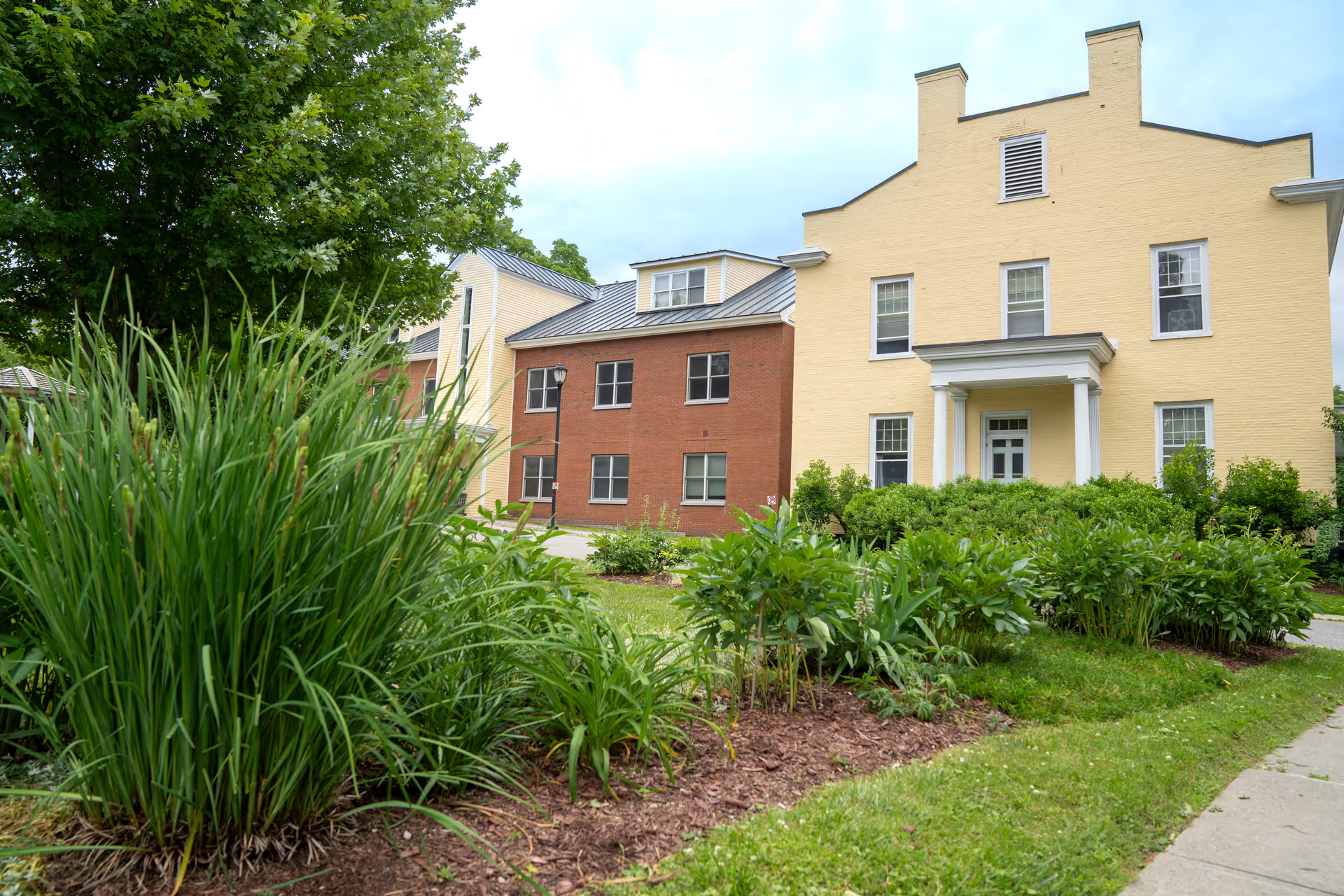
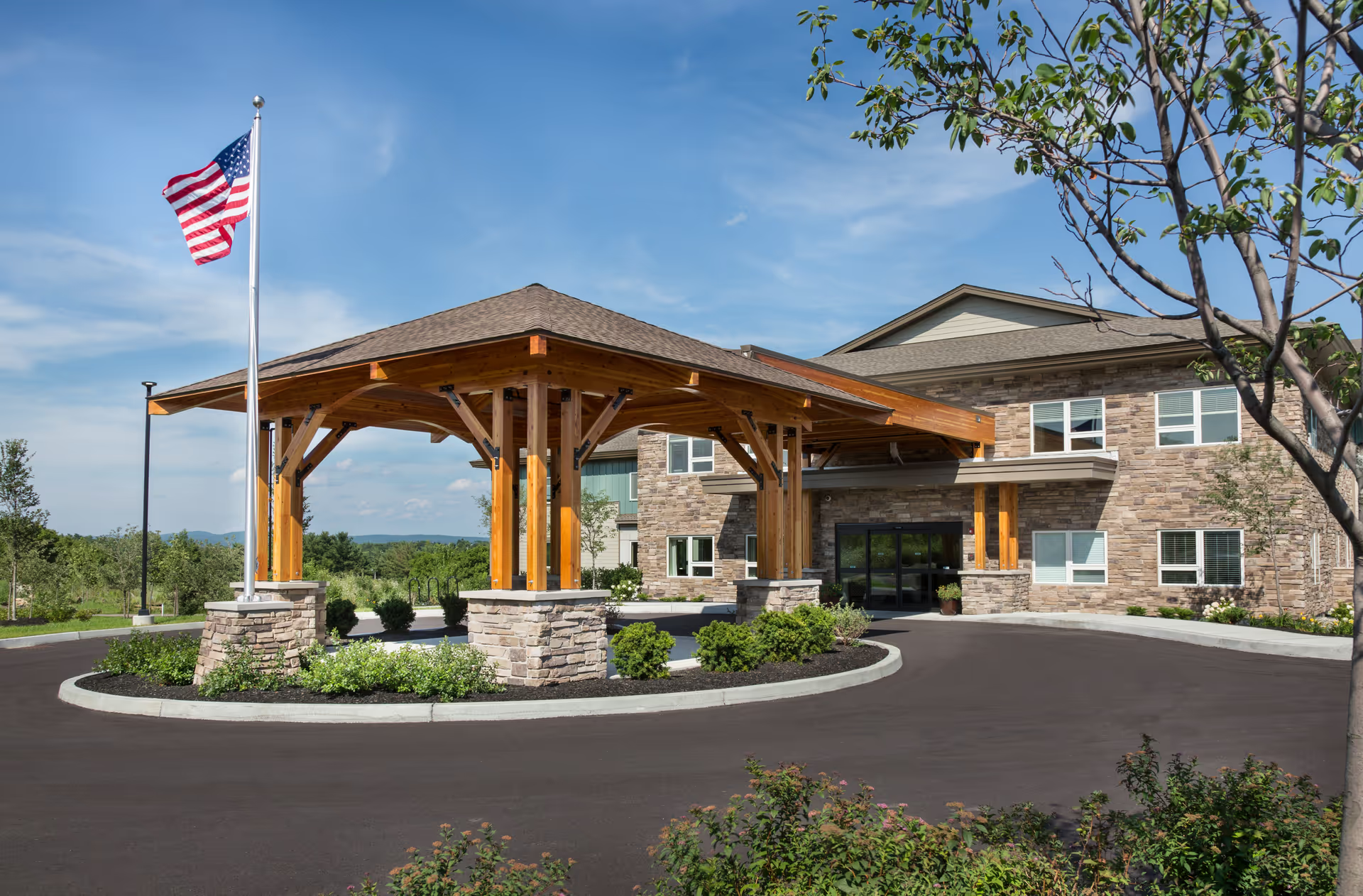
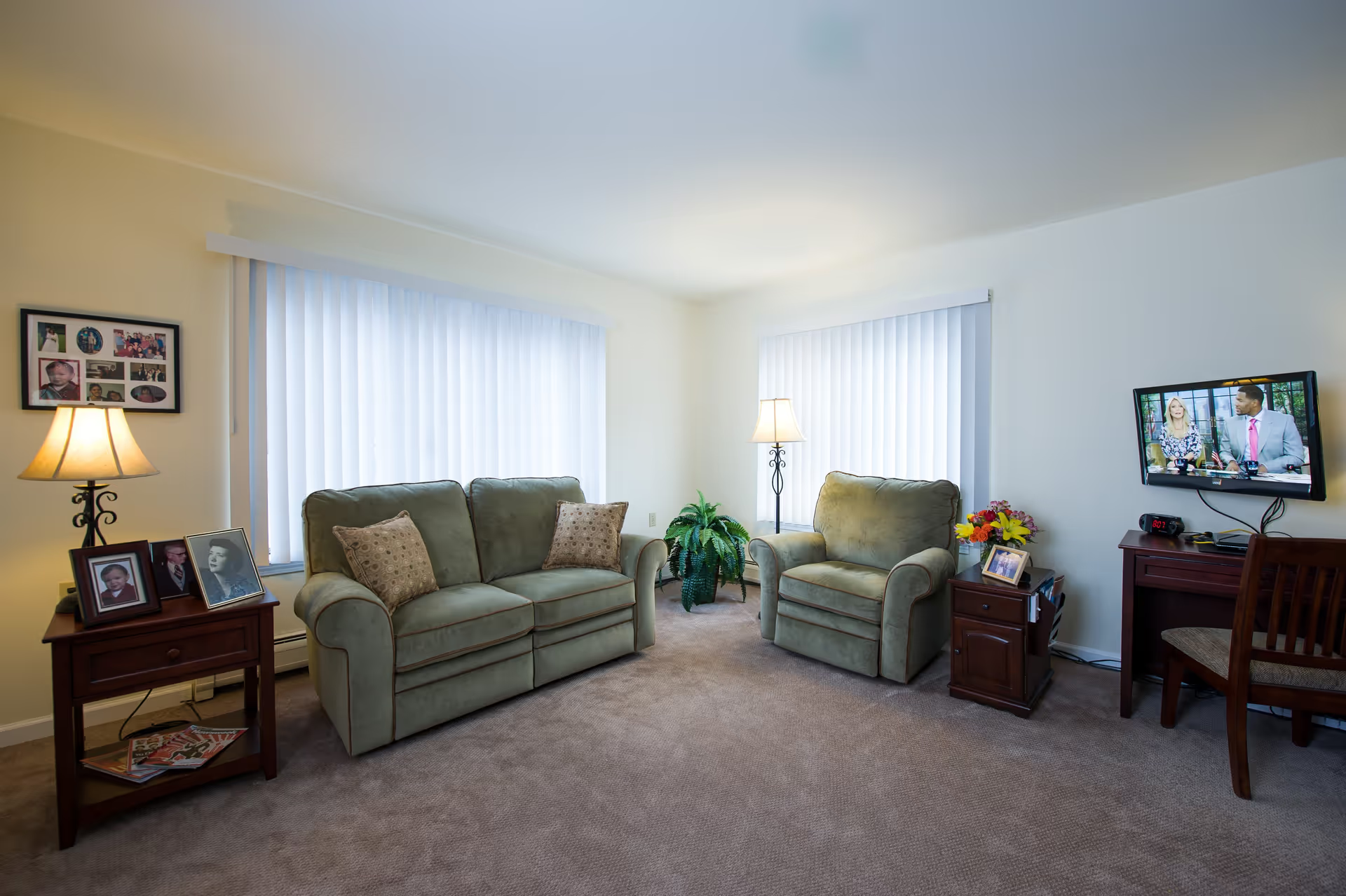
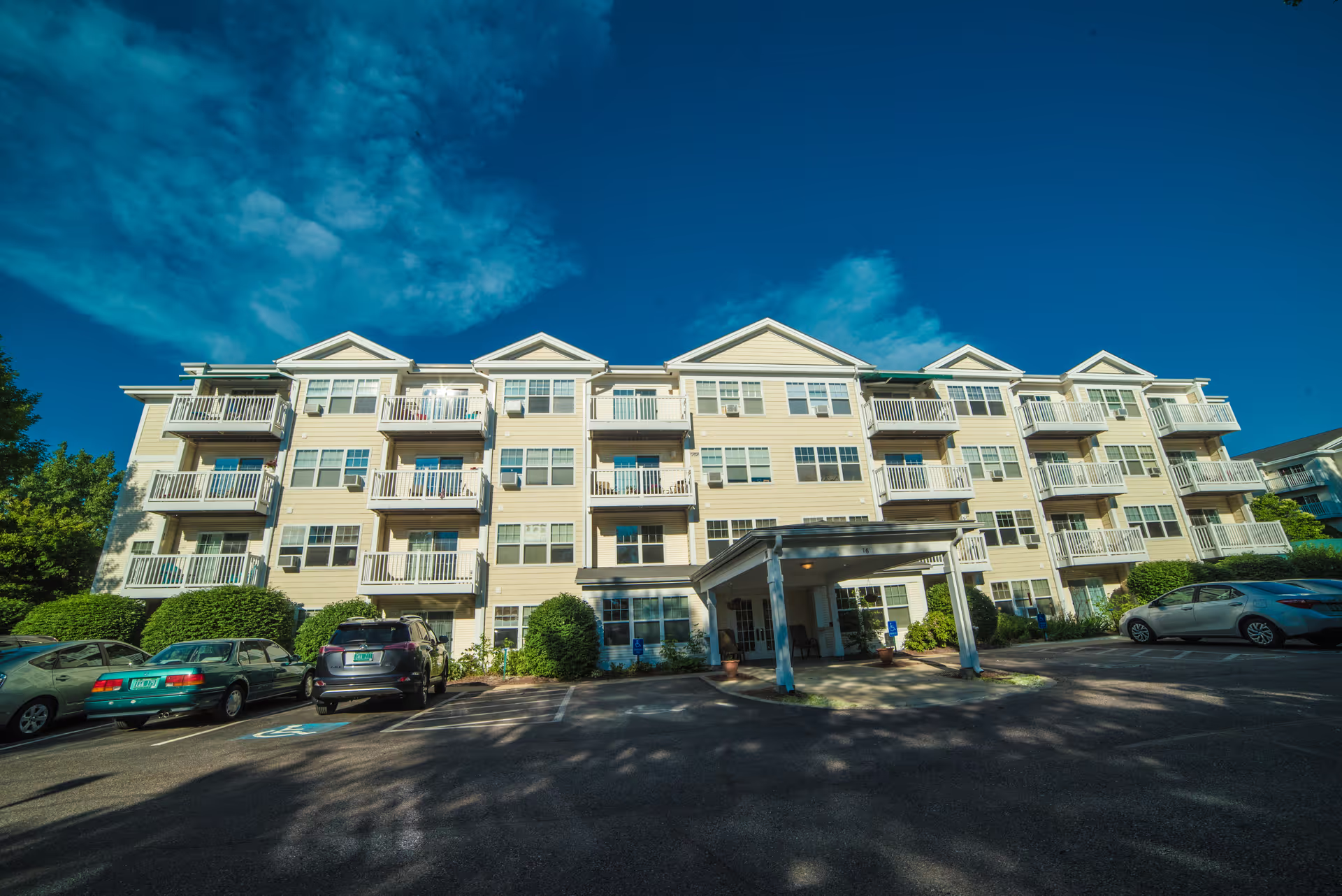
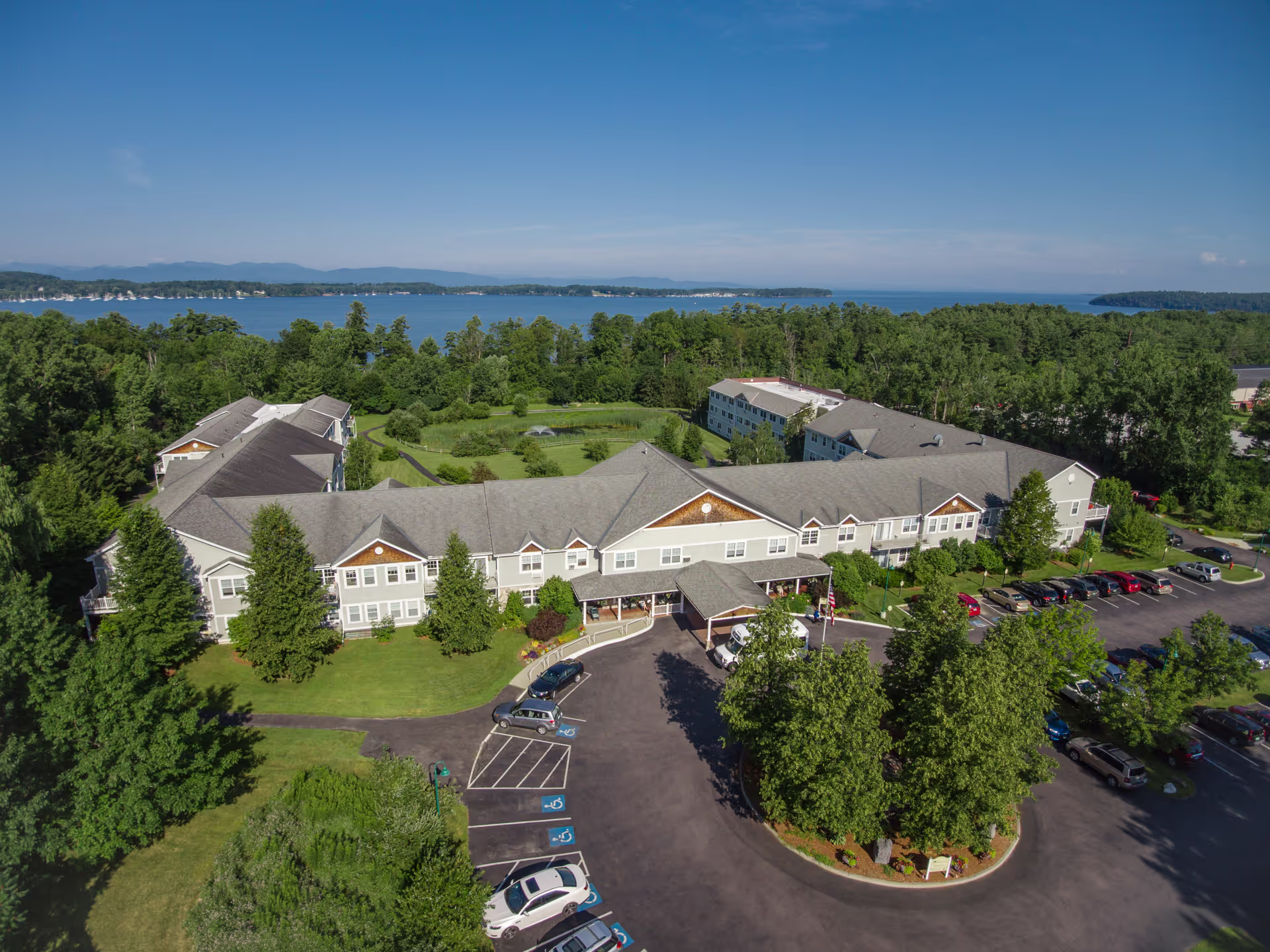
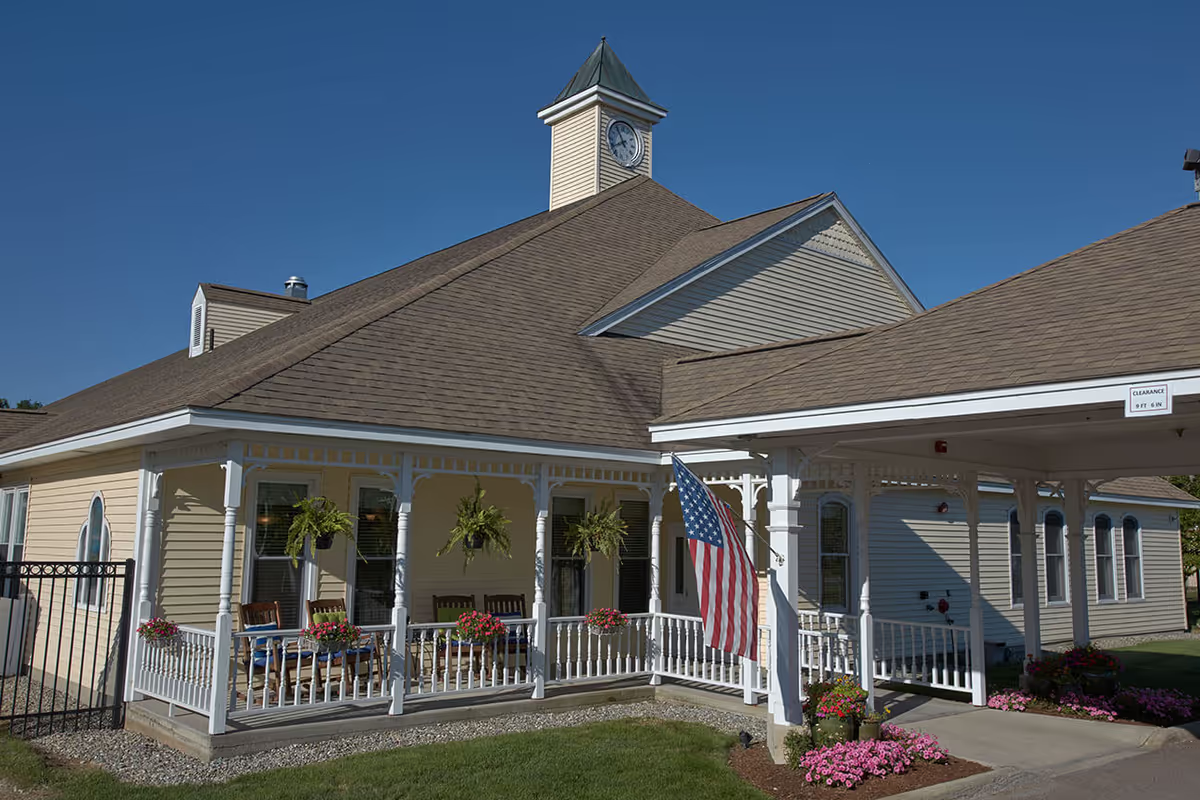
Reviewers present a mixed but consistent picture of Elderwood at Burlington. On the positive side, the facility's campus and interiors are frequently described as attractive, bright, and well maintained. Several accounts emphasize effective rehabilitation and therapy services, with examples of residents improving under the facility's skilled-care teams. Many families noted compassionate direct-care staff and timely responses to call bells, and a number of individual employees and departments received specific praise for helpfulness and professionalism. Activity programming, including pet therapy and organized resident involvement, contributes to a welcoming, family-like atmosphere for some residents.
Care quality is described unevenly. While skilled rehabilitation and committed caregivers are strengths, reviewers raise operational concerns that affect day-to-day reliability. High staff turnover and frequent use of temporary personnel are associated with discontinuities in care and uneven knowledge of individualized care plans. There are multiple mentions of staffing shortfalls that can delay assistance, and some reviewers expressed concerns about medication-management practices and unsecured medication handling; these claims, in a few cases, were characterized strongly enough that some families called for investigation.
Dining and housekeeping are recurring themes. Positive comments about cleanliness and pleasant common areas sit alongside critiques of inconsistent housekeeping standards and reports of missing belongings. Meal service receives particularly mixed feedback: while some find alternatives satisfactory, others describe inconsistent food temperature, small portions, and general declines in meal quality, producing concerns about value for money. These issues appear to be more operational than structural and may relate to staffing and kitchen procedures.
Management and communication show variability. Several reviewers compliment frontline staff and specific administrators for their responsiveness and empathy, but others describe inconsistent admissions practices, inadequate front-desk follow-through, and leadership that at times seems slow to address recurring problems. Concerns about workplace culture and interpersonal conduct — including allegations of discriminatory behavior and unprofessional tone — appear in a subset of accounts and suggest the need for clearer behavior and grievance processes. Finally, a limited online presence and few public reviews make it harder for prospective residents and families to form a comprehensive prior impression.
Overall, Elderwood at Burlington demonstrates meaningful strengths in therapy, some elements of direct care, and an inviting physical environment. At the same time, systemic operational issues—primarily staff turnover, variable housekeeping, inconsistent meal service, and uneven management responsiveness—are the primary drivers of negative experiences. Prospective residents and families should weigh the facility's rehabilitative capabilities and positive staff interactions against reported variability in daily operations, and consider direct conversations with leadership about staffing stability, medication and meal protocols, and complaint-resolution practices before making placement decisions.