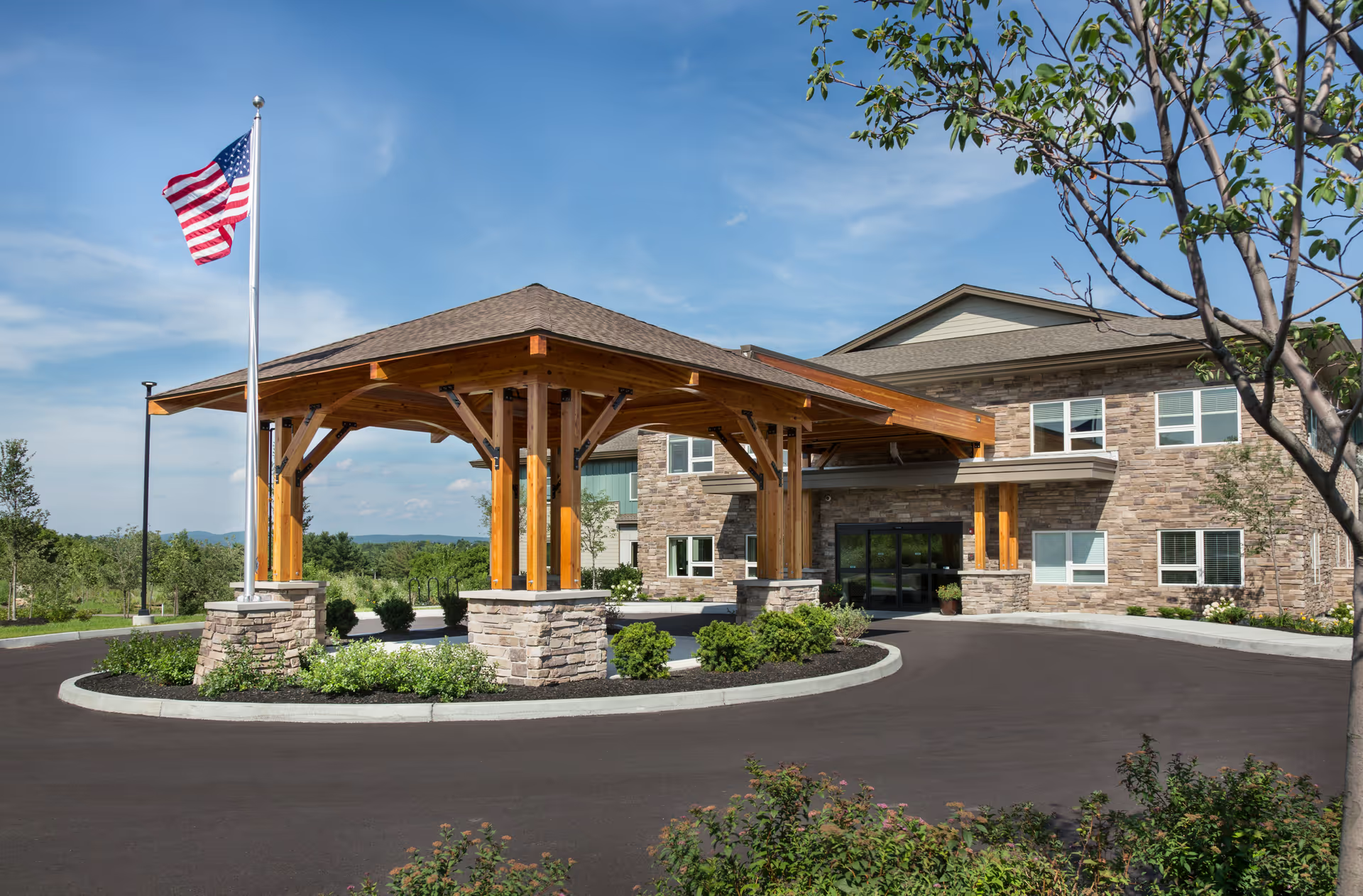
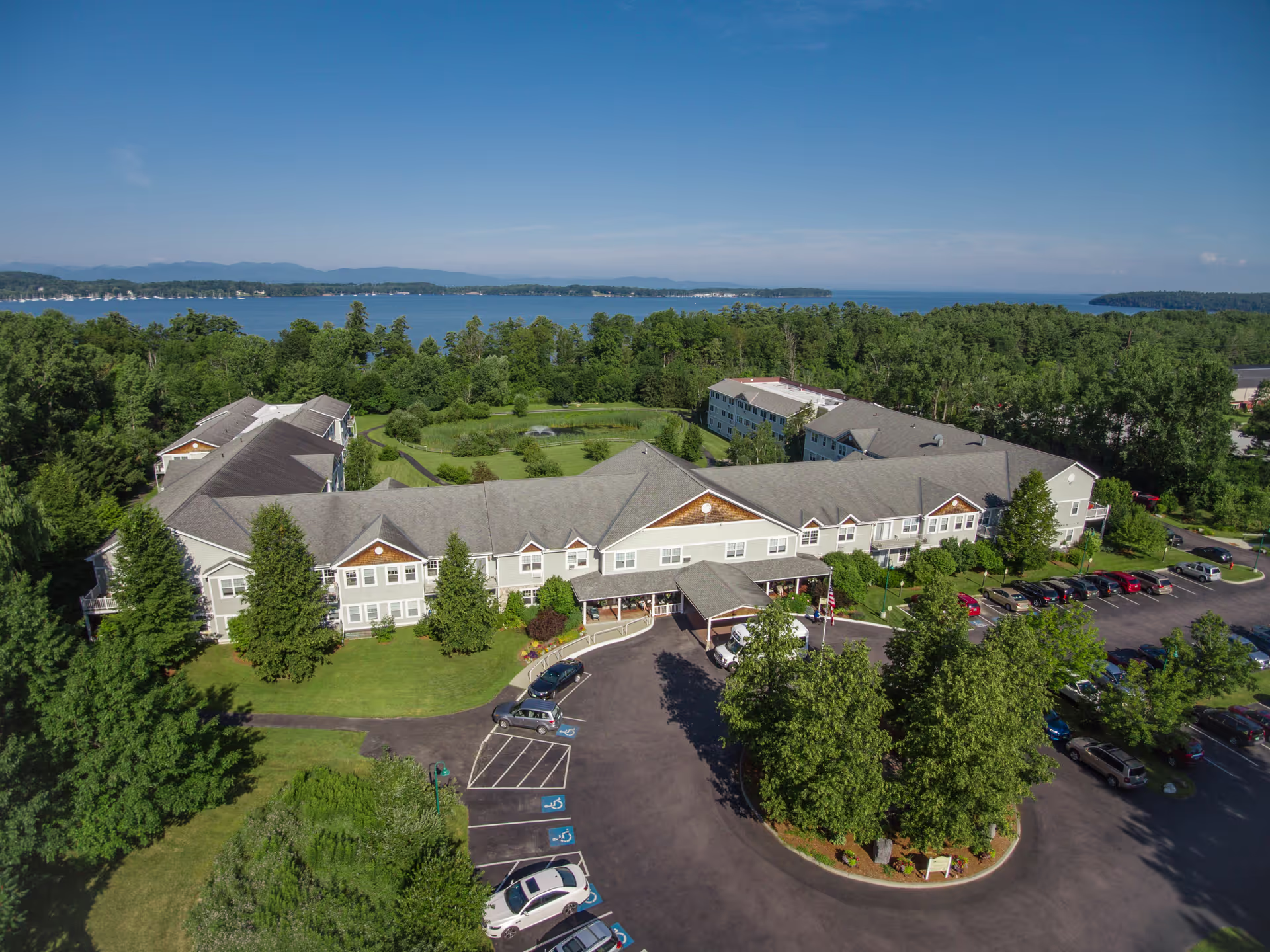
Overall impression: Green Mountain Nursing & Rehabilitation presents a mix of clear strengths and operational concerns. The facility is described as having a peaceful, scenic setting and attractive common areas, and many accounts emphasize compassionate, attentive caregiving and access to a medical team and rehabilitative therapies. At the same time, reviews identify recurring operational weaknesses related to routines, facility condition, and management responsiveness that prospective residents and families should evaluate closely.
Care and staff: Positive feedback highlights staff who are caring, respectful, and knowledgeable, with individualized care plans and rehabilitative services available. These strengths suggest an organizational emphasis on therapy and resident dignity in many interactions. However, there are repeated concerns about inconsistent staff competence and training; some accounts describe lapses in responsiveness or professionalism. Additionally, several accounts raise concerns about how staff conduct and communication are handled by administration, indicating variability in the day-to-day resident experience.
Clinical routines and individualized care: A notable pattern concerns early-morning clinical routines — examples include pre-breakfast vitals and glucose checks conducted very early and early bathing with bright lights — which some describe as disruptive to sleep and not always aligned with physician guidance or resident preference. This suggests an institutional scheduling approach that can override individualized timing, and prospective families should ask about flexibility in scheduling clinical tasks and how individualized care preferences are honored.
Dining and therapies: The facility offers rehabilitative therapies and organized activities and outings that contribute to a sense of community and engagement. Positive descriptions of therapy and activities are balanced by critiques of meal quality and palatability, including inconsistent seasoning and food preparation. Prospective residents should request current menus, sample meals if possible, and inquire about dietary accommodations.
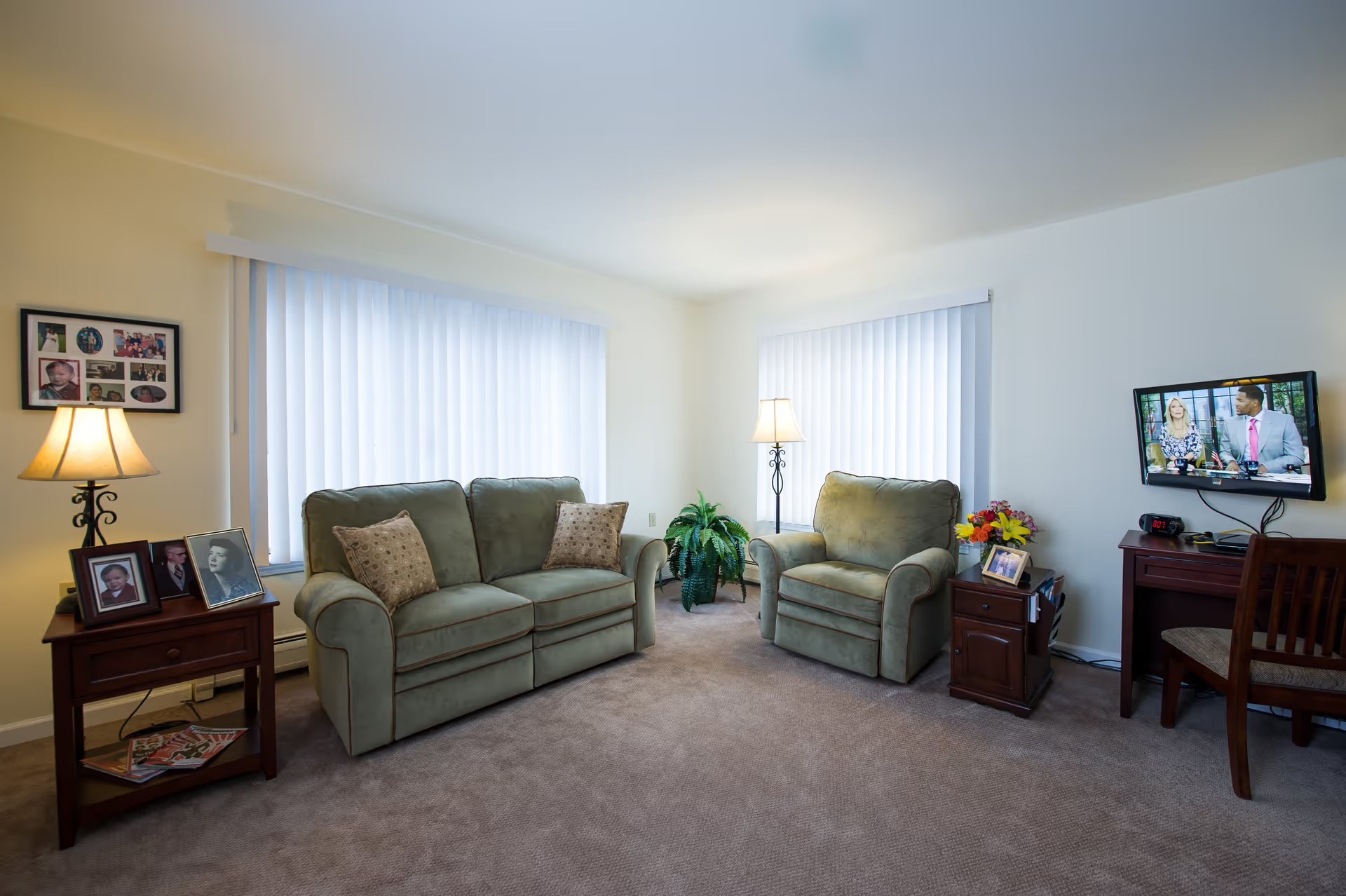
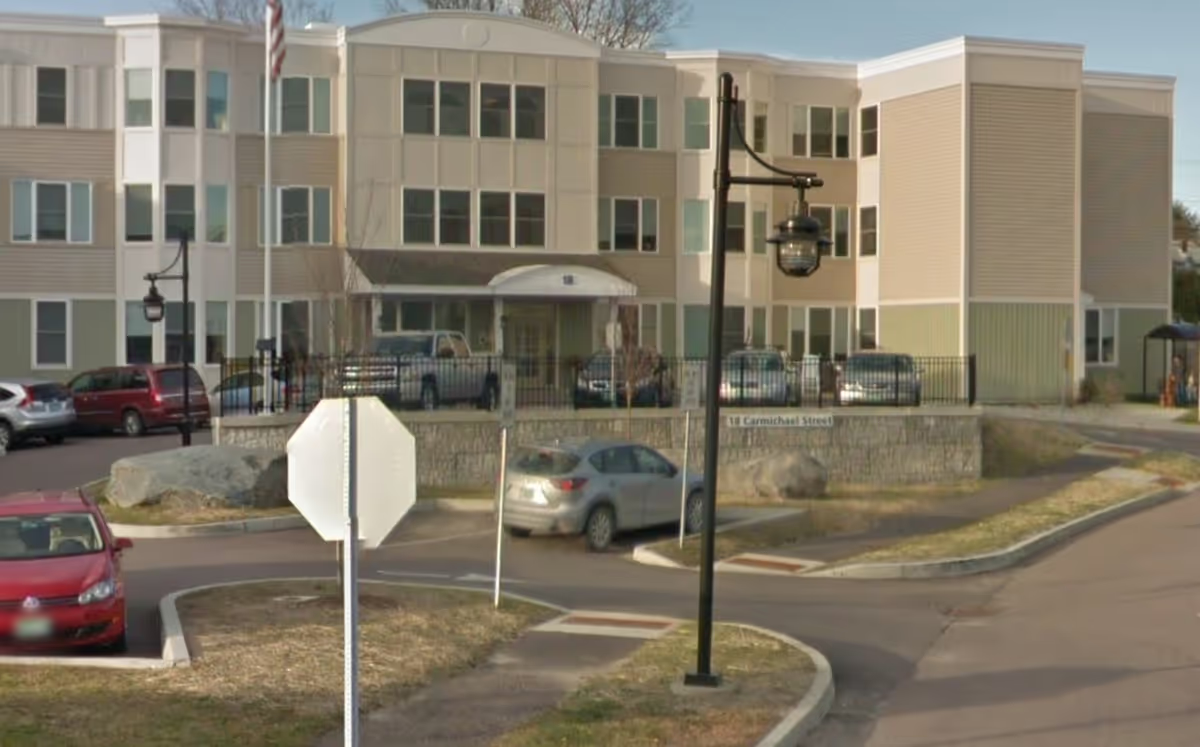
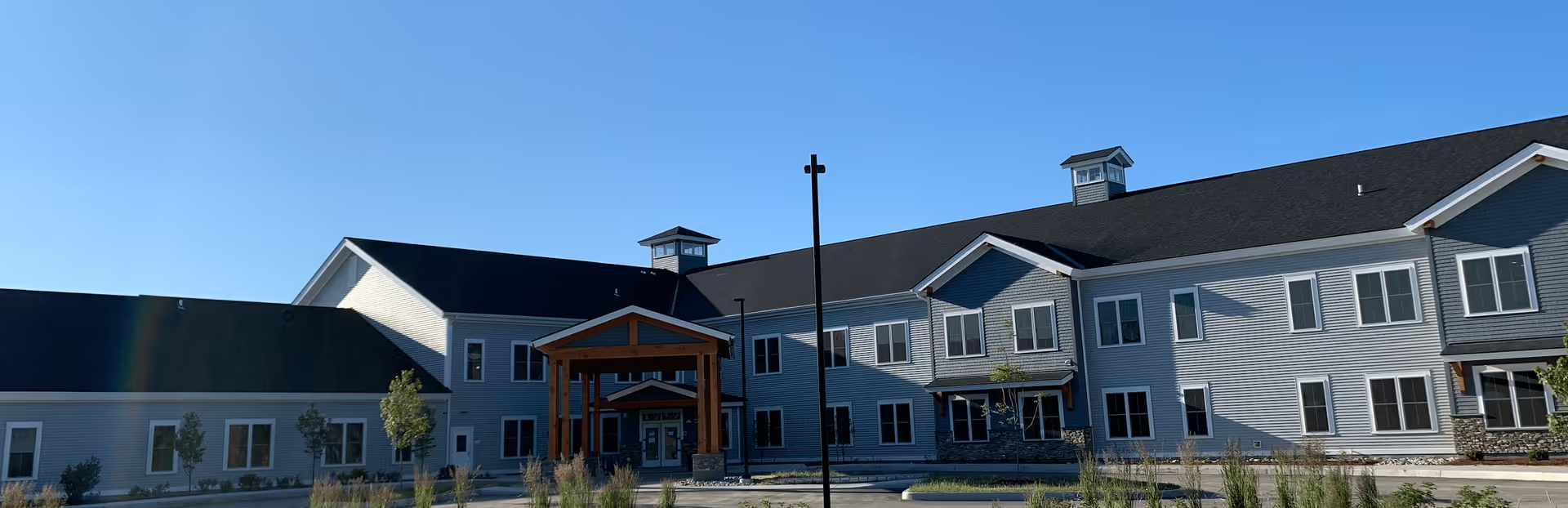
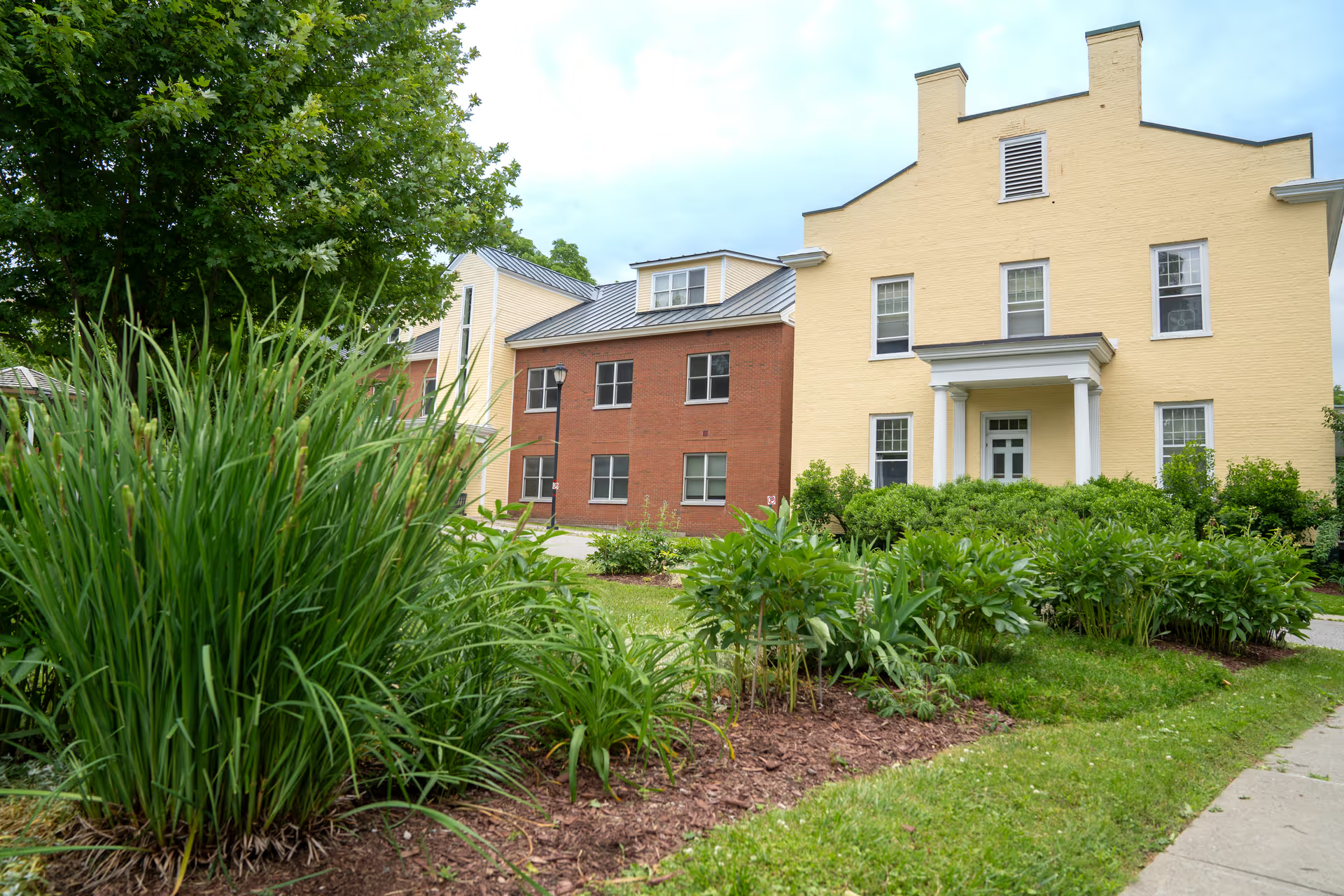
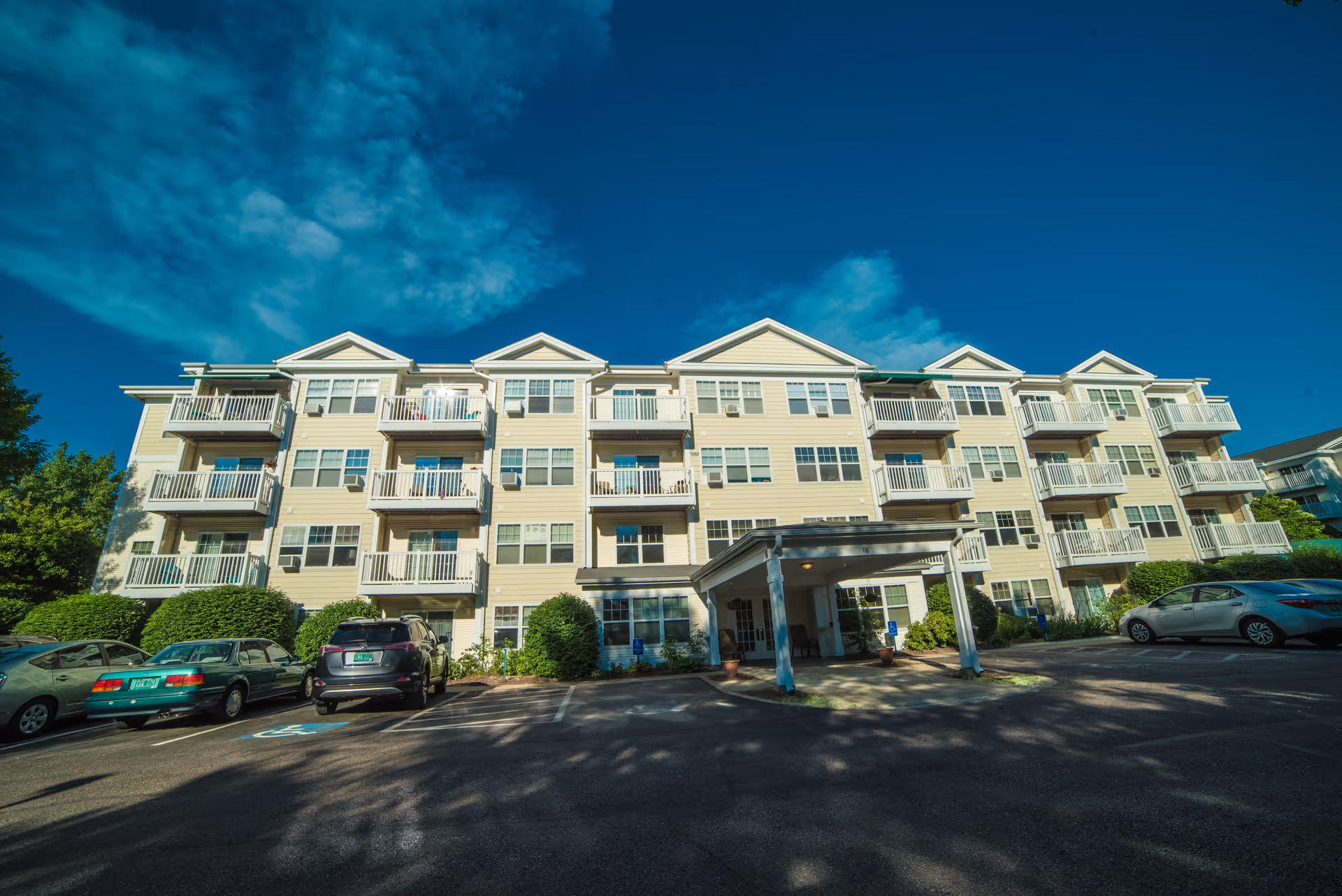
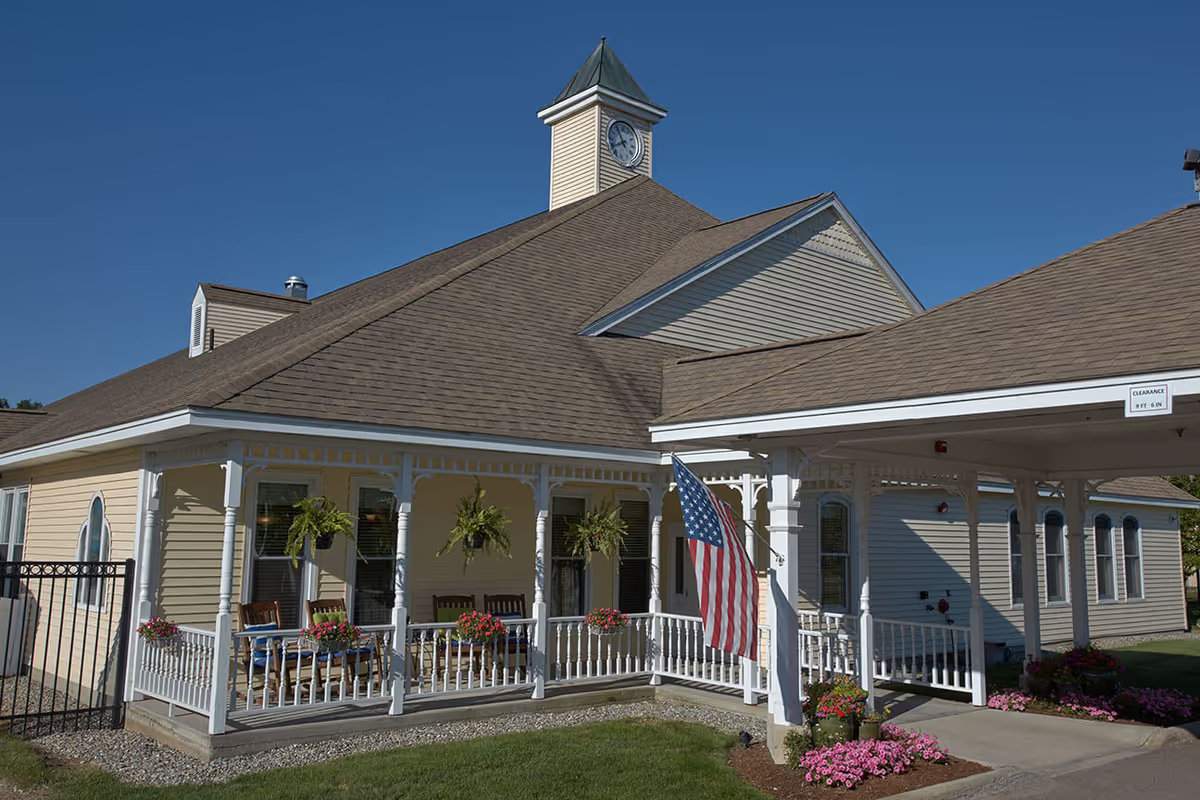
Facilities and housekeeping: The campus and common areas are described as attractive and tranquil in some reports, and resident rooms are often described as well-maintained. Counterbalancing that, multiple accounts identify sanitation and cleanliness issues in bathrooms and other areas, inconsistent heating or hot-water availability, and an aging physical plant that may require renovation. These operational maintenance issues can affect comfort and should be checked in person during a visit.
Management and communication: Comments indicate concerns about administrative professionalism and responsiveness. While some families praise staff interactions, others describe difficulty resolving operational or care-related concerns with management. Documentation of complaint processes, staffing ratios, and oversight mechanisms would be advisable to review before placement.
Notable patterns and recommendations: The reviews collectively point to strong clinical and social programming potential combined with variability in daily execution — particularly around routines, cleanliness, meal quality, and facilities maintenance. For prospective residents and families, recommended due diligence includes: visiting at different times of day (including early morning) to observe routines; asking about individualized care plans and the flexibility of clinical scheduling; reviewing maintenance logs and recent inspection reports; sampling meals; and requesting references from current families. Clarifying staffing levels, training programs, and escalation procedures for concerns will help assess whether the facility’s strengths align with an individual’s needs and expectations.