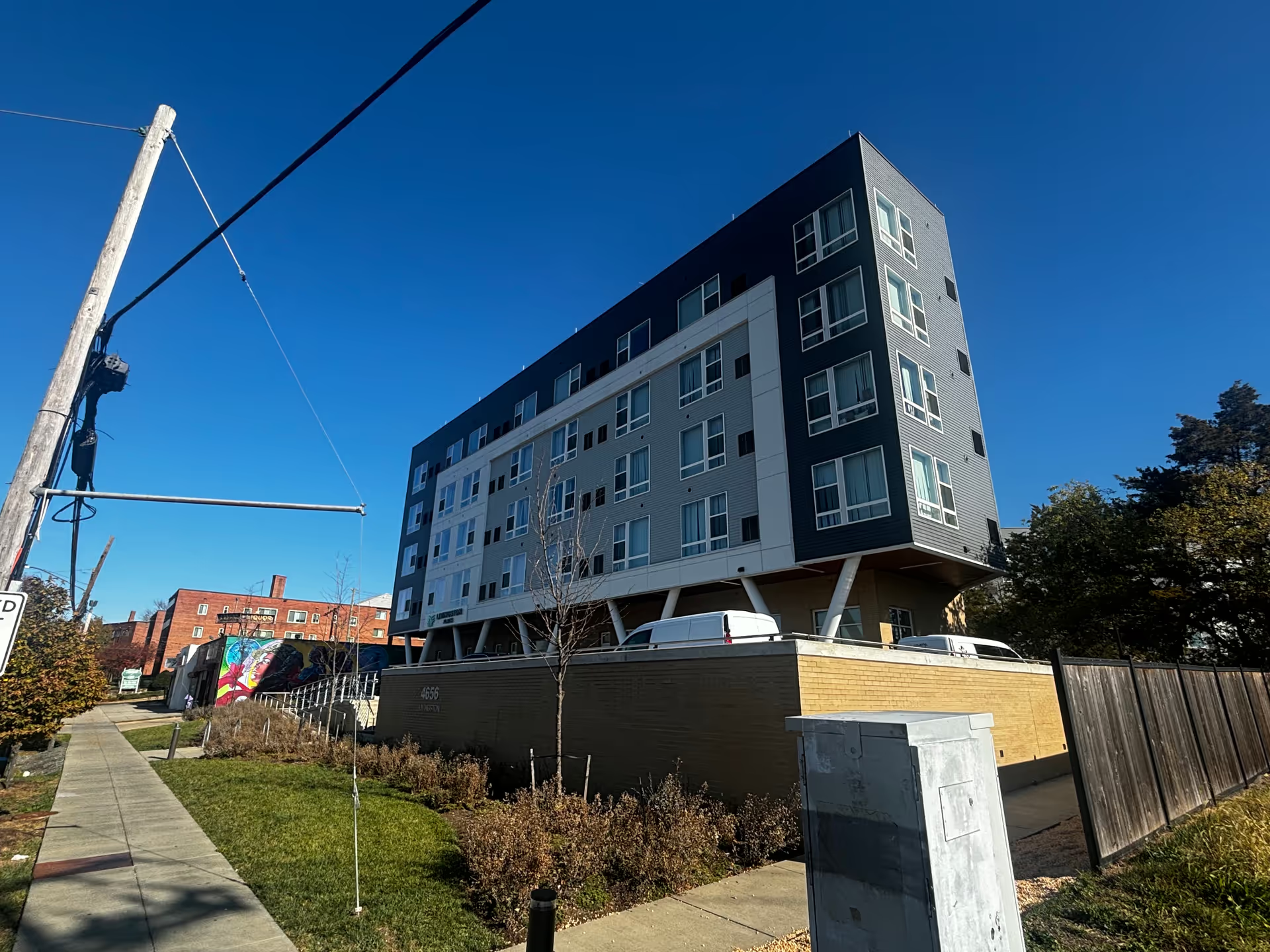
Reviewer experiences at this facility are markedly polarized: a substantial portion of feedback praises the therapy teams, individual caregivers, activities staff, and certain administrative personnel, while an overlapping set of accounts describes operational shortcomings that families found significant enough to prompt transfers or regulatory complaints.
Care quality and clinical oversight: Many families and residents described strong post-acute rehabilitation outcomes driven by effective physical, occupational, and speech therapy programs, with several comments about coordinated discharge planning and successful recovery. At the same time, there are persistent concerns about clinical reliability in some areas — including inconsistent medication timing, gaps in documentation and vital-sign monitoring, and variability in wound and device care. These issues were sometimes associated with delays in escalation and the need for family advocacy to obtain timely reviews or interventions.
Staff and communication: Nursing and aide staff receive frequent positive recognition for compassionate, personable interactions; a number of individual employees and activity leaders were called out for exemplary work. However, reviewers also described inconsistent staff conduct and supervisory communication across shifts, with specific concerns about responsiveness to assistance requests and professionalism in some supervisory interactions. Families cited difficulties reaching the front desk or clinical leadership by phone at times, which contributed to frustration and a perception of uneven management responsiveness.
Dining and activities: The life-enrichment and activity programs are frequently highlighted as a strength, with active schedules, engaging staff, and creative events that support social engagement. Meal service generated mixed feedback — some praised the dining and kitchen staff, while others described inconsistent food quality, limited accommodation for special diets (notably diabetes and vegetarian preferences), and small portion concerns. Meal inconsistency appears to be an operational issue rather than an isolated complaint.
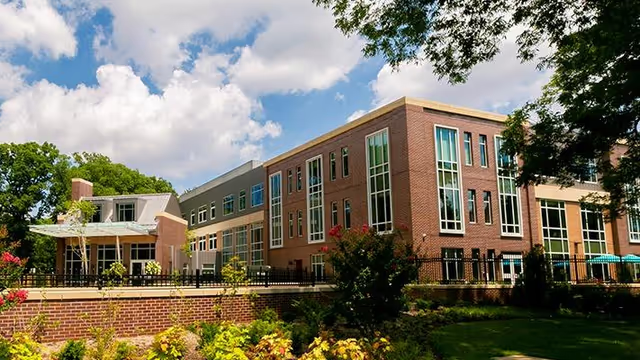
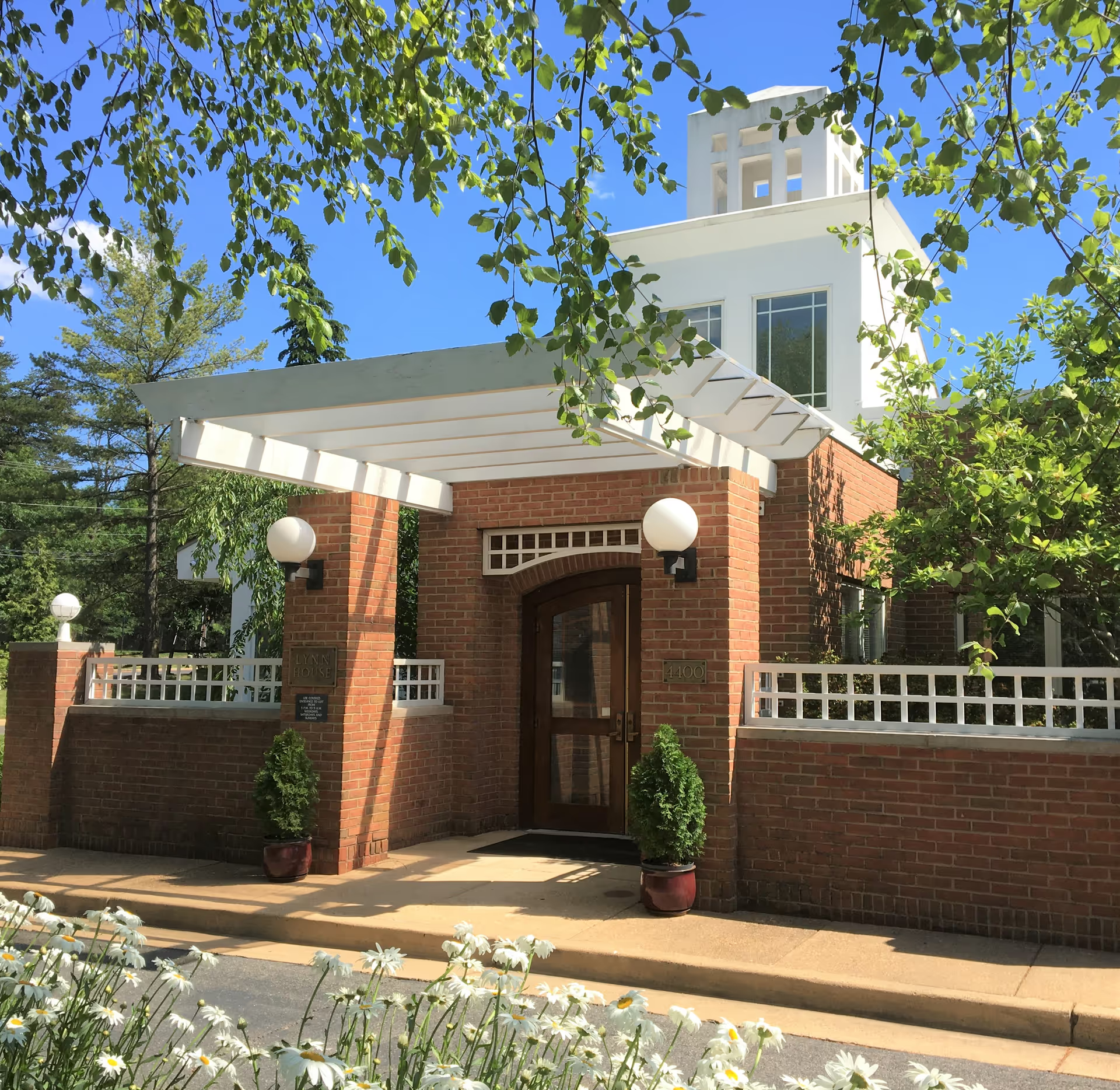
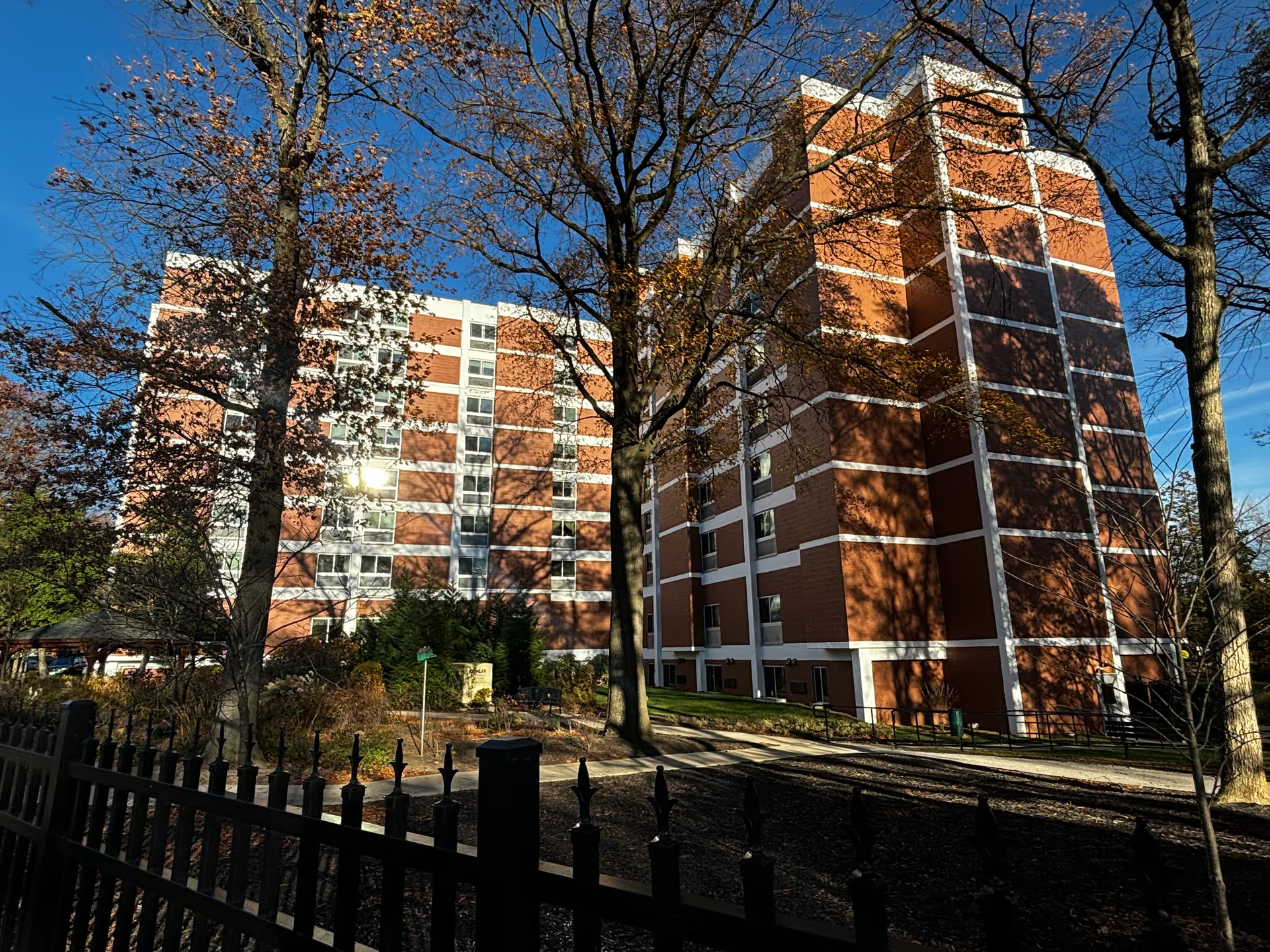
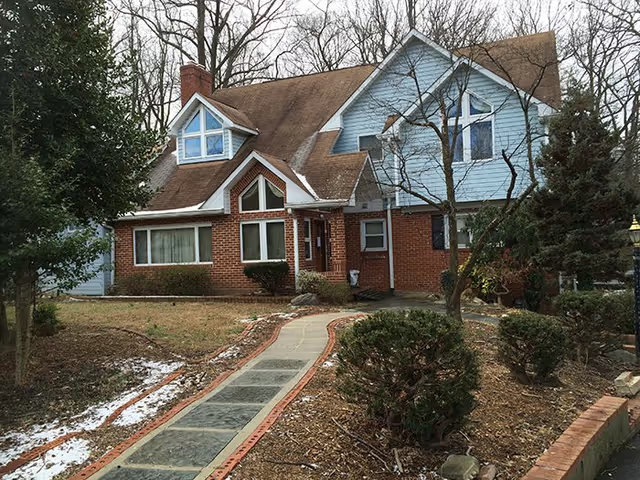
Facilities and maintenance: Parts of the building have undergone renovations and were described as clean, bright, and comfortable. Conversely, several reviews raised sanitation concerns, pest-control issues in particular units, unreliable HVAC/temperature control, and maintenance shortfalls in older wings. Housekeeping and laundry practices were described as inconsistent, and some families reported odor concerns and cleanliness issues that affected confidence in the environment.
Management and patterns of variability: A common theme is variability — excellent care, communication, and environment in some units or shifts versus significant operational and safety weaknesses in others. Weekend and holiday coverage, staffing ratios, and night-shift responsiveness were recurring sources of concern. There are mentions of regulatory involvement and of individual allegations (including privacy and missing-items concerns) that families pursued with oversight bodies; these underscore the need for transparent incident follow-up and stronger family communication protocols.
Bottom line: Prospective residents and families will find meaningful strengths here — notably strong therapy services, dedicated activity programming, and many compassionate caregivers and administrators. At the same time, the facility exhibits operational inconsistencies that affect sanitation, staffing reliability, clinical monitoring, and dietary services. A recommended approach for decision-making is an on-site visit focused on the specific unit or wing being considered, direct discussion with nursing leadership about staffing patterns and clinical oversight, review of dietary accommodations, and confirmation of housekeeping and pest-control measures before admission.