The reviews for this facility present a highly mixed picture with clear areas of clinical and operational strength alongside recurring operational weaknesses. Strengths most often described include committed nursing staff, a robust rehabilitation program (physical and occupational therapy), and specialized wound-care clinicians. Several reviewers also praised social work and case-management support, engaging activities, and individual staff members in maintenance, housekeeping, admissions, and business-office roles who are responsive and helpful. These positives indicate the facility has strong clinical and programmatic capabilities in pockets of the organization.
At the same time, a number of consistent operational themes emerge. Staffing levels and shift-to-shift consistency are recurrent concerns; reviewers cite understaffing, limited weekend clinical coverage, and overworked nurses and aides. Those staffing challenges are associated with delays in responding to call buttons, missed or delayed medication doses, and inconsistent assistance with toileting and transfers. Related clinical risks cited include gaps in medication administration and documentation, and deficiencies in catheter and wound-care processes that contributed to urinary-tract infections, sepsis, and wound-healing setbacks in several accounts. These are system-level issues that point to the need for stronger clinical oversight, clearer protocols, and more reliable staffing coverage.
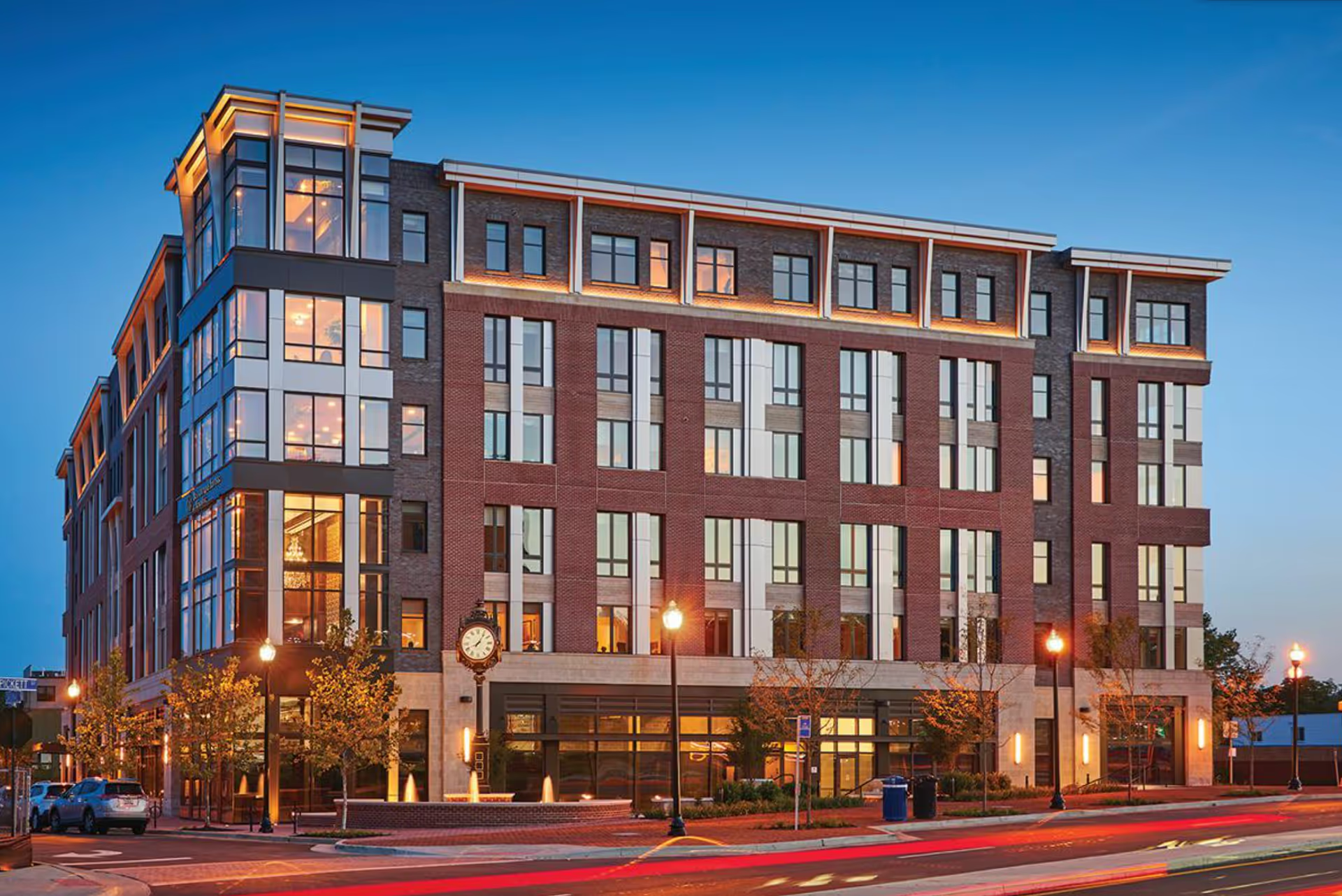
Facility condition and housekeeping are another area of divergence. Positive comments note clean, comfortable rooms and diligent housekeeping staff in some units; however, other reviewers describe sanitation concerns in resident rooms and bathrooms, issues with laundry or bedding, pest-control concerns, and general maintenance problems such as missing ceiling panels, damaged drywall, heating/ventilation complaints, and locked or inoperable windows. Dining receives mixed feedback as well: some families praise portion sizes, special meals, and helpful dietary staff, while others describe inconsistent food quality, limited fresh produce, and restricted kitchen service hours that affect meal availability.
Management and communication present a polarized pattern. Multiple reviewers identified individual leaders and staff (by name) who were proactive, communicative, and effective; others described unresponsive or defensive management, miscommunication between admissions and clinical supervisors, and a perceived lack of follow-through on complaints. These differences suggest variable leadership effectiveness across departments or changes in leadership over time. A further pattern is that family advocacy often influences outcomes; reviewers who actively engaged with social work, administration, or external advocates were more likely to report corrective action.
For prospective residents and families, the predominant themes to evaluate during a visit are staffing ratios and weekend clinical coverage, infection-prevention and wound/catheter-care protocols, call-button responsiveness, room condition and sanitation processes, and the facility’s approach to medication administration and documentation. Asking for recent staffing levels, weekend medical coverage plans, copies of care protocols for wounds and indwelling devices, and opportunities to meet the therapy and social-work teams can help clarify whether the facility’s strengths align with an individual’s needs. Overall, the facility demonstrates notable clinical and rehabilitative strengths in places but also exhibits operational inconsistencies that warrant careful, situational assessment before placement.