Across the submitted reviews, two consistent themes emerge: rehabilitative services and direct-care staff can be strengths, while operational and clinical-safety systems show recurring weaknesses. Many families and residents praised the facility’s therapy teams, highlighting strong PT/OT programs, a large, well-equipped gym, and meaningful activity programming. Several accounts also note compassionate CNAs and nurses, dietitian involvement, renovated first-floor common areas, and acceptance of Medicare/Medicaid—elements that make the facility appropriate for certain short-term rehab stays.
However, those positives coexist with repeated concerns about day-to-day care quality and clinical oversight. Reviewers described inconsistent staffing coverage and variability in staff competence, which translates into delays in attending to residents, missed or late medications, and uneven responsiveness to acute symptoms. There are patterns suggesting gaps in supervisory and physician availability; reviewers report limited on-site medical follow-up and variable communication from clinicians. Medication-administration scheduling and accuracy emerged as a notable operational weakness in multiple accounts.
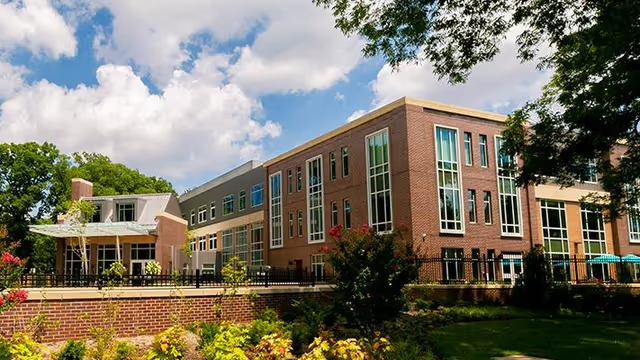
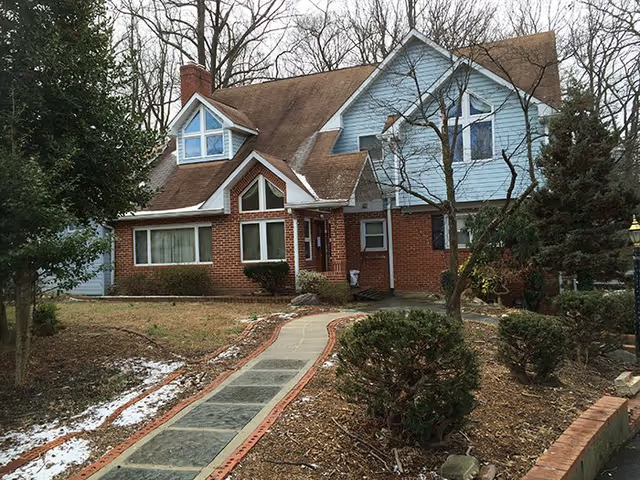
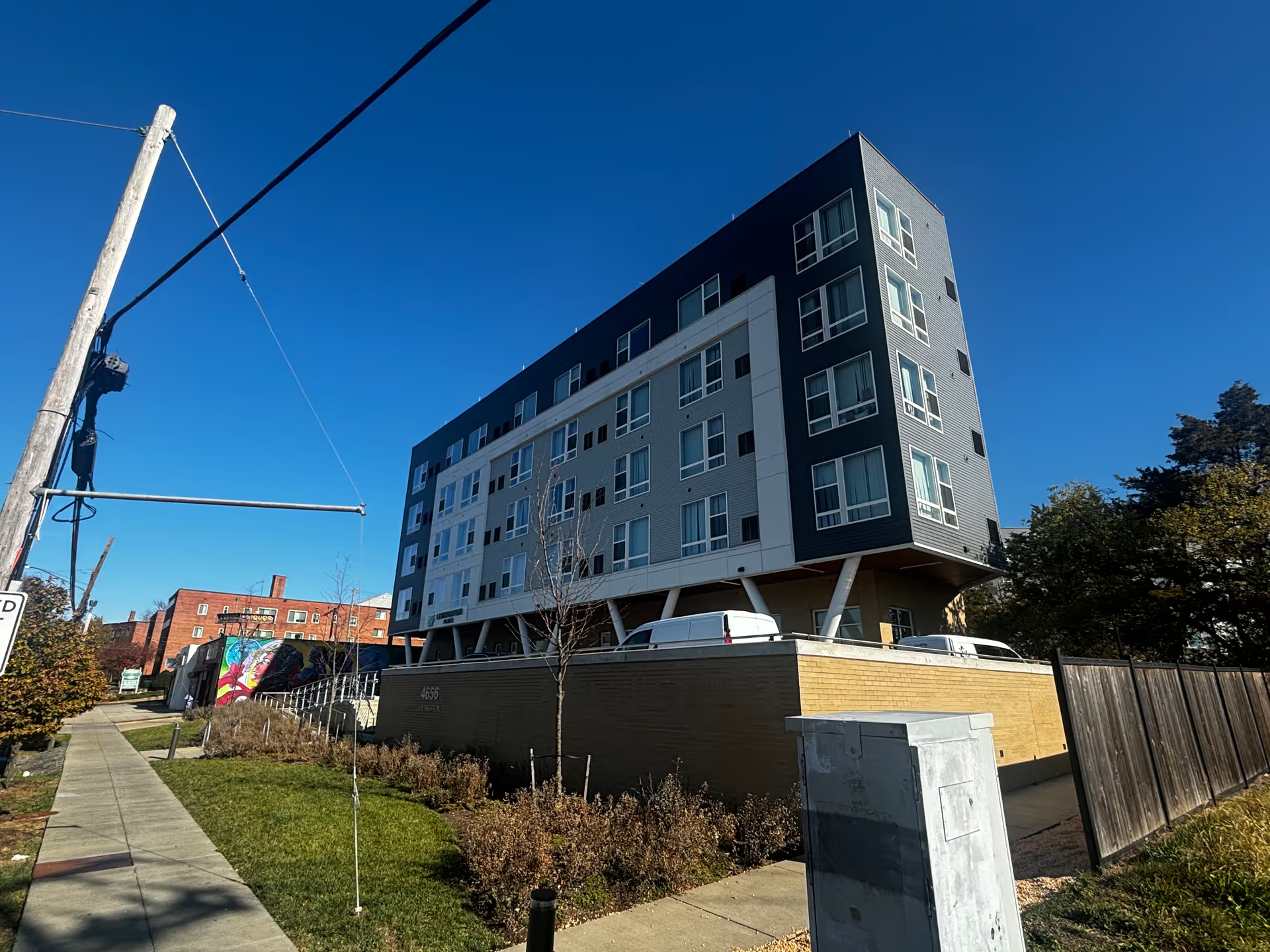
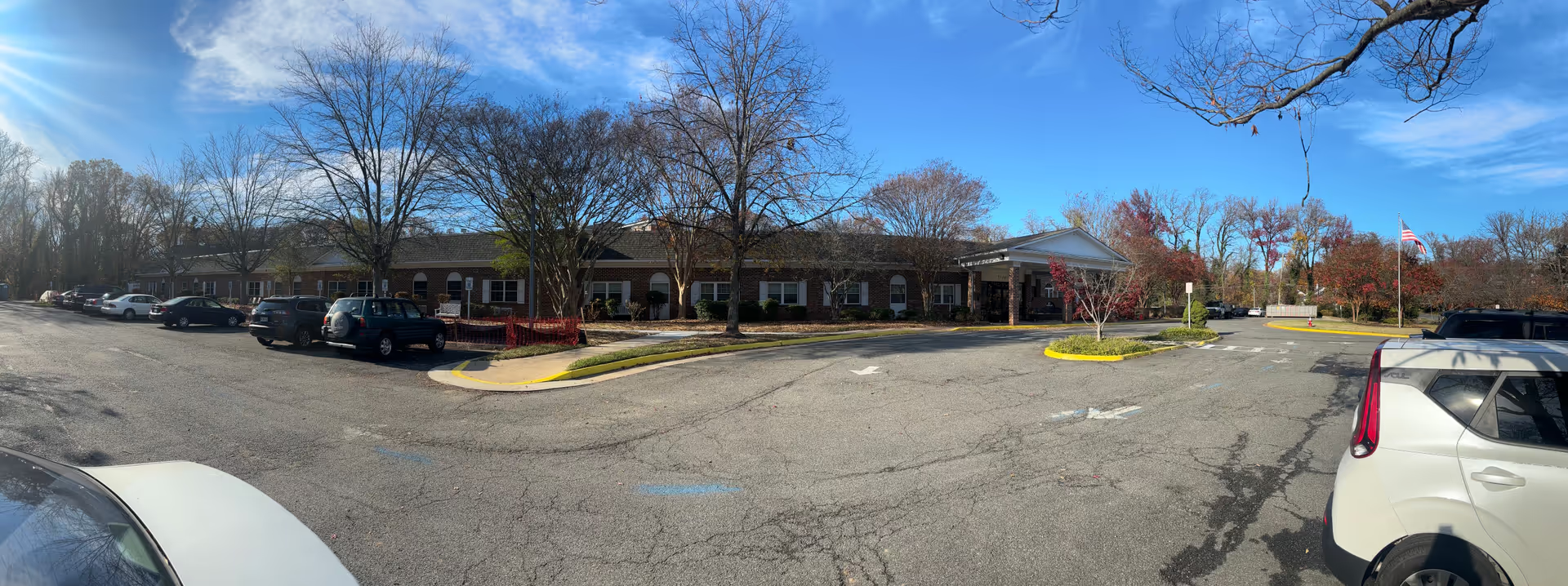
Sanitation, maintenance, and the physical environment are another area of divergence. While parts of the building have been renovated and are described as bright and clean, other units are characterized as aging, dim, and in need of upkeep. Reports indicate sanitation and pest-control concerns in some rooms and common areas, inconsistent housekeeping practices, and disruptions due to ongoing construction. Room size and shared-room configurations were also noted as limiting privacy and comfort for some residents.
Nutrition and dining impressions are mixed. Several reviewers complimented dietitians and positive meal experiences, while others described unappetizing meals, problematic pureed-food quality, and limited food availability outside scheduled meal times. Activity programming and organized outings received positive mention on multiple occasions, with memory-care services and weekly religious services cited as helpful offerings.
Safety and property-security are areas of concern: reviewers describe missing personal items and weak safeguards for resident belongings; there are also references to pressure-ulcer development and wound-care management shortcomings. These clinical-safety issues—combined with inconsistent staffing and limited physician oversight—suggest the facility may be better suited to short-term rehabilitative stays than to residents requiring intensive, long-term nursing oversight.
Management and family communication practices appear inconsistent. Some families report proactive communication platforms and helpful staff, while others describe evasive social-work responses, difficulties during discharge, and administrative friction around billing and co-pay collection. A small number of accounts raise serious allegations regarding personal-property loss; prospective families may wish to review facility policies on property security and incident reporting.
For prospective residents and families: schedule an in-person tour of the specific unit and rooms under consideration, ask for current staffing ratios (including weekend coverage), inquire about medication-administration protocols and wound-care procedures, confirm physician availability and escalation pathways, and request recent inspection or quality-report data. Balance the facility’s rehabilitation strengths and positive staff interactions against the documented operational inconsistencies when deciding suitability—especially for a resident who requires total, continuous nursing care.