The reviews of Bland County Nursing & Rehab present a mixed picture with distinct areas of strength and recurring operational concerns. On the positive side, the facility receives consistent praise for its rehabilitation services and respiratory care. Reviewers cite a strong PT/OT/SLP program offered five days per week, effective respiratory-therapy support including ventilator care, and around-the-clock registered nurse coverage. Many families and former residents describe attentive certified nursing assistants and therapy teams that produce measurable functional improvements, with several accounts of residents regaining mobility or achieving other rehabilitation goals. Administrative staff are frequently described as detail-oriented and helpful, and portions of the facility are characterized as having a family-like culture and positive long-term outcomes.
At the same time, a number of operational weaknesses recur across reviews. Staffing instability and apparent high turnover are associated with delays in responding to resident needs and inconsistent monitoring. Multiple reviewers described gaps in care response, slow phone and administrative responsiveness, and delayed updates to families. There are notable concerns about clinical escalation: reviewers described situations where EMS/hospital notification and urgent response processes did not meet expectations. In at least one instance reviewers allege a serious timeliness issue related to a possible neurologic event; overall, the pattern points to gaps in incident escalation and communication protocols.
Clinical-process issues are another pattern. Several accounts raise questions about inconsistent assessment and diet-modification practices (for example, texture-modified diets without documented swallow studies), variable wound and device-care practices with resulting infection-control concerns, and uneven documentation quality. Privacy and information-security lapses (HIPAA-related) were explicitly described, indicating a need for stronger protections and staff training in confidentiality. Families also described administrative practices that felt financially driven or opaque, including bed-management and billing policies, and reported lengthy discharge or transfer processing in some cases.
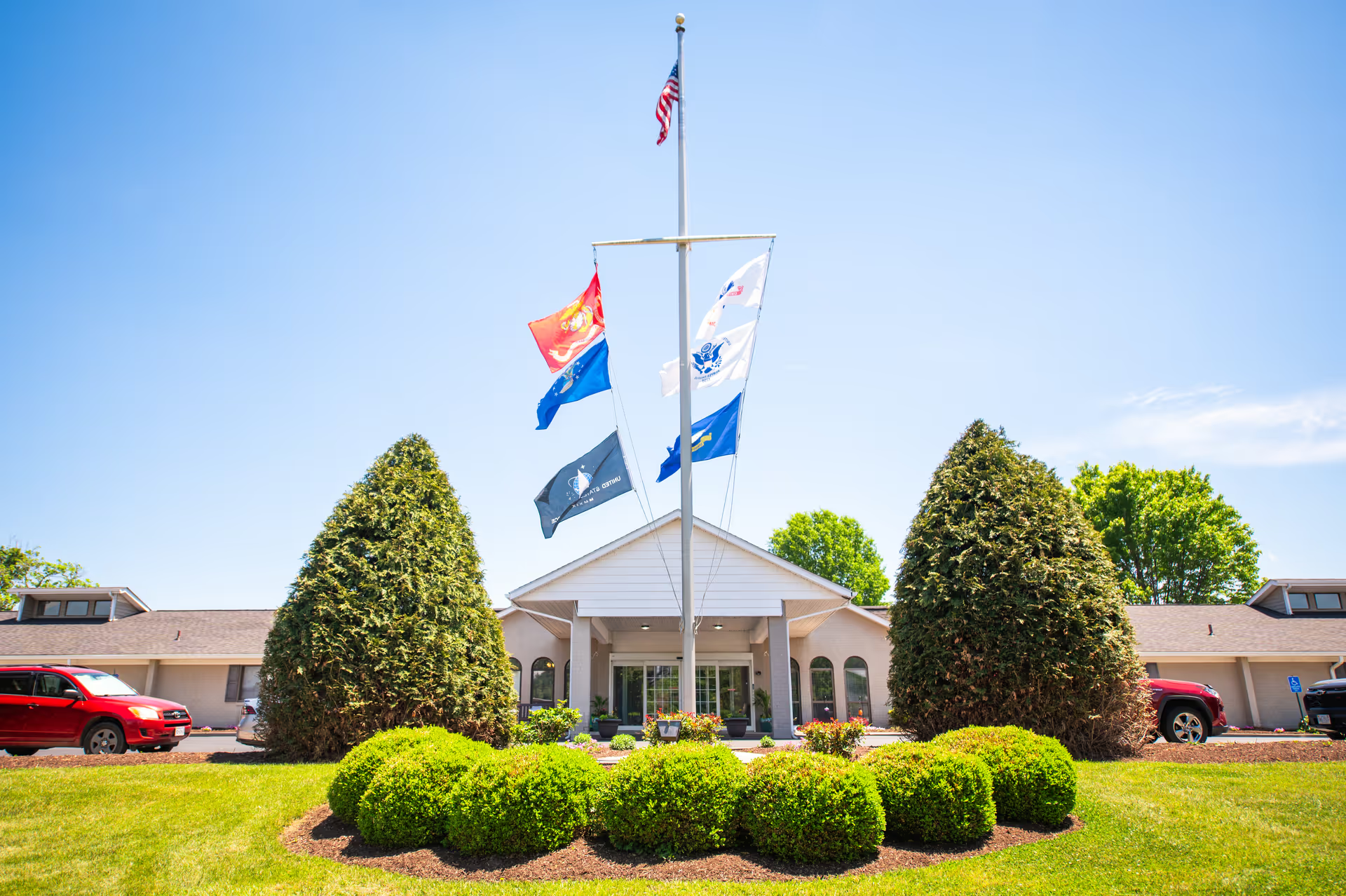
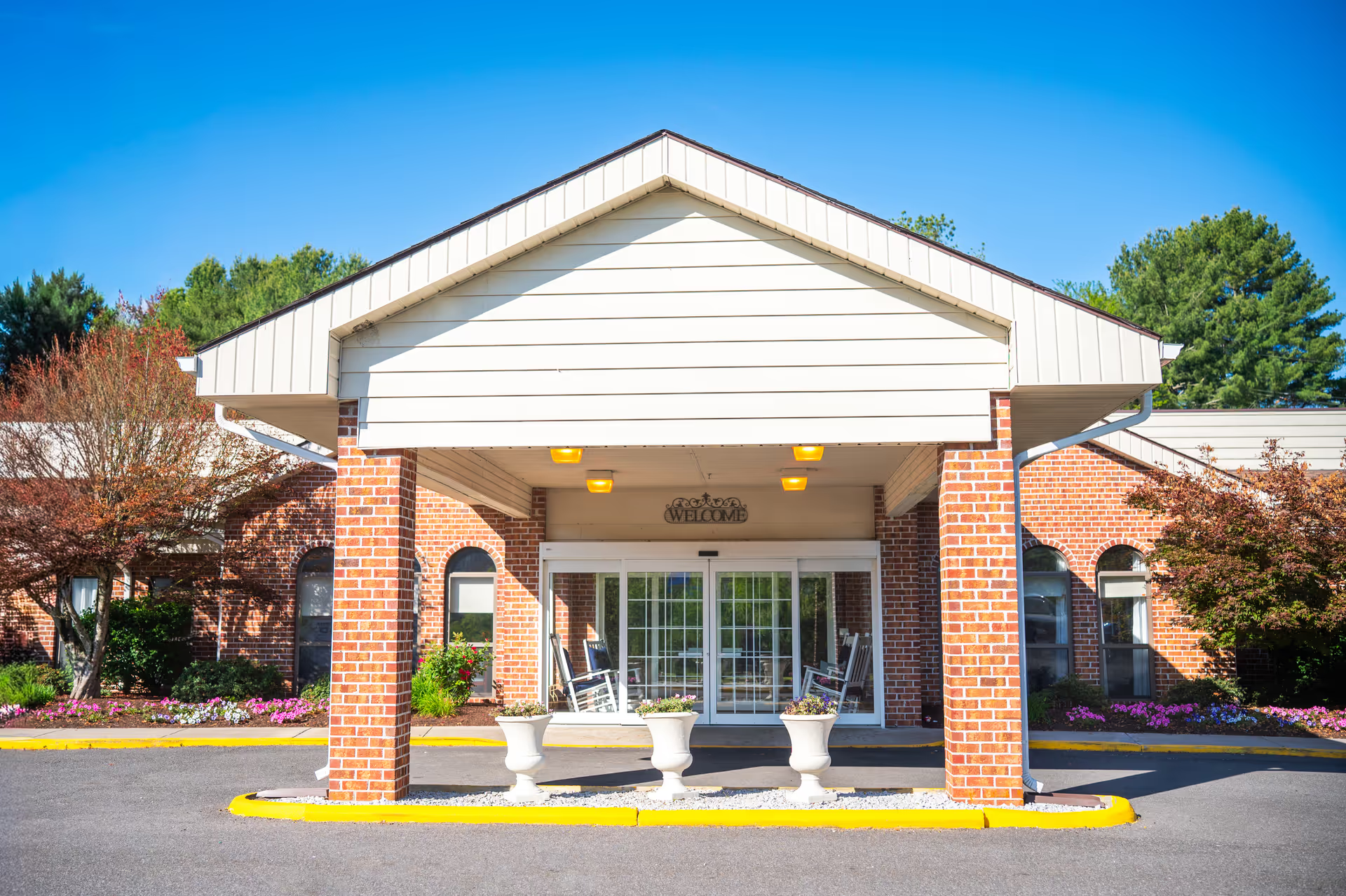
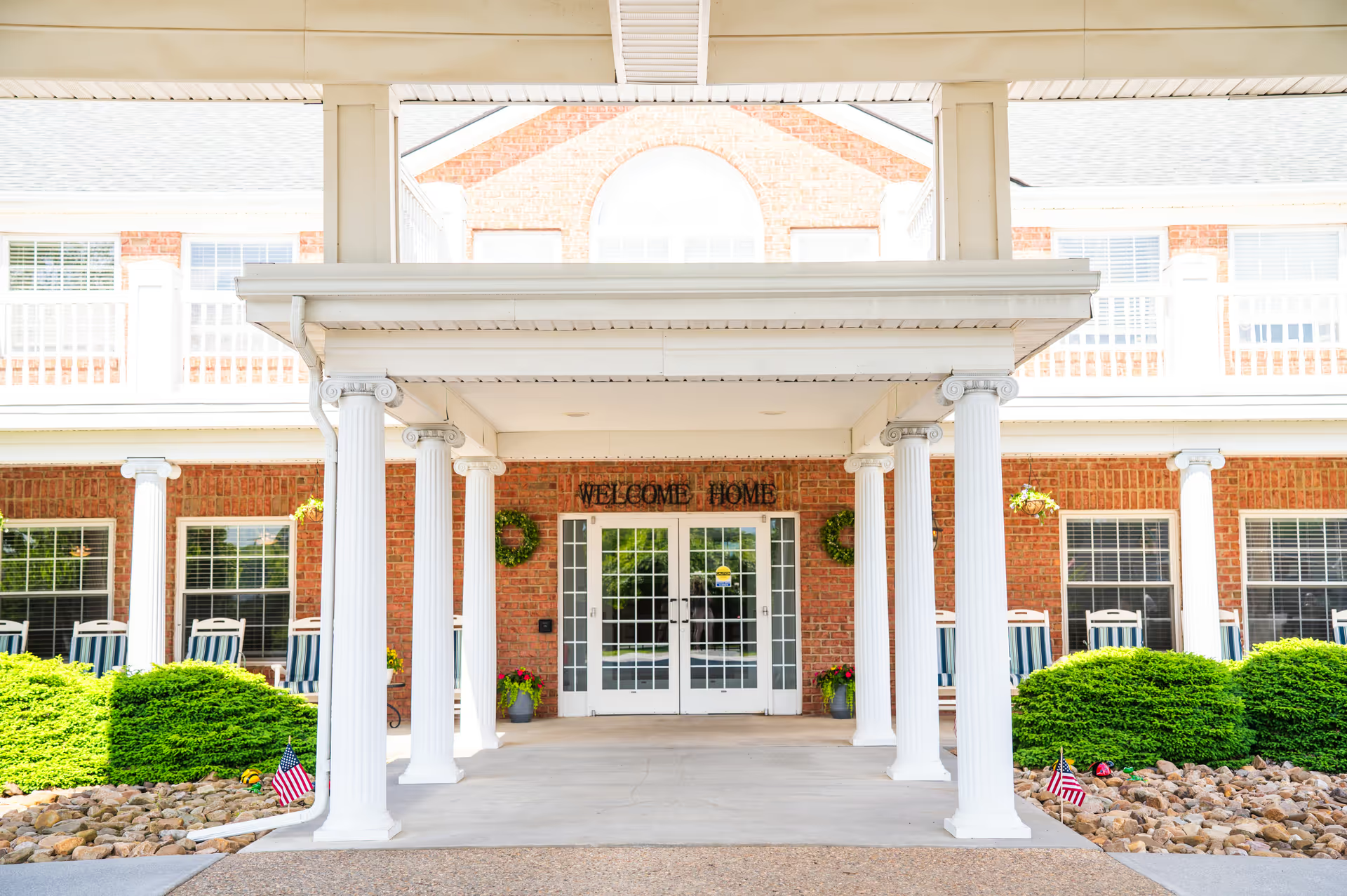
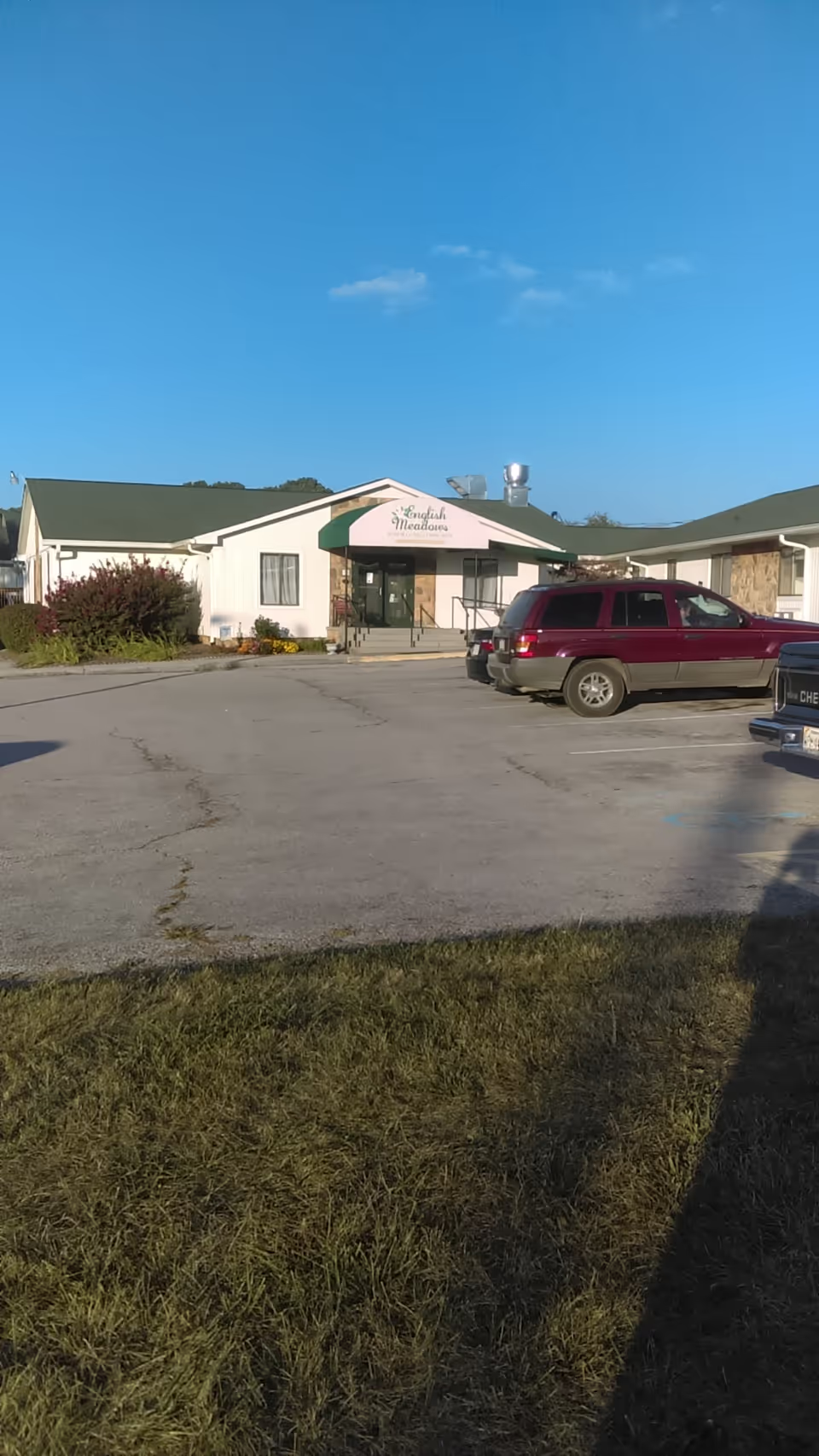
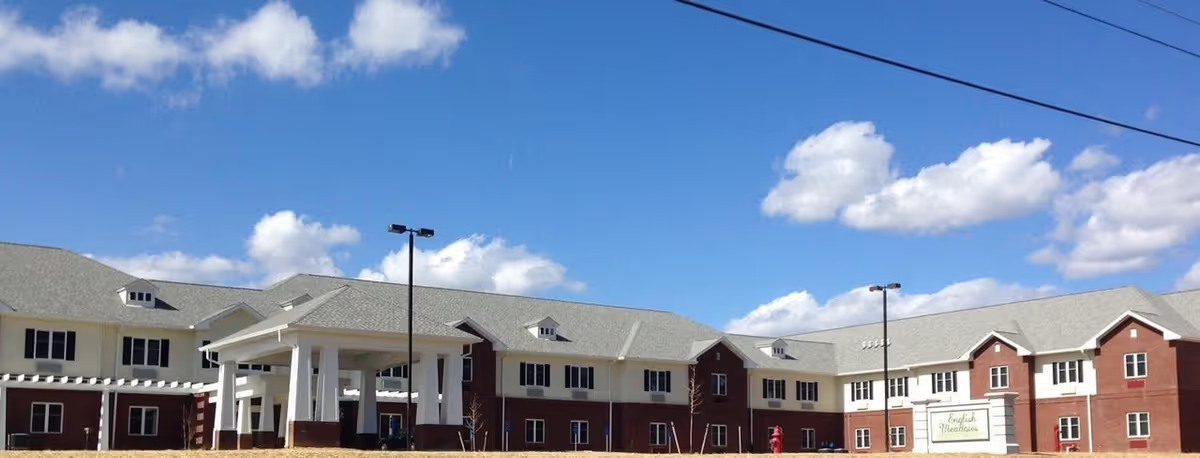
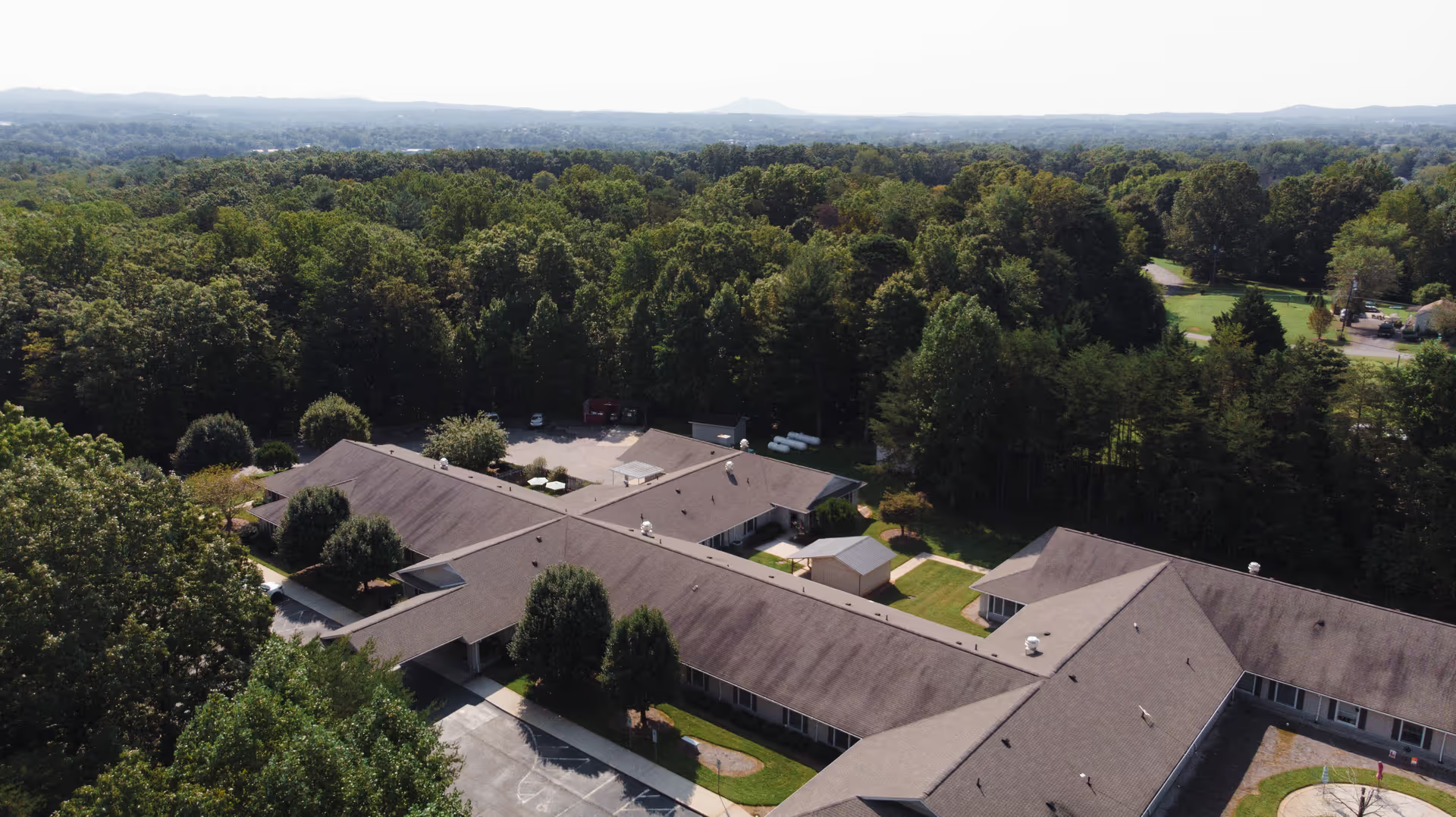
Facilities and daily living impressions are mixed: the facility is described as small and capable of providing a family-like environment in some units, but reviewers also raised sanitation and cleanliness concerns in particular areas and noted that the facility’s distance from the nearest hospital can be a factor in emergency situations. The tone of staff conduct and communication varies across shifts and individuals; while many reviewers describe compassionate, above-and-beyond care, others reported concerns about professionalism and responsiveness.
For prospective residents and families, the reviews suggest careful, targeted due diligence. Recommended actions include confirming current staffing ratios and turnover rates, reviewing recent inspection and complaint records, asking about incident-escalation protocols and average EMS response/transfer times, verifying dysphagia and wound-care protocols and documentation practices, inquiring about privacy and HIPAA safeguards, and clarifying billing/bed-holding policies. Visiting the facility during multiple shifts and speaking directly with therapy staff, nursing leadership, and families of current residents can help assess whether the facility’s strengths align with an individual’s clinical and family-communication needs.