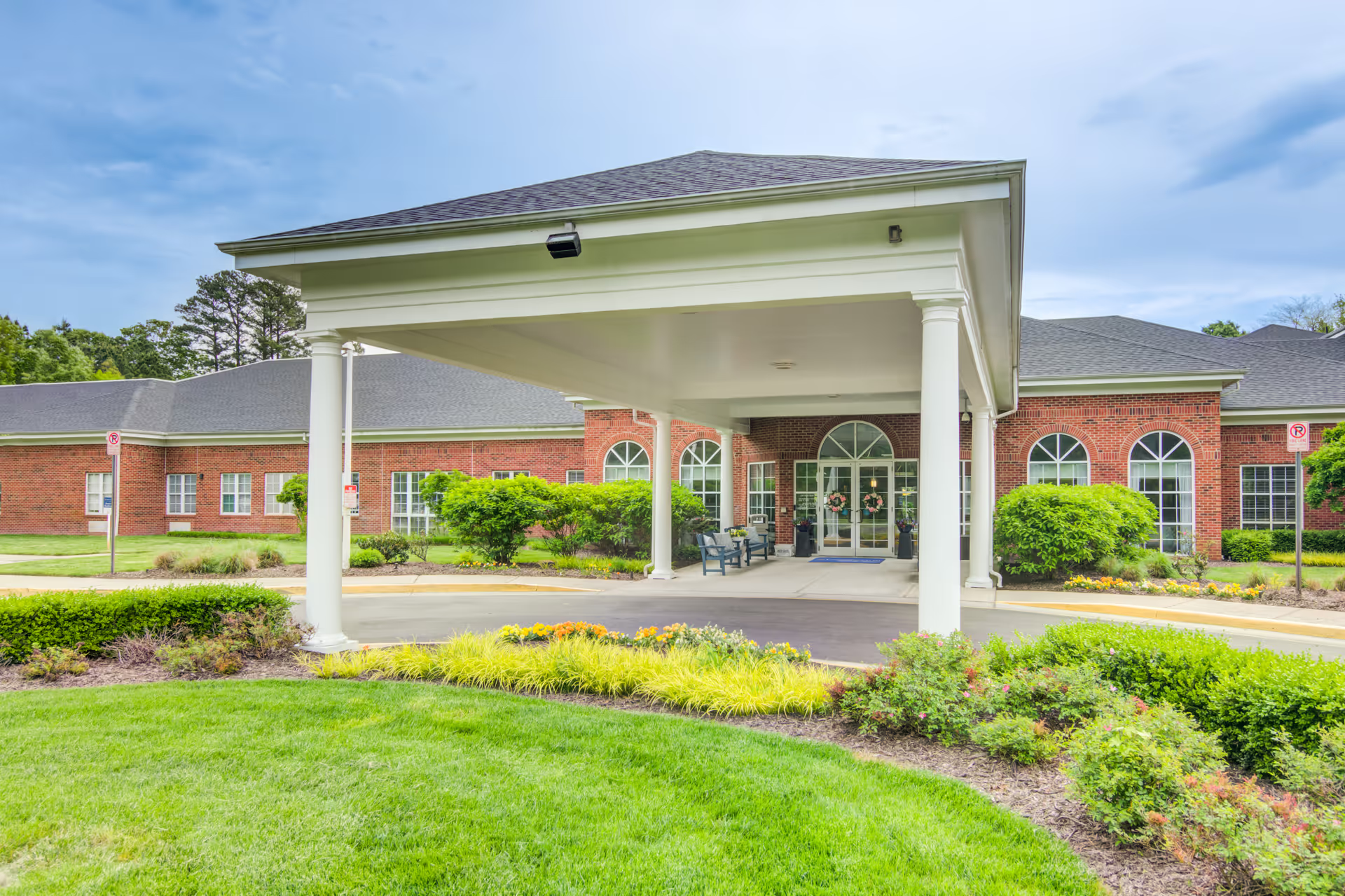
Feedback on Chesapeake Place Senior Living is mixed, with a clear split between families that describe a comfortable, active community and those who experienced operational and clinical shortcomings. Positive commentary centers on the facility’s physical environment, amenities and several areas of service: reviewers commonly describe clean, bright interiors with natural light, updated décor, accessible single-level layouts, private apartments and secure outdoor courtyards. On-site amenities such as a salon, therapy services, and included housekeeping/laundry are frequently cited as strengths. The activity program and dining room also receive repeated praise for creating social opportunities and enjoyable mealtimes for many residents.
Staffing and direct-care interactions are a major axis of variation. Numerous families praise individual caregivers and leaders by name and describe compassionate, responsive staff who supported smooth move-ins and transitions. At the same time, other families raised concerns about high turnover, inconsistent staffing coverage, delayed rounding, and variability in staff tone and professionalism. These operational patterns are linked to clinical concerns in some accounts: medication-management inconsistencies, missed or late medications, and variable care quality in the memory-care unit and for residents with higher acuity needs. Some families reported positive end-of-life and hospice experiences, which indicates that clinical strengths and weaknesses can coexist within the same community.
Dining and activities receive largely favorable comments, with multiple mentions of appetizing meals, a pleasant dining atmosphere, and an active calendar (bingo, music, outings, seasonal events). However, food quality and service are inconsistent across accounts — complaints include overly salty or cold meals and concerns about cross-contamination or service lapses. The activities program is described by many as a strong point, led by a hardworking activity director, although pandemic-related pauses and occasional reductions in memory-care programming were noted.
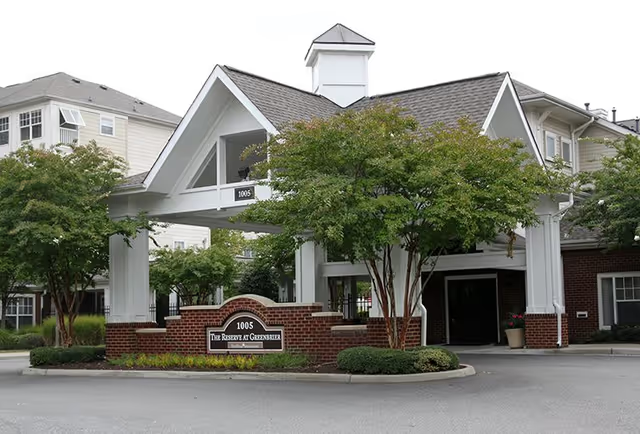
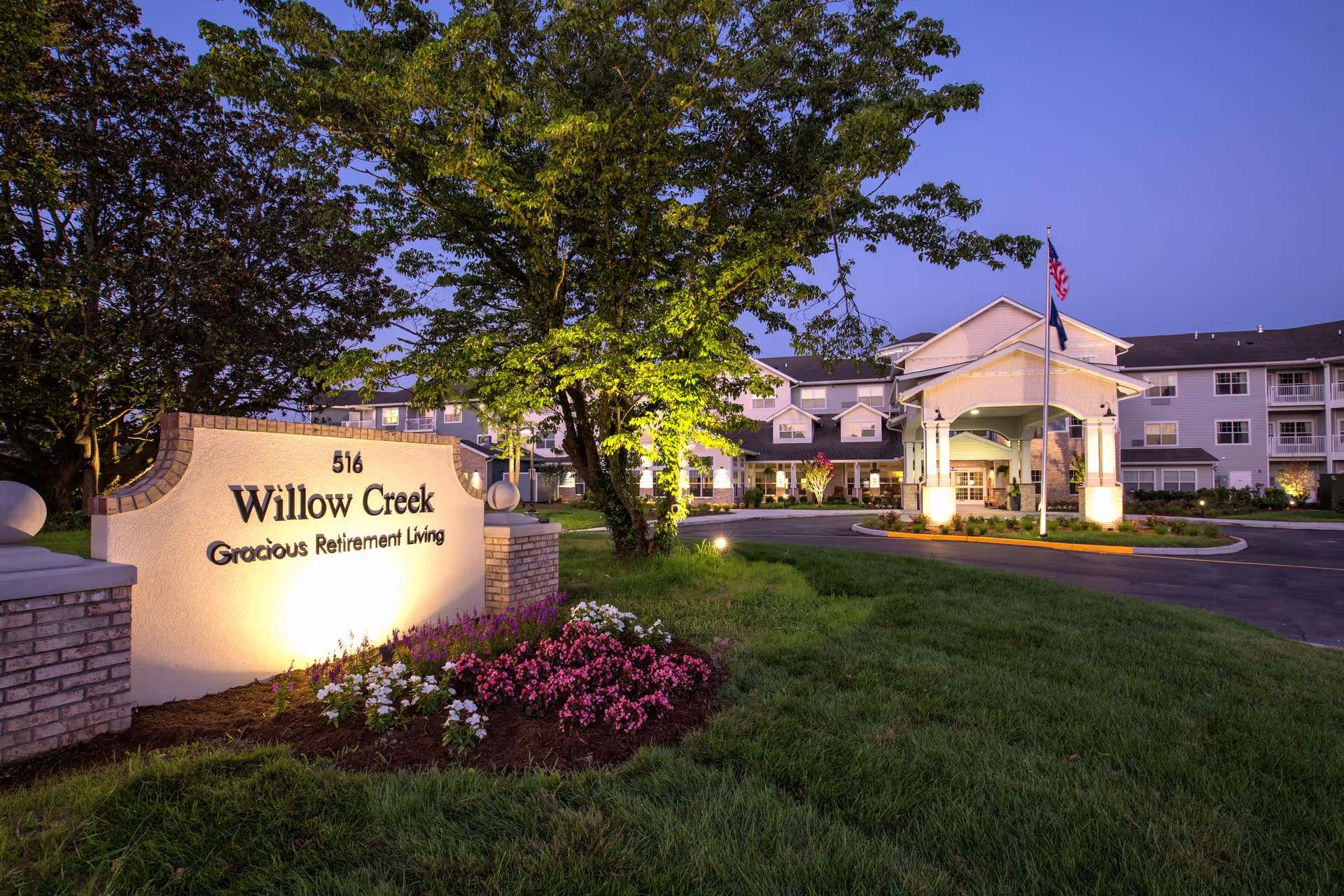
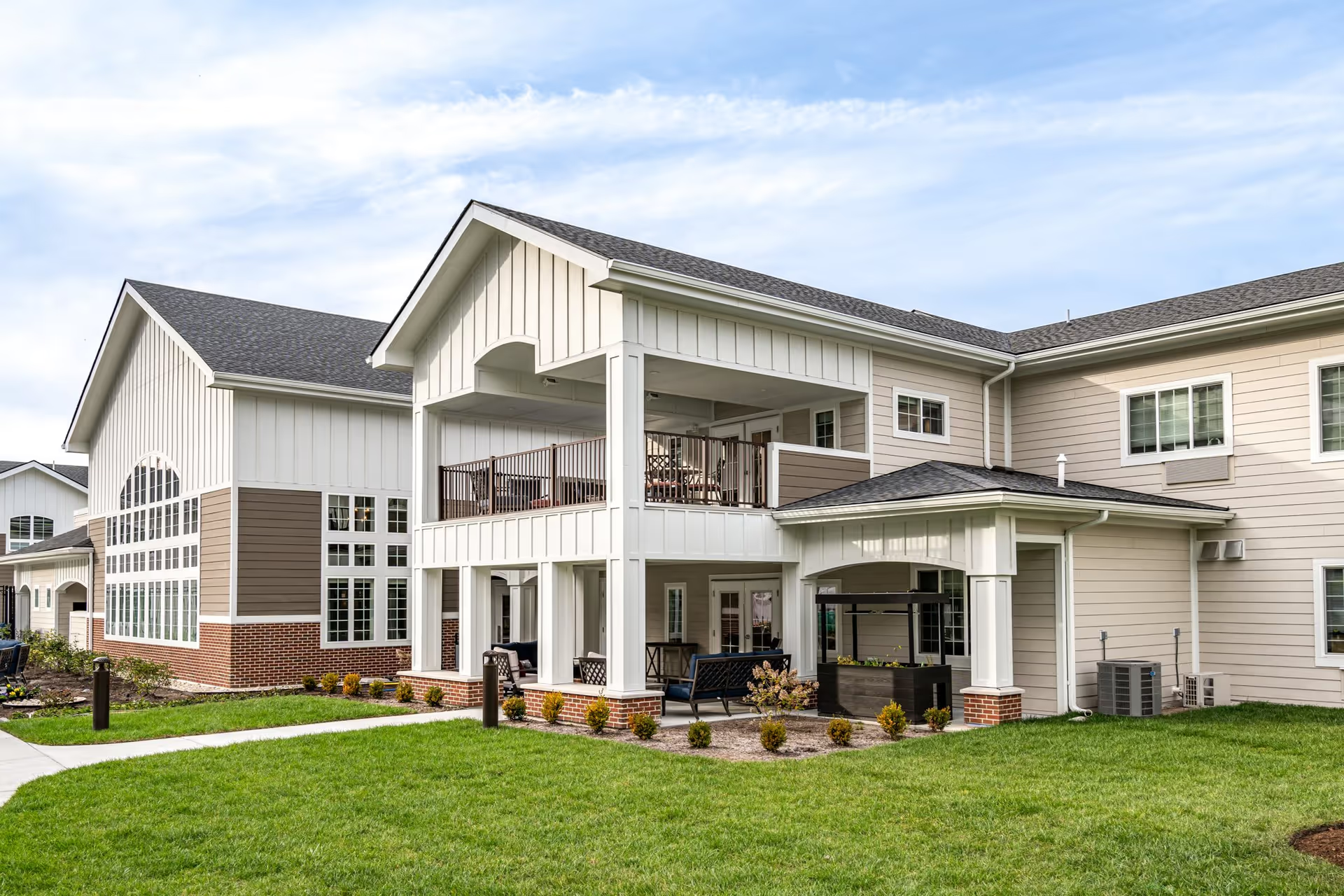
Facility condition and maintenance present a mixed picture. Many reviewers commend recent renovations, bright common areas and attractive courtyards; others describe areas that are worn, small rooms in some units, dated furniture, and episodic maintenance problems. Ongoing construction and door/lock repairs were mentioned as disruptive in some cases. There are also sanitation and odor concerns in certain areas, which contrast with other reports of a spotless environment.
Management and administration are commonly cited as areas needing improvement. Recurring themes include poor family communication, slow or no callbacks from administration, billing errors and price increases, and insufficient admissions orientation. A small number of reviews raise more serious administrative concerns, including allegations of asset-security issues and lapses in follow-up after incidents; these accounts further underscore variability in operational oversight.
Taken together, the pattern suggests Chesapeake Place can provide a warm, well-appointed, activity-rich environment with strong individual staff members and useful on-site services. At the same time, prospective residents and families should probe operational reliability: ask specifically about current staffing ratios and turnover, medication administration and auditing procedures, memory-care staffing and programming, sanitation and maintenance plans, dining-service protocols, billing and pricing practices, and avenues for timely communication with leadership. These focused questions will help distinguish whether the community’s positive attributes align with a particular family’s expectations and clinical needs.