VIVA Memory Care at Chesapeake is described by many families as a small, home-like memory-care community with notable strengths in dementia-focused caregiving and clinical support. Reviewers frequently praised compassionate, well-trained floor staff and on-staff physicians whose evaluations and medication-management processes are valued. The facility’s partnership with a pharmacy and structured medication protocols are seen as an operational strength, and nursing teams are often characterized as attentive and responsive during daytime hours.
Dining and activities are recurring positives. The community offers a varied activity calendar — arts and crafts, music programs, gardening, devotional time, themed events, field trips and regular group exercise — that families say keeps residents engaged. Meal offerings draw mixed but generally favorable comments: many residents enjoy the menus and dining staff are accommodating, though there are intermittent comments about portion size and variability in meal quality.
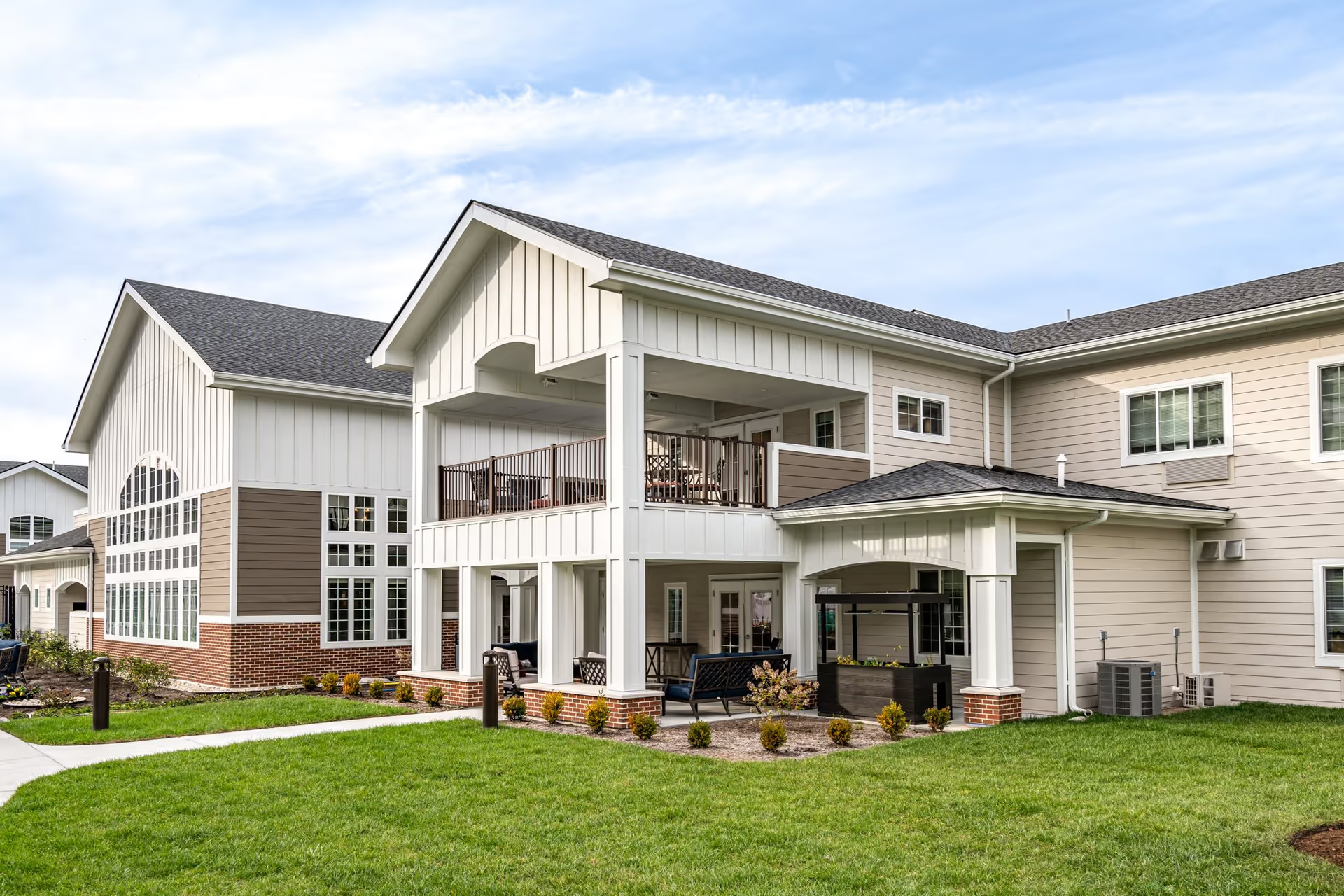
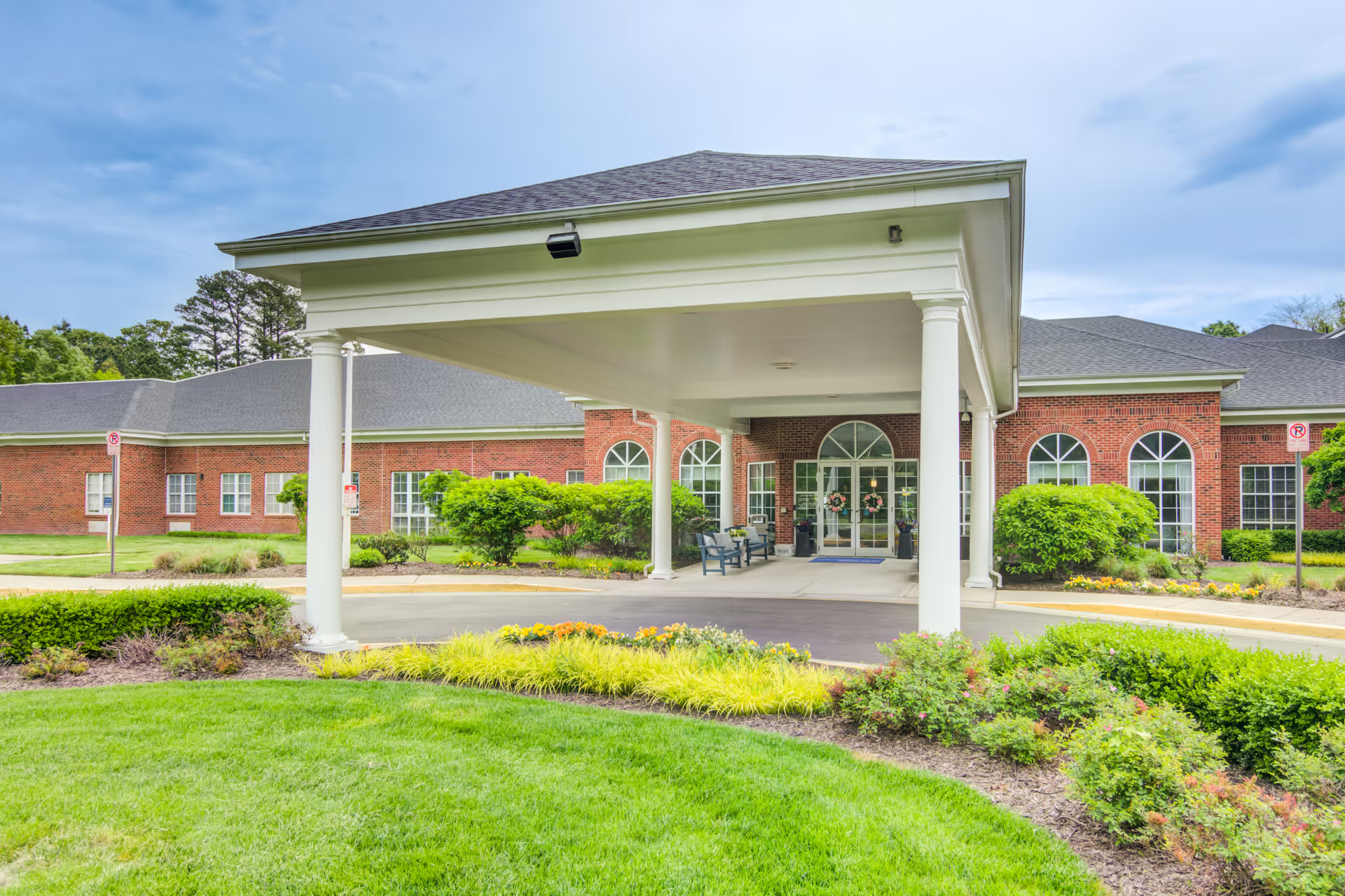
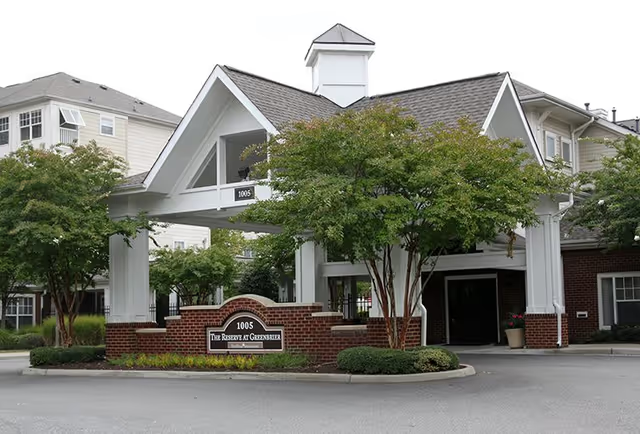
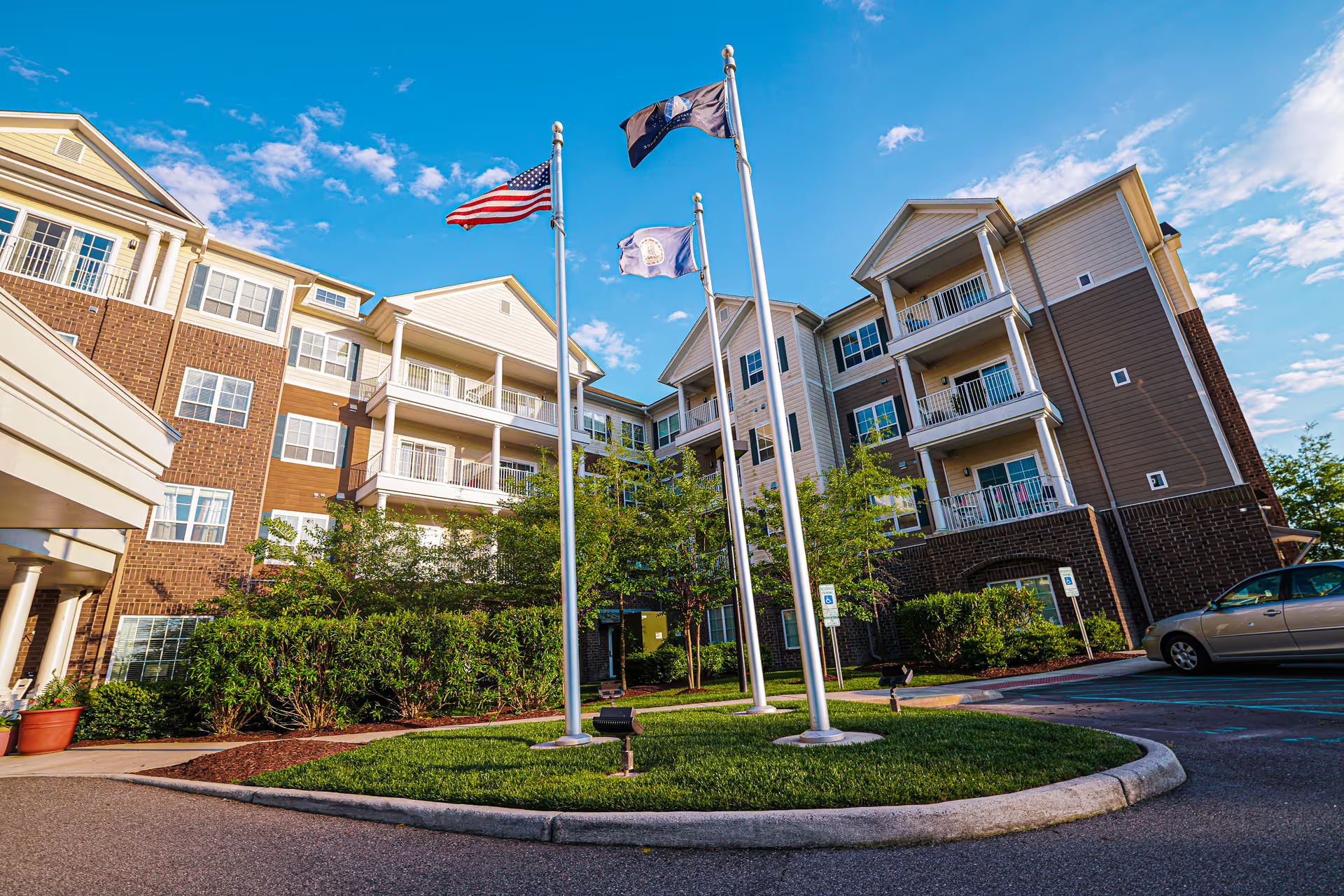
Facilities are commonly described as clean, well-maintained and non-institutional, with a pleasant interior courtyard and accessible outdoor space. The smaller, intimate layout contributes to a comfortable atmosphere for many residents, though it also reflects an older building design in which some rooms are compact and certain units have shared or Jack-and-Jill bathroom arrangements. Families appreciate proximity to home and the community’s perceived value, but also note that private-room availability and included amenities vary.
Several operational patterns emerge as areas for improvement. Administrative communication and responsiveness are inconsistent: families report difficulty reaching administrative staff at times, delayed portal access, and uneven follow-up on concerns. Staffing coverage appears variable across shifts, with some accounts of longer wait times or reduced oversight overnight; this contributes to concerns about care continuity. A subset of reviews point to sanitation or odor concerns in certain common areas and to lapses in possessions management or move-out procedures. Security-control weaknesses in the memory-care unit were reported as a practical concern for some families and suggest a need for review of access and supervision protocols. Additionally, fee transparency and the presence of extra daily charges were cited as confusing or burdensome by a few families.
In summary, VIVA Memory Care at Chesapeake demonstrates clear strengths in dementia-focused care, individualized attention from caregiving staff, an active programming slate, and an inviting physical environment. Prospective families should weigh those positives against reported variability in administrative responsiveness, staffing consistency, and certain facility-level operational controls (security, possessions management, and fee transparency). A focused discussion with management about staffing patterns, security measures, fee inclusions, and move-out procedures during a tour would help assess whether the community’s strengths align with a given resident’s needs.