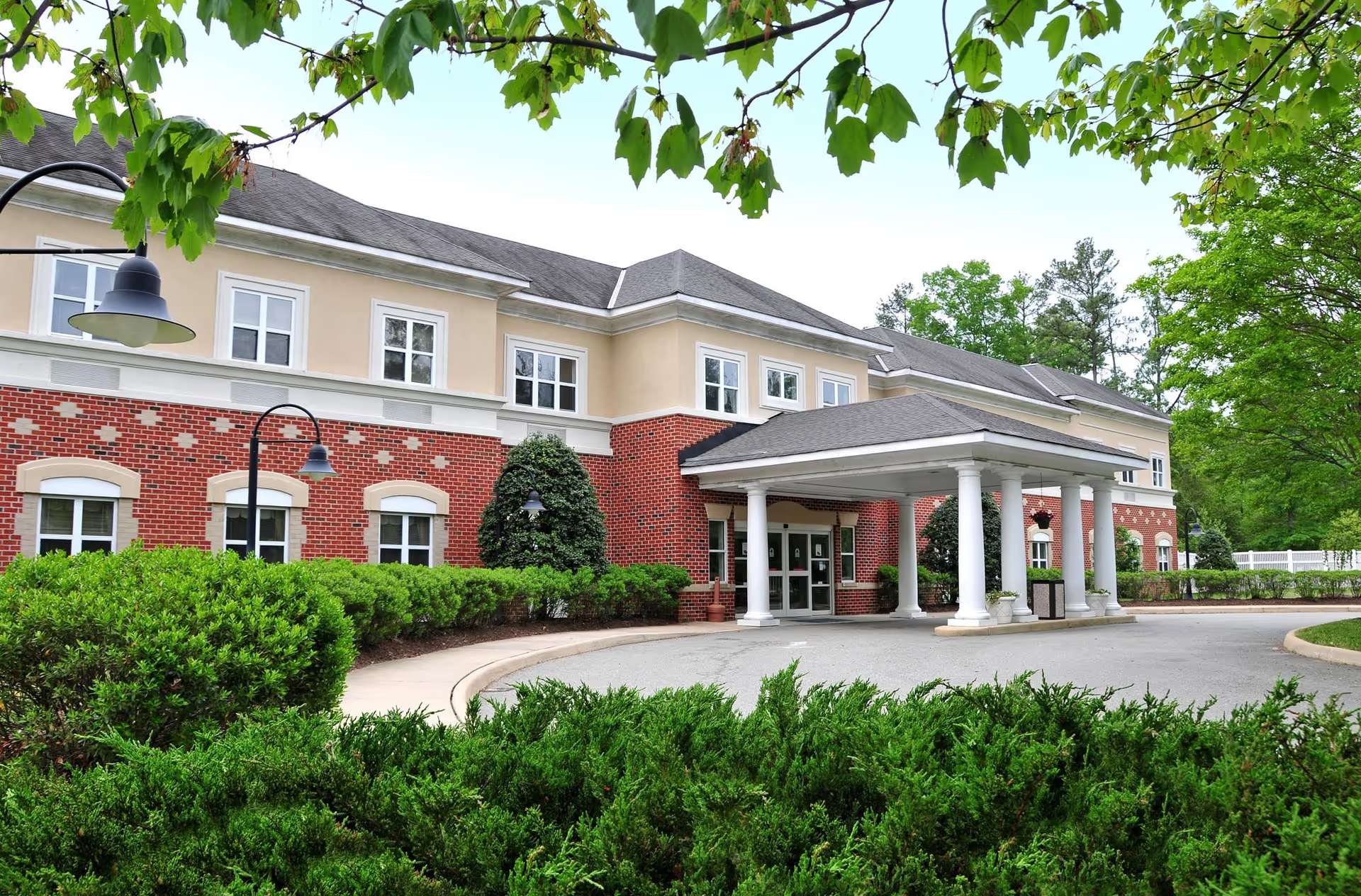
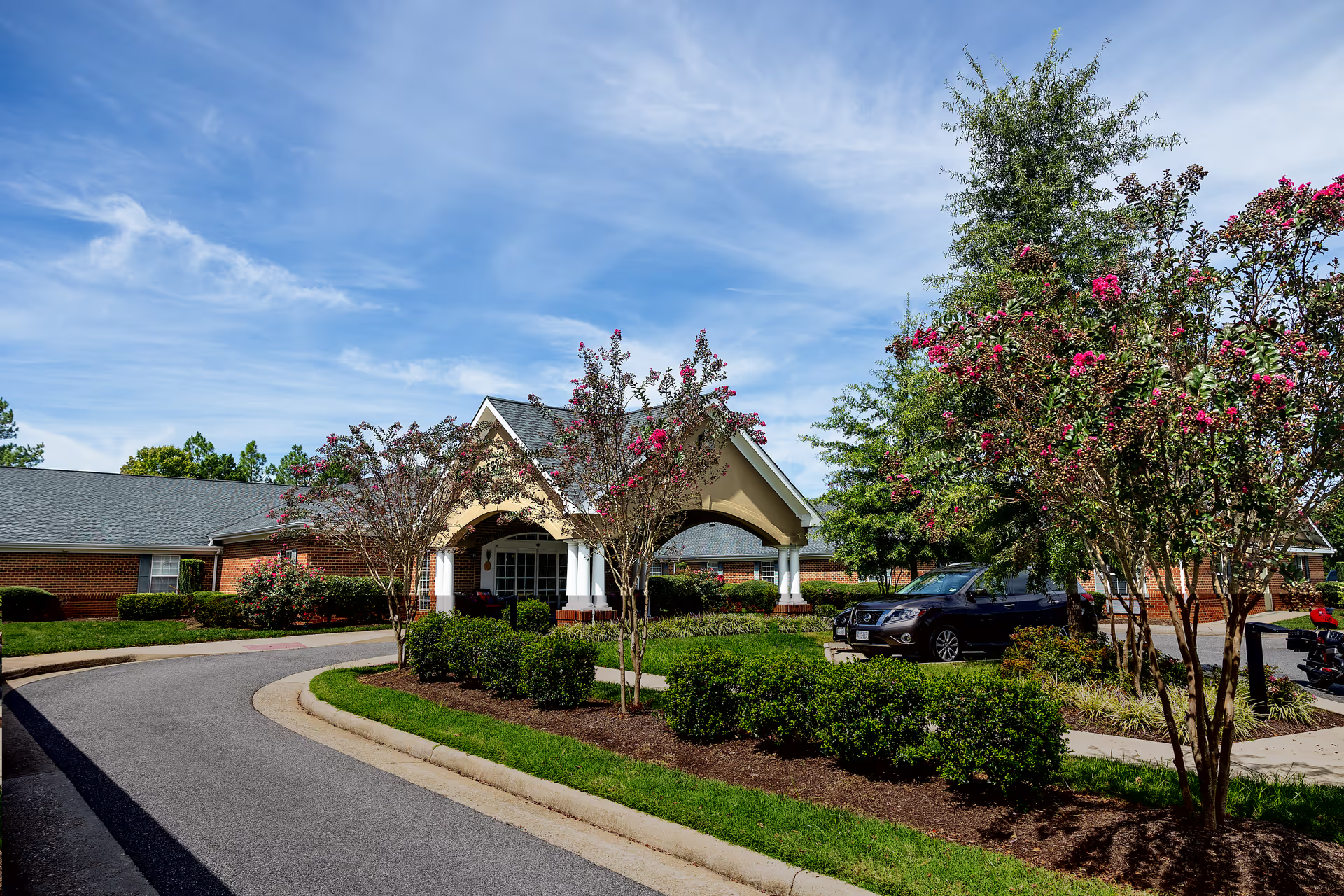
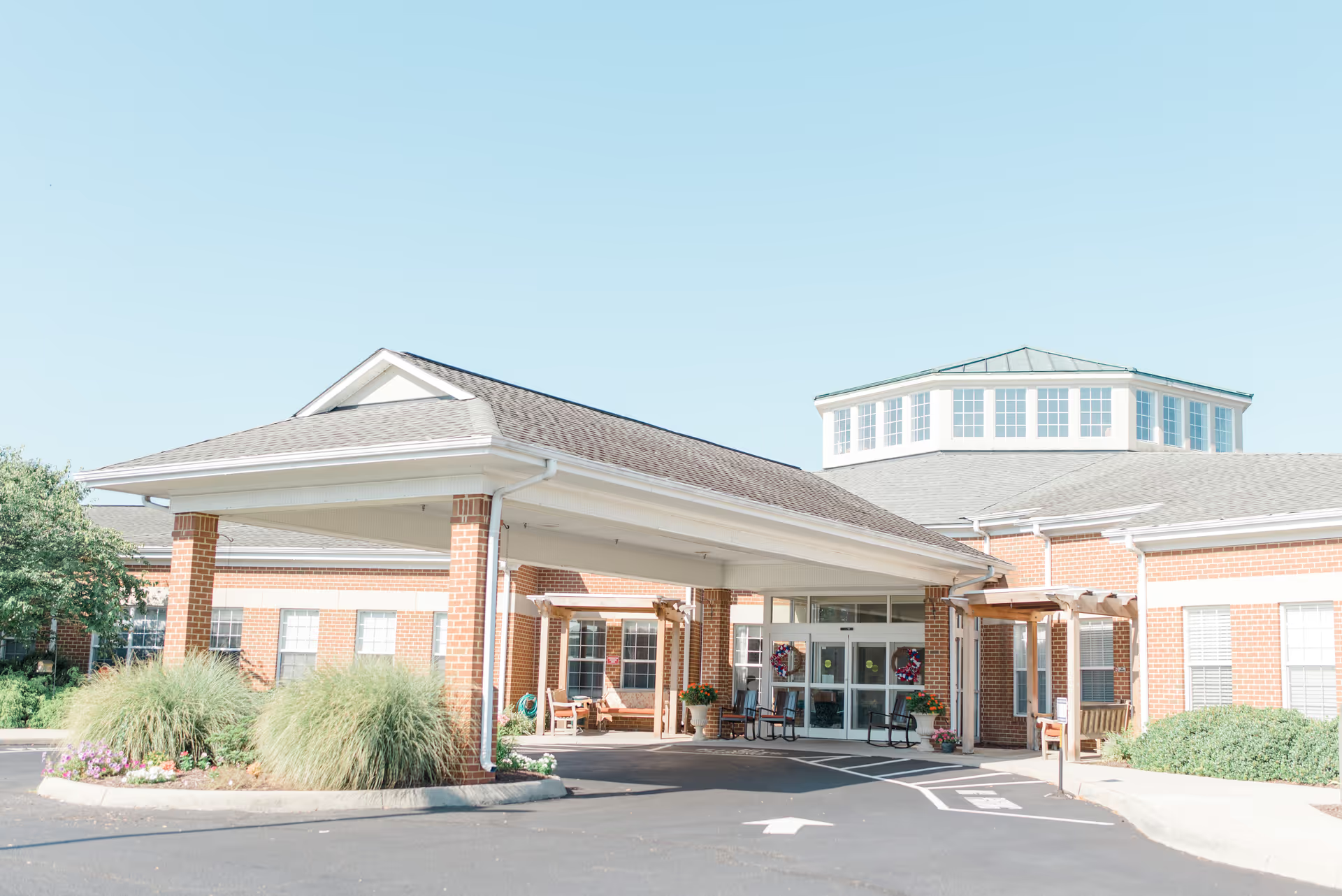
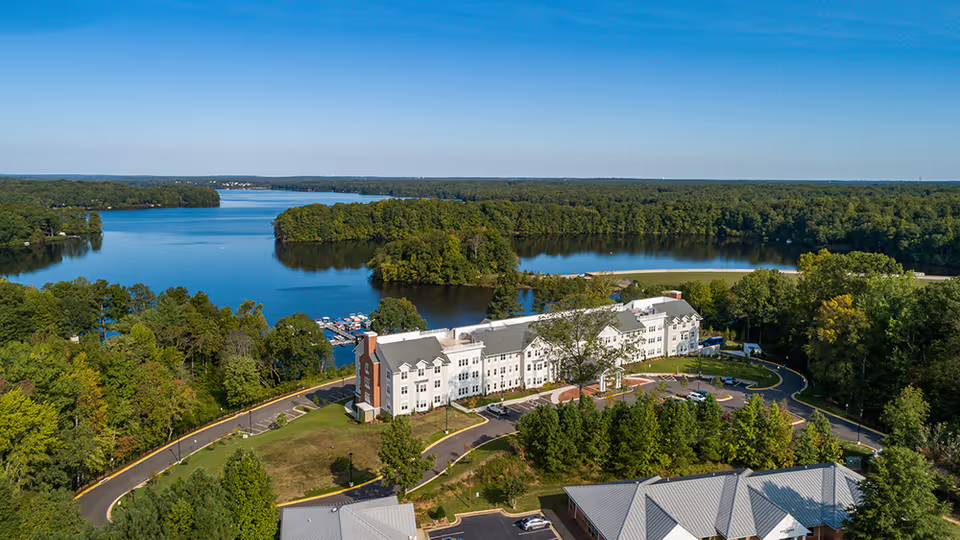
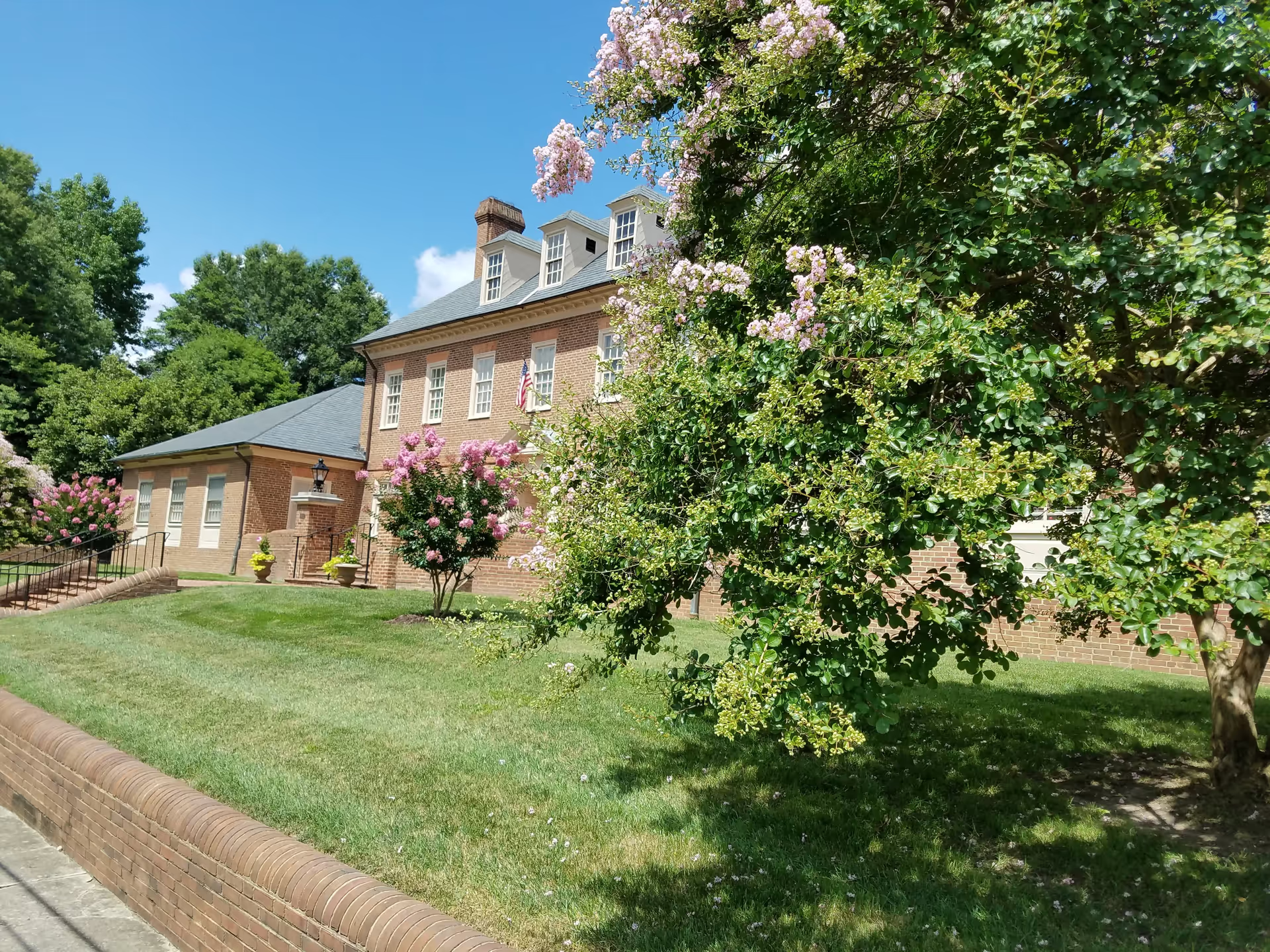
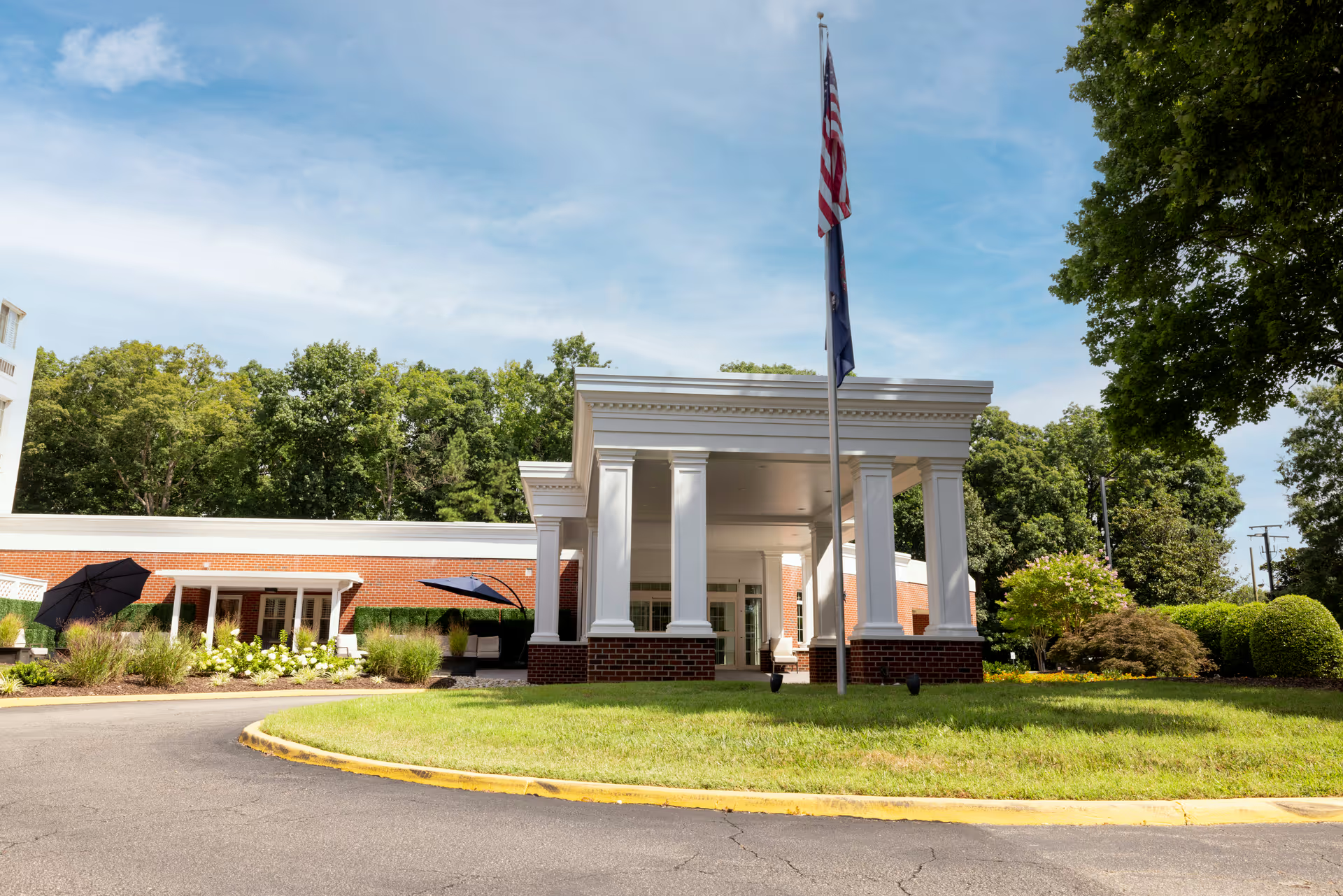
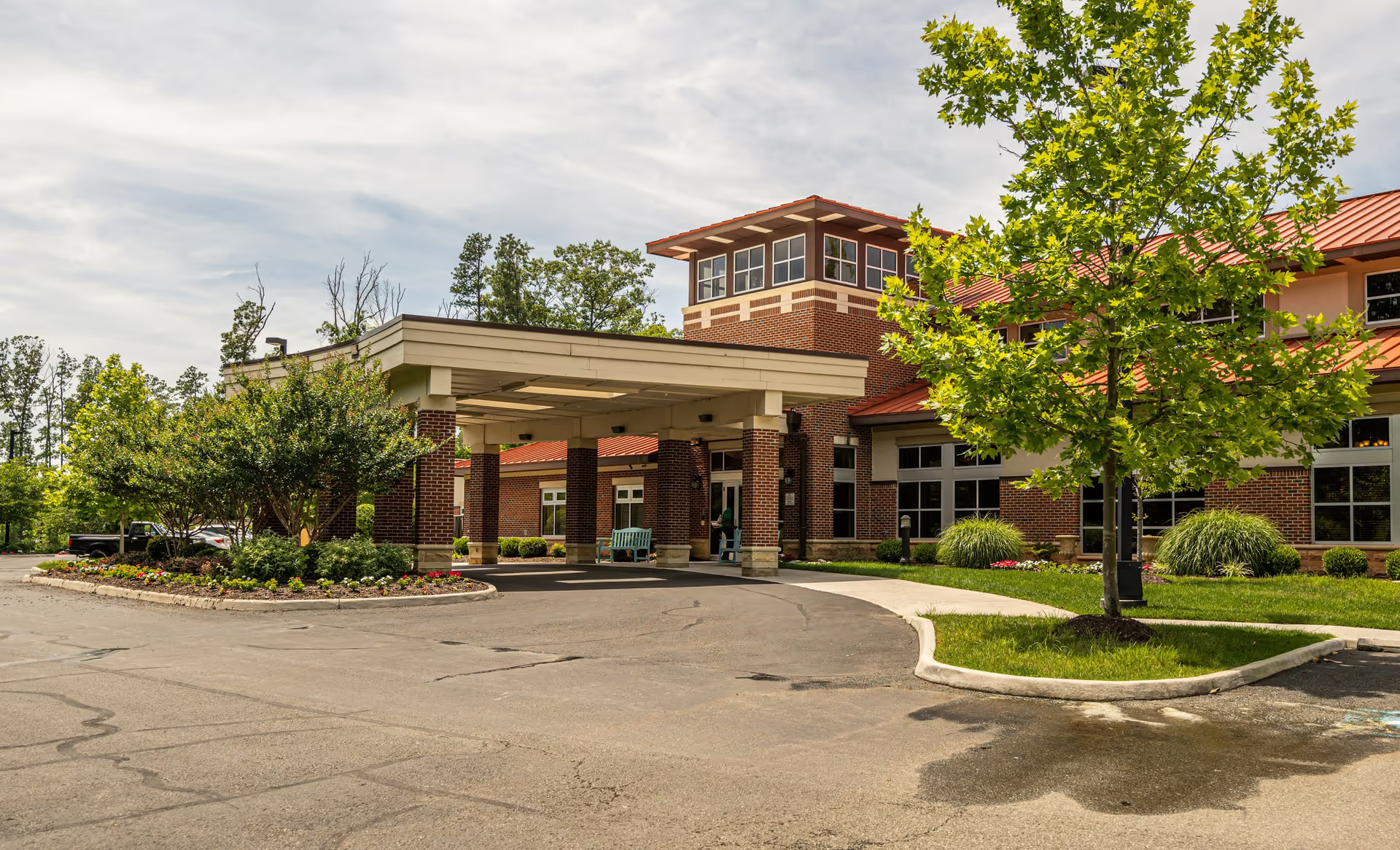
Tyler's Retreat at Iron Bridge presents a mixed but clearly patterned picture. Its strongest, most consistently praised elements are the therapy and rehabilitation services: physical and occupational therapy teams receive repeated commendation for producing measurable progress and facilitating safe discharges. The facility's social work and case-management functions—often personified by one staff member cited frequently—are another major asset; families highlight proactive coordination of appointments, home-equipment arrangements, and frequent follow-up. Many reviewers also describe attentive CNAs, effective wound-care when available, a welcoming environment, and a generally clean, well-maintained campus with private rooms and a well-equipped therapy gym.
At the same time, there are recurring operational weaknesses that prospective families should weigh. Staffing variability, particularly on weekends or during busy shifts, is a common theme and is linked to delayed responses to call buttons, inconsistent assistance with feeding and transfers, and gaps in supervision. Several accounts point to inconsistencies in medication administration and pain management as well as broader gaps in clinical oversight and care coordination—issues that can affect safe rehabilitation and chronic-care monitoring. Related safety concerns include fall-prevention and transfer practices that reviewers felt were unevenly applied.
Dining and daily-living services show variability: some residents praise the food and dining events, while others describe inconsistent meal quality and disruptions to meal service. Housekeeping and maintenance are often praised for cleanliness and upkeep, but isolated reports raise pest-control and laundry/possessions-handling concerns that suggest variability between units or shifts. Communication and administrative responsiveness are another mixed area—many families single out effective case management and helpful admission staff, yet others report difficulty reaching billing and management, inconsistent family notification about incidents, and limited transparency during infection-control events.
In summary, Tyler's Retreat demonstrates strong rehabilitation capability and several highly valued individual staff members who provide compassionate, family-focused support. Those strengths appear strongest in structured, therapy-focused short-term stays. However, persistent operational issues—staffing consistency, responsiveness to resident needs, medication and clinical oversight, and some housekeeping/food-service variability—emerge often enough to recommend careful, specific inquiry during a tour. Prospective residents and families should ask about current staffing ratios, weekend coverage, fall-prevention protocols, medication administration safeguards, recent infection-control communications, and examples of how the facility addresses family concerns and billing issues before making placement decisions.