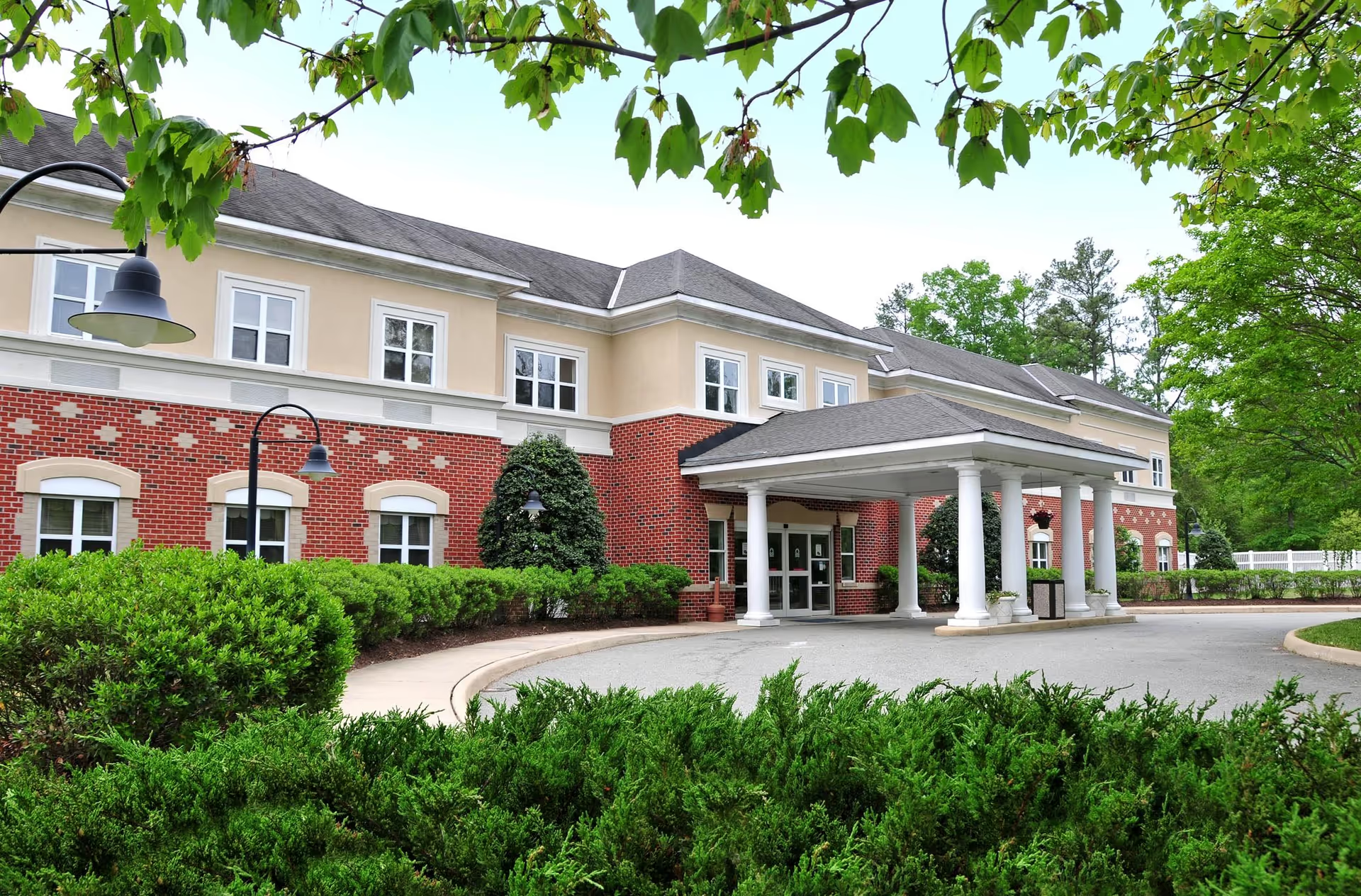
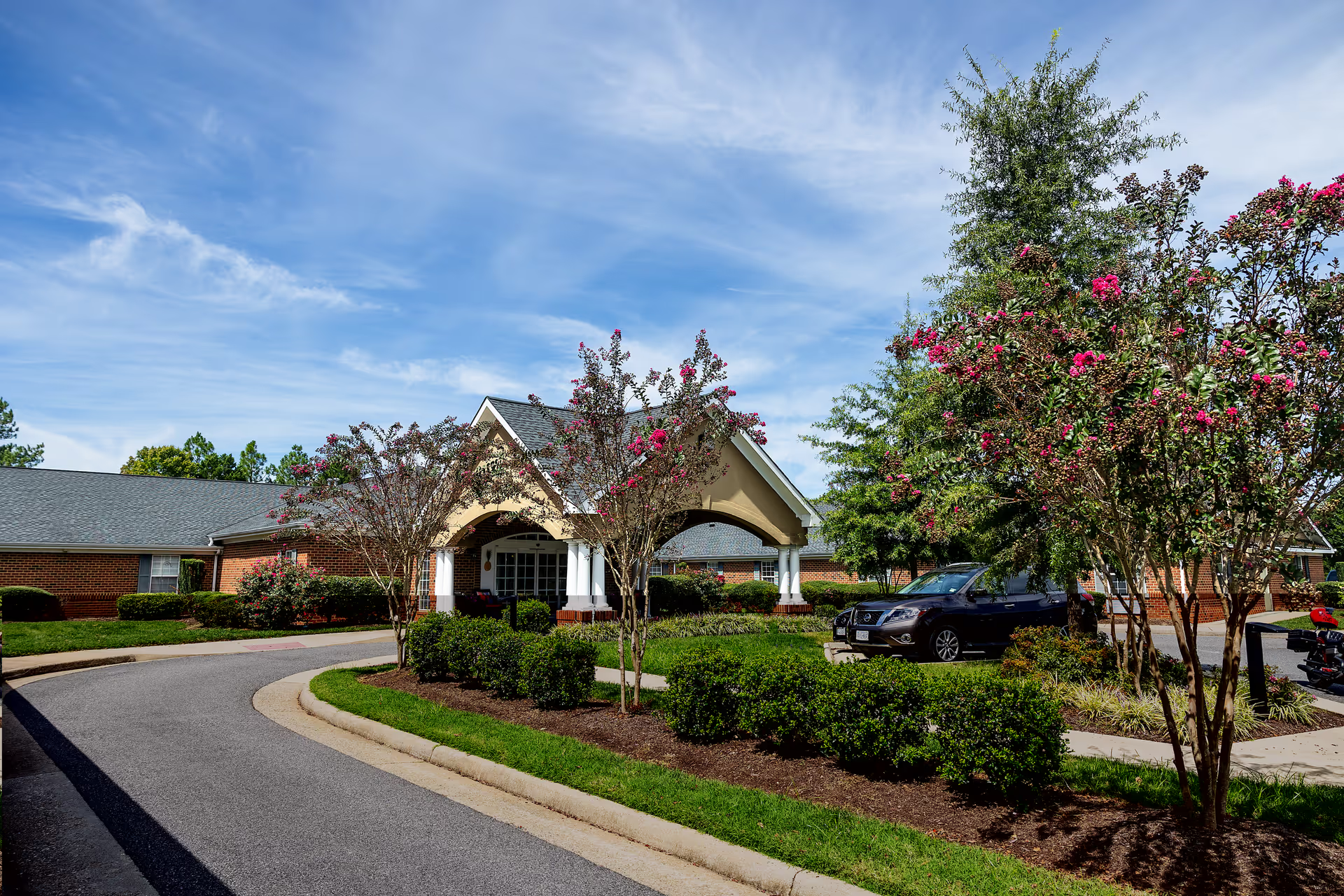
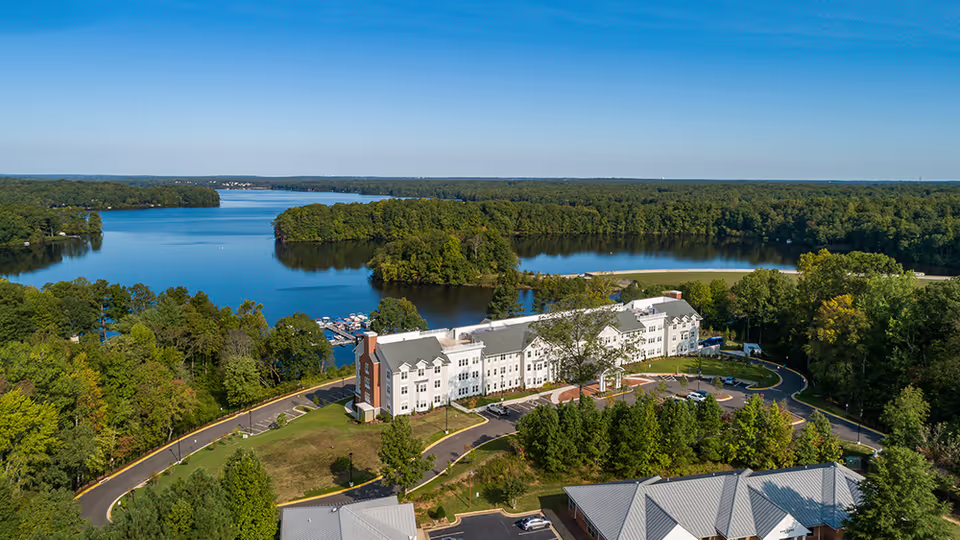
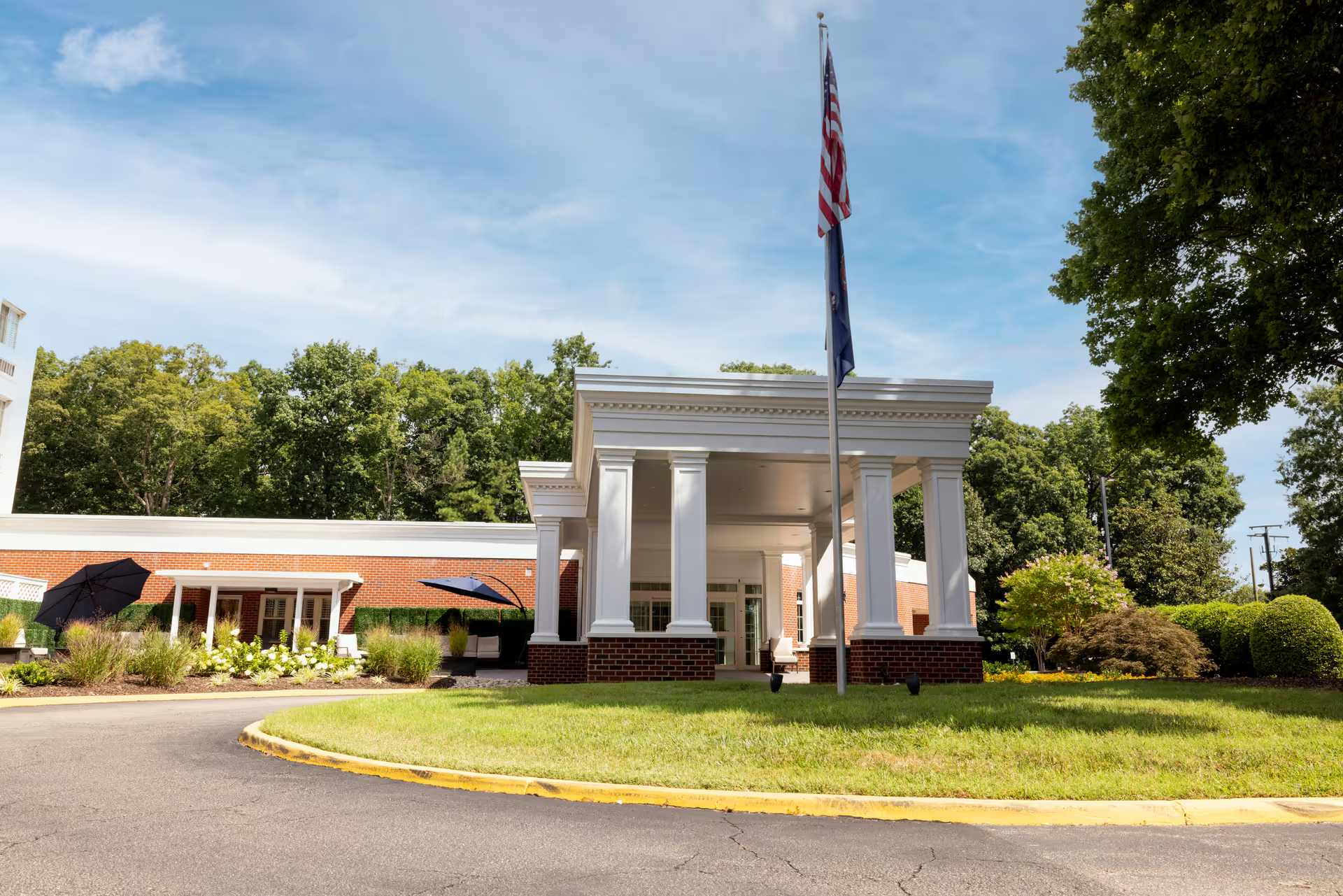
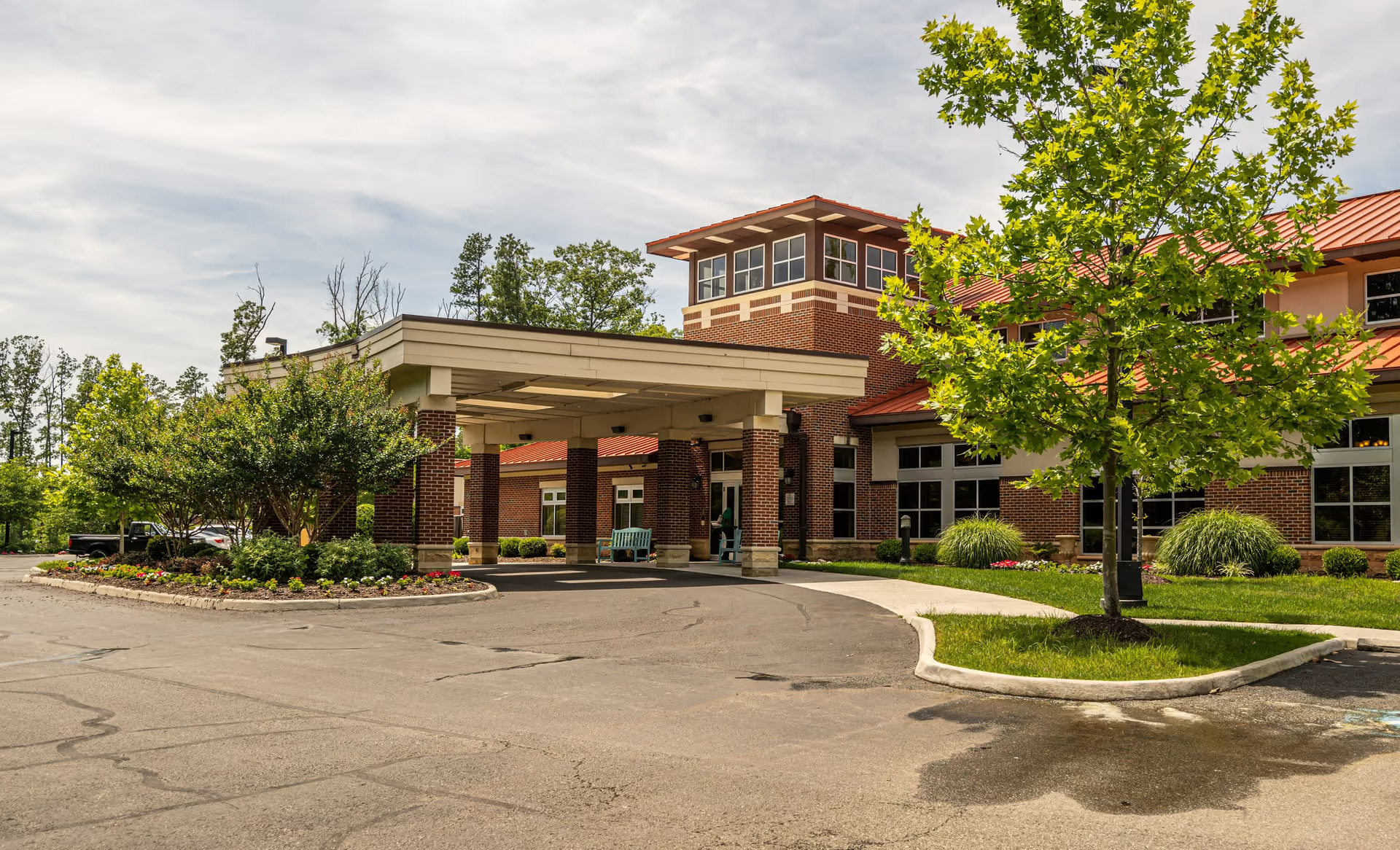
Dunlop House Assisted Living & Memory Care presents a generally positive environment for families seeking a bright, social community with strong housekeeping and hospitality services. The physical plant is frequently praised — a light-filled atrium, skylights, single-level layout, and well-maintained grounds combine with spacious, personalized rooms and accessible design features. Housekeeping and maintenance are commonly described as thorough and responsive, and many families highlight the ability to bring personal furniture and decorate rooms to create a home-like setting.
Activity programming and social life are notable strengths. Reviewers consistently describe a broad slate of offerings — art classes, music and live entertainment, trivia, reading groups, crafts, outings, church services, and opportunities to volunteer or interact with the local community. These programs appear to support an engaged resident population and are cited as instrumental in improving mood and socialization for many residents. Transportation to medical appointments and community events, plus an on-site salon, add convenience that families appreciate.
Staff and caregiving receive a mix of strong praise and operational concerns. Many families report kind, attentive, and dignified interactions from caregiving and nursing staff, with a culture of responsiveness and 24/7 availability. Several accounts emphasize stability of caregiving teams and engaged leadership. At the same time, a pattern of inconsistent staffing levels and occasional long wait times for assistance is apparent in multiple reviews; this contributes to perceptions that the community may be less well suited to residents who require frequent, hands-on support. There are also recurring mentions of gaps in clinical communication (including lab coordination and physician communication) and, in isolated but serious instances, concerns about staff conduct and documentation accuracy. Prospective residents should ask specific questions about staffing ratios, supervision, and documentation practices.
Clinical services and care quality are mixed. The presence of in-house medical staff and on-call nursing is a positive for routine clinical needs, and families report good management of basic medical and end-of-life needs in many cases. However, several comments point to inconsistent management of more complex clinical issues (for example, wound care) and an uneven experience in the memory-care unit where activity engagement may be limited at times. Reviewers also flagged cases where the level of assistance fell short for highly dependent residents, suggesting the facility may be best suited to residents who retain some independence or whose families confirm a clear plan for higher-acuity needs.
Dining and hospitality are frequently commended for cleanliness and enjoyable meals, though there are occasional notes about menu items or preferences not meeting every resident’s tastes. Families should confirm dietary accommodations and ask about how special nutrition needs are handled. Administrative and admissions practices draw mixed feedback: many families praise responsive communication and helpful staff, while others perceive an administrative focus on availability and pricing. Specific policies can be important—examples include a restrictive policy on outside nutritional supplements and the facility’s pricing structure that may not be fully all-inclusive.
In summary, Dunlop House appears to be a strong option for older adults who value a bright, social environment with active programming, attentive housekeeping, and compassionate staff. Its strengths are most evident for residents with moderate care needs who benefit from social engagement and a well-maintained living space. Families considering Dunlop House should clarify staffing levels for the intended level of care, ask how the memory-care unit’s programming is scheduled and staffed, review clinical protocols for wound care and specialty needs, and confirm administrative policies on supplements, lab handling, and what is included in the monthly fee. Doing so will help match expectations to the facility’s operational patterns and identify whether it is the right fit for a particular resident’s needs.