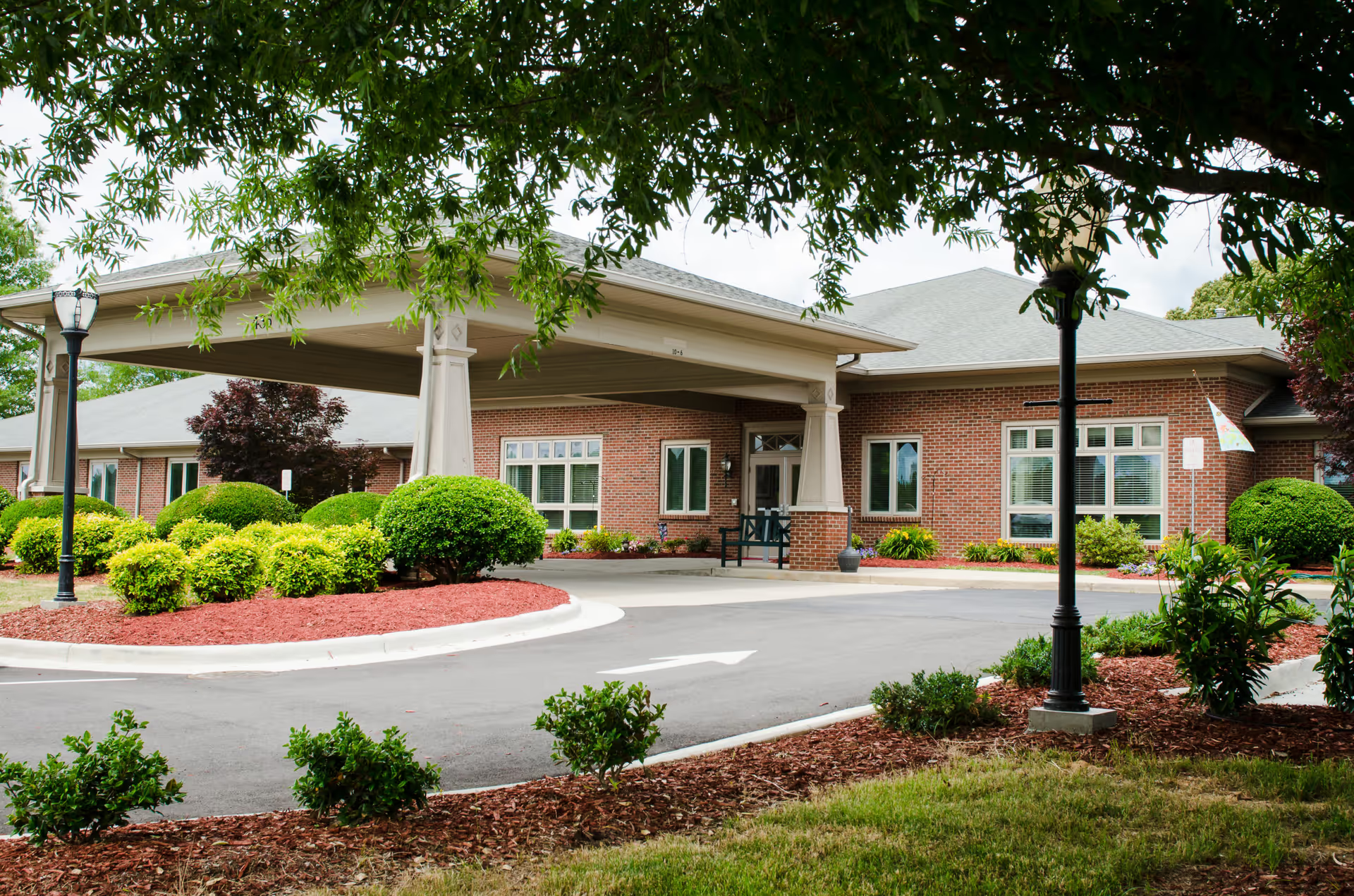
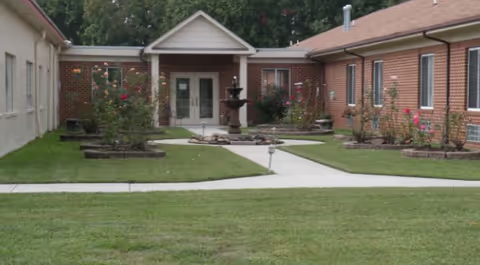
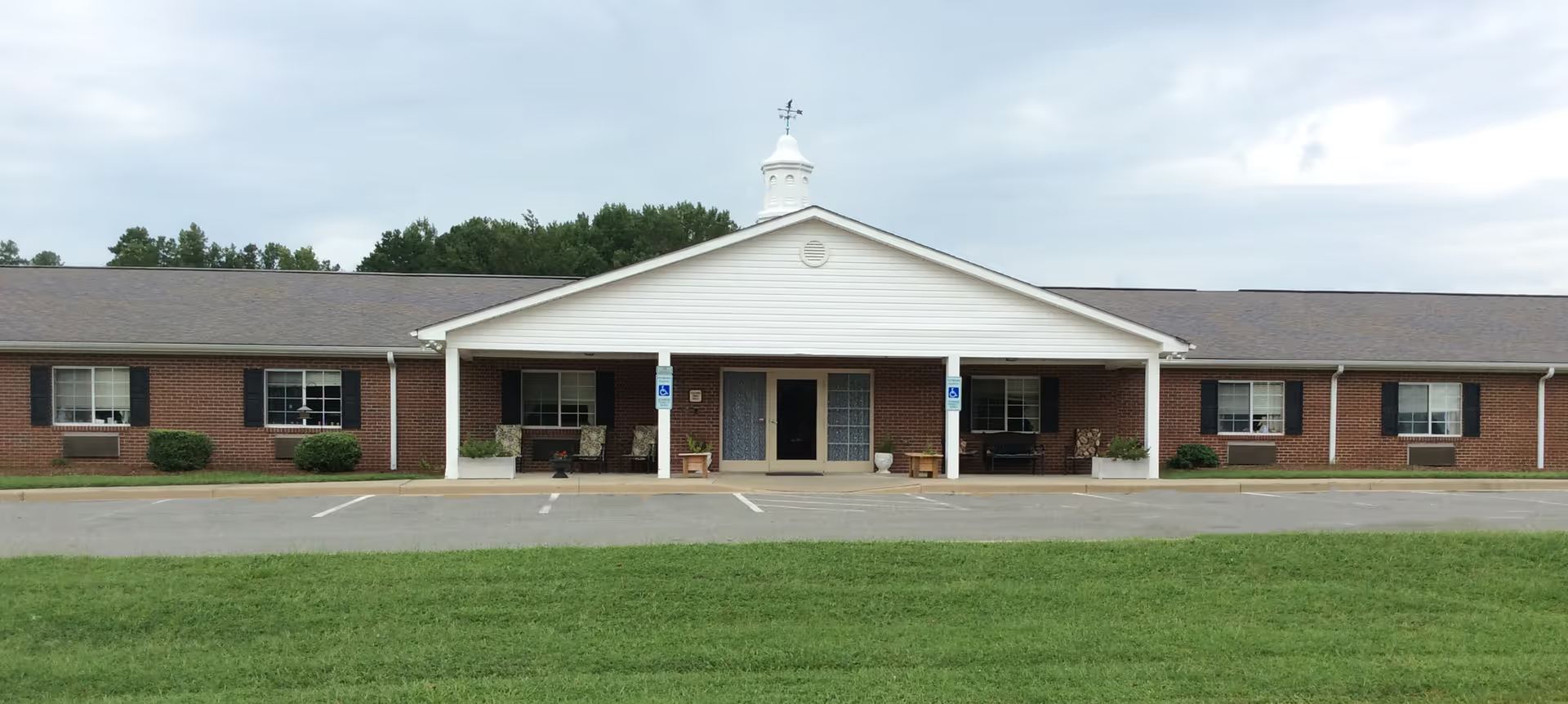
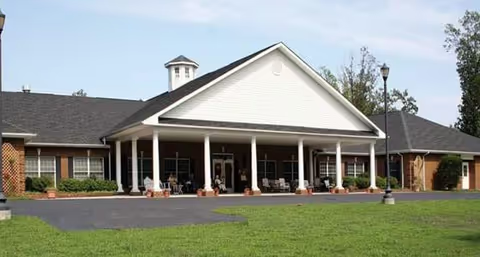
Overall impression: Clarksville Health and Rehab is frequently described as a clean, well-appointed facility with a hotel-like appearance and a broadly positive culture among clinical and support staff. Many families and residents praise the compassionate nursing and CNA teams, engaged admissions staff, and knowledgeable leadership. The therapy department is often highlighted for helping residents regain function and return home after hospitalization, and wound care experts and an accessible dietician are cited as strengths. Activities programming and social work involvement are repeatedly viewed as proactive and resident-centered.
Care and staff: Clinical care is commonly characterized as competent and attentive. Reviewers highlight skilled therapy staff, effective wound management, and individualized care planning carried out by an organized MDS team. The facility projects a family-like atmosphere with high staff morale; multiple comments reference friendly, welcoming staff and an environment where residents feel at home. That said, there are distinct concerns about staff conduct and responsiveness in some situations and instances where families believed additional supervision (outside sitters) was necessary. Reviewers also note variability in continuity of care, particularly for residents who require ongoing, long-term rehabilitation beyond an initial Medicare-funded stay.
Dining and amenities: Many reviewers compliment the dining experience — attractive meals, treats, and an accommodating dietary team — and the facility’s cleanliness and odor-free common areas receive consistent praise. Conversely, there are operational concerns about inconsistent meal-service continuity and food quality tied to food-service staffing changes; a number of comments describe episodes of diminished meal preparation or altered service routines. Temperature-control problems have been raised intermittently, indicating variability in environmental maintenance.
Management, administration and finances: Administrative strengths include organized admissions, helpful front-desk personnel, and visible clinical leadership. However, several reviewers describe substantive problems with billing, insurance coordination, and financial-administration processes; some comments escalate to allegations of financial misconduct or unclear finance practices. Communication gaps about care plans and length of stay (short-term rehab versus long-term placement) are another recurring theme, as is the effect of leadership or ownership transitions on day-to-day operations.
Patterns and recommendations for families: The reviews present a bifurcated picture — many positive, often emphatic accounts of compassionate staff, effective therapy, and a pleasant facility, alongside serious concerns about administration, billing, meal continuity, and occasional lapses in responsiveness. Prospective residents and families would be well served to verify current leadership and food-service staffing, clarify billing and insurance processes in writing, confirm the planned therapy schedule and anticipated length of stay, and ask about environmental controls and supervision protocols. Those steps can help preserve the facility’s strong clinical and cultural attributes while mitigating the operational risks noted by reviewers.