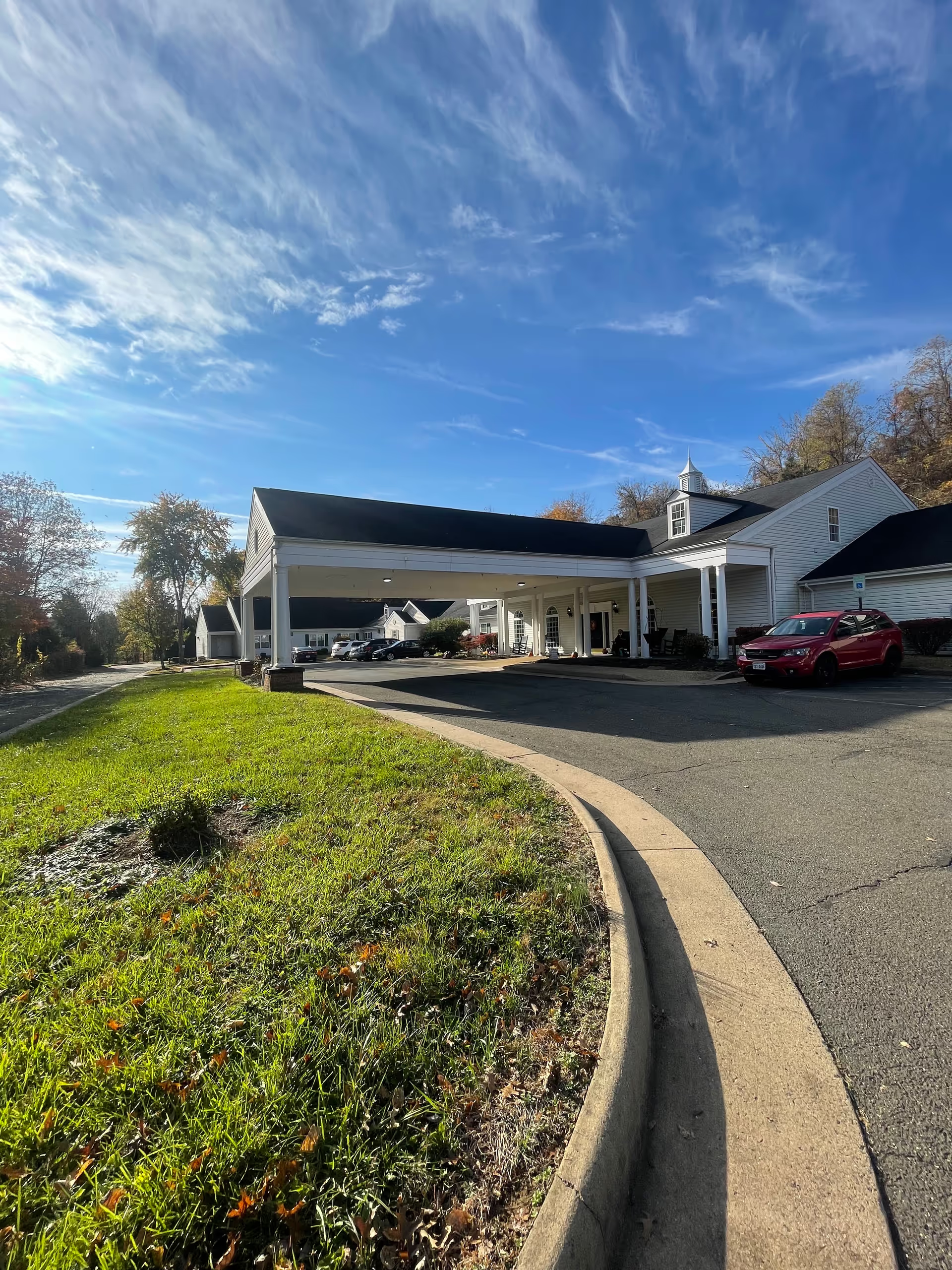
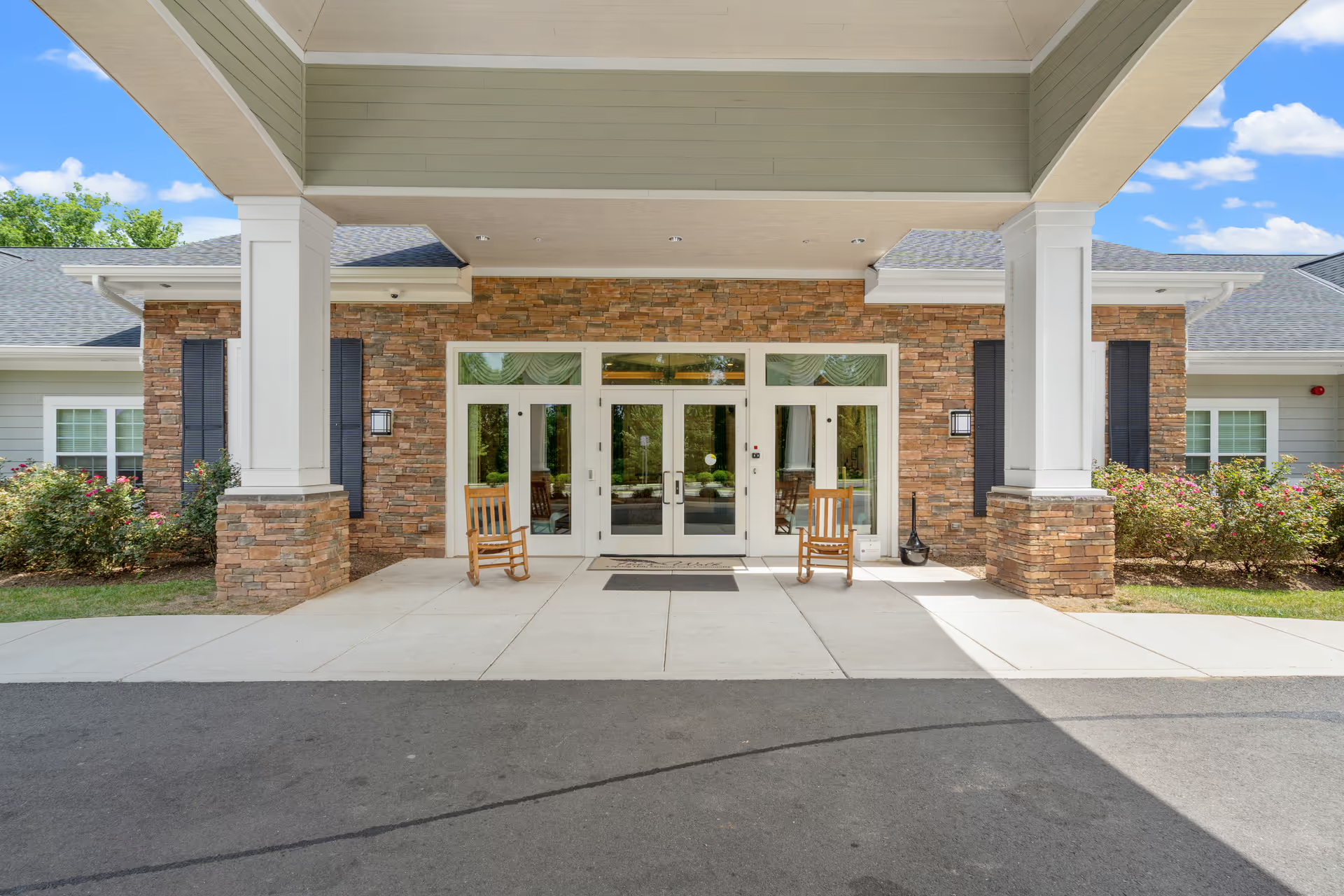
Overall impression: Spring Oak at Culpeper presents as a small, homelike assisted-living community with an emphasis on personalized care and resident independence. Many families describe compassionate, knowledgeable caregivers and engaged leadership; several accounts highlight a director and management team that provide hands-on attention and follow-up. The facility has undergone visible renovation in a number of areas, producing brighter, more spacious apartments and refreshed common spaces that contribute to a welcoming atmosphere.
Care and staff: Caregivers are consistently described as caring, professional, and resident-focused. Reviewers pointed to individualized attention, assistance with complex needs (including coordination for residents on dialysis), and positive social interaction for residents. The director and other managers received specific praise for going above and beyond, including after-hours attention and supportive respite care. At the same time, there are operational concerns about staffing consistency: reviewers cited periods when staff were not immediately visible and instances of delayed responses. Families should confirm staffing levels for the shifts most relevant to their loved one’s needs.
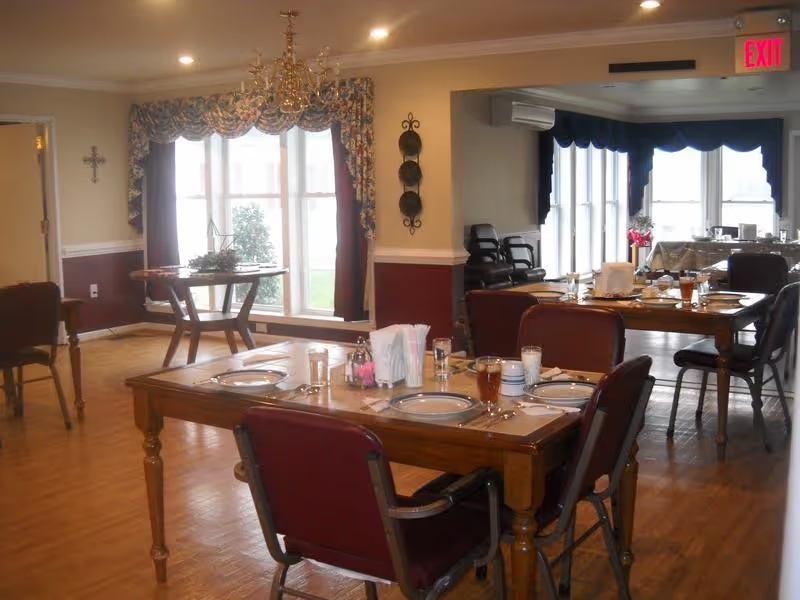
Dining and activities: Dining receives strong positive comments — reviewers commonly note good food quality, variety, and accommodations for dietary needs; the dining program has been described as a highlight by multiple families. Activities programming, including pet therapy and regular social opportunities, appears robust and contributes to resident engagement. Tours that include a meal were mentioned as helpful for assessing food and atmosphere.
Facilities and management: The community’s recent remodels and clean environment are frequently praised; several reviewers said living spaces and common areas look significantly improved. That said, there is variability in facility condition between renovated units and older parts of the building, and the community’s small scale means dining and communal spaces can feel limited. Management change appears to have had a positive effect overall, though families should review contract terms carefully: reviewers expressed concern about automatic annual rate increases.
Notable patterns and guidance: The dominant pattern across feedback is positive—dedicated staff, personalized care, and an improved physical environment. However, the more serious operational themes are staffing consistency, occasional meal-service continuity gaps, and variability in unit condition. Prospective residents and their families would be well served to (1) observe staffing and response times during different shifts, (2) ask about meal-service protocols and contingencies, (3) confirm move-in provisioning and room setup expectations, and (4) review the fee escalation policy. These steps will help determine whether the community’s strengths align with a specific resident’s care and lifestyle needs.