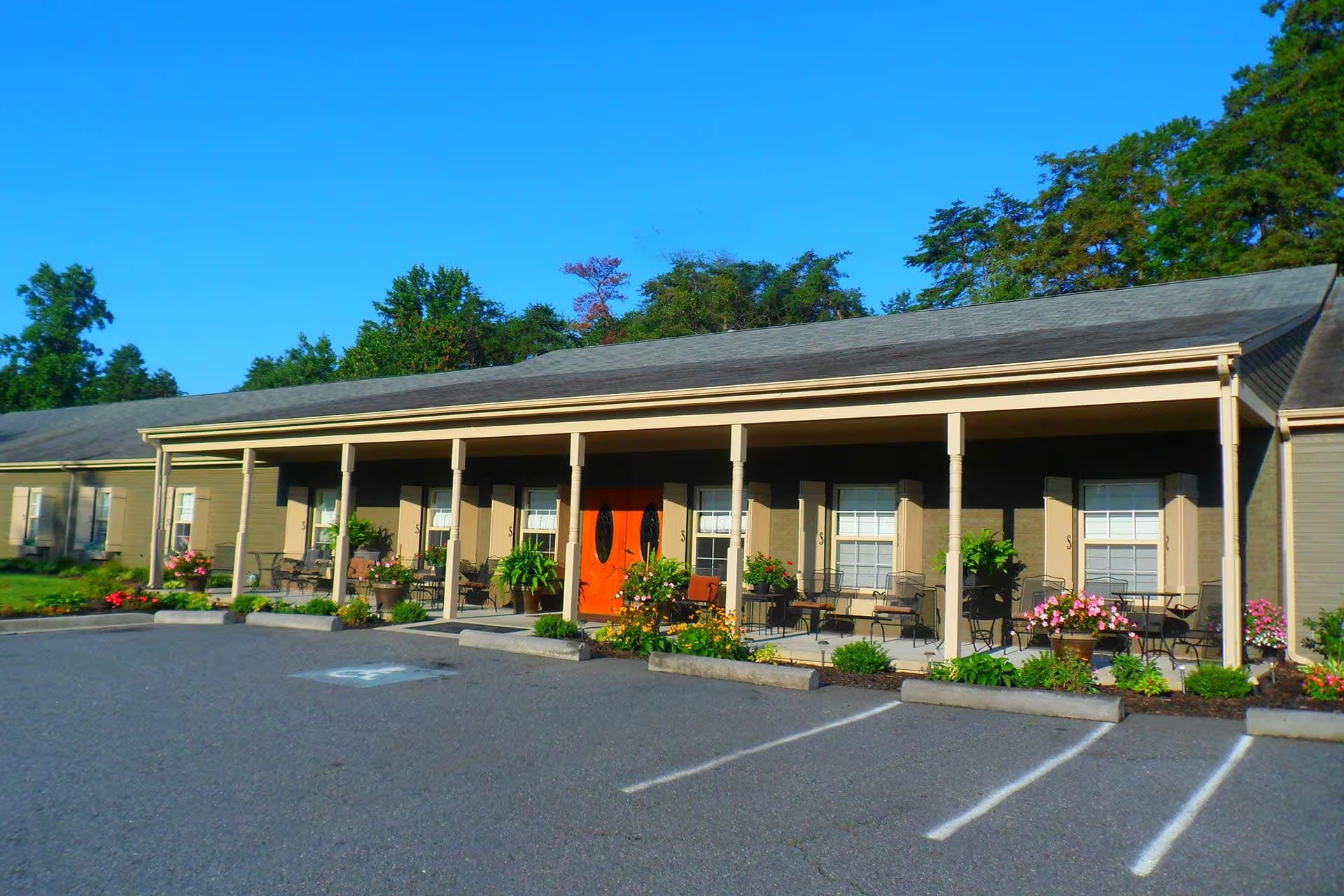
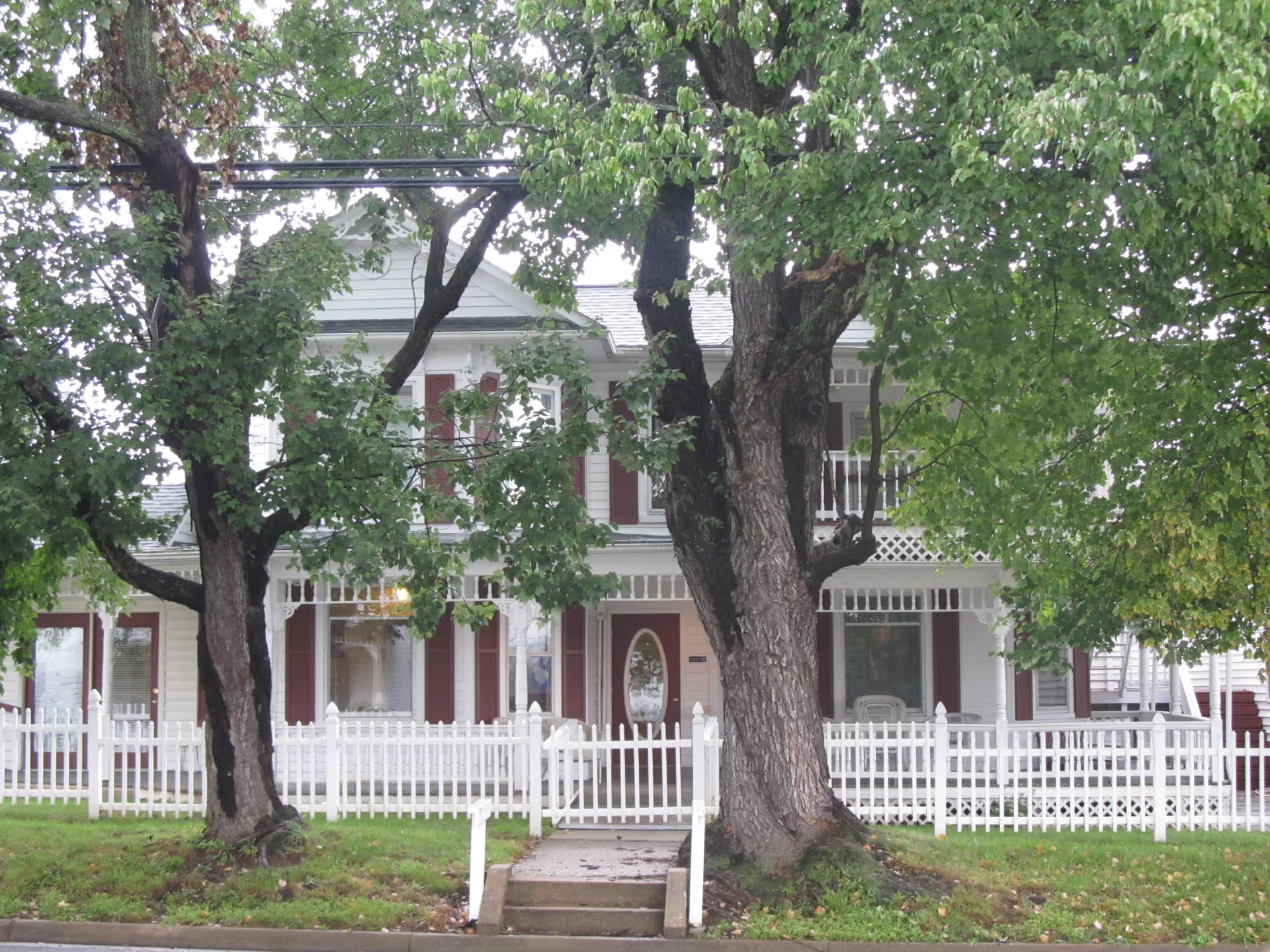
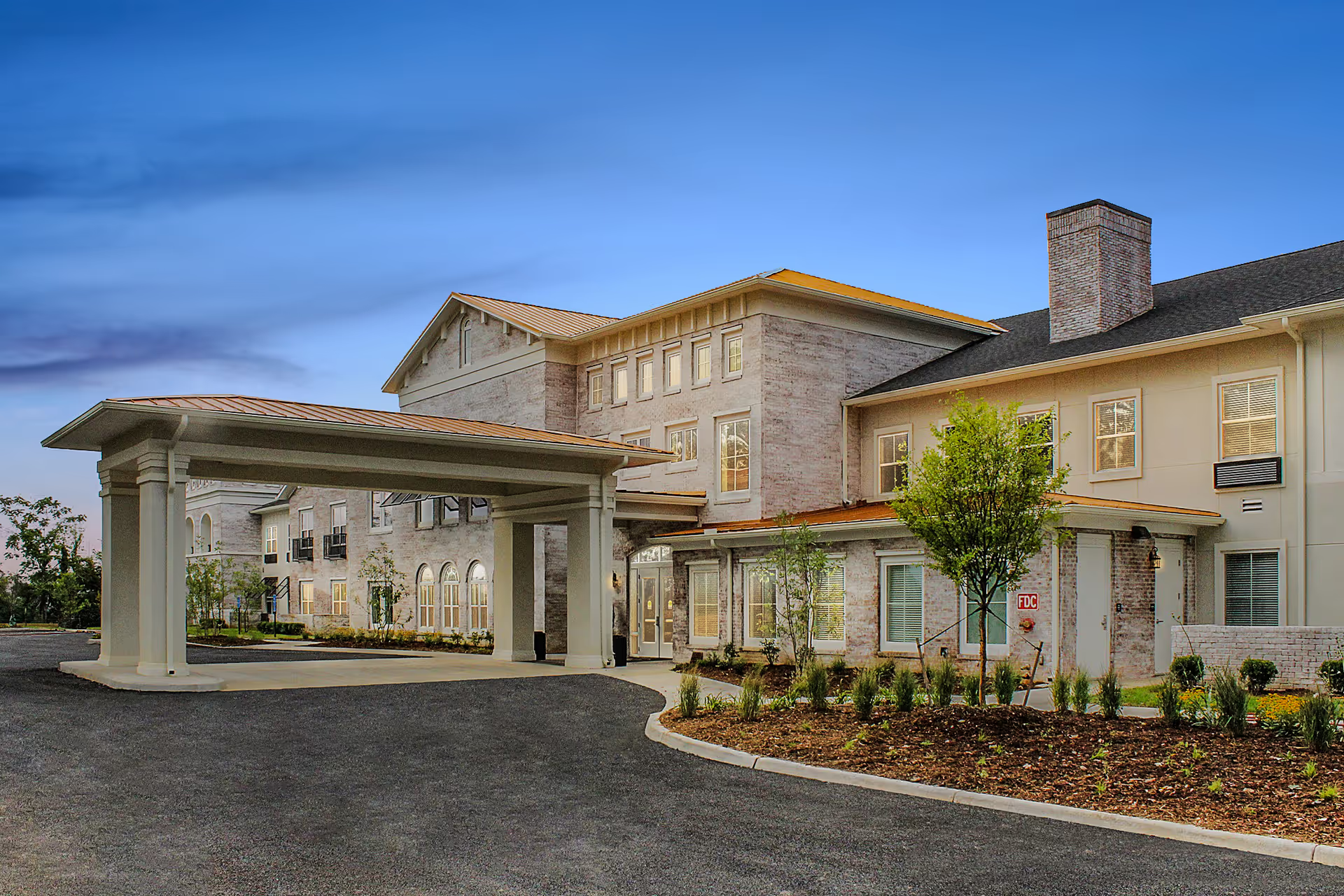
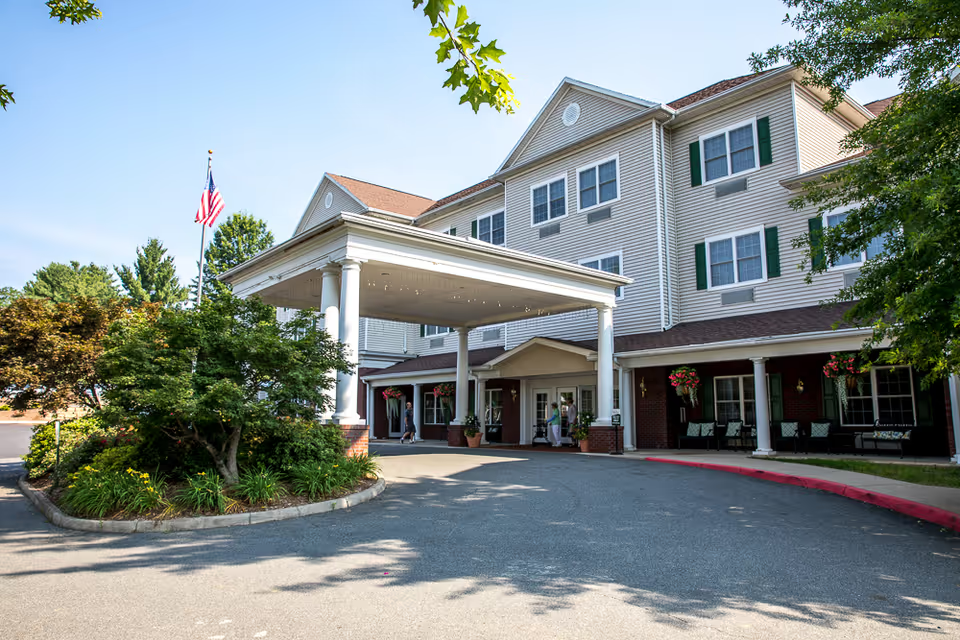
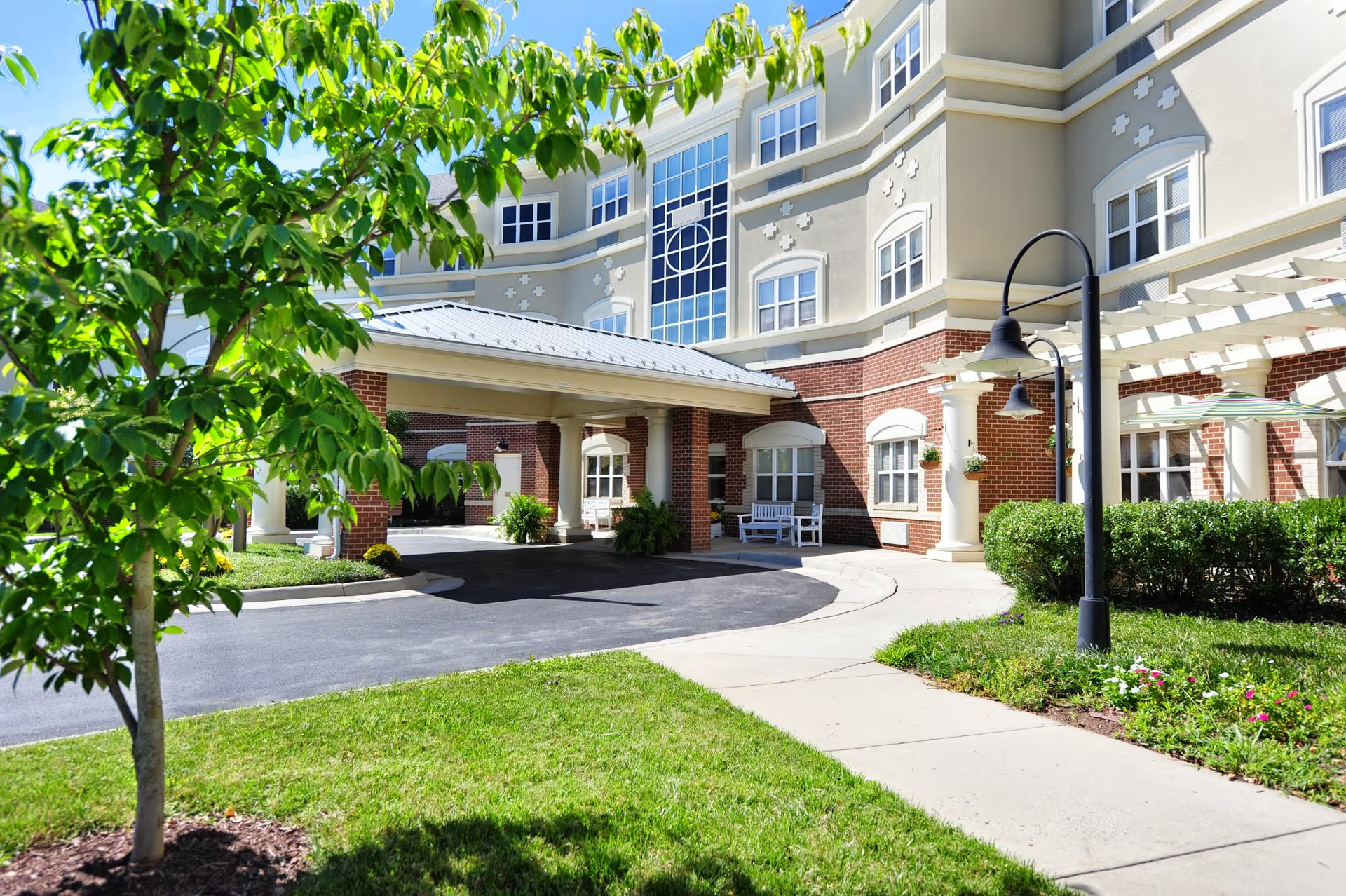
Reviews describe a facility with a strong, compassionate caregiving culture alongside notable operational weaknesses. Many families and residents emphasize that frontline staff form genuine, family-like relationships with residents: caregivers are described as attentive, socially engaged, and willing to spend time talking and supporting both physical and emotional needs. The community offers regular programming — music, arts, worship visits, and local outings — and several accounts highlight pleasant, comfortable outdoor spaces, refurbished common areas, and generally clean, well-maintained grounds and rooms.
At the same time, recurrent operational concerns appear across reviews. Dining is uneven: while there are references to home-style, healthy meal offerings, other accounts describe inconsistent quality and occasional use of disposable serviceware or minimal presentation. Staffing is a frequent theme — reviewers cite staffing shortages, scheduling gaps, and staff who are overworked, which families link to slower responses and occasional service delays.
Facility infrastructure and amenities present a mixed picture. Some areas have been recently refurbished and are described as spotless and homely, but there are also references to an aging physical plant, including small or outdated resident bathrooms. Several families have contributed equipment and amenities (security cameras, audiovisual systems, outdoor structures), which suggests both strong family engagement and a dependence on family donations to augment services and monitoring.
Safety, incident response, and management practices are the most significant concerns. Reviewers describe gaps in discharge, transfer, and incident-response protocols and a pattern of delayed or insufficient family communication when issues arise. A specific, serious allegation about an unsafe overnight discharge was raised and, together with accounts of families using private surveillance to document events, has increased scrutiny of the facility’s incident documentation and transparency. Relatedly, some families reported restrictions on external caregivers and limits on access that affected continuity of care.
Overall, the facility’s strengths lie in warm, engaged caregiving staff, active programming, and a generally well-kept environment. The principal operational risks to evaluate further are inconsistent dining services, staffing capacity and workload, aging bathroom infrastructure, management consistency, and protocols for safety incidents and family communication. Prospective residents and families may benefit from asking administrators about current staffing levels and turnover, written incident-response and discharge procedures, dining plans and presentation standards, policies on external caregivers, and recent or planned facility updates.