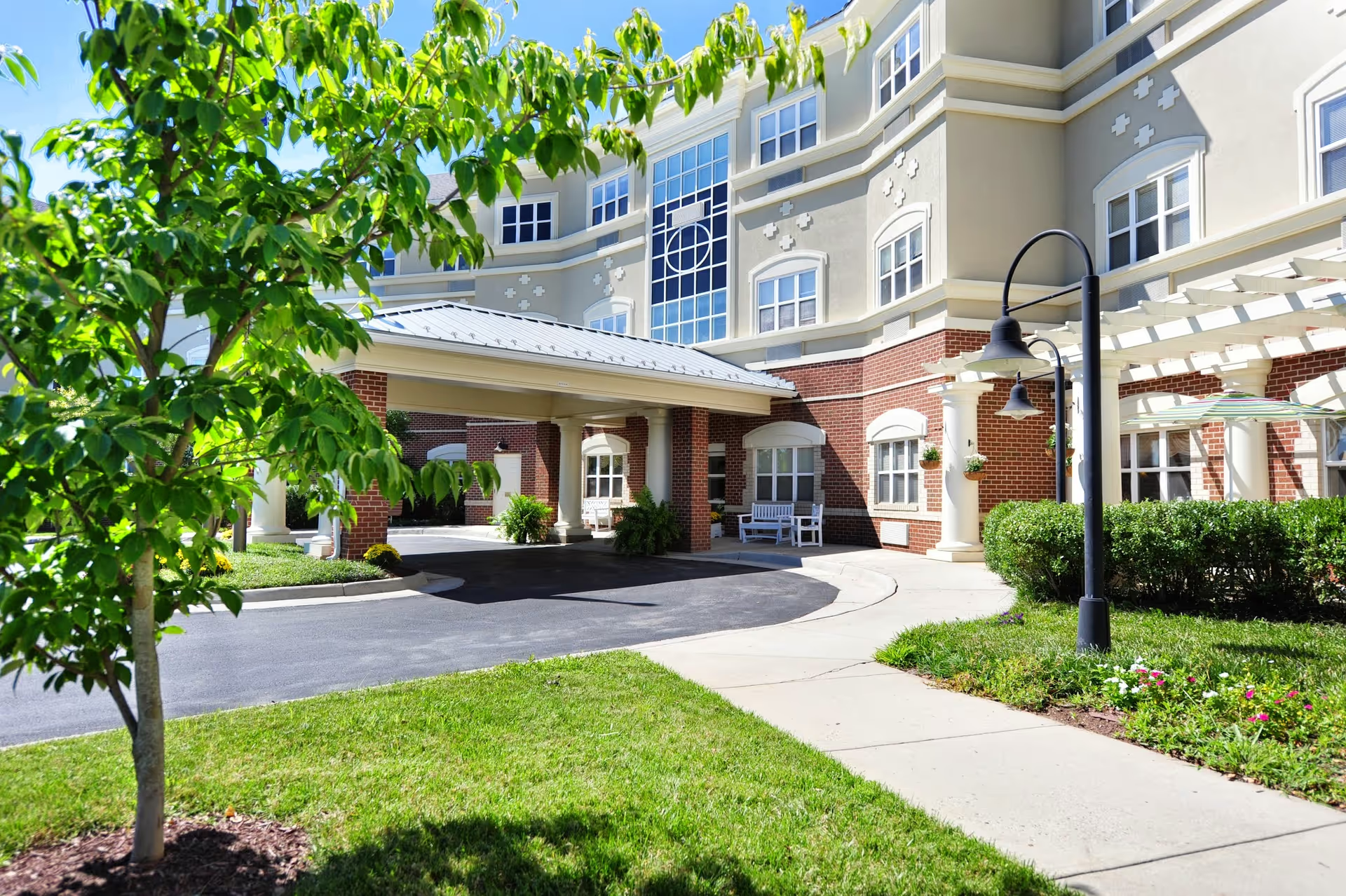
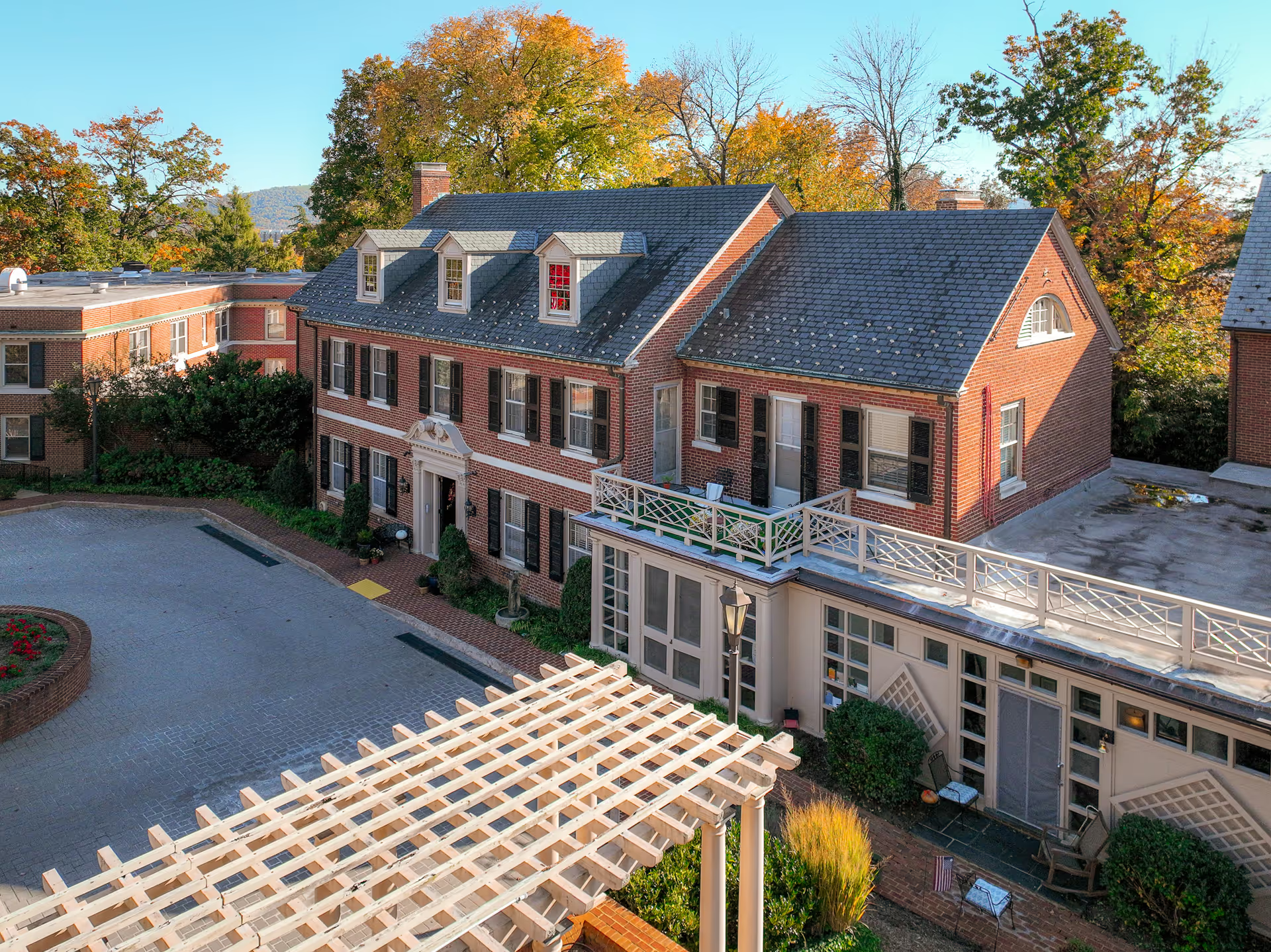
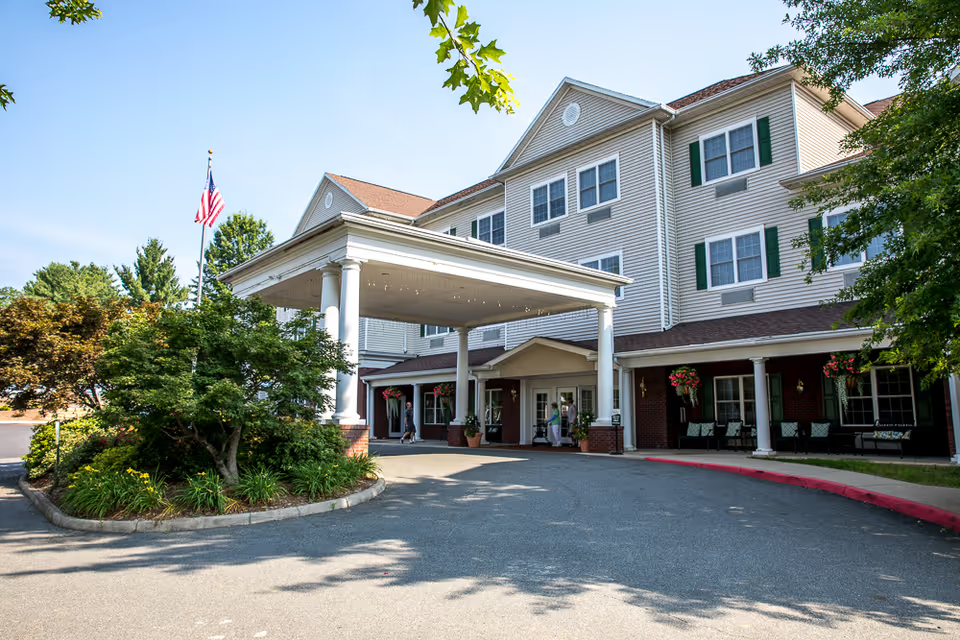
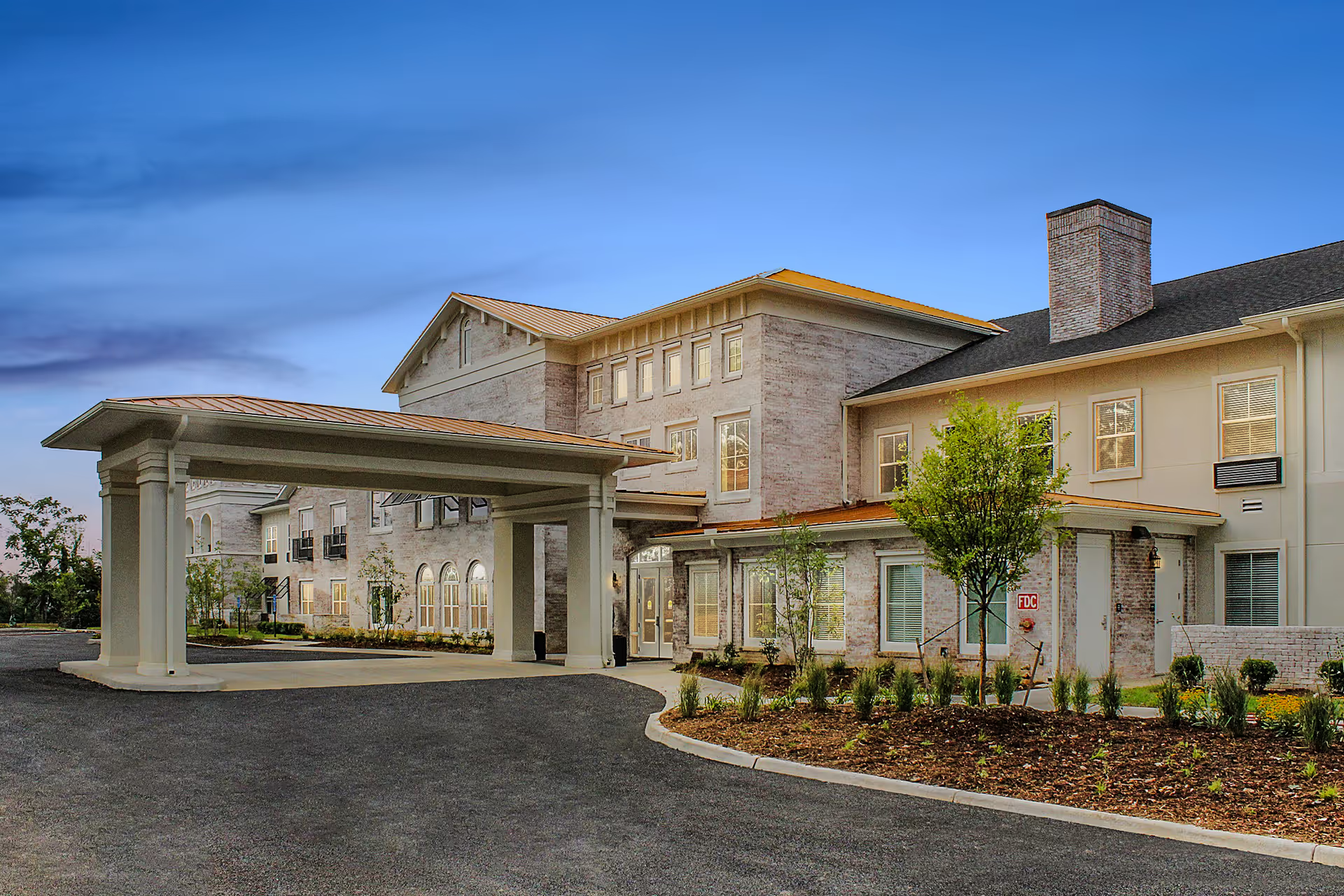
The Colonnades presents as a large, well-resourced senior living campus with several clear strengths: a visible clinical connection to the University of Virginia, on-site therapy and rehabilitation services, a broad continuum of care, and an expansive, landscaped 59-acre campus with walking trails and numerous indoor amenities. Reviewers frequently emphasize the warmth of staff and residents, describing a family-like atmosphere supported by an active calendar of musical, educational, and social programming. Independent-living options are diverse, including cottages and multi-size apartments, and transportation services and cultural outings are operational features that many families value.
Care and staff performance are described with mixed but often positive language. Many families and residents praise compassionate, attentive clinical, nursing, and therapy staff and highlight successful rehabilitation outcomes. At the same time, a recurring operational pattern is inconsistent staffing levels—particularly in assisted living and memory-care areas—which reviewers link to service delays and use of agency staff. There are isolated, serious complaints about lapses in standards of care and sanitation; while these appear not to be the norm across the campus, they merit investigation because they affect perceptions of clinical reliability in non-independent units.
Dining and food service are another area of mixed feedback. The facility offers flexible dining, open seating, a diverse menu, and several reviewers complimented particular dishes and a strong culinary team. Conversely, reviewers also describe variability in meal quality and occasional interruptions to regular table service related to kitchen or infrastructure events. Families should anticipate that the dining experience may fluctuate during renovations, kitchen transitions, or peak operational stress.
Activities and social life are clear strengths: a wide range of exercise classes, clubs (book club, bridge, play reading), concerts, lectures, and travel opportunities were repeatedly noted. The auditorium, library, bistro, and fitness spaces support a vibrant program. Outdoor amenities and well-marked walking paths further contribute to resident engagement and wellbeing.
Facilities are generally described as clean, attractive, and well maintained, including recent renovations to the auditorium and common areas. However, reviewers also document intermittent infrastructure issues—power outages, heating/hot water interruptions, plumbing problems, and accessibility limitations such as limited automatic exits and a pool with high-entry steps—that can affect resident comfort and safety when they occur. Prospective residents with mobility needs should verify accessibility details for particular units and common areas.
Management and administration receive both praise and criticism. Many reviewers cite visible, engaged leadership, responsive admissions support, and effective coordination with medical resources. At the same time, patterns of concern include billing disputes, perceived uneven responsiveness from administration during care transitions, and the operational impact of staff turnover. Cost is another consistent theme: pricing is described as high by some families, although several reviewers felt the services provided justified the expense.
In summary, The Colonnades is a large, amenity-rich community with strong clinical affiliations, robust programming, and a warm resident culture. These strengths are tempered by operational challenges that primarily relate to staffing consistency, occasional infrastructure reliability, variability in dining and assisted-care quality, and pricing. Families considering The Colonnades should prioritize a site visit focused on the specific level of care needed (independent versus assisted/memory), inquire about current staffing patterns in the relevant unit, review accessibility for mobility needs, and obtain clear, written details about billing and emergency-service continuity before making a placement decision.