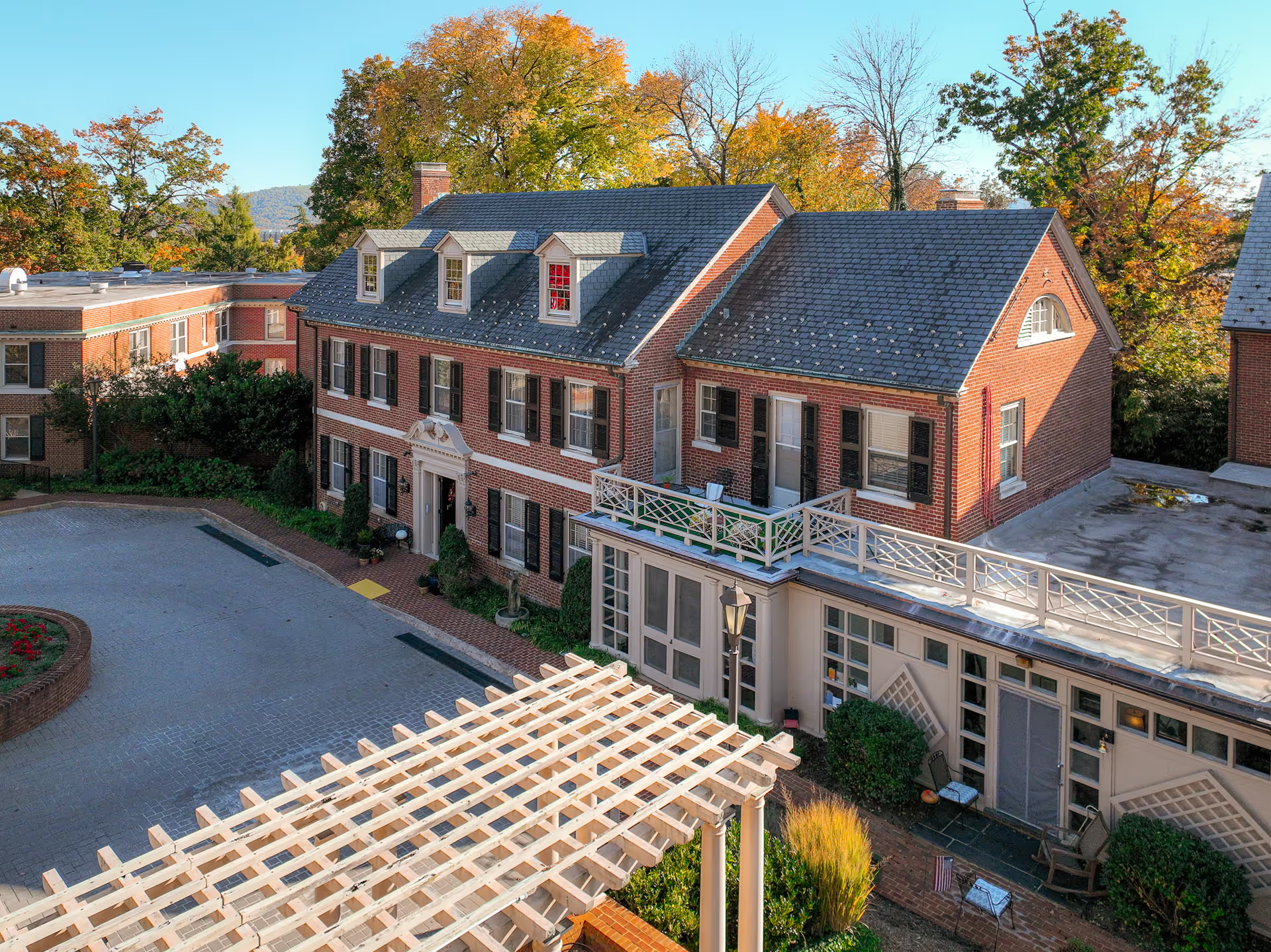
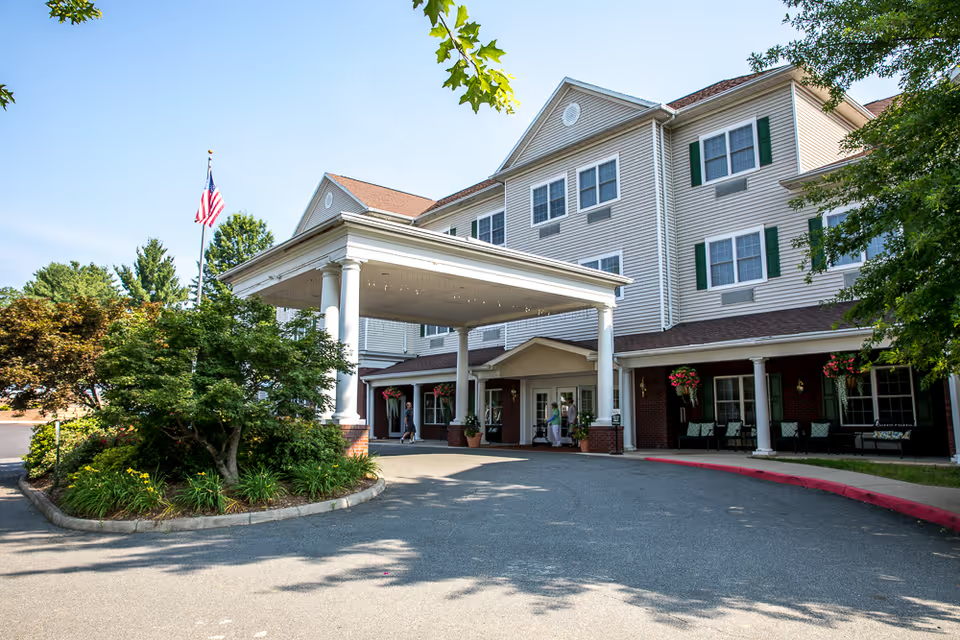
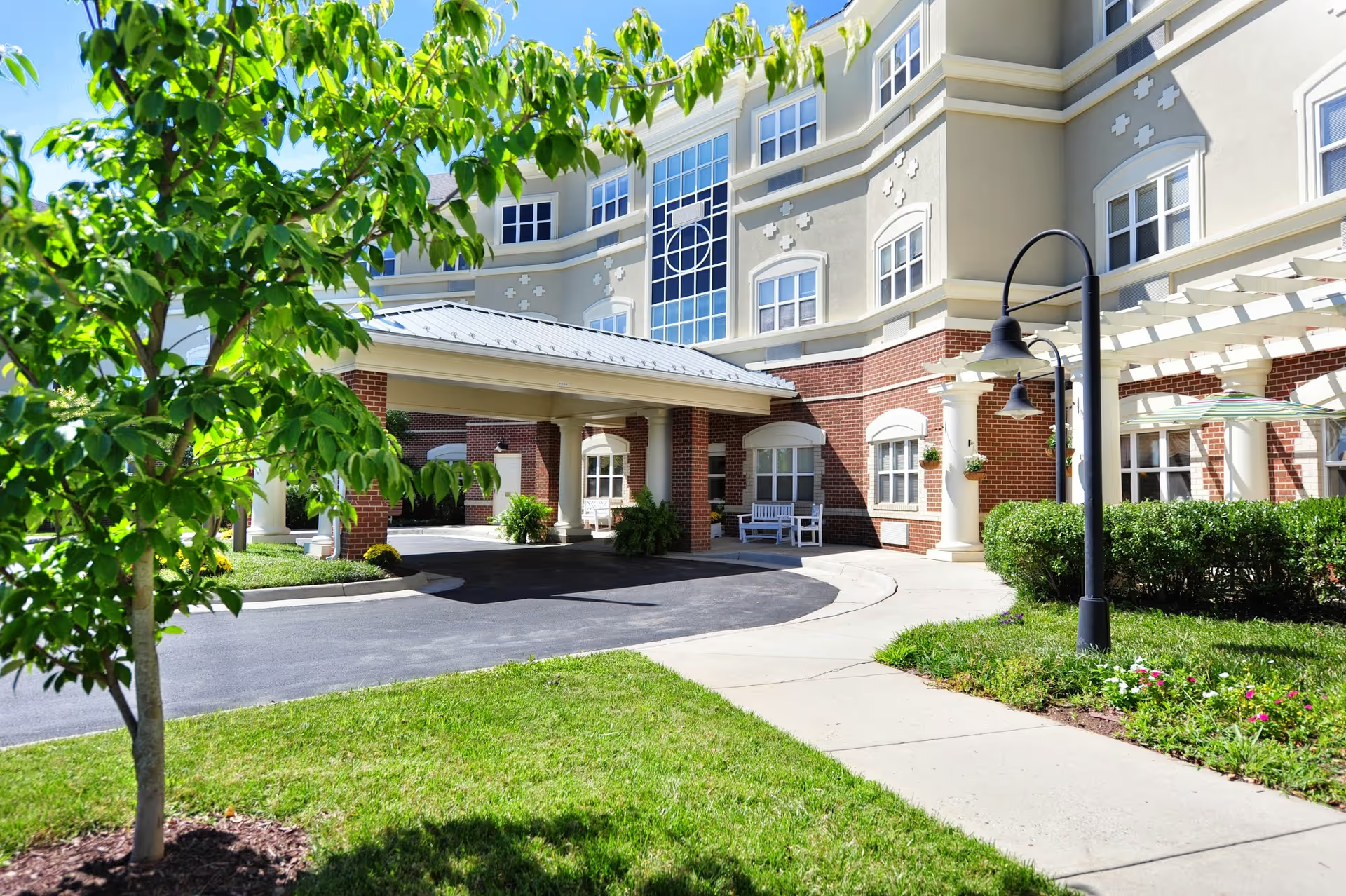
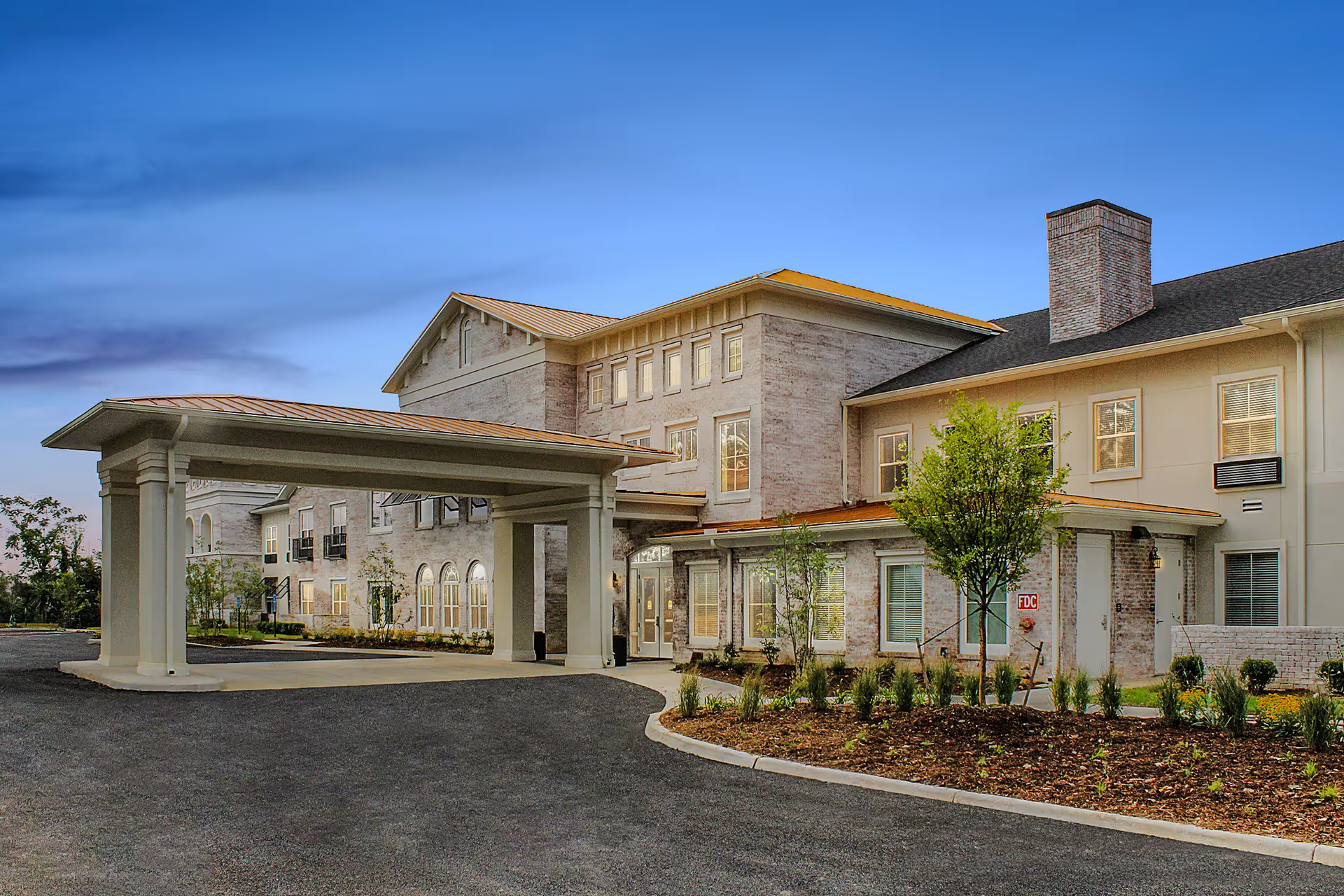
Overall impression: Reviews present a facility with many strengths in day‑to‑day caregiving and memory support alongside clear operational variabilities. Families and visitors frequently praise the caregiving staff for empathy, patience and person‑centered attention. The community projects a warm, home‑like atmosphere with inviting dining areas, multiple indoor and outdoor social spaces, and a schedule of activities and outings that support engagement. Several families also note on‑site clinical resources (physician, gerontologist, nurse practitioners), responsive housekeeping/maintenance, and practical supports such as VA medication coordination and hospice availability.
Care and staff: Clinical and hands‑on caregiving receives strong positive remarks for individualized attention, dementia competency, and proactive medical interventions when delivered. Leadership visibility — particularly an engaged executive director — and long‑tenured front‑line staff are cited as contributors to a family‑oriented culture. At the same time, reviewers identify operational inconsistencies: staffing levels and turnover appear to fluctuate, communication among care teams and with families is sometimes unclear, and there are instances of delays or gaps in personal‑care delivery (for example, inconsistent bathing schedules and missed rounds). Concerns about staff tone and professionalism in some interactions are noted alongside many accounts of respectful, compassionate treatment.
Dining and activities: Dining is commonly described as a highlight—pleasant menus, the ability to accommodate therapeutic textures and dietary restrictions, and a dining environment that contributes to the home‑like feel. Activities programming is robust, with frequent on‑site events, outings, and volunteer participation that many families find meaningful for resident engagement. These programmatic strengths are consistent with the facility’s emphasis on social connection and memory care programming.
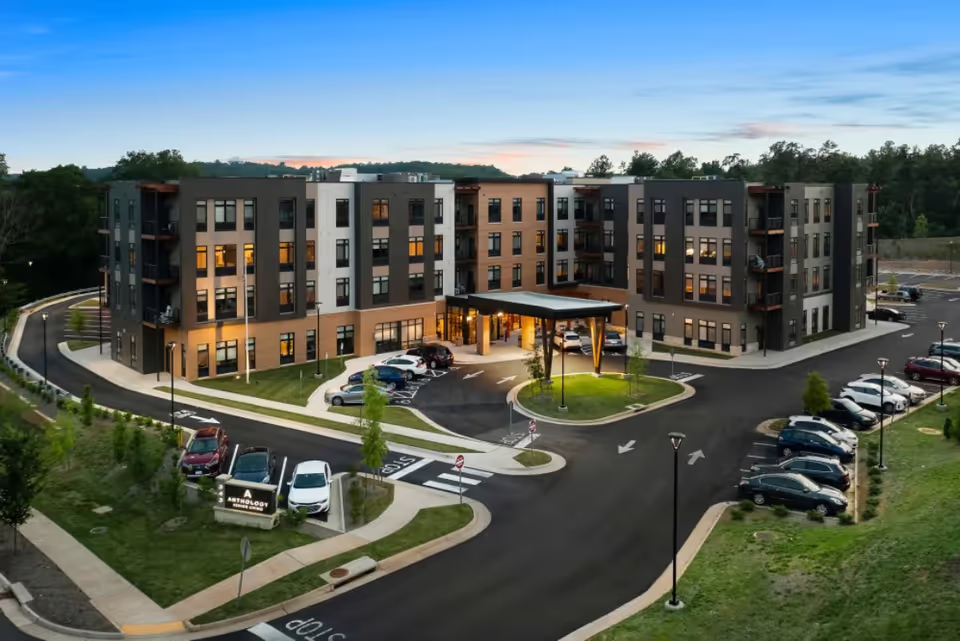
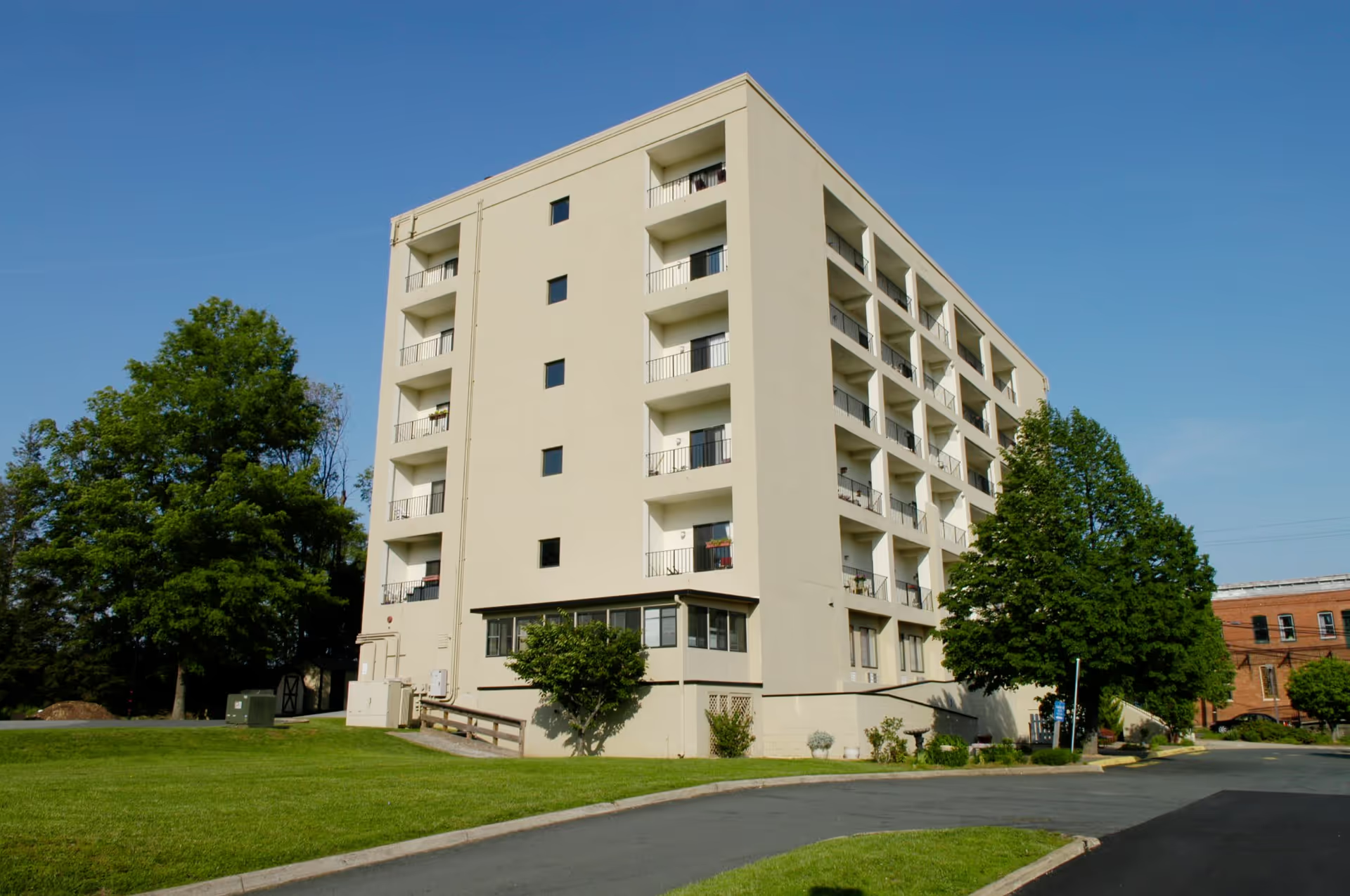
Facilities and operations: The physical plant elicits mixed reactions. Common areas and kitchen smells are often described positively, and basic cleanliness and maintenance are repeatedly praised. However, the building is characterized as older and in need of renovation in places; rooms can be dated, and private‑room availability is limited, with some configurations described as tight or shared. Reviewers also describe variability in memory‑unit atmosphere and access procedures for locked units; some families felt the environment there was less inviting. Operational issues such as property security gaps, contractor‑related damage, limited transportation/ancillary services, and occasional phone/accessibility problems in specific units are also raised.
Management and notable patterns: Many reviews commend engaged leadership and helpful admissions staff, while a subset raise serious operational and administrative concerns. These include inconsistent communication about placement and transfers (including instances where residents were moved between units), questions about oversight of staff and contractors, and isolated but significant allegations relating to financial and privacy practices. Such claims are serious in nature and suggest prospective families should seek clarity on admissions contracts, fund handling, and privacy protections. There is a clear pattern of variability — families report both examples of outstanding, reassuring care and instances of concerning lapses.
What prospective families should consider: The Heritage Inn appears to offer strong dementia care, attentive direct care staff, and a home‑like environment with active programming and on‑site clinical support. At the same time, operational variability around staffing, communication, room configurations, and administrative practices has been reported. Visitors considering placement should tour both assisted living and memory‑care units, ask about staffing ratios and turnover, review transfer/placement policies and contract terms for prepaid funds, confirm medication‑management and clinical response protocols, inspect room layouts for privacy, and inquire about contractor oversight and family communication procedures. These targeted questions can help align expectations with the facility’s operational realities.