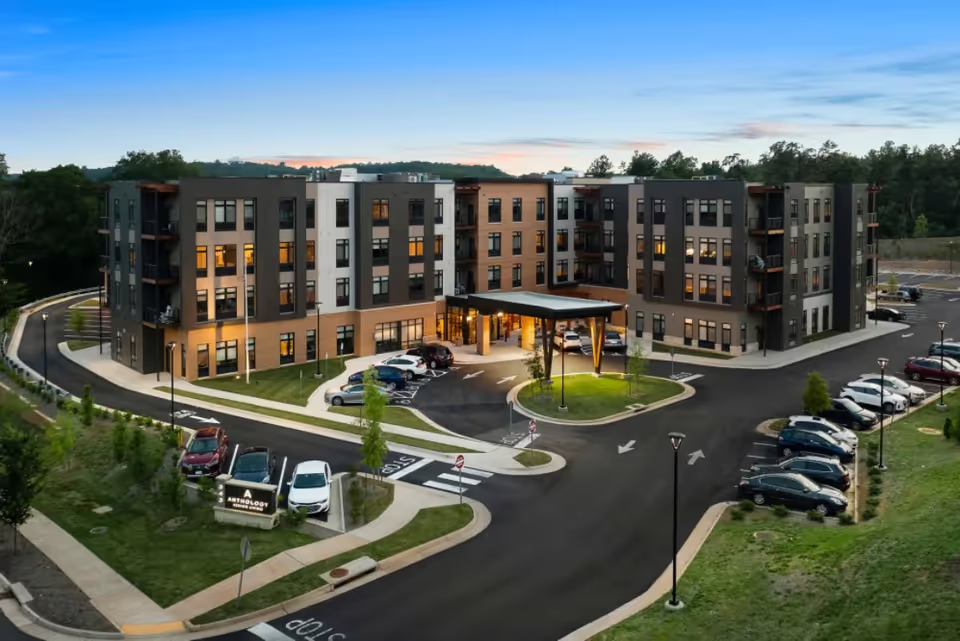
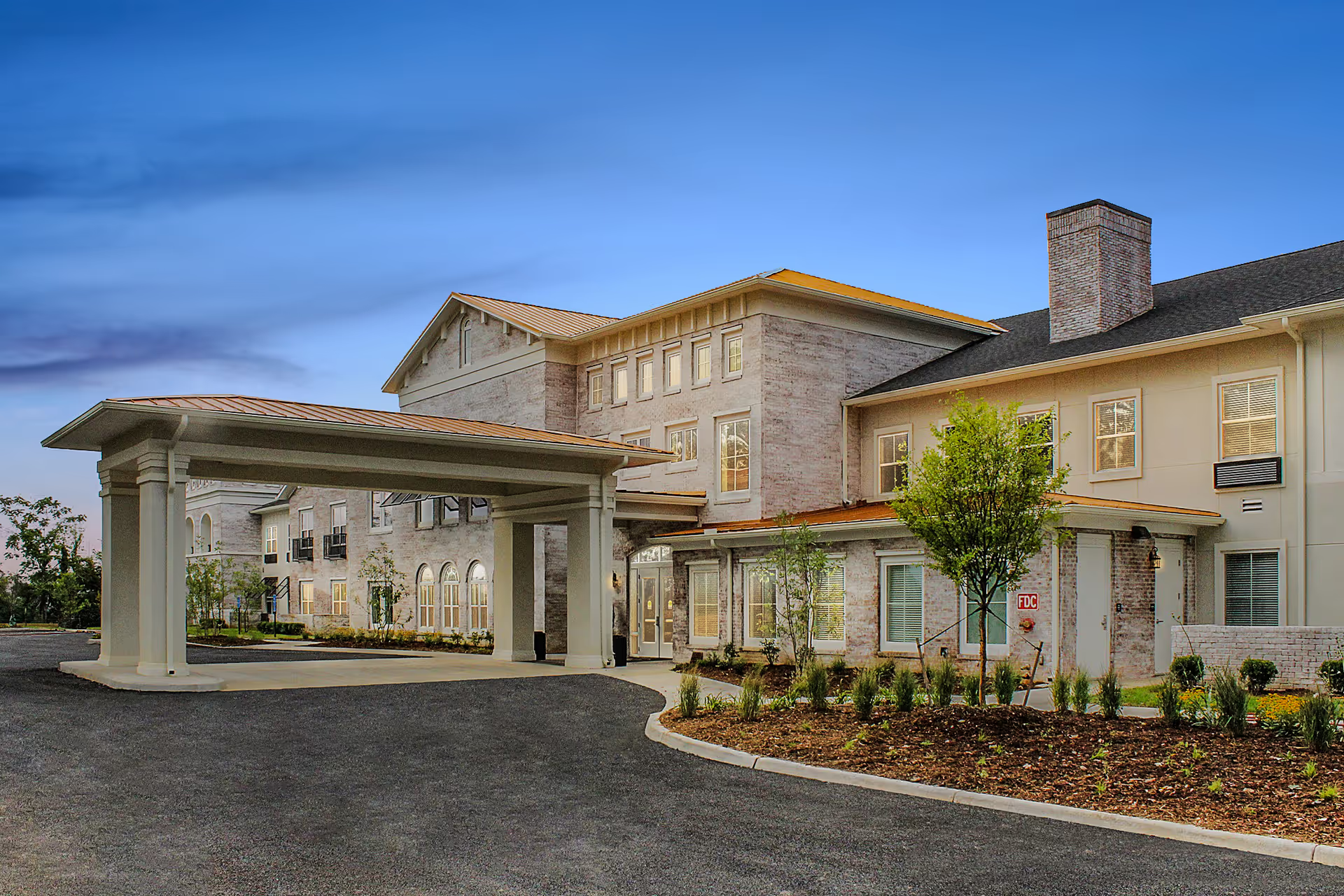
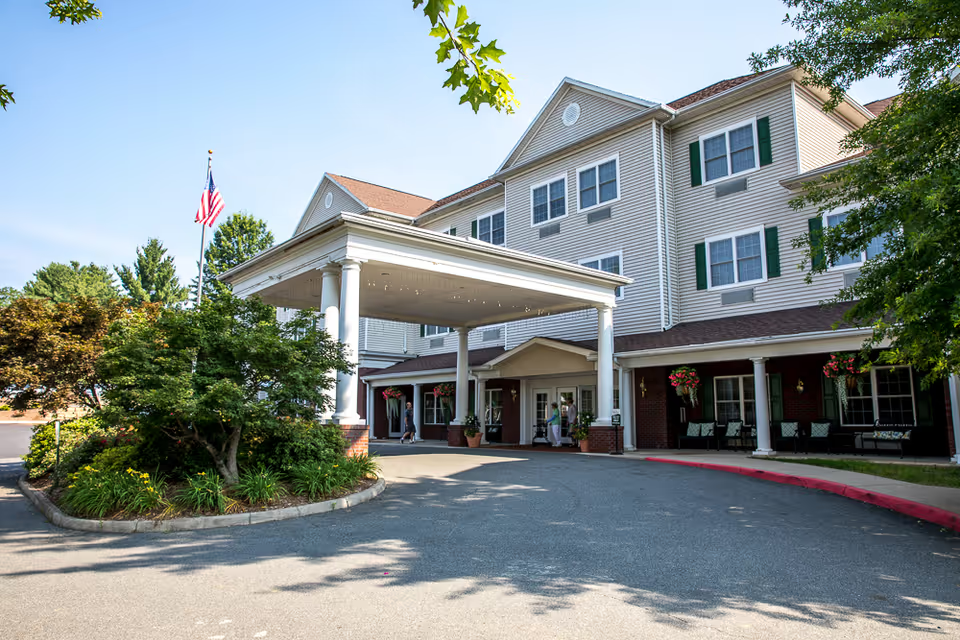
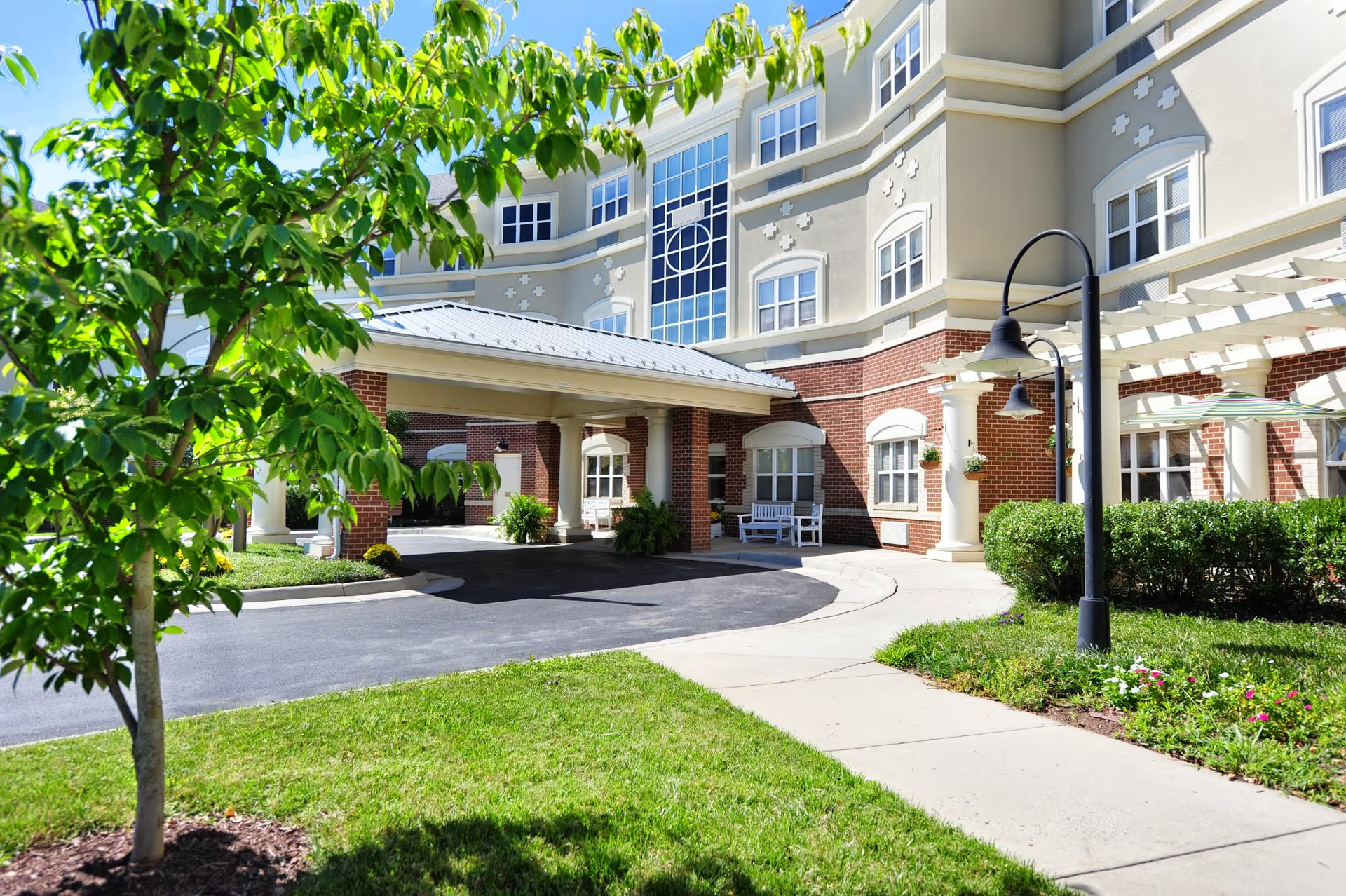
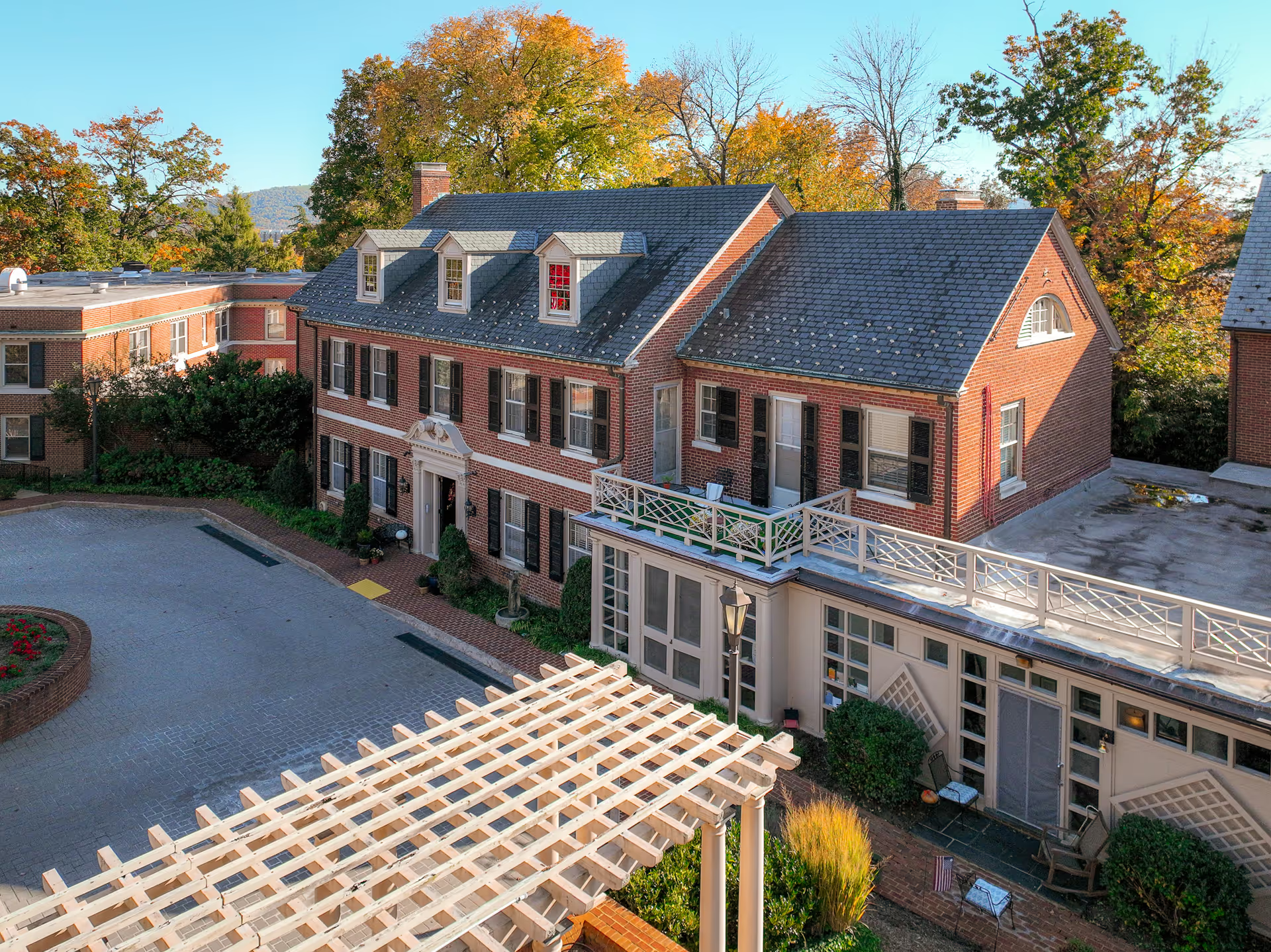
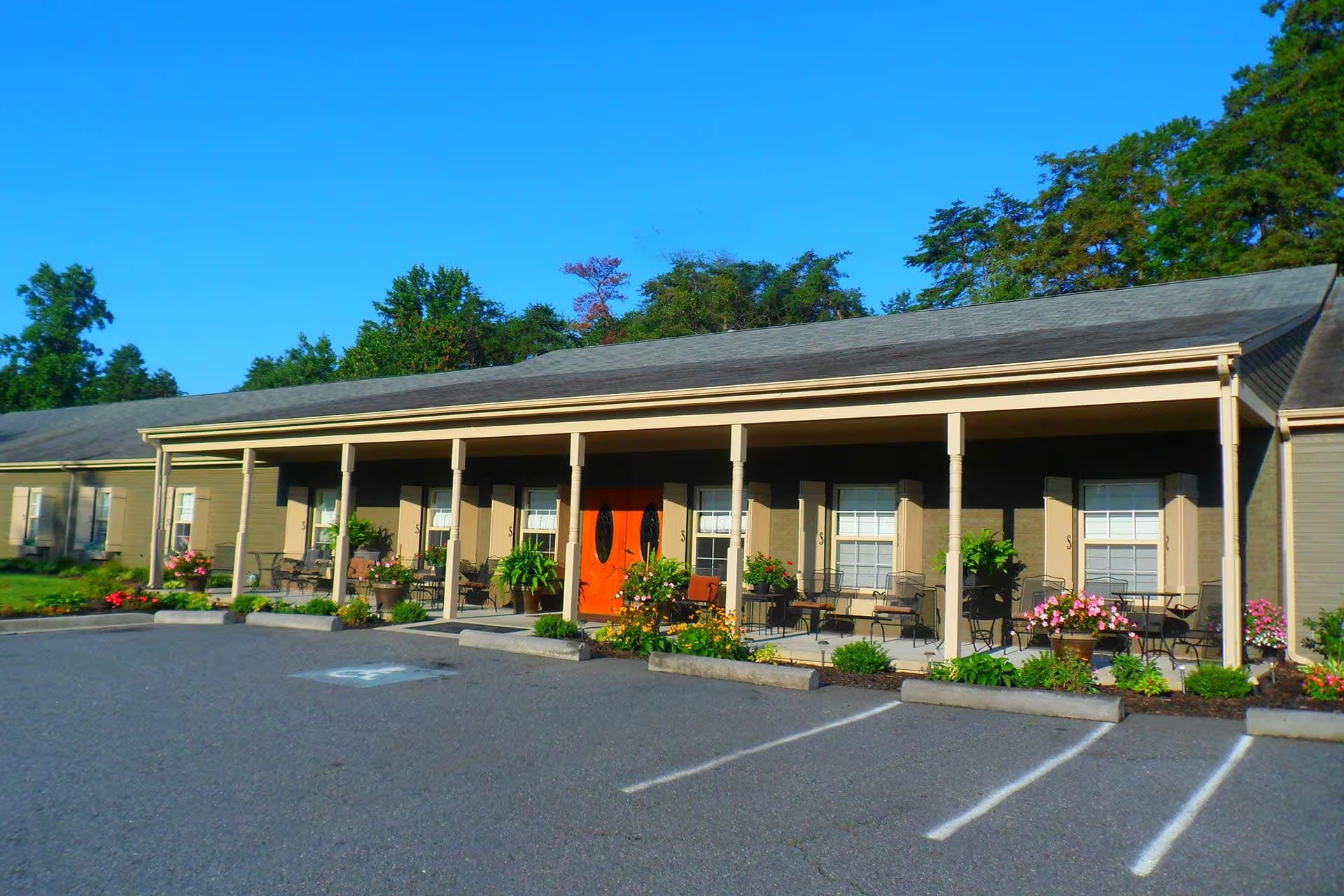
RoseWood Village Assisted Living and Memory Care — Hollymead receives a high volume of mixed feedback. Many families and residents describe a warm, attractive environment with attentive caregivers, strong end-of-life support, and a suite of amenities (pool, salon, gym, library, courtyard) that contribute to a resort-like feel. Admissions and concierge staff are frequently praised for being helpful and communicative, and several reviews highlight personalized care planning, accommodating staff (including pet accommodations), and effective rehabilitation and therapy services.
At the level of direct care, positive accounts emphasize compassionate bedside manner, responsive nursing/CNA teams, and notable examples of staff going above and beyond during transitions and end-of-life situations. The memory-care unit is often described as secure with individualized programming, and many residents benefit from a robust activities calendar and social opportunities that support engagement and community participation.
However, there are recurring operational concerns that prospective families should evaluate closely. Staffing inconsistency and high turnover are common themes; reviewers associate these patterns with variability in daily care, missed or delayed assistance, and uneven follow-through on documented care plans. Several accounts point to gaps in clinical coordination — including medication-administration practices, documentation issues, and delays in responding to alarms or changes in condition — which have contributed to family dissatisfaction and heightened safety concerns. Reviews also indicate sanitation and incontinence-care inconsistencies in some situations.
Dining and programmatic offerings receive mixed feedback. Many residents enjoy the dining rooms, holiday decorations, and special menus; others describe temperature and quality issues or limited meal variety. Activity programming is generally robust at the community level but appears to vary by unit and by staff availability; some families report that residents in certain units receive far fewer structured engagement opportunities.
Management and administrative practices are another area of contrast. Several reviews applaud visible, caring executive directors and accessible management teams who communicate proactively. Conversely, there are persistent comments about leadership responsiveness, conflict-resolution shortcomings, and financial transparency problems such as delayed refunds or billing disputes. A limited number of accounts describe escalations that required external intervention; these appear atypical but underscore the importance of asking about incident-reporting procedures and escalation protocols.
For prospective residents and families: verify current staffing ratios, turnover data, and administrative policies during a tour; request examples of how care plans are updated and audited; ask for specifics on medication-safety procedures, fall-prevention protocols, housekeeping standards, and how the community handled recent infection-control events. Also review contractual and billing terms carefully, and ask about hospice coordination and typical end-of-life procedures.
In summary, RoseWood Village presents many of the attributes families seek — an attractive, activity-rich campus with compassionate caregivers and solid therapy services — but also shows patterns of operational inconsistency in staffing, clinical coordination, sanitation practices, and administrative follow-through that warrant direct inquiry and monitoring. Those considering placement should weigh the community’s strengths against these operational risks and seek concrete assurances about staffing, care-plan adherence, and financial transparency before committing.