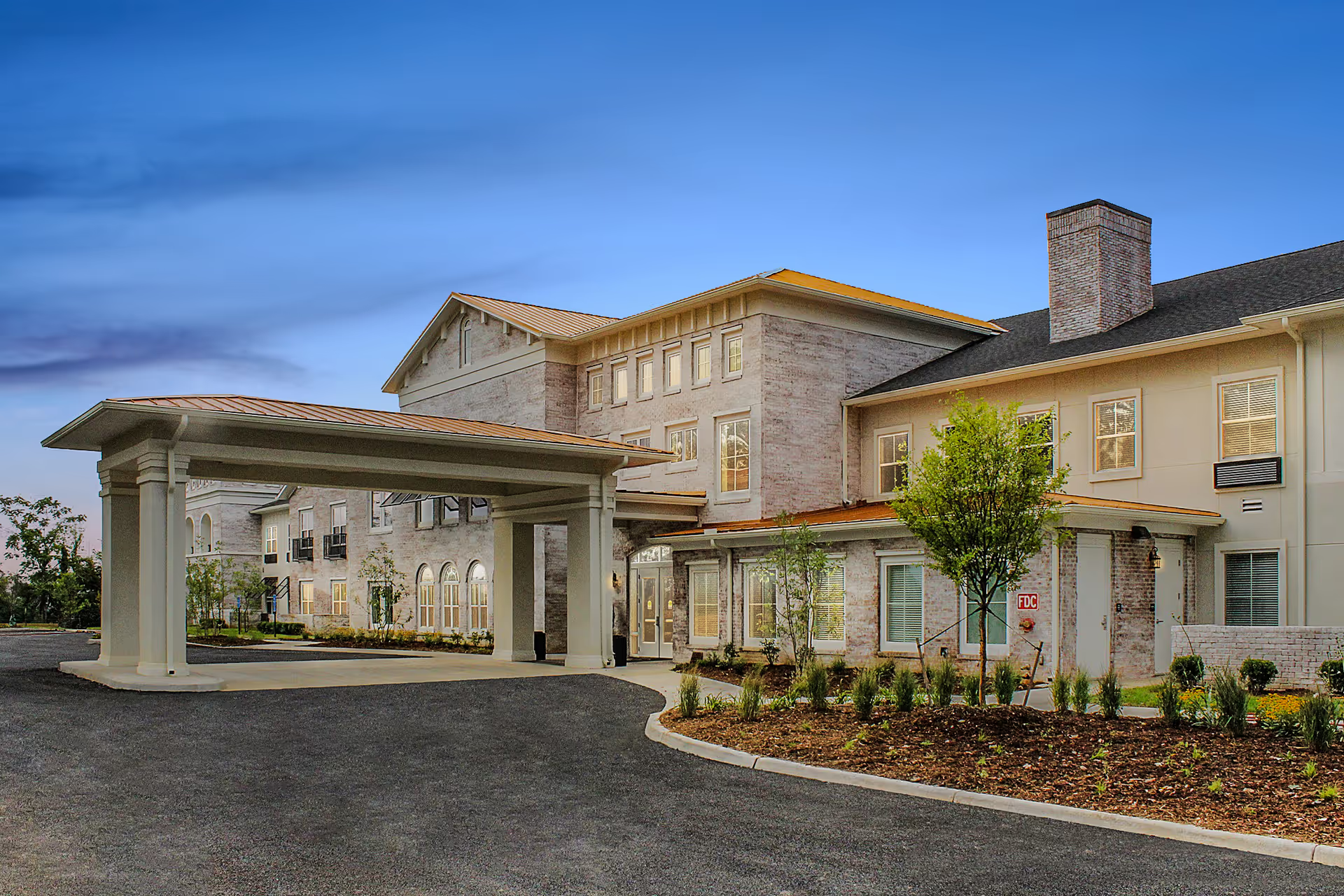
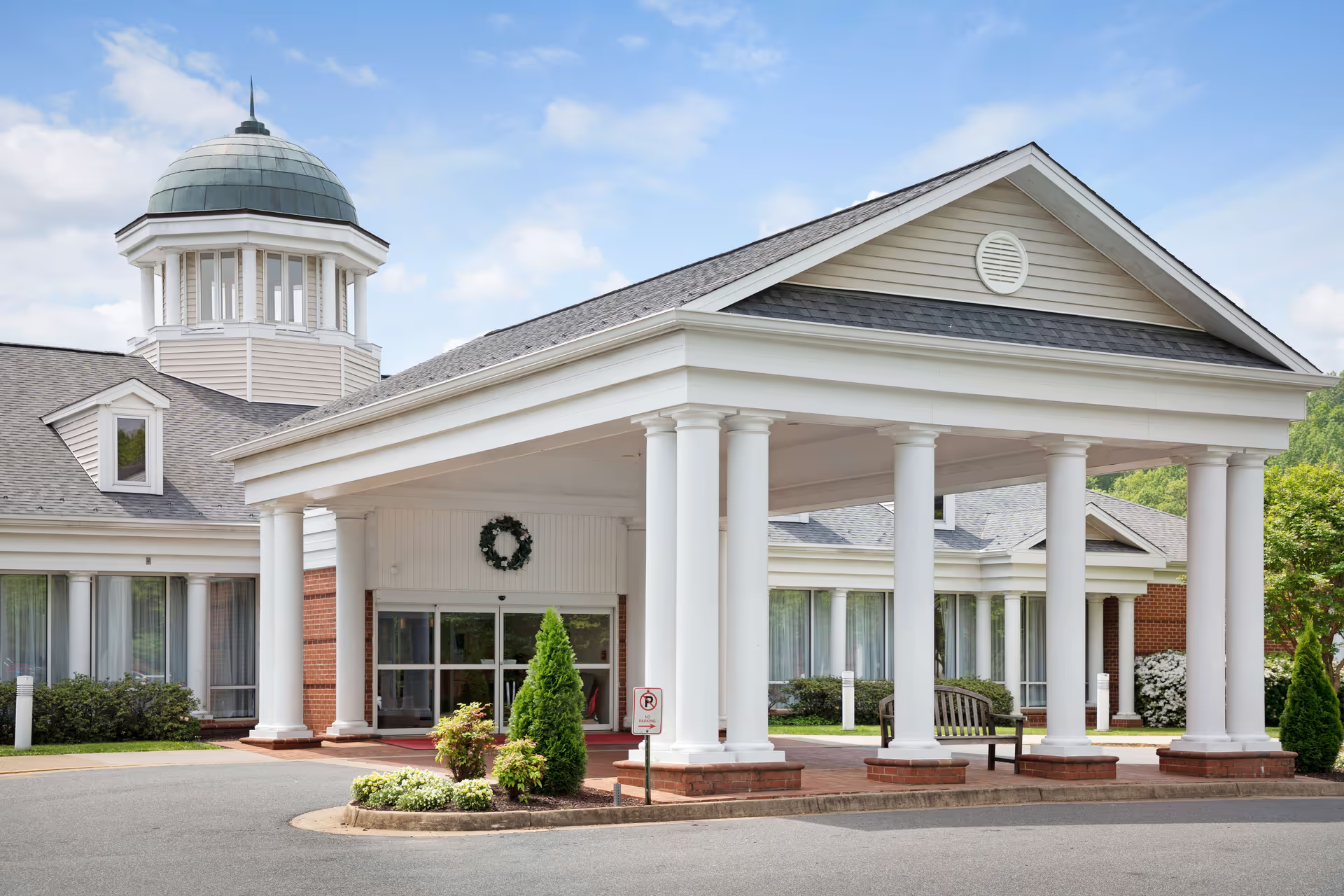
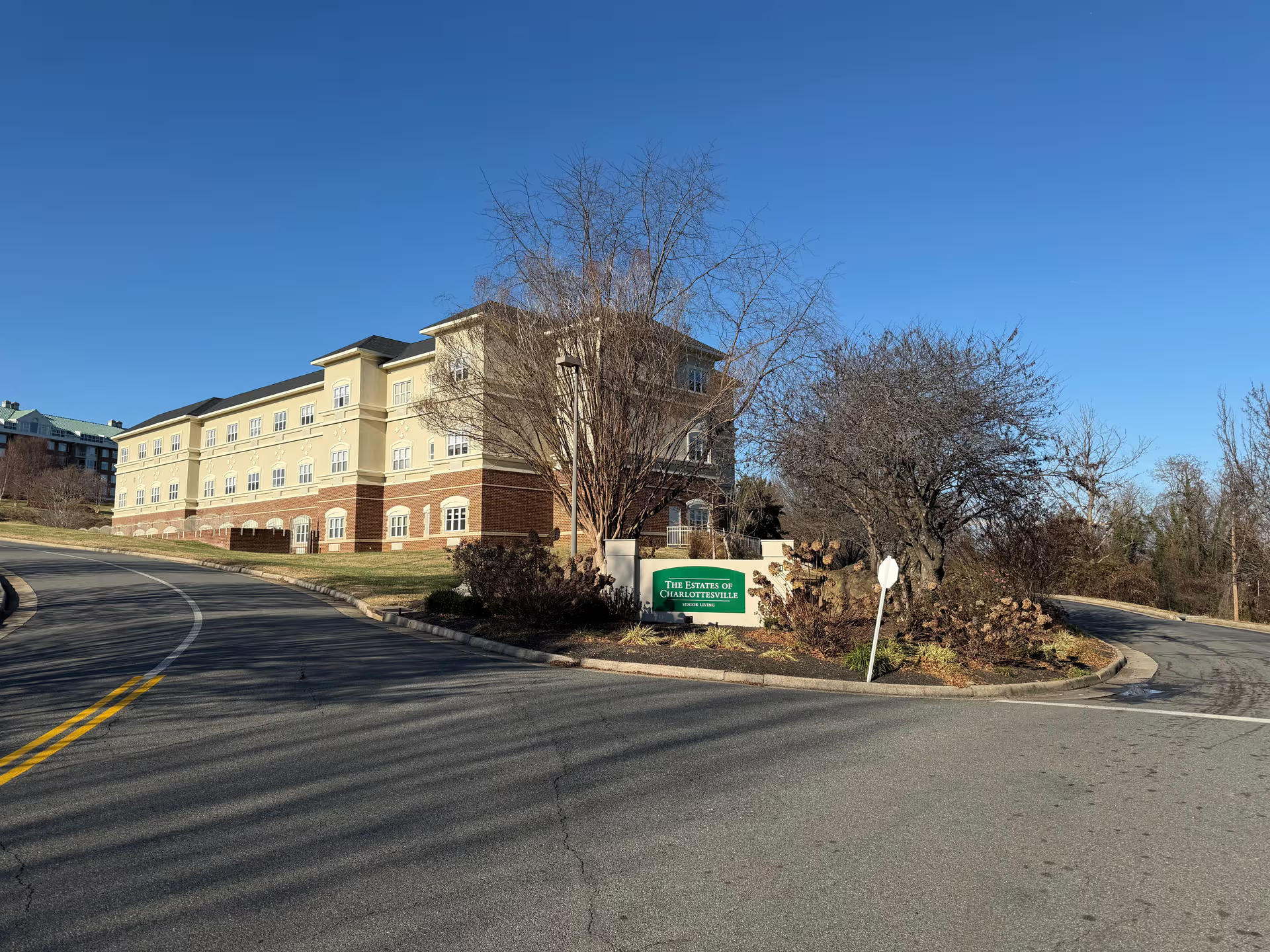
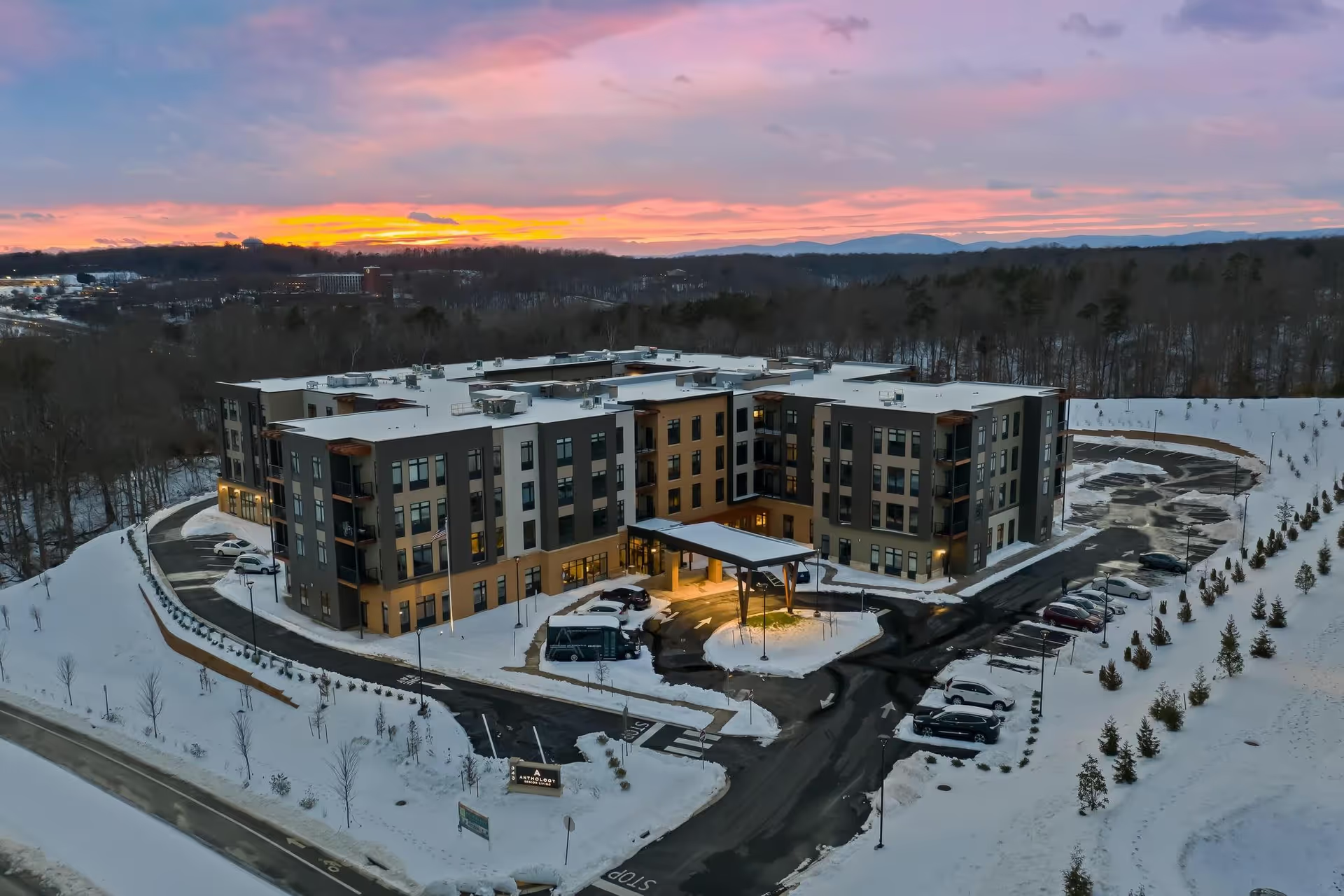
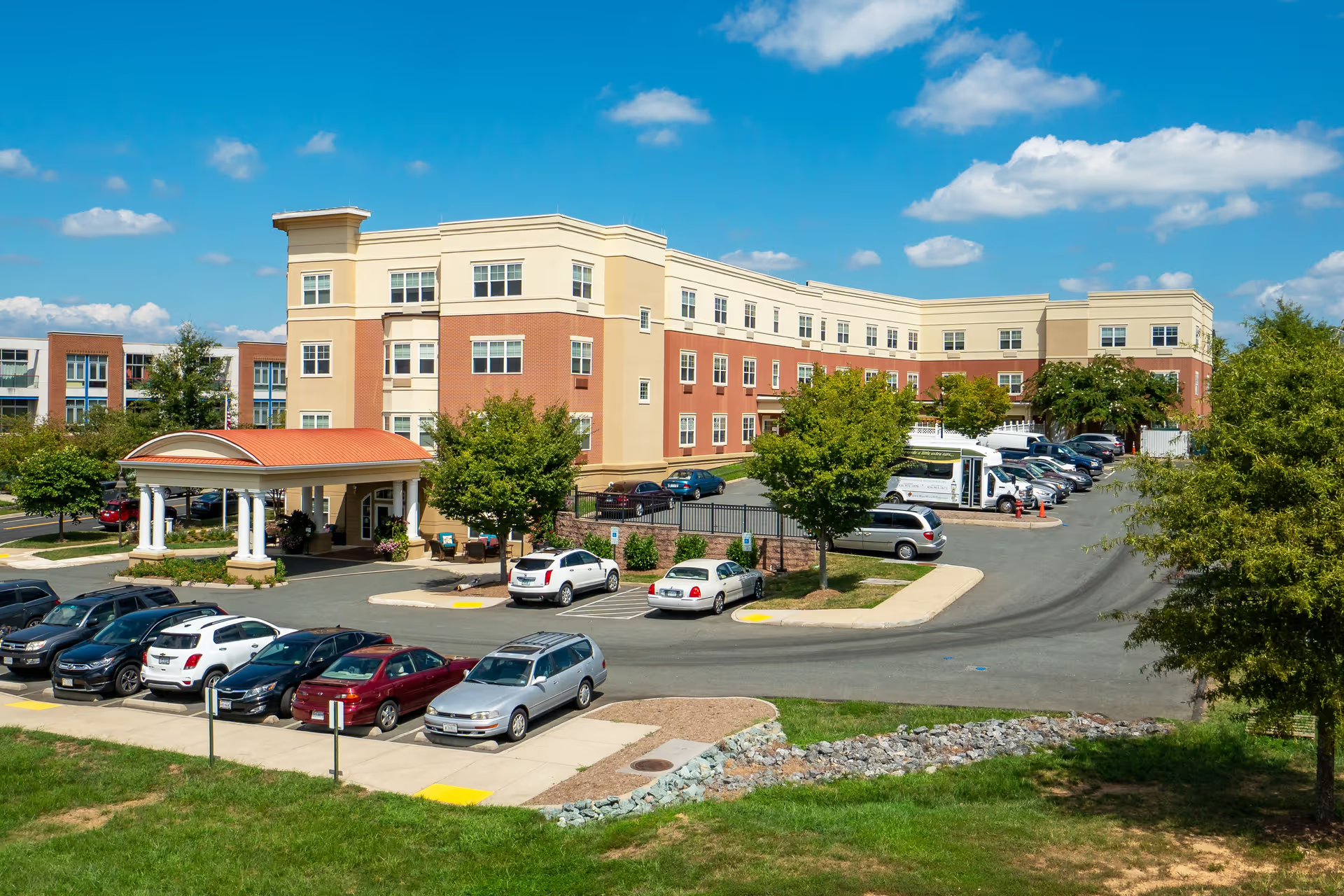
RoseWood Village - Greenbrier presents as a well-maintained, family-owned assisted living and memory-care community with several operational strengths and some recurring operational shortcomings to consider. Across reviews families and residents frequently highlight the facility's warm, family-like culture and a caregiving staff described as compassionate and attentive. Clinical supports such as 24/7 nursing presence, wellness checks, on-site rehabilitation (PT/OT), and regular specialty visits (e.g., podiatry) are commonly noted as positive contributors to resident care. The community offers multiple levels of non-skilled care (assisted living, memory care, respite, and short-term rehab), secure memory-care neighborhoods with separate dining, and a range of apartment types that include kitchenette features for a homelike environment.
Dining and activities are prominent strengths for many families. Numerous accounts praise the dining experience, holiday and social events, and a broad activity calendar that includes music, exercise groups, outings, games, and small-group programming. The facility's physical environment — bright public areas, seasonal décor, outdoor courtyards, gardens, and patio spaces — is frequently described as attractive and well maintained. On-site amenities such as a salon and therapy-specific features (including a therapy pool/jacuzzi in some descriptions) add to the resident-centered offering. The community has also received local recognition for quality, and reviewers often noted responsive admissions staff and a generally smooth move-in process when it was managed well.
Notwithstanding these strengths, several operational patterns recur in the feedback and should be weighed by prospective families. Communication and clinical coordination between the facility, families, and external physicians are sometimes inconsistent; this includes concerns about how medication adjustments are handled and how families are informed about clinical decisions. Relatedly, a subset of reviewers described difficult interactions around admissions, refunds, and readmission decisions, suggesting that contract and occupancy policies can be experienced as rigid or sales-oriented. The facility does not provide skilled nursing, so residents requiring that level of care must transition elsewhere; this structural limitation is important for those anticipating increasing clinical needs.
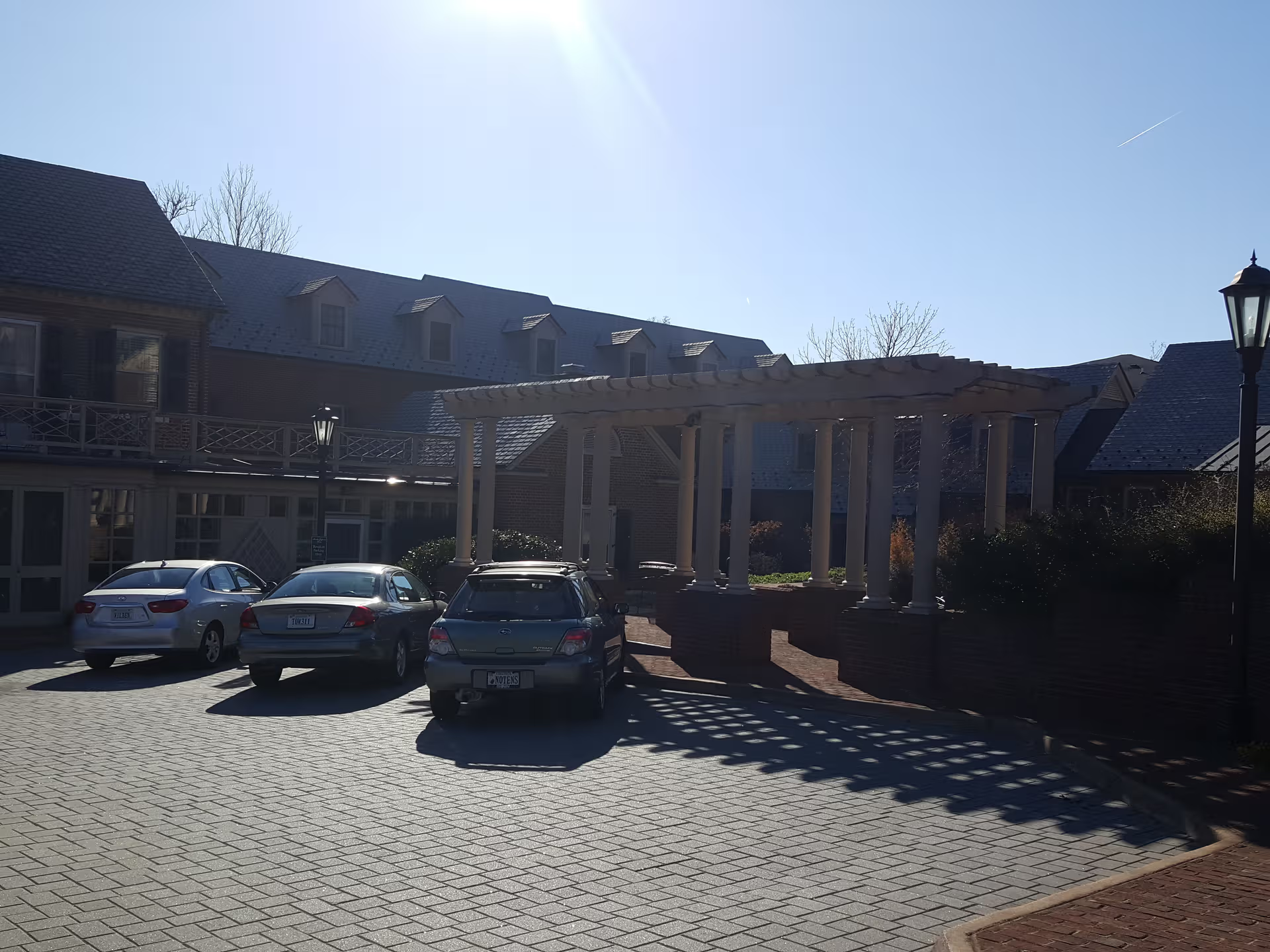
Other recurring practical issues include occasional staffing constraints during periods of high demand, variability in dining quality and portion sizes across stays, smaller floor plans in some unit types, and limited visitor parking. A few reviewers raised serious individual concerns about care practices in the memory-care area; such claims are outside the usual pattern of operational feedback but are serious enough that they warrant direct inquiry with administration and review of facility policies and oversight. Lastly, availability can be constrained at times, with waitlists and deposits reported for some unit types.
In sum, RoseWood Village - Greenbrier appears to offer a family-focused, activity-rich environment with strong day-to-day caregiving, robust therapy services, and attractive communal spaces. Prospective residents and families should verify clinical policies (especially medication-management and readmission/refund terms), confirm availability of desired unit types, and ask for specific documentation about memory-care programming and safety protocols to ensure the community matches the resident's current and anticipated needs.