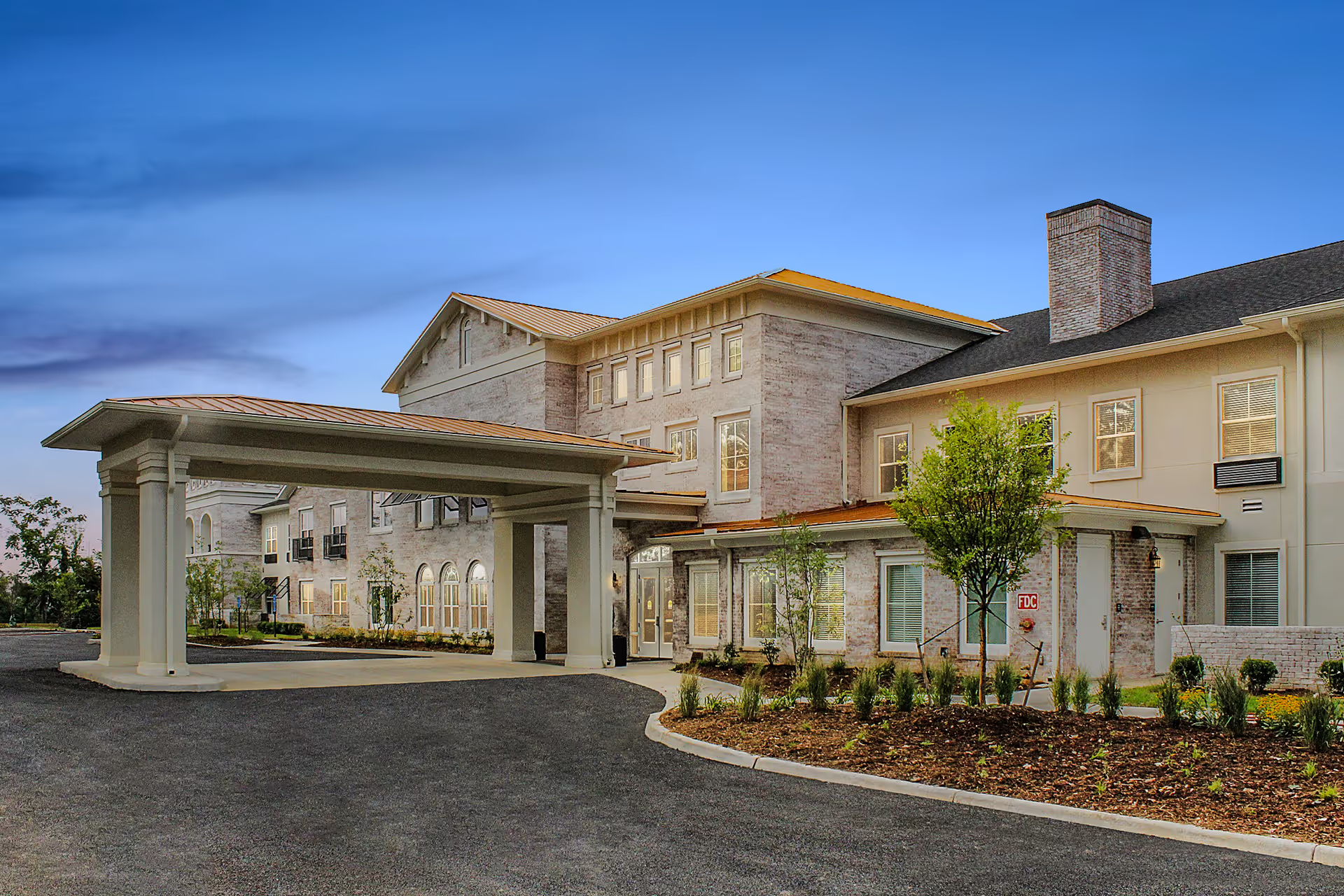
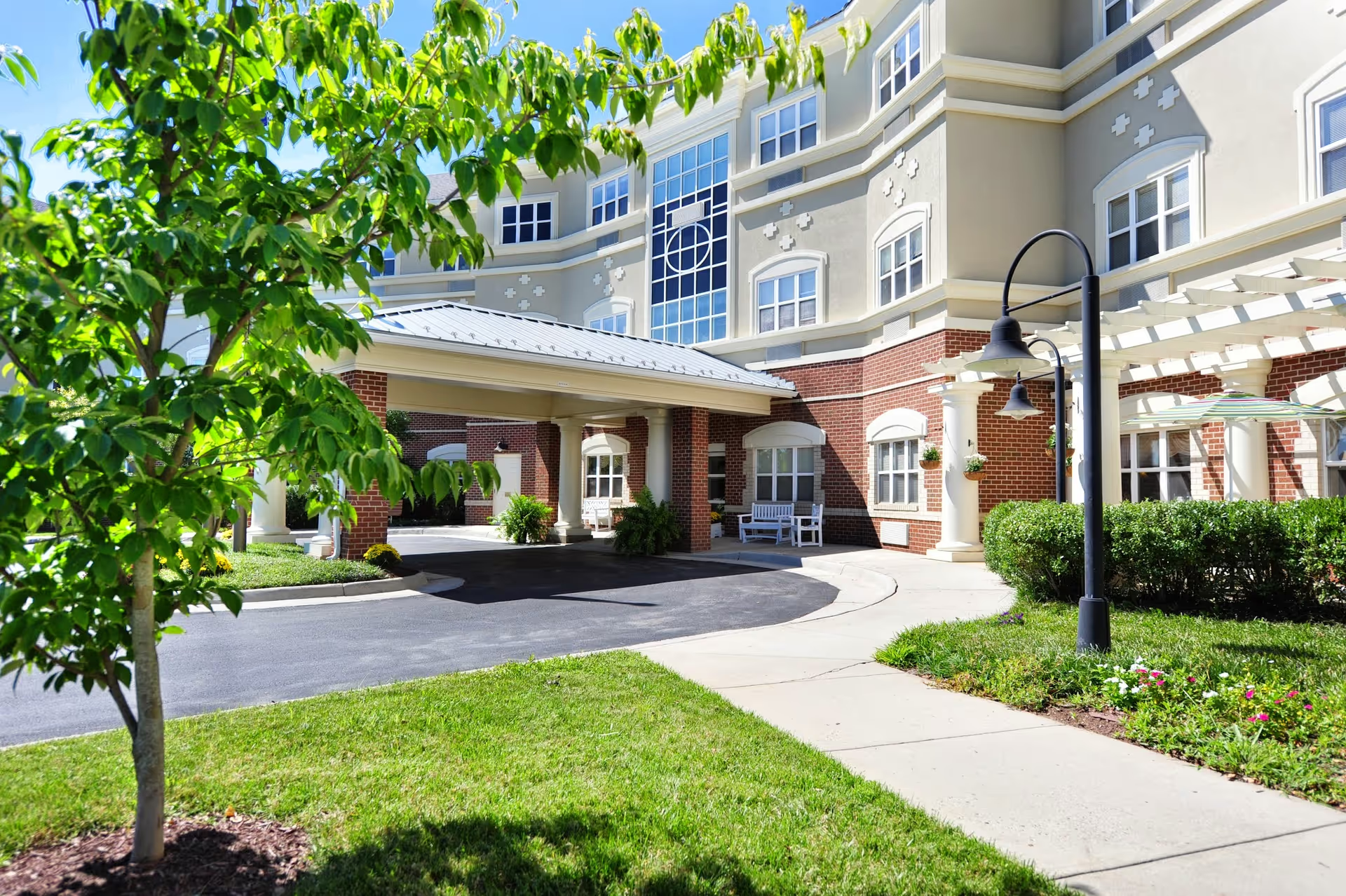
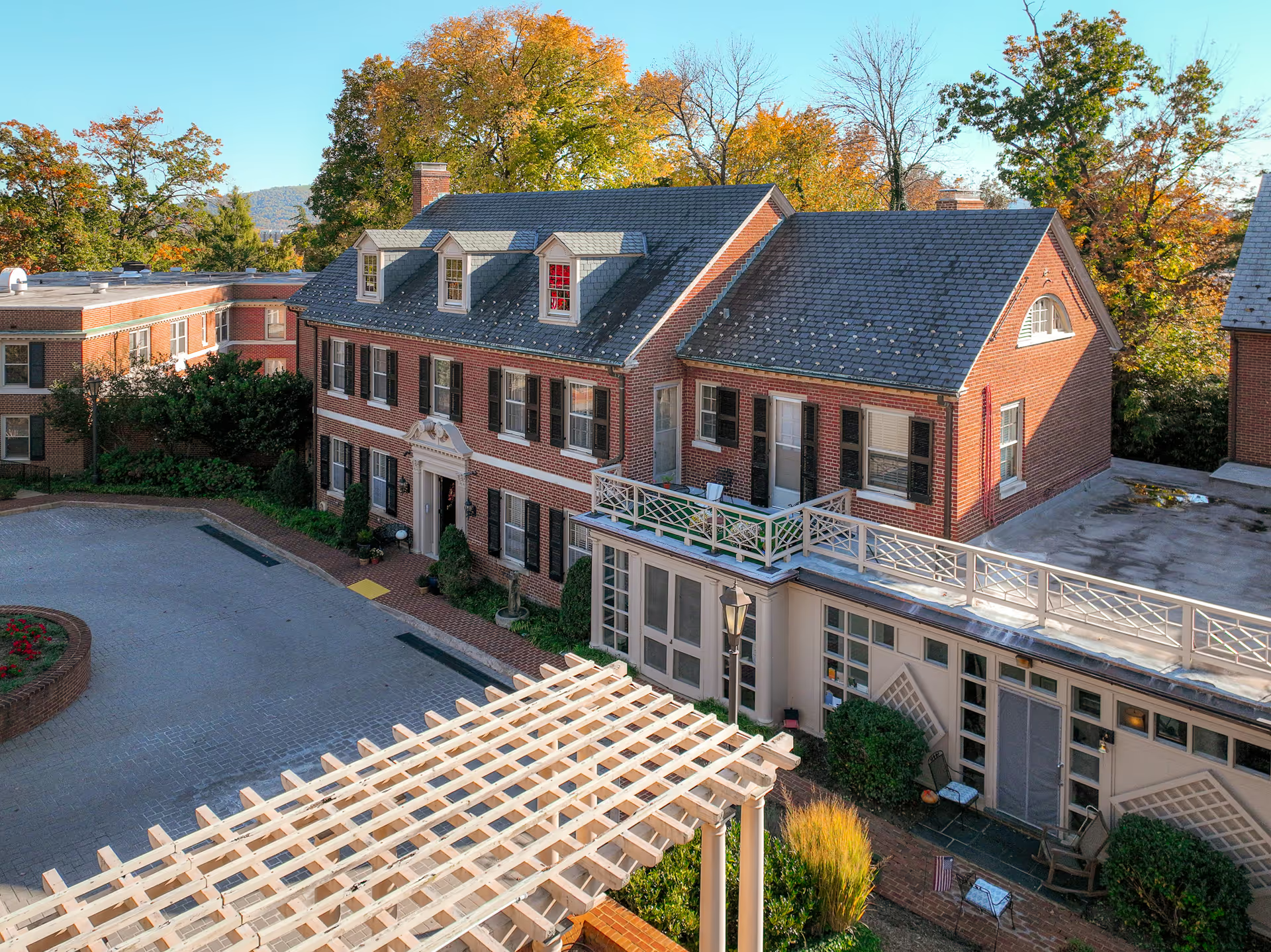
The Barclay at Charlottesville presents as a contemporary, upscale senior community with strong amenities and an active social program. Many accounts describe a bright, hotel-like facility with extensive shared spaces — courtyards, lounges, a saltwater pool, salon, theater, and on-site physical and occupational therapy — that support social interaction and rehabilitation. The community’s activity offerings are broad and include off-site outings, live music, group exercises, and pet-therapy visits; memory-care programming is frequently described as engaging when led by designated activity staff.
Clinical and caregiving staff receive consistent praise for warmth and compassion. Front-desk and concierge personnel are often highlighted as welcoming, and several caregivers and nurses are singled out for dedicated service. On-site therapy and rehabilitation services are a clear strength for residents requiring PT/OT. At the same time, there are recurring concerns about staffing levels and responsiveness: families and visitors note slower call-bell responses, weekend coverage challenges, and variability in nursing responsiveness. These operational staffing issues appear to contribute to uneven clinical follow-up and care continuity in some cases.
Dining experiences are mixed. The community offers a chef-driven, customizable bistro and flexible dining hours that several residents enjoy; some describe fresh, appealing menu choices and special events such as piano bars and themed offerings. Conversely, multiple accounts point to inconsistent meal quality in the main dining room, slow table service, limited menu rotation in certain venues, and portion or temperature issues. Dining service continuity appears tied to staffing and kitchen workflow.
Housekeeping and maintenance surface as repeated operational weaknesses. While common areas are frequently described as clean and well-maintained, apartment cleaning schedules and responsiveness to maintenance tickets are inconsistent. Several reviewers describe long turnaround times for repairs and nonfunctional amenities (for example pool or simulator availability at times), and periodic building-systems reliability issues such as elevator and door-sensor faults have been reported, suggesting opportunities to strengthen preventive maintenance protocols.
Management, communication, and administrative processes show a pattern of mixed performance. Positive experiences include helpful tour staff, engaged activity leadership, and instances of responsive executives who drive improvements. However, families also describe uneven communication from leadership and back-office staff, difficulties reaching nursing or management by phone, billing or refund processing errors, and concerns about how marketing and sales representations align with day-to-day service delivery. There are also strong statements alleging misleading sales practices; these are significant and warrant direct clarification from community leadership during a tour or contract review.
Overall, prospective residents and families evaluating The Barclay should weigh its high-quality physical environment, robust activity schedule, on-site therapy, and many compassionate caregivers against operational inconsistencies that affect everyday living: variable housekeeping, staffing shortages, fluctuating dining service, and intermittent maintenance or communication lapses. For families prioritizing amenities, active programming, and a hotel-like setting, the community may offer strong benefits; for those prioritizing consistent clinical oversight, housekeeping reliability, and administrative clarity, targeted questions at tour and contract stages — and ongoing monitoring after move-in — are advisable.