Overall impression: Reviews indicate the facility delivers consistently compassionate, hands-on care with a strong emphasis on dignity and personalized attention. Families commonly describe nursing staff, CNAs, and activity coordinators as attentive and genuinely invested in residents’ wellbeing; several accounts highlight notable end-of-life support and improvements in residents after transfer. The community is frequently characterized as home-like, small, and well maintained, with staff who facilitate smooth transitions and offer practical assistance such as VA guidance.
Care quality and staff: Care quality is portrayed as a primary strength. Reviewers emphasize respectful, individualized care, prompt assistance for daily needs, and strong teamwork among clinical and support staff. Leadership and administrative personnel receive repeated praise for transition planning and hands-on involvement. That said, reviewers also describe occasions of busy staff and intermittent delays in communication or returned phone calls, indicating variability in responsiveness during periods of higher activity.
Dining and nutrition: Many families find meals acceptable to good and appreciate the facility’s willingness to accommodate favorite foods. Multiple comments note that food quality can vary and that some residents or families would prefer more homecooked-style options and greater meal variety. Prospective residents should ask about menu rotation, special-diet handling, and how culinary preferences are accommodated.
Activities and social life: The activity program is well developed for a small community, with exercise classes, singing, clubs (including a men’s club), regular entertainment, and opportunities for games such as Scrabble. Staff-driven events, seasonal festivals, and on-site services (hairdresser, occasional pet presence) contribute to a community feel. Reviewers also note that engagement can be resident-dependent; some individuals do not participate despite available programming.
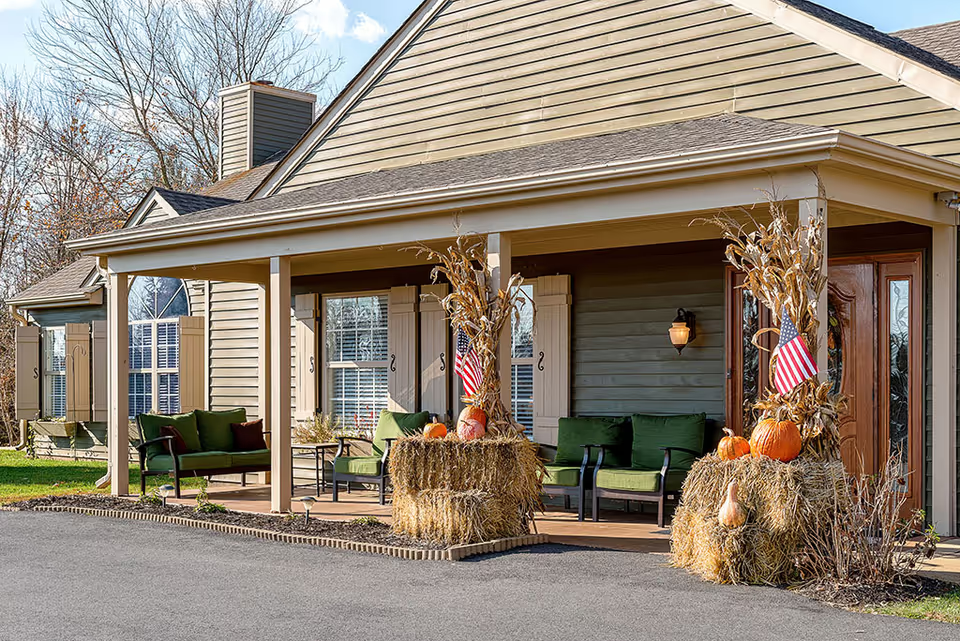
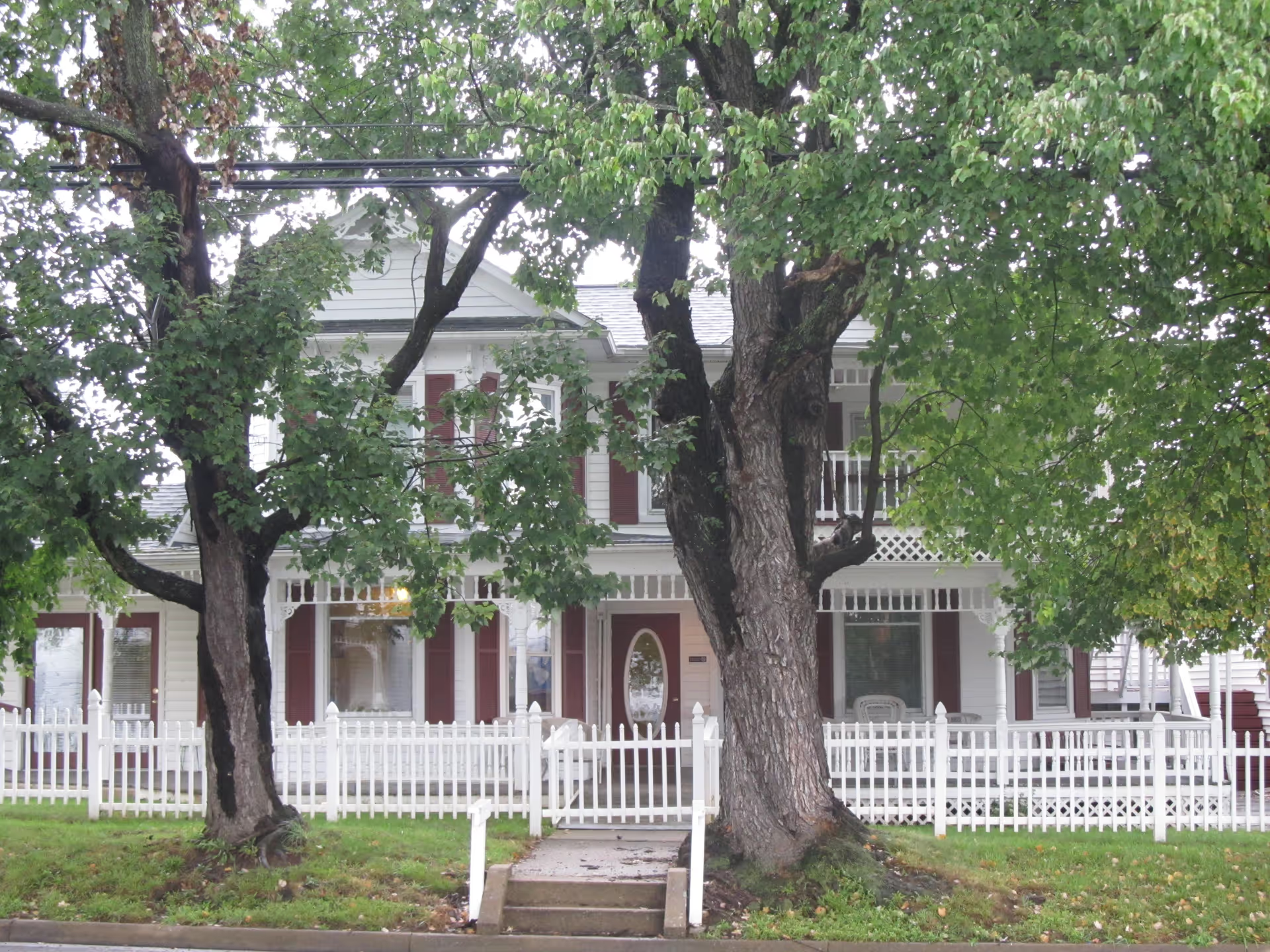
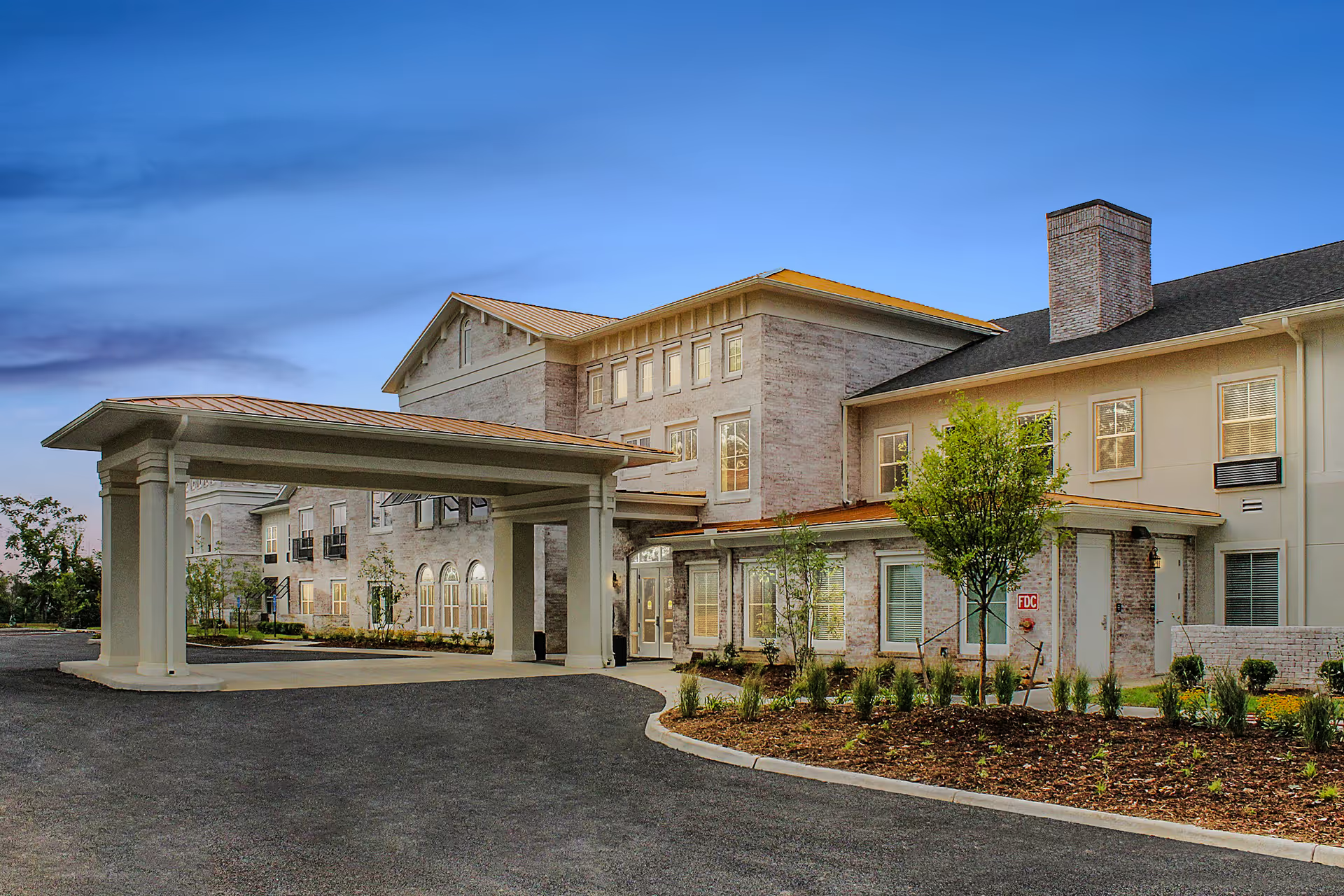
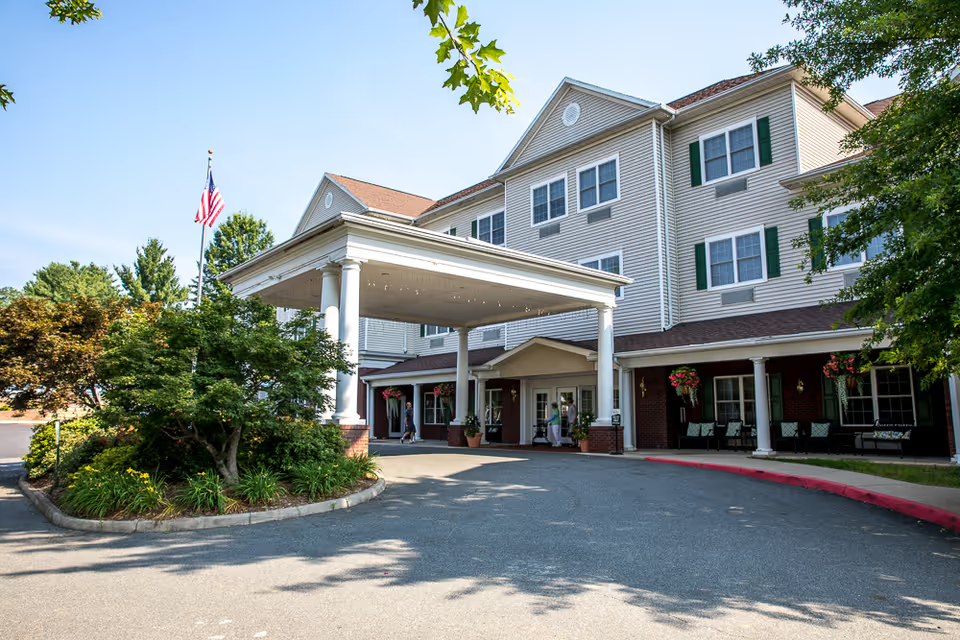
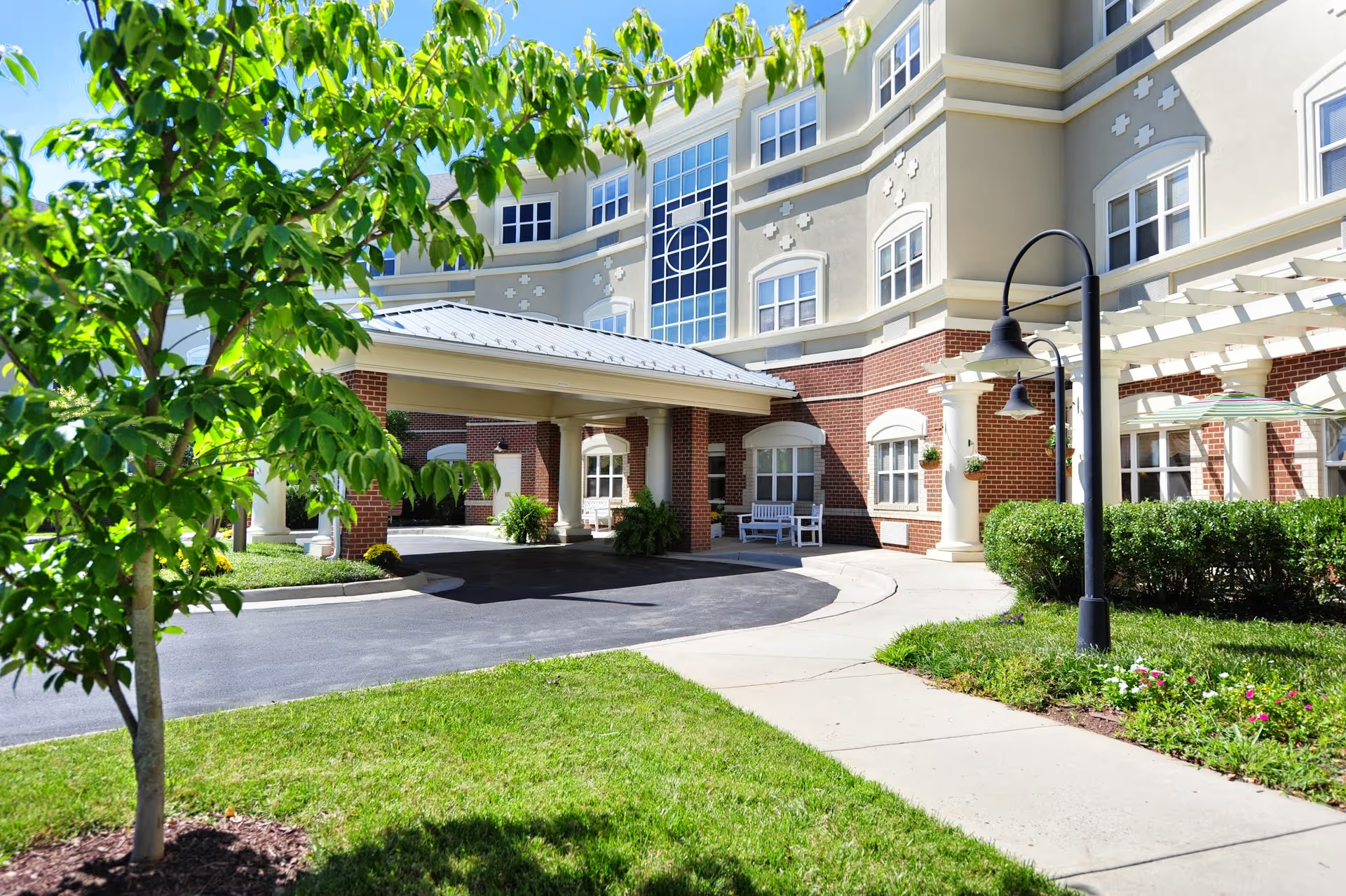
Facilities and safety: The physical plant is described as clean, bright, and dementia-friendly, with pleasant outdoor spaces, garden terraces, and seating areas. Memory-care precautions are evident, including supervised or restricted access to courtyards for safety. The building’s long layout and multiple connected halls were noted as limiting incidental interaction among memory-care residents, which may affect social dynamics for some individuals.
Management, admissions, and operations: Administrative staff and marketing personnel are frequently praised for being helpful and informative. At the same time, reviewers raise operational concerns: the facility appears to use broad admission criteria and accepts higher-acuity or late-stage dementia residents, which can create a mixed population with complex needs. Several families expressed unease with assessment processes that emphasize financial or placement eligibility, and a few described post-admission issues such as billing disputes or missing belongings—signaling opportunities to strengthen reconciliation and family communication protocols.
Notable patterns and guidance for prospective families: The dominant pattern is of a caring, well-kept community with strong staff commitment and good value relative to cost. Areas to probe during a visit include the facility’s admissions criteria and how it manages residents with high behavioral or clinical needs; current staffing levels and expected responsiveness during peak activity times; meal planning and sample menus; policies on outdoor access and supervision; and billing/property reconciliation procedures. Overall, The Harbor at Renaissance of Greene County appears to offer a supportive, family-oriented environment with effective memory-care programming, while prospective families should confirm operational details that affect fit and expectations for care mix, communication, and resident independence.