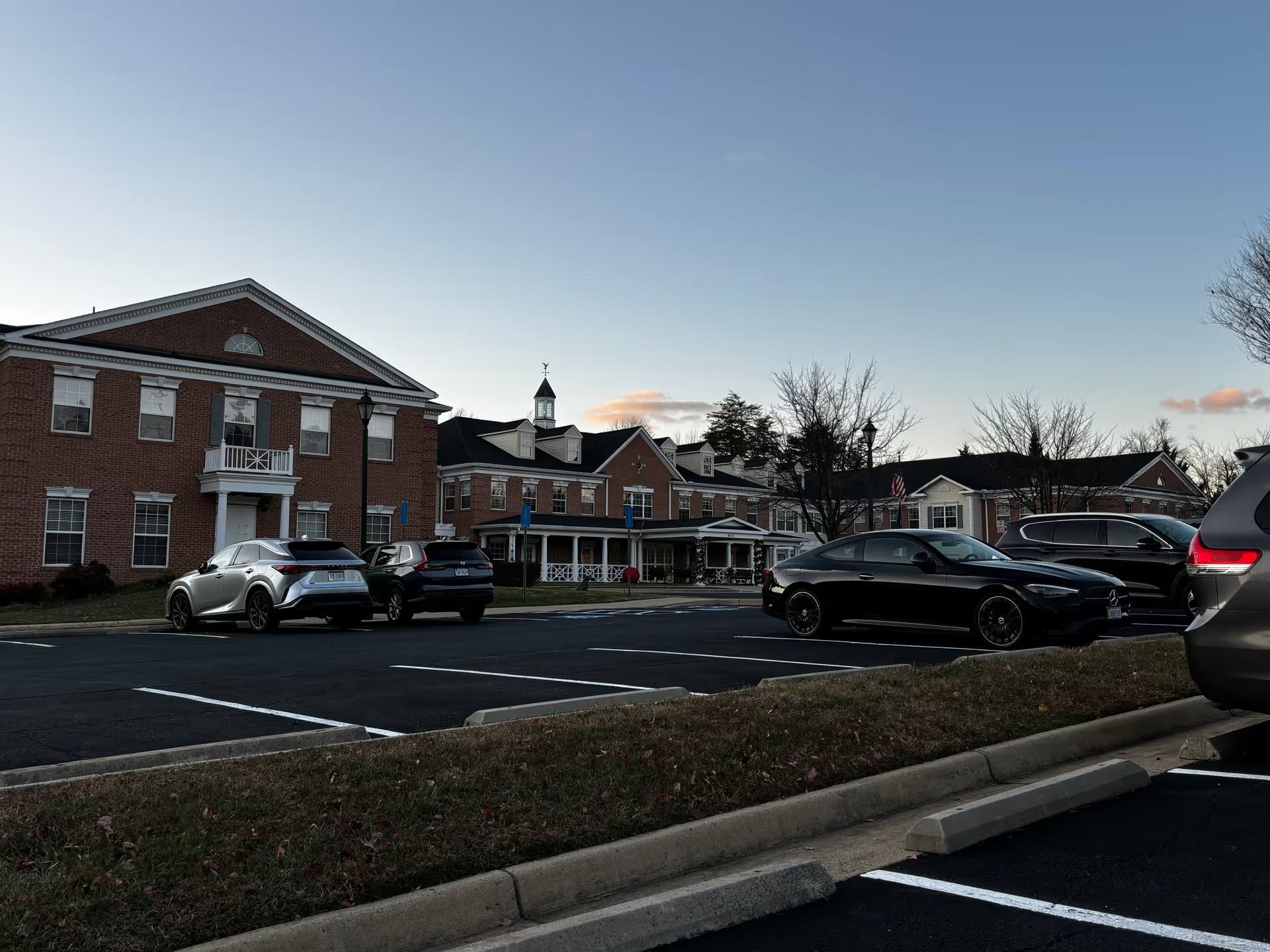
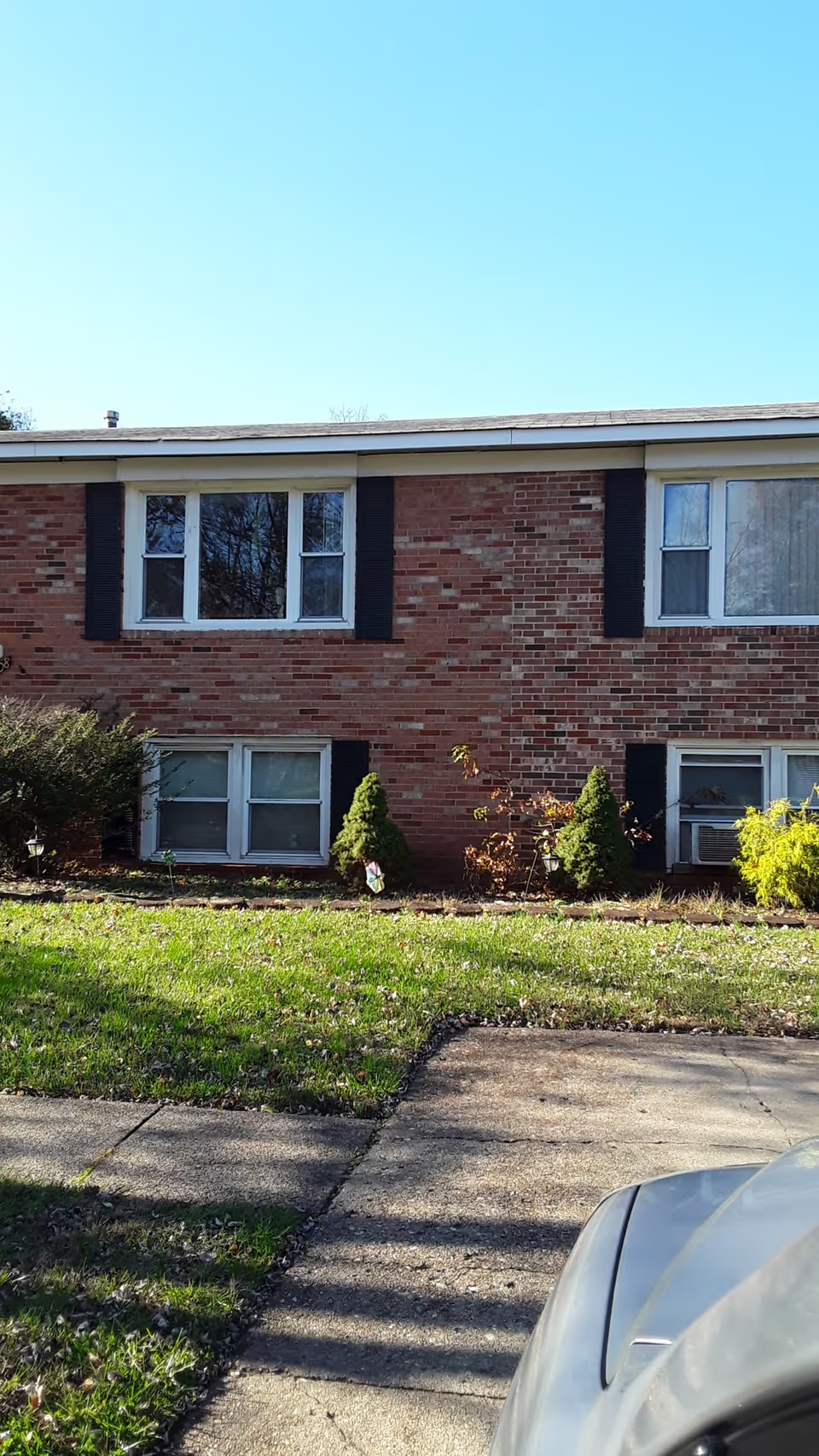
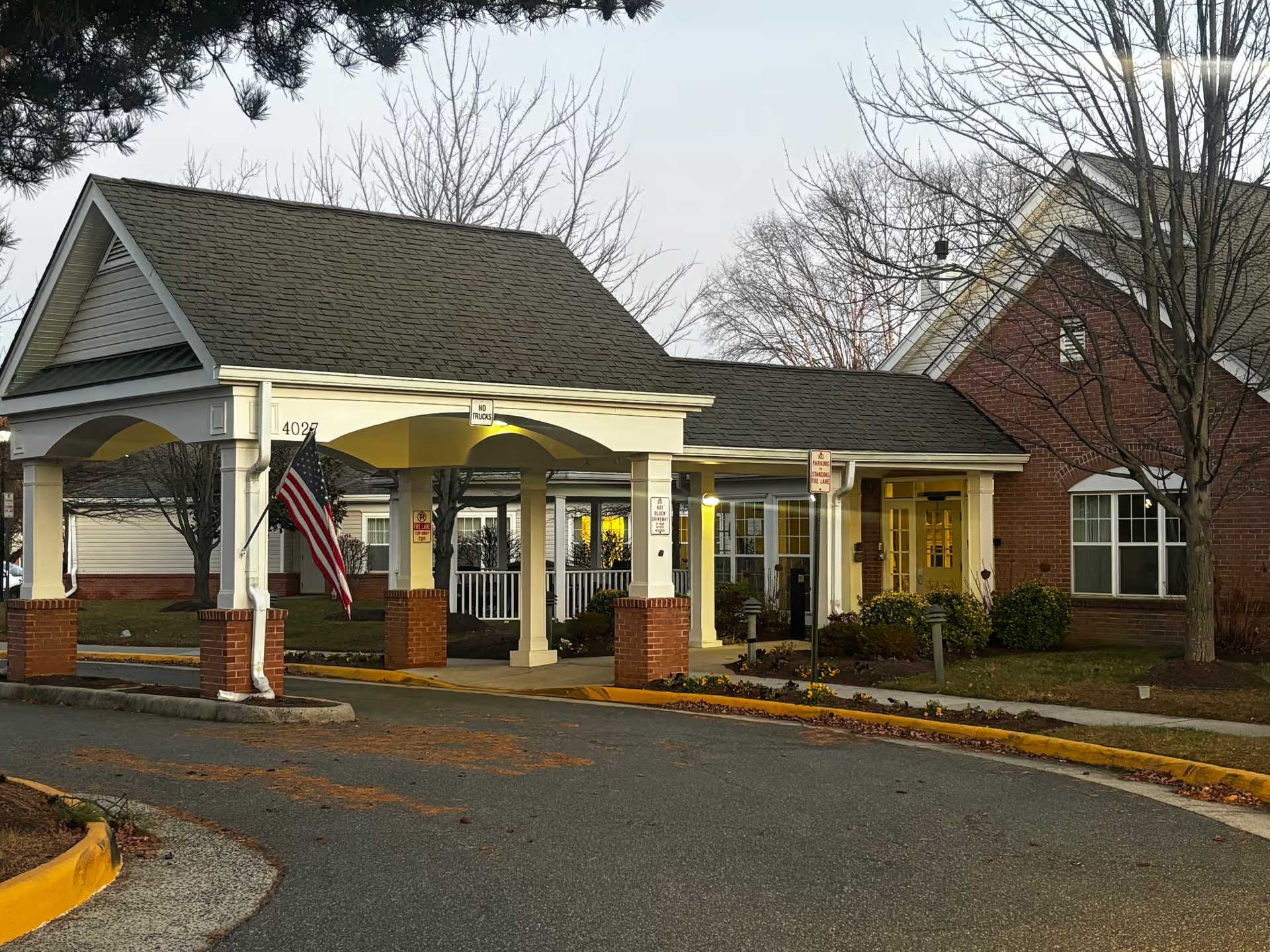
AvidCare Assisted Living is portrayed across reviews as a small, home-style assisted living residence that emphasizes personalized, dignity-focused care. The facility’s scale—described as a small, residential home with single-occupancy rooms and private baths—supports a quiet, peaceful environment and close staff–resident relationships. Cleanliness and interior upkeep are repeatedly highlighted, and the setting in the Fairfax area is noted for being serene and welcoming.
Care quality and staffing are the most consistently praised elements. Reviewers describe staff as attentive, compassionate, and professional; leadership and owner involvement are mentioned as active and responsive. Families report clear communication, proactive outreach, and a sense of safety and respect for residents. Clinical supports such as hospice compatibility and an arrangement with a contracted pharmacy for rapid medication delivery are called out as operational strengths that support continuity of care.
Dining and activities receive positive mention. Meals are characterized as fresh and home-cooked, and activity programming is described as tailored and plentiful, with examples including singing, dancing, and other social events. On-site personal services such as grooming/barbershop visits were observed and appreciated by families. These elements contribute to a homelike, socially engaged atmosphere that families say helps reduce caregiver stress.
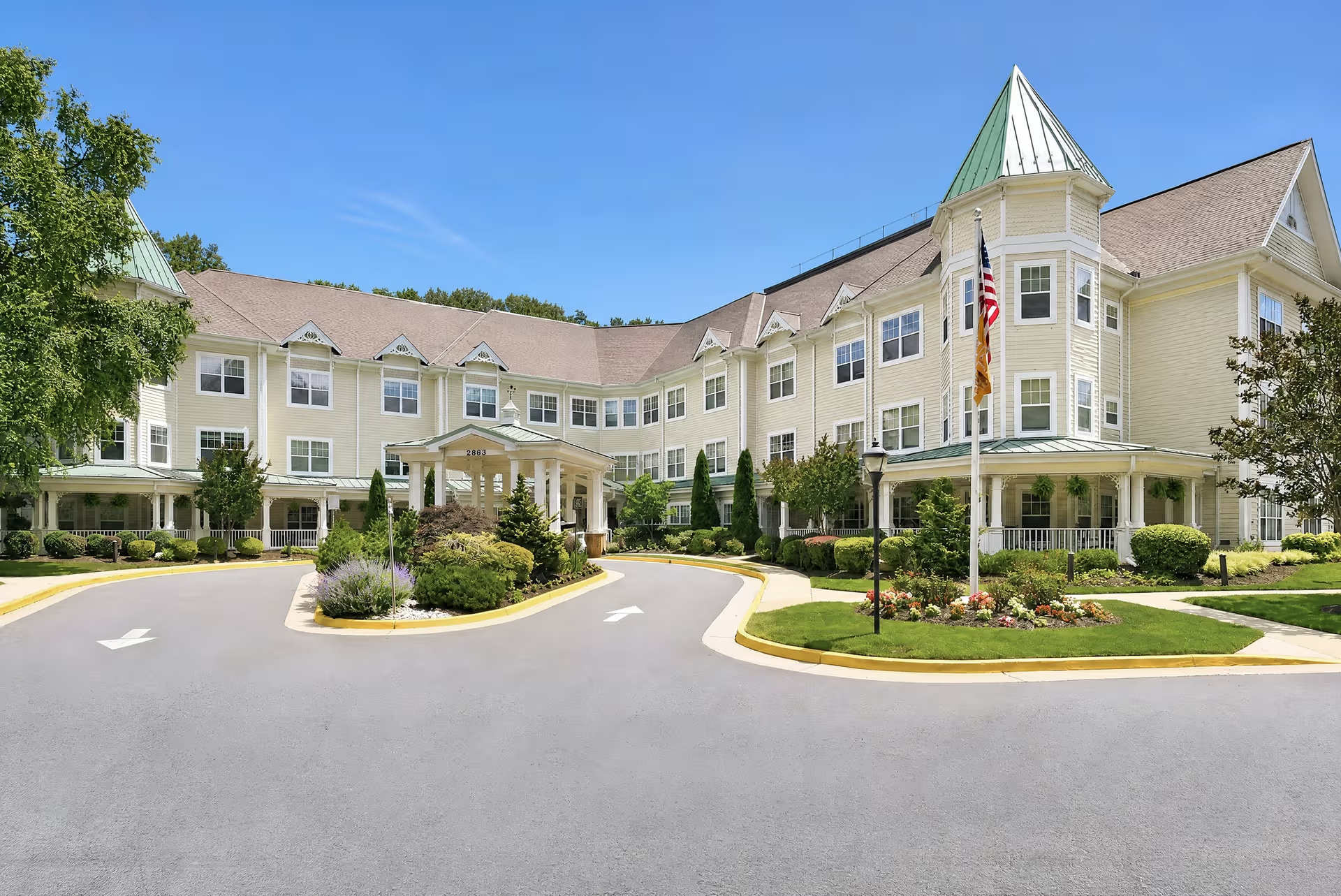
Facilities and management are described as modern, well-maintained, and thoughtfully appointed, with vibrant decor and spacious private rooms. Owners and managers are portrayed as accessible and involved; operational practices called out positively include transparent tours, clear pre-admission information, and proactive family communication. The combination of small size and hands-on leadership appears to be a central feature of the facility’s model.
Notable patterns and caveats: the facility’s small size is both a strength and a limitation. While it permits individualized attention and a residential feel, limited bed capacity may constrain availability and could limit on-site specialized clinical services typical of larger institutions. Additionally, one reviewer raised a concern about review chronology and provenance (mentions of material predating the facility’s opening), which suggests prospective families should verify timelines and documentation when researching. Prospective families may wish to confirm staffing ratios, on-call clinical coverage, emergency protocols, the pharmacy contract details, and sample activity and meal schedules during a tour to ensure the facility’s operational model matches their loved one’s clinical and social needs.