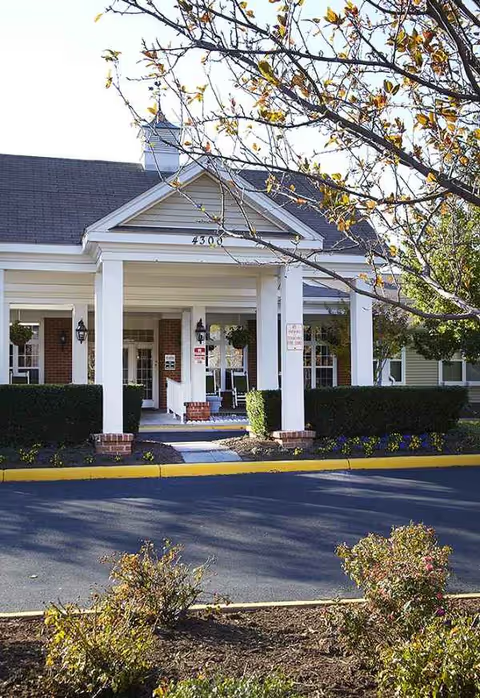
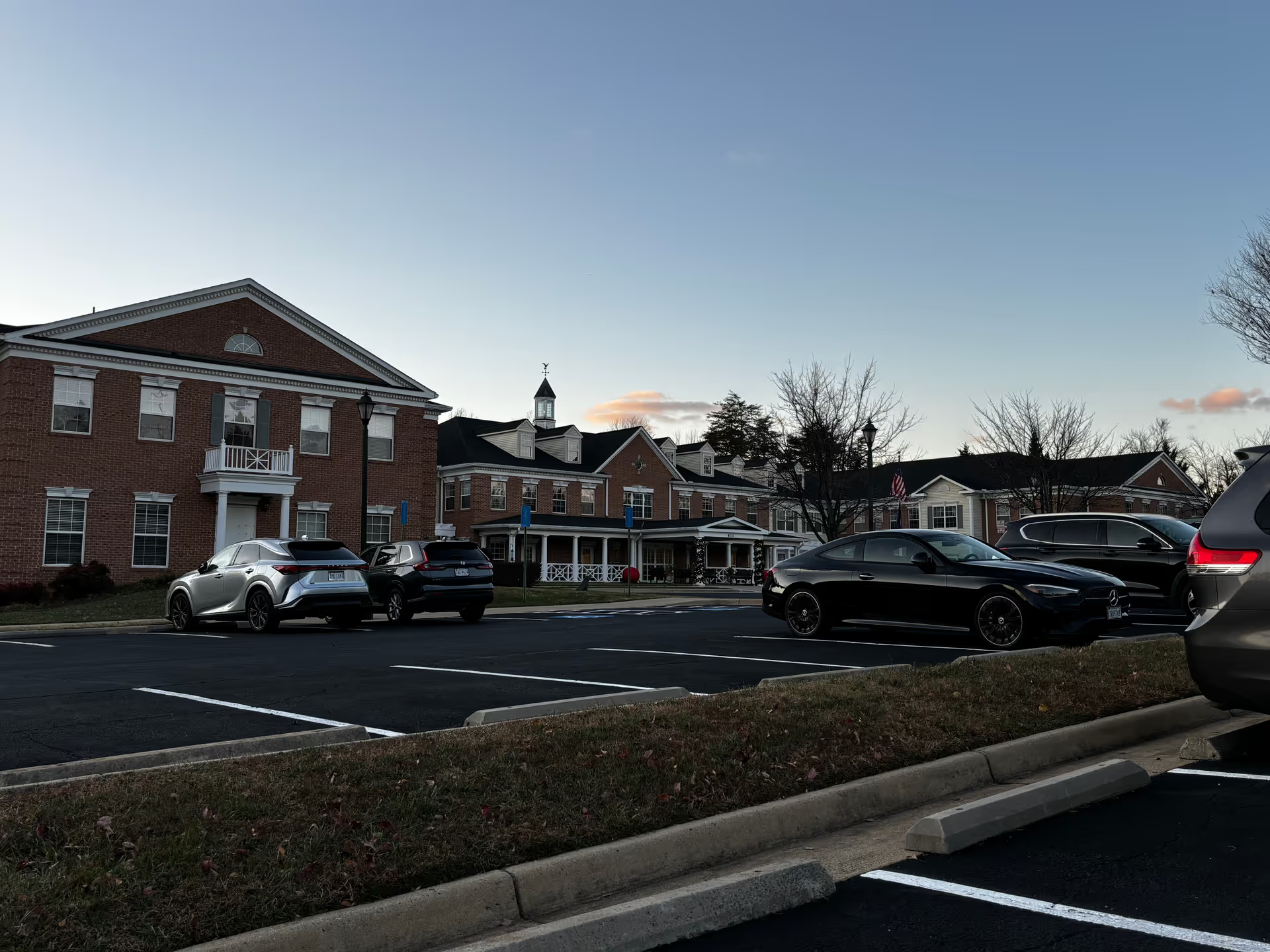
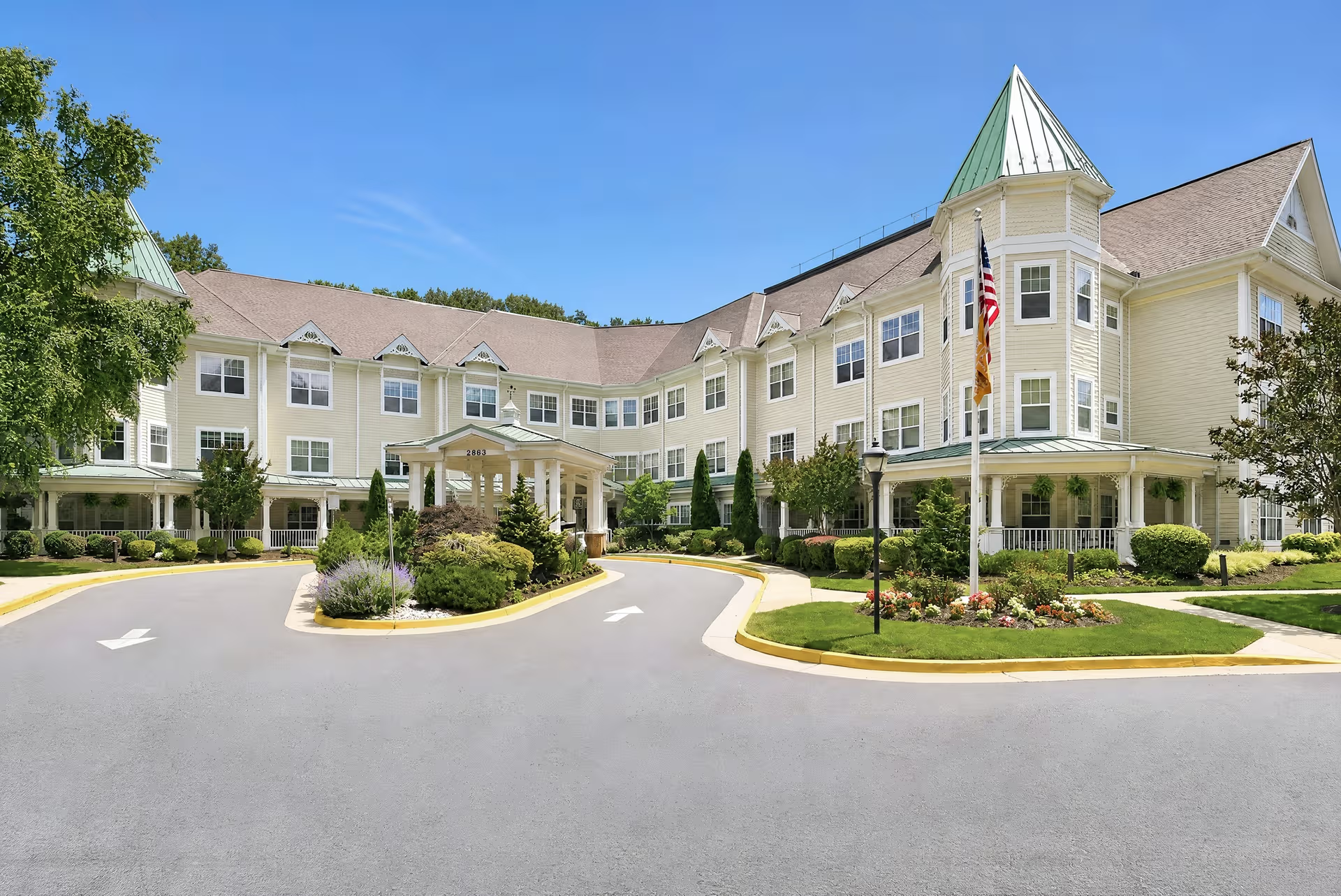
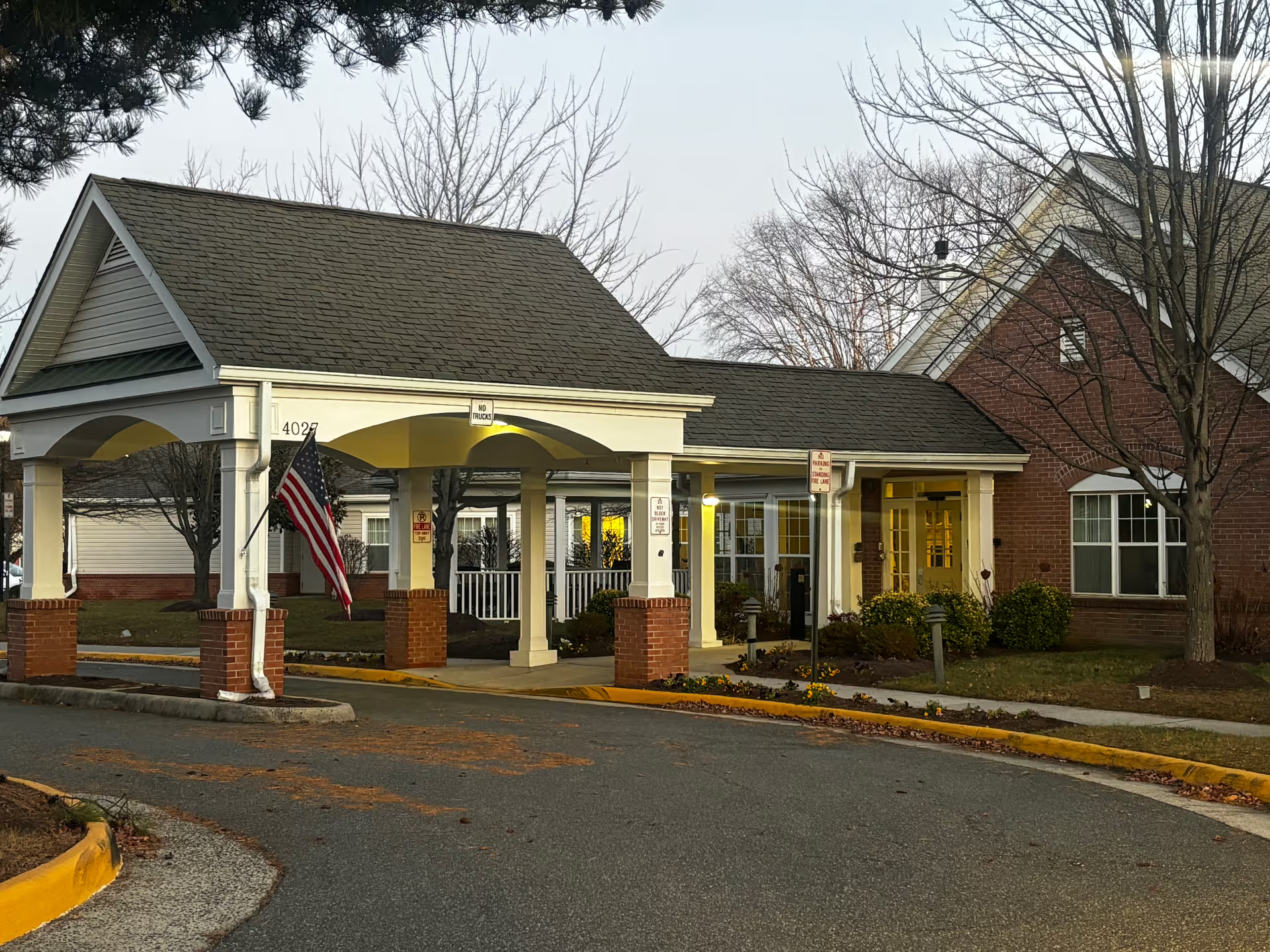
The review corpus reflects a strongly polarized experience at Fairfax Nursing Center, with distinct clusters of positive and negative patterns. Positively, many families and former patients describe caring, compassionate caregivers and a rehabilitation team that produces rapid improvement for some short-stay residents. Admissions and recreation staff receive frequent praise for their friendliness and organizational help; an on-site dialysis unit, accessible courtyard and therapy gym are cited as useful amenities. Individual clinicians and therapists are often singled out for strong clinical skill and advocacy, and some accounts describe comprehensive, family-centered transitions and 24-hour clinical coverage.
At the same time, a substantial body of commentary identifies consistent operational challenges. The most prominent theme is chronic understaffing and high turnover, which reviewers connect to long call-light response times, delays in toileting and bathing assistance, limited mealtime help, and inconsistent medication administration. These workflow gaps are associated with safety and comfort concerns: families describe delays in incident response and inconsistent documentation after falls or medical changes. Several reviewers also described limited intensity or availability of therapy services (including few or no weekend sessions), which some families felt undermined rehabilitation goals.
Dining and housekeeping are another area of mixed performance. Positive accounts reference individualized meal accommodations and pleasant communal dining, while numerous complaints cite variable food quality, frequent cold or unappealing meals, small portions, and concerns about meal-temperature control. Cleanliness and maintenance comments are similarly divided: many reviewers praise clean common areas and responsive housekeeping, whereas others raise sanitation and odor concerns in specific units, deferred maintenance of infrastructure, slow repairs, and pest-control issues.
Management and administrative patterns are uneven across reports. Several families praise helpful, communicative admissions personnel and responsive supervisors who resolve issues promptly. Conversely, a large set of reviews describes weak leadership responsiveness, communication breakdowns with social services and discharge coordinators, billing irregularities, and a perceived decline in quality after ownership changes. Coordination with external pharmacy and after-hours coverage is noted as inconsistent, contributing to medication delays in some cases.
Notable patterns to consider when evaluating this facility: the experience appears highly dependent on unit staffing, individual clinicians, and administrative responsiveness. Positive outcomes are frequently tied to strong engagement from specific nurses, therapists, or social workers; negative outcomes cluster around periods or units with staffing shortfalls or leadership turnover. There are also a few serious, isolated allegations that families escalated beyond the facility; these are not the majority pattern but warrant careful inquiry during a visit.
Recommendations for prospective residents and families: arrange an in-person, unannounced tour that includes observation of staffing levels at different times of day; ask about current staffing ratios, weekend therapy availability, medication-administration protocols, and specific sanitation and pest-control practices. Request written documentation of the care plan, daily therapy schedule, and discharge planning process, and verify billing practices and pharmacy coordination. When possible, identify specific clinicians or units with consistently positive feedback and discuss contingency plans for after-hours clinical needs.