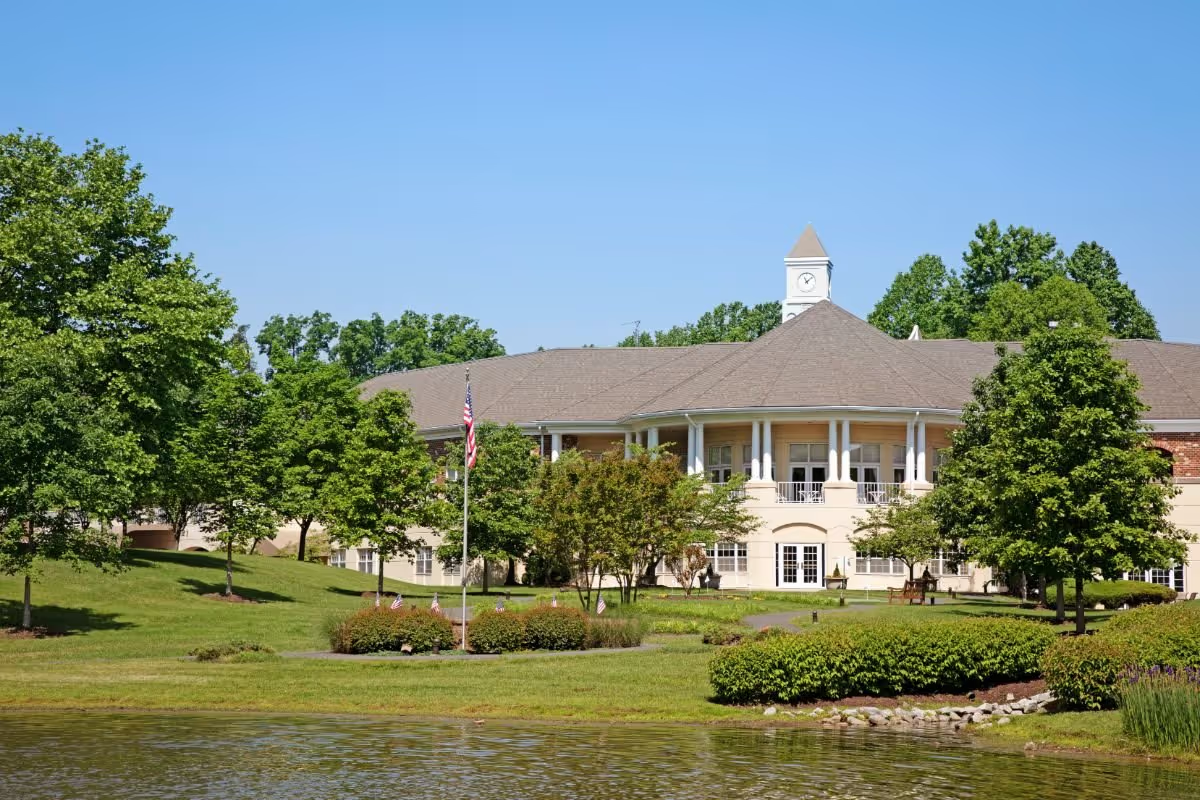
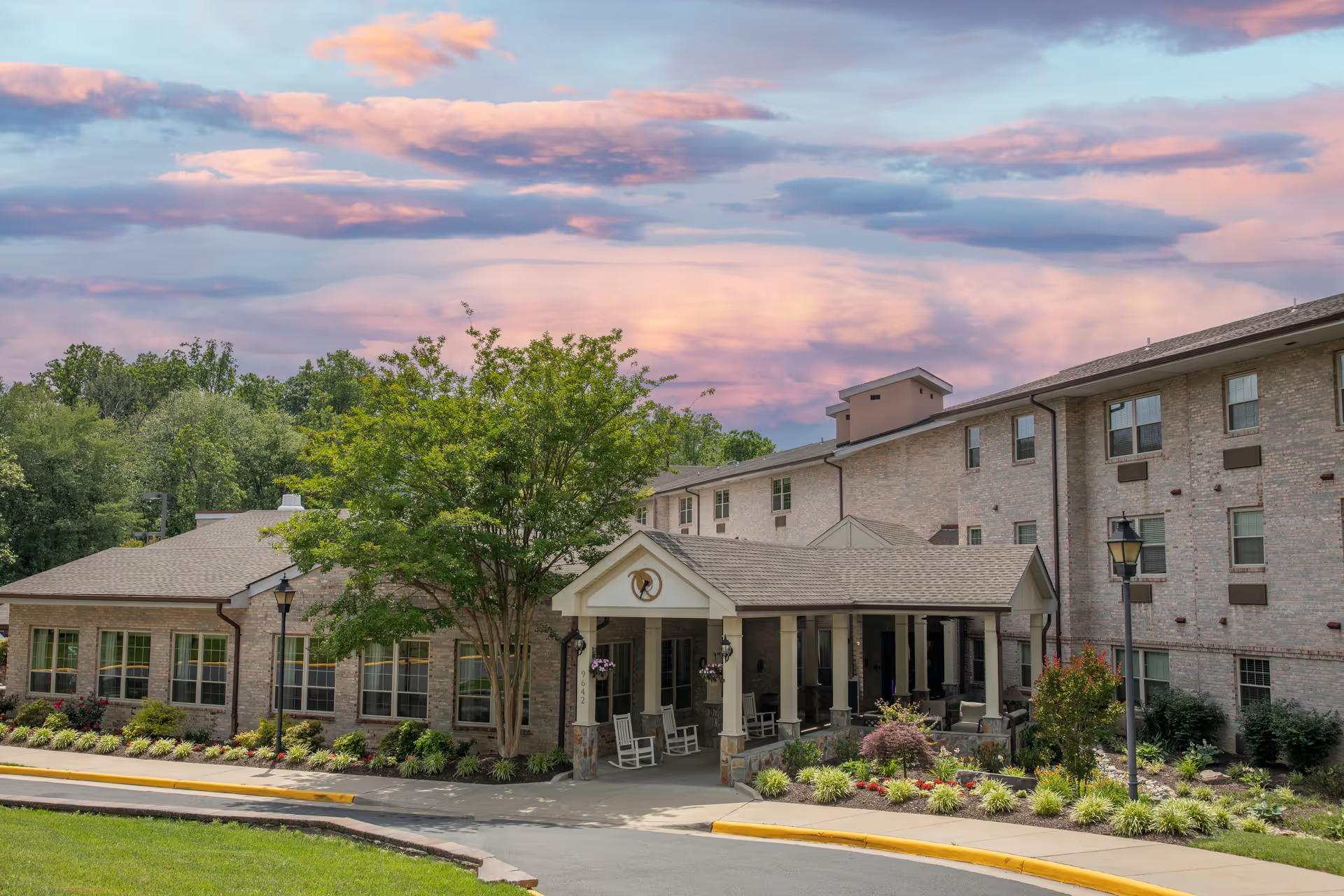
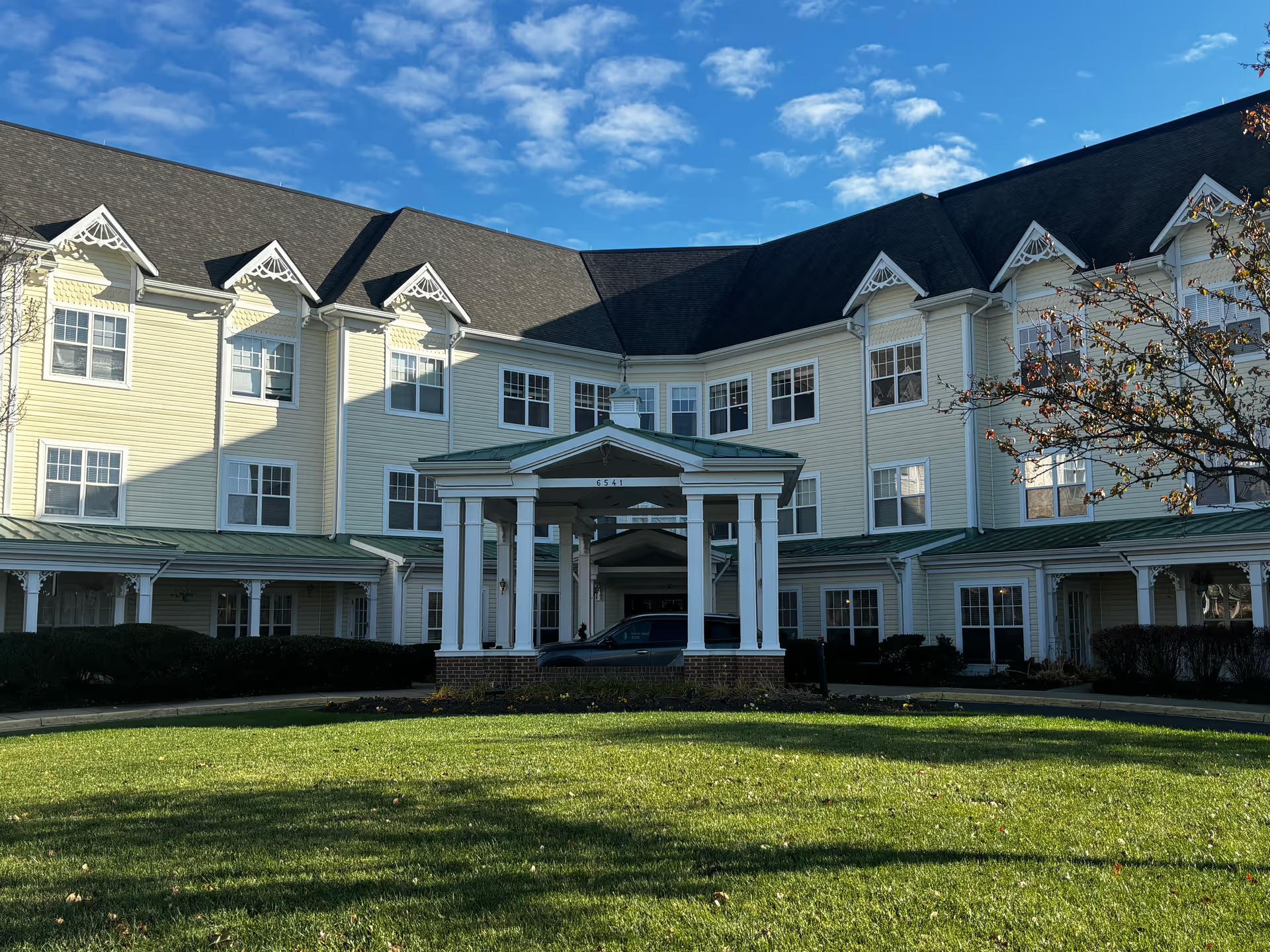
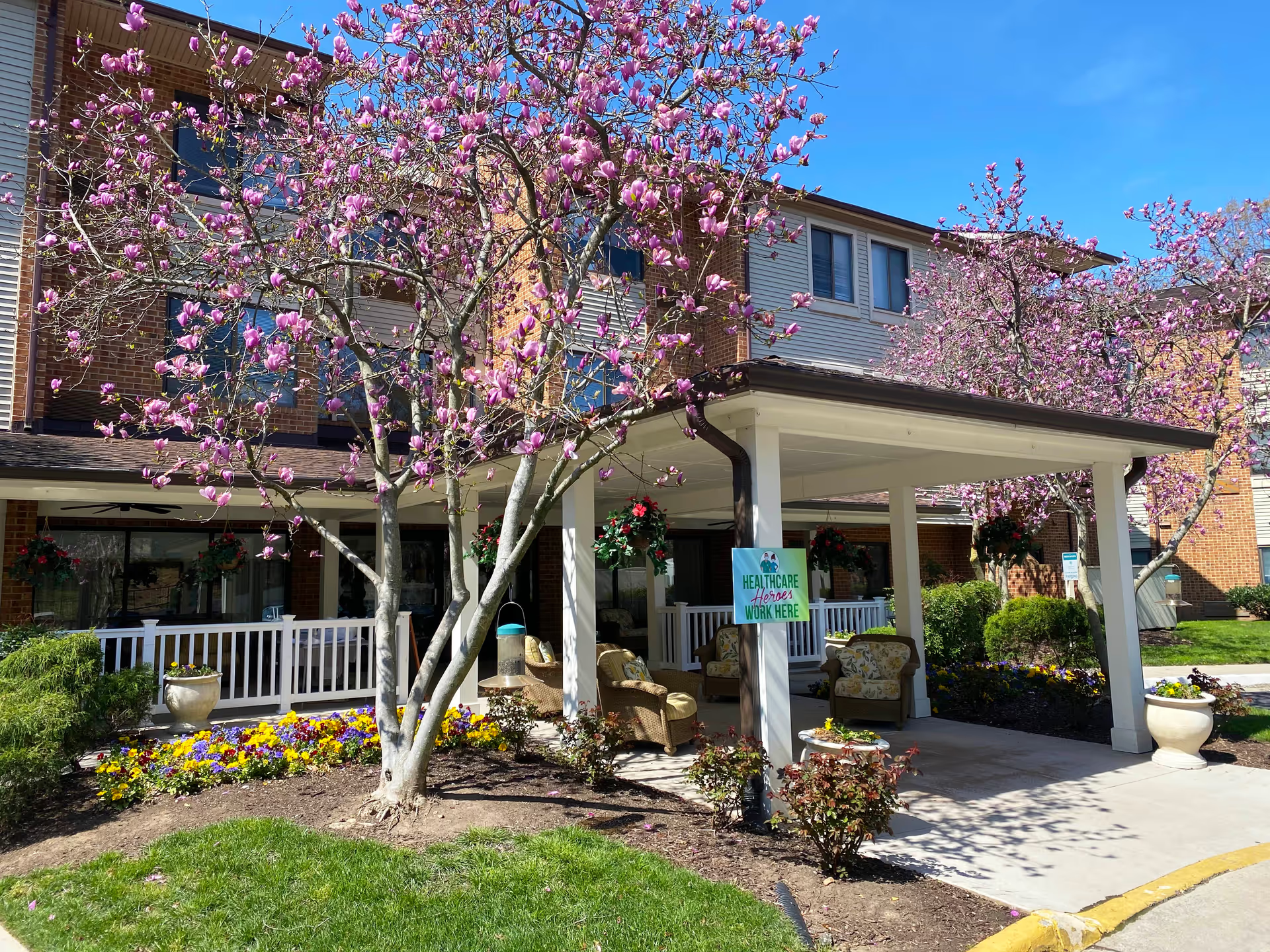
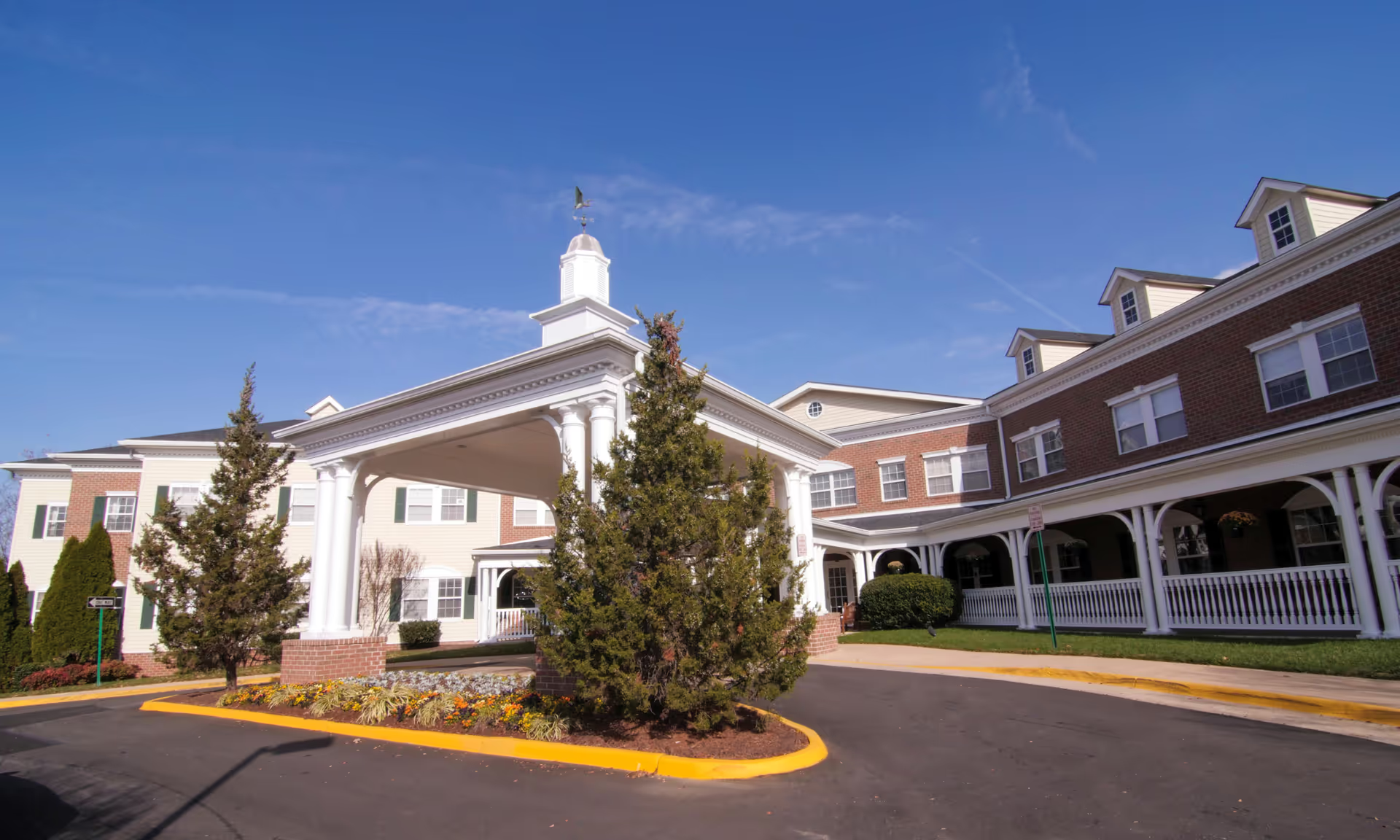
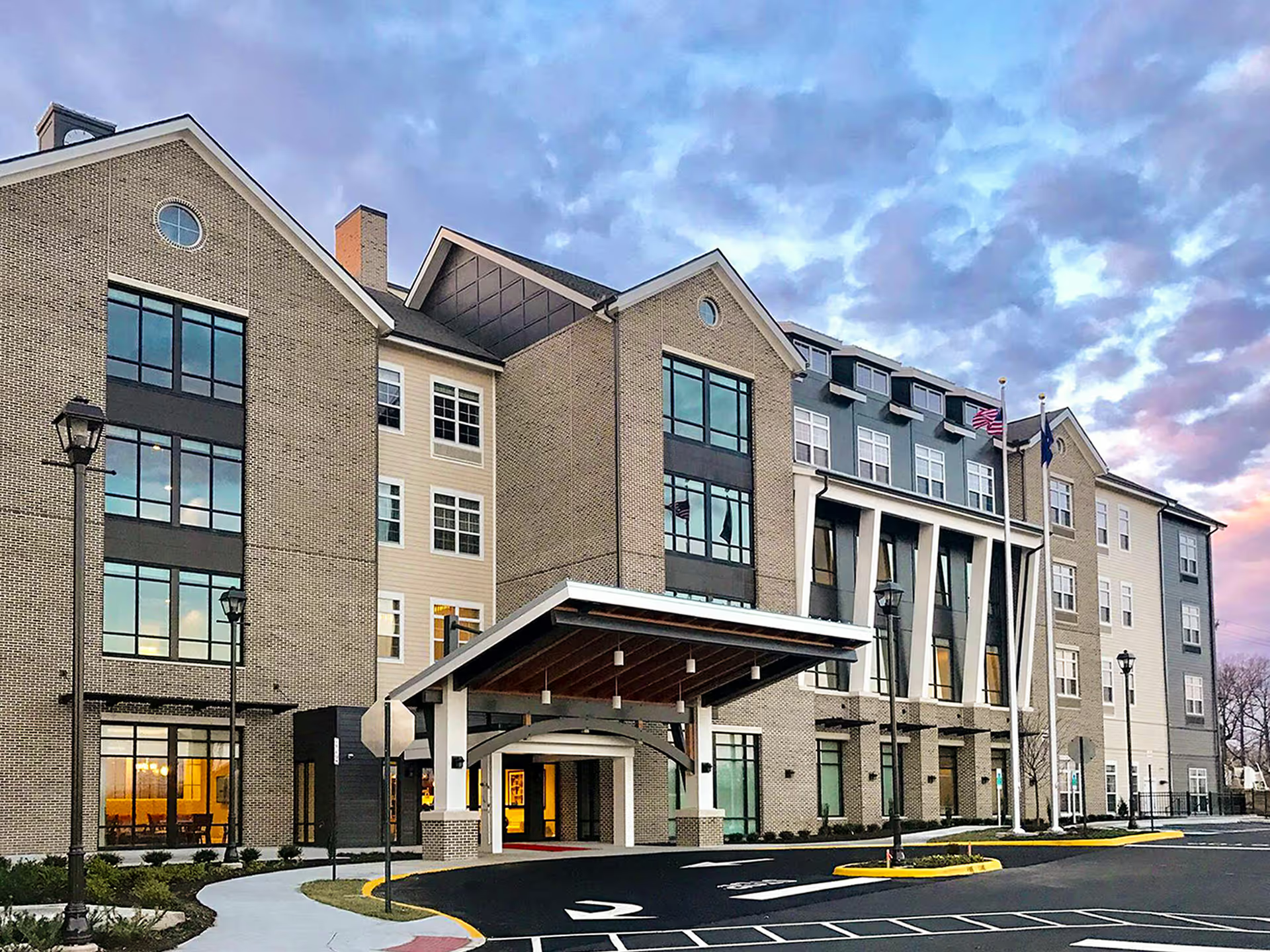
Harmony at Spring Hill elicits a mixed but thematically consistent set of impressions. Many reviewers praise the facility's physical environment: a new, modern, resort-like building with bright common areas, a gated entry, theater and library spaces, and convenient proximity to shopping. Dining and presentation often receive positive mention — elegant dining rooms, fresh table settings, and some residents enjoying rotating menus and desserts. The activities program is a clear strength in many accounts, with a wide variety of offerings (devotionals, crafts, games, outings, and entertainment) and enthusiastic volunteer involvement. On-site rehabilitation and allied services (PT/OT, podiatry, primary-care access) are an asset for families seeking coordinated post-acute care.
Care and staffing present the most divided experiences. Numerous families describe compassionate, attentive caregivers, effective floor nurses, and strong single-point clinical leadership that produces good outcomes for some residents. At the same time, a consistent pattern appears around staffing instability: high turnover, frequent short-staffing, and variability between shifts. Those operational constraints are linked in several accounts to uneven responsiveness, inconsistent personal care tasks, and particular challenges in the memory-care unit. Language barriers and uneven staff training are reported as contributing factors. A small number of reviewers raised serious clinical-escalation concerns — including delayed diagnostic imaging, skin-integrity issues, and a regulatory inquiry — which warrants careful follow-up during any tour or conversation with leadership.
Dining and nutrition show a similar split. Positive reports note appealing presentation, fresh options, and attentive dining service; negative accounts describe cold meals, repeated identical entrées, and failures to accommodate dietary restrictions or to communicate care plans to food service. Families considering the community should ask specifically about dietary-accommodation processes, diabetic meal protocols, and how cooks/servers are informed of clinical needs.
Activities and social life are frequently cited as strengths, with a robust daily calendar and many opportunities for social engagement. However, inclusivity and staff-led engagement vary: some programs are volunteer-driven or passive (exercise videos, passive church services), and some residents or families characterize the social atmosphere as cliquish. Prospective residents with specific social or therapeutic needs should inquire about evening programming, individualized engagement plans, and staffing support for activities.
Operational and administrative patterns are another recurrent theme. Several reviewers recount billing errors, rate-change confusion, and slow invoice corrections; others praise responsive sales and admissions staff who smooth transitions. Housekeeping and property management received mixed feedback — many note cleanliness and attractive grounds, while others report inconsistent linen service, lost items, and occasional sanitation concerns in select areas. There are also isolated mentions of systems reliability problems (notably prolonged air-conditioning outages) that affected resident comfort and prompted dissatisfaction.
Bottom line: Harmony at Spring Hill offers a high-quality physical environment, strong amenities, and an active activities program, and many residents experience caring staff and effective rehabilitation services. However, documented patterns around staffing instability, inconsistent clinical and personal-care delivery, food-service and medication-management weaknesses, and administrative/process reliability mean prospective residents and families should perform targeted due diligence. On a visit or tour, ask about current staffing ratios (day/evening/night and memory care), turnover statistics, medication-safety protocols, dietary-accommodation workflows, recent regulatory findings and corrective actions, housekeeping schedules, and specific contract/billing practices. Those steps will clarify whether the community’s strengths align with an individual resident’s clinical and social needs.