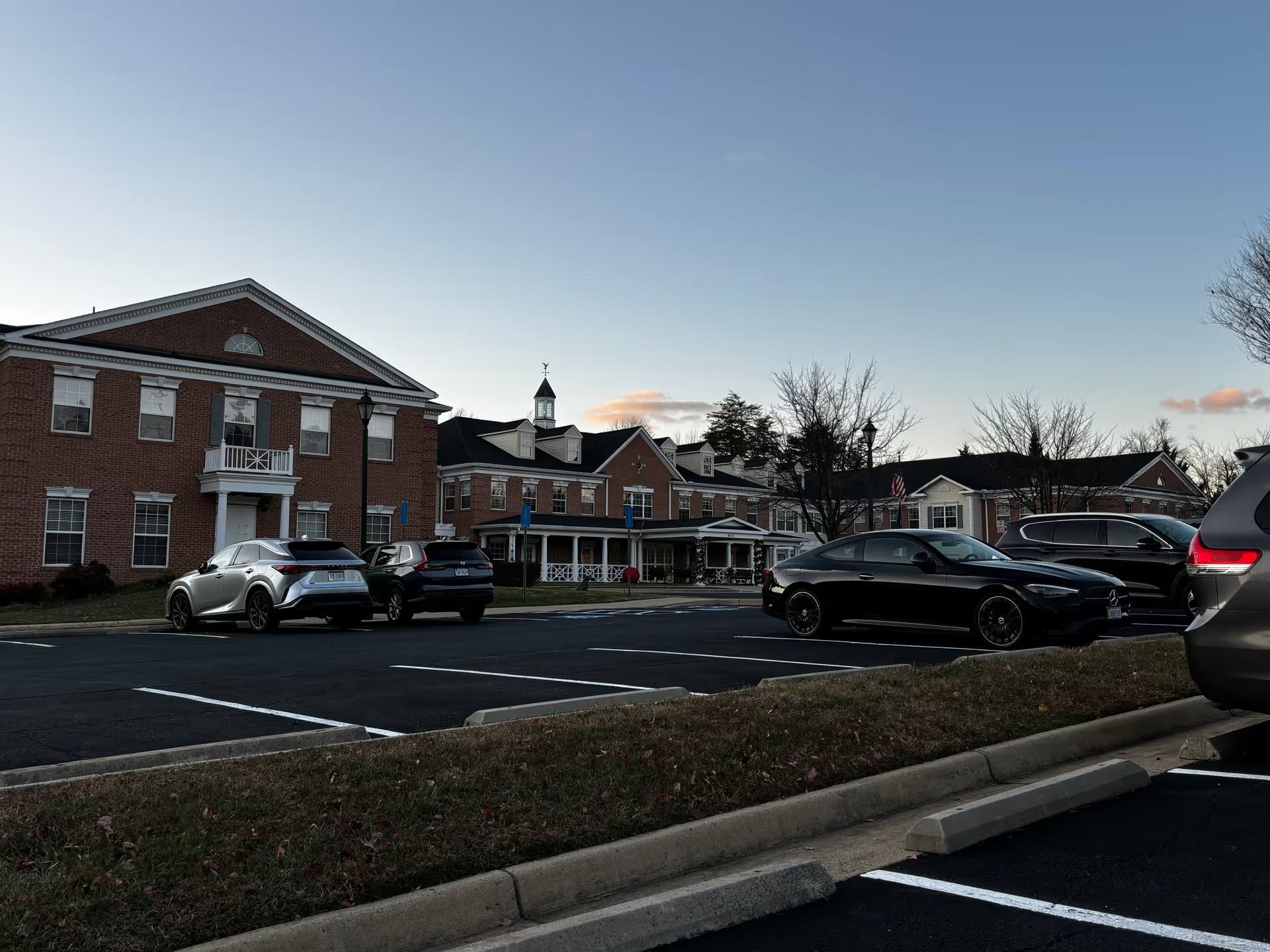
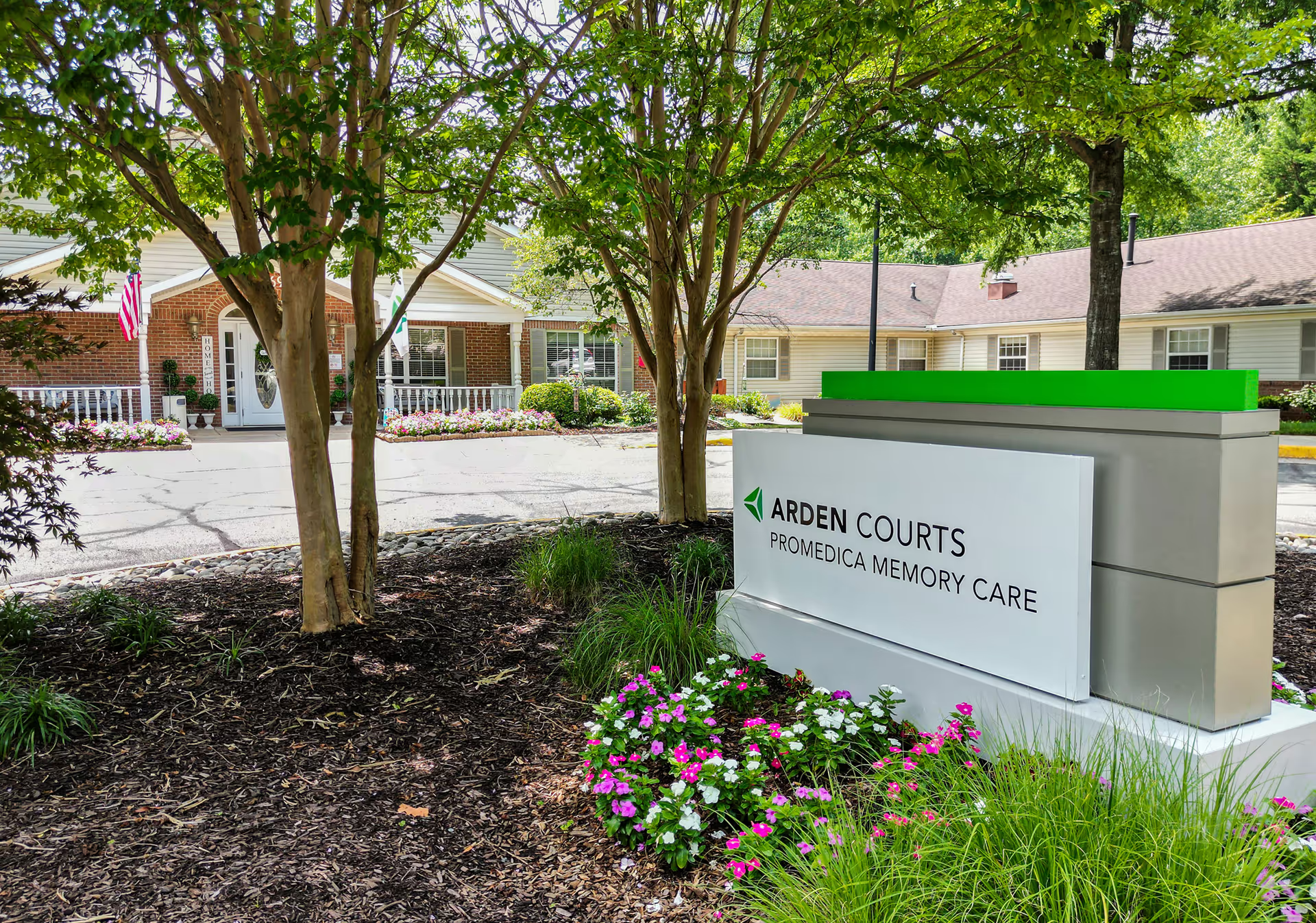
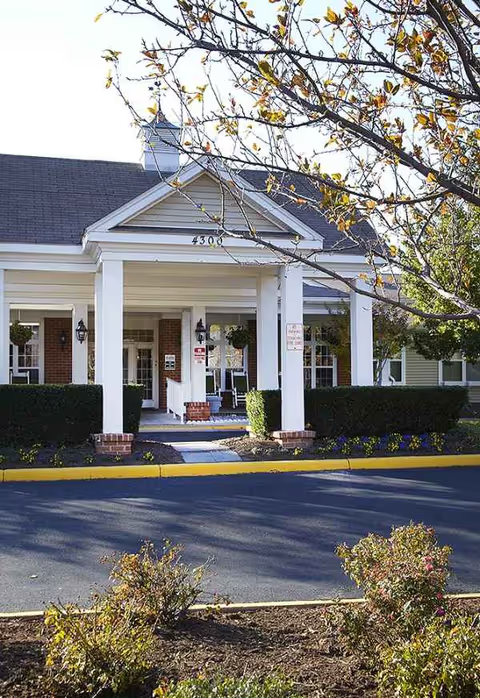
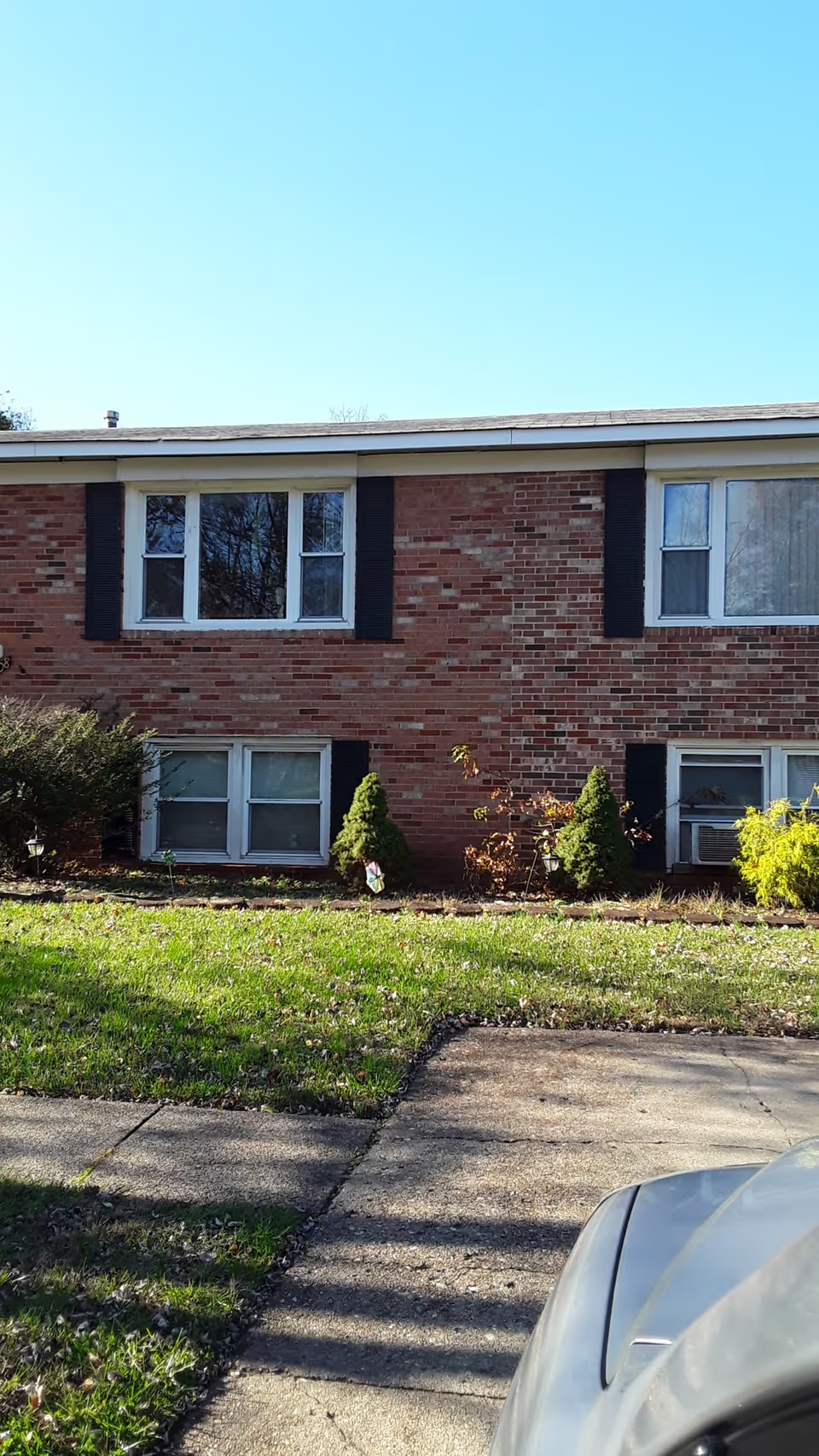
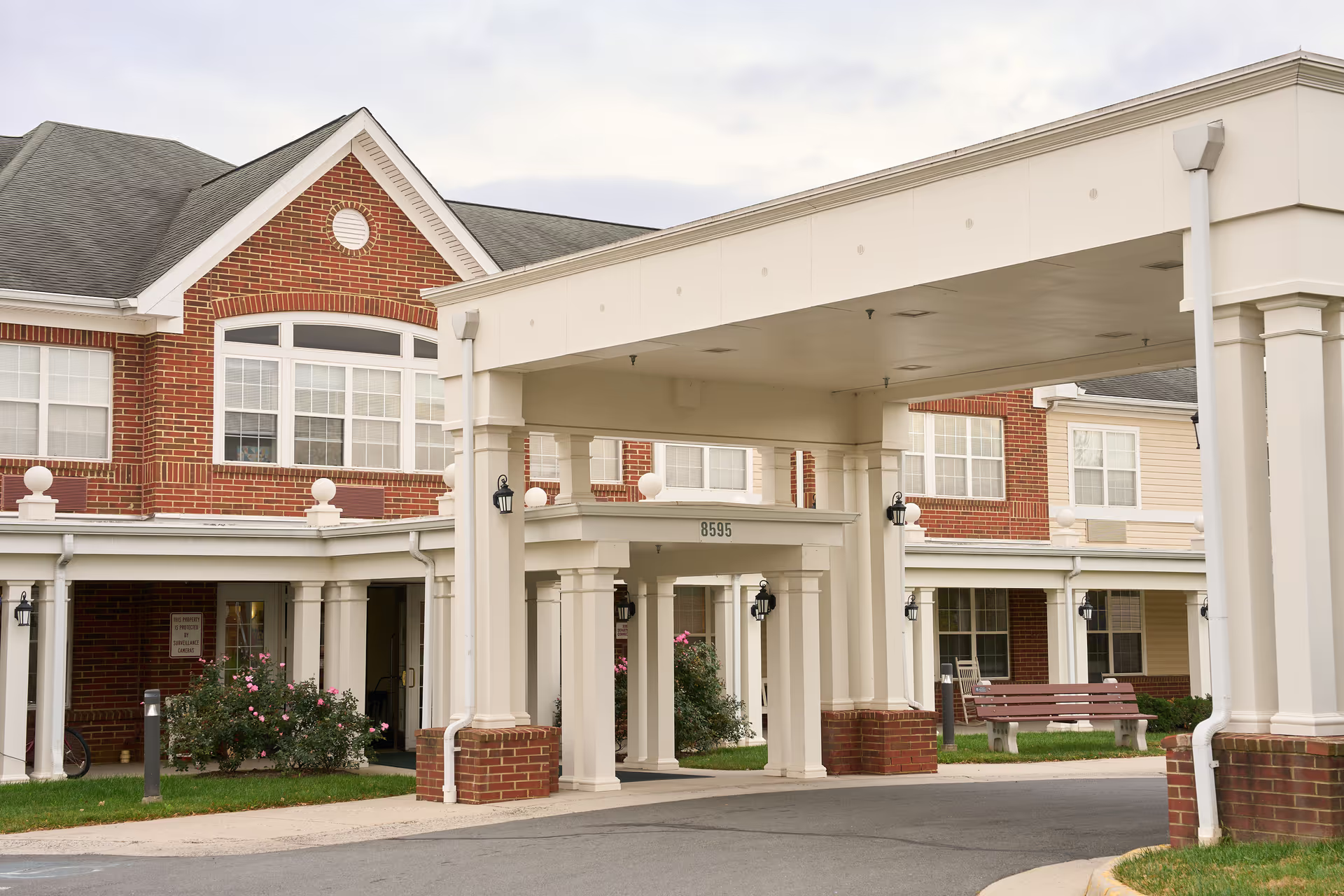
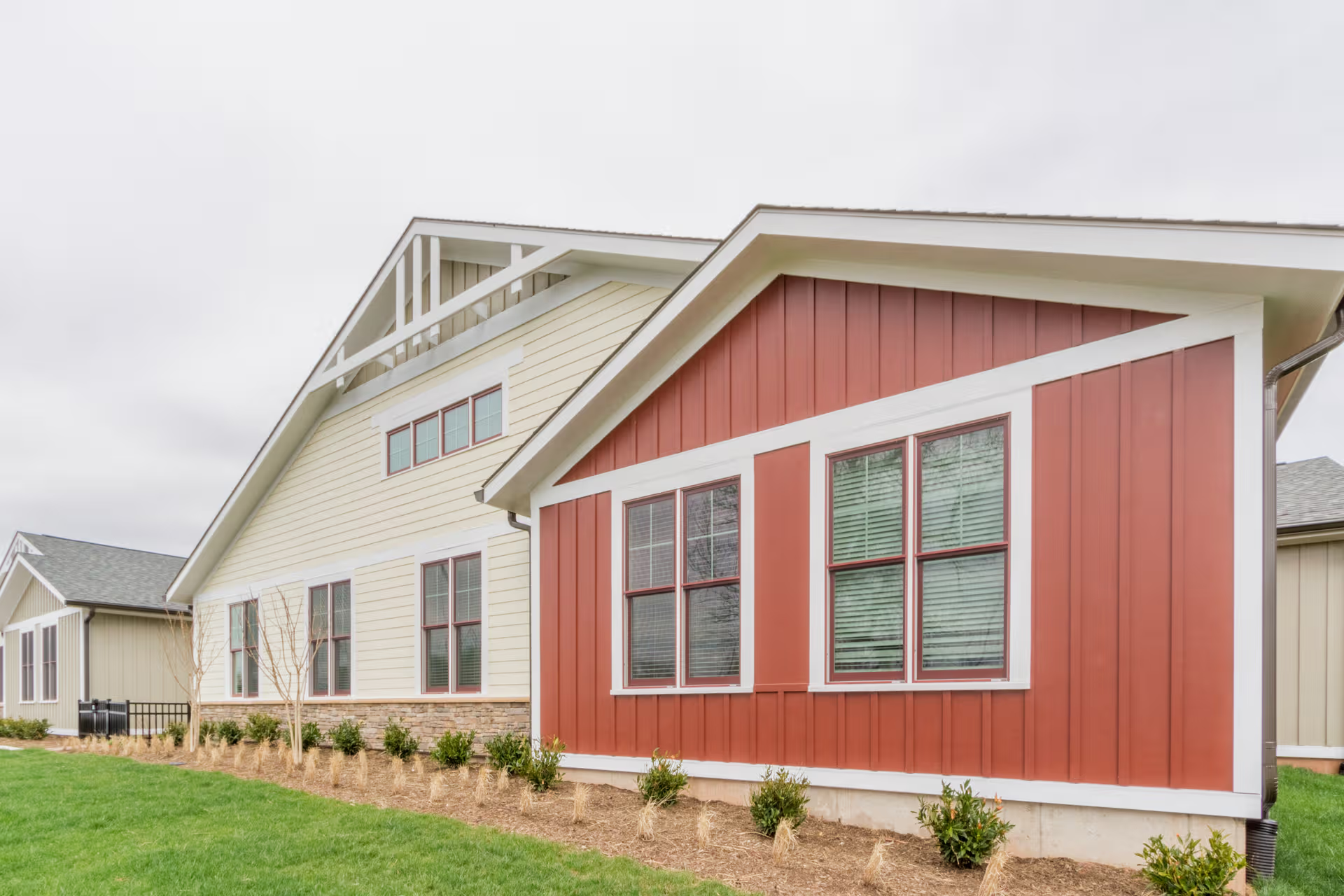
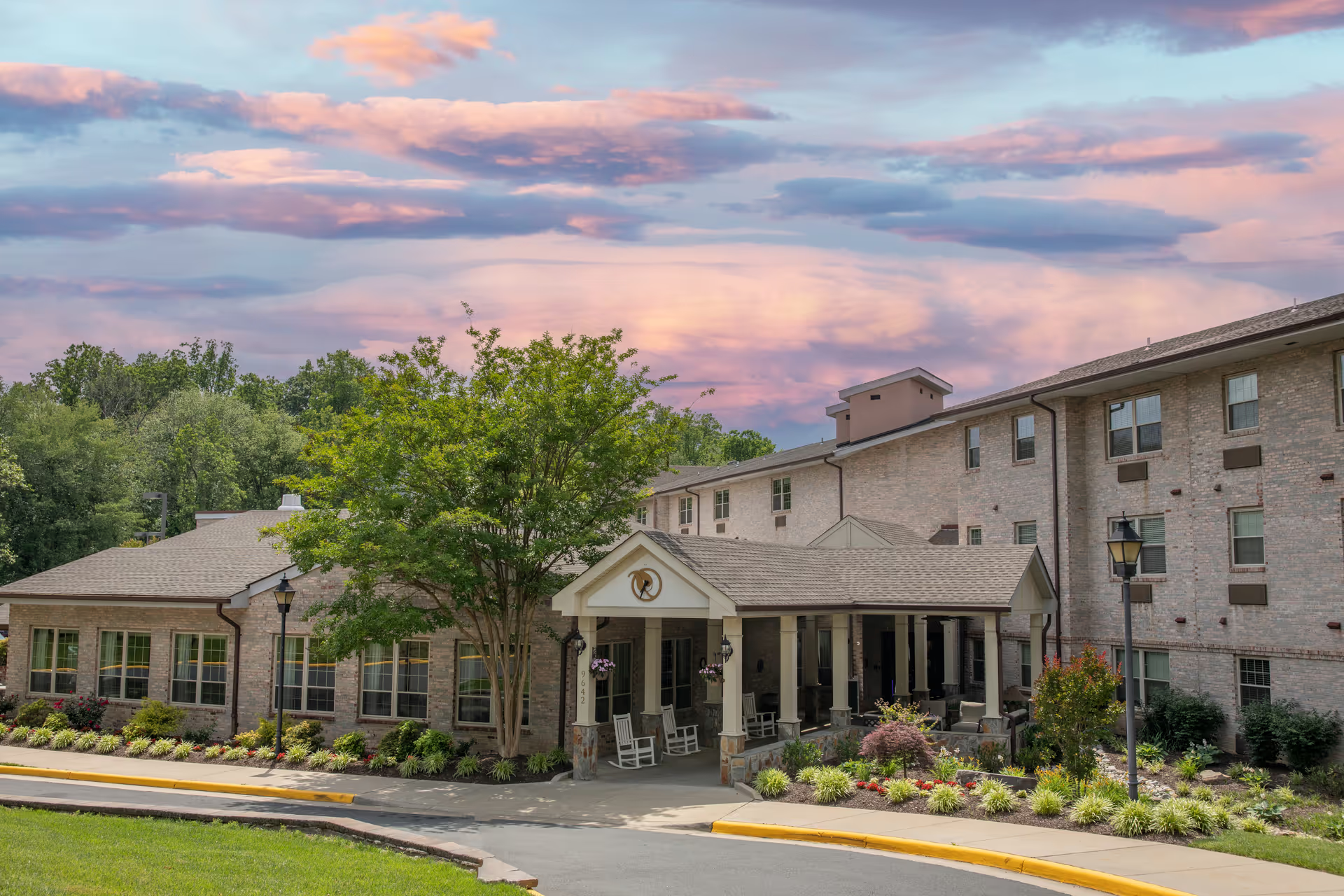
Homestead Estates Senior Living presents as a private, small-scale residential home rather than a large institutional facility. The property and grounds are described as well maintained and quiet, contributing to a homelike atmosphere. The facility's boutique size and household-style design are central features referenced across the reviews, and they shape most other aspects of service delivery.
Care quality is characterized by personalized attention and one-to-one caregiving. Reviewers highlight attentive, knowledgeable, and caring staff who provide individualized support; the owner and on-site management are described as accessible and engaged. A structured staffing model and an on-site pharmacy with medication-management capability are cited as operational strengths that support consistent medication handling and family communication. These elements contribute to frequent updates and a sense that residents are well cared for.
Dining and programming align with the home's residential character. Meals are described as freshly prepared, home-cooked fare and are repeatedly praised for quality. Activity offerings are described as engaging and appropriate to a small household setting, emphasizing social interactions and homelike engagement rather than institutional programming. The overall tone of family feedback emphasizes a comfortable, domestic dining and activity environment.
Facilities and management reflect the private-home model: attractive, thoughtfully designed interiors and gardens, a close owner–staff relationship, and an admissions process described as straightforward. Reviewers appreciate the absence of high-pressure sales approaches and note responsive on-site management and frequent communication with families.
Notable patterns and trade-offs: the small, residential scale that reviewers praise also implies limits. The setting may not provide the breadth of on-site clinical resources, specialized memory-care programming, or amenity variety found in larger communities. Small capacity can affect availability and reduce social variety, and a small staff complement may create coverage gaps when key personnel are absent. Prospective families should confirm whether the facility's clinical scope, emergency protocols, staffing ratios, and memory-care capabilities align with the prospective resident's current and anticipated needs before placement.